

Kamlesh Kr Pal on Key Nutrition Guidelines for Hemophilia B
Kamlesh Kr Pal, Retail Fundraising Manager at Hemophilia Federation (India), shared on LinkedIn:
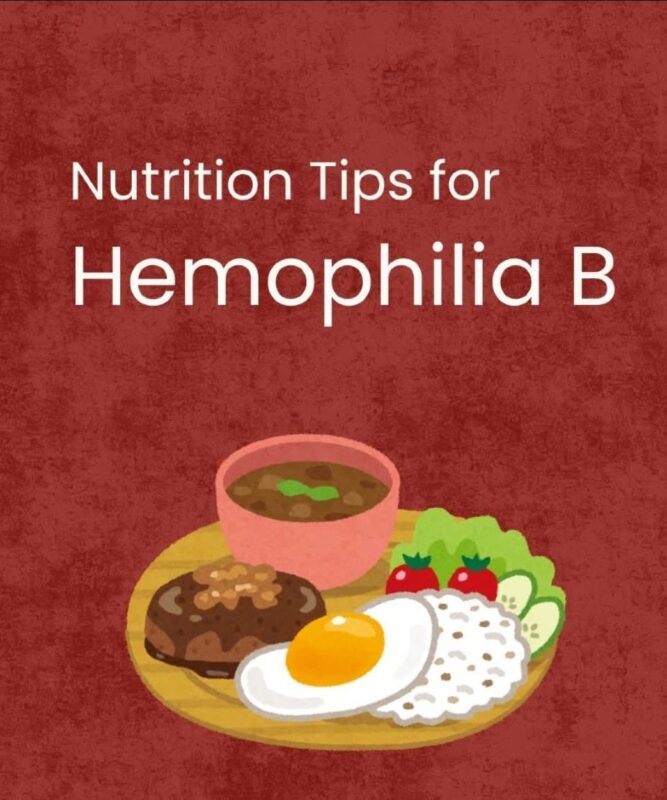
”While there isn’t any specific dietary strategy for managing hemophilia B, there are some key nutrition guidelines that can help improve the health of your body, and your blood.
A hemophilia B diet can provide nutrients that may help lower the risk of bleeding episodes and promote healing, such as iron for forming red blood cells and vitamin K for blood clotting, along with other important nutrients that can help with tissue repair and reducing inflammation.
To learn about the best dietary choices for your specific needs, consult a registered dietitian or nutritionist familiar with hemophilia B.
The importance of diet for people with hemophilia B and other also.
There are several goals for improving nutrition when it comes to living with hemophilia B and others.
They are to:
- improve the blood’s ability to clot
- offer the main nutrients needed for red blood cell production
- maintain a healthy weight
Please visit for your contribution and making positive change in bleeding disorders community and cross India www.hemophilia.in”
Stay updated with Hemostasis Today.
-
Oct 9, 2026, 16:23David Boone: Distinguishing Stroke Prevention from Rhythm Control in Atrial Fibrillation
-
Oct 9, 2026, 15:27Mohamed Hegazi: Geostatistical Modelling Maps Global β-Thalassaemia Carrier Prevalence
-
Oct 9, 2026, 15:15Maha Othman: Uncovering the Consensus on TXA in TBI – Call for Collaboration on a Landmark Umbrella Review
-
Oct 9, 2026, 15:07Daniel D. Han: How Inhalation Product Exposure Impairs Cardiac and Platelet Recovery After MI
-
Oct 9, 2026, 14:58William Toole: How Ultrasound-Guided PRP Therapy Relieves Joint and Tendon Pain
-
Oct 9, 2026, 14:50Shayan Mohammadmoradi: In Corpus Christi for the 20th Midwest Platelet Conference
-
Oct 9, 2026, 14:37Tariq Tramboo: High Platelet Concentrate for Osteoarthritis Knee – Recent Meta-Analyses
-
Oct 9, 2026, 14:26Yousma Khan: Hematology Series – Beyond RBCs, WBCs and Platelets
-
Oct 9, 2026, 14:13Jesus Ardila Novoa: Why the WHO’s Historic Essential Medicines List Decision Is Just the Beginning