


Vincentius Liong: Your Heart Might Thank You For Skipping Breakfast
Vincentius Liong/Leong, Business Advisor at VL Business Consulting Services, shared on LinkedIn:
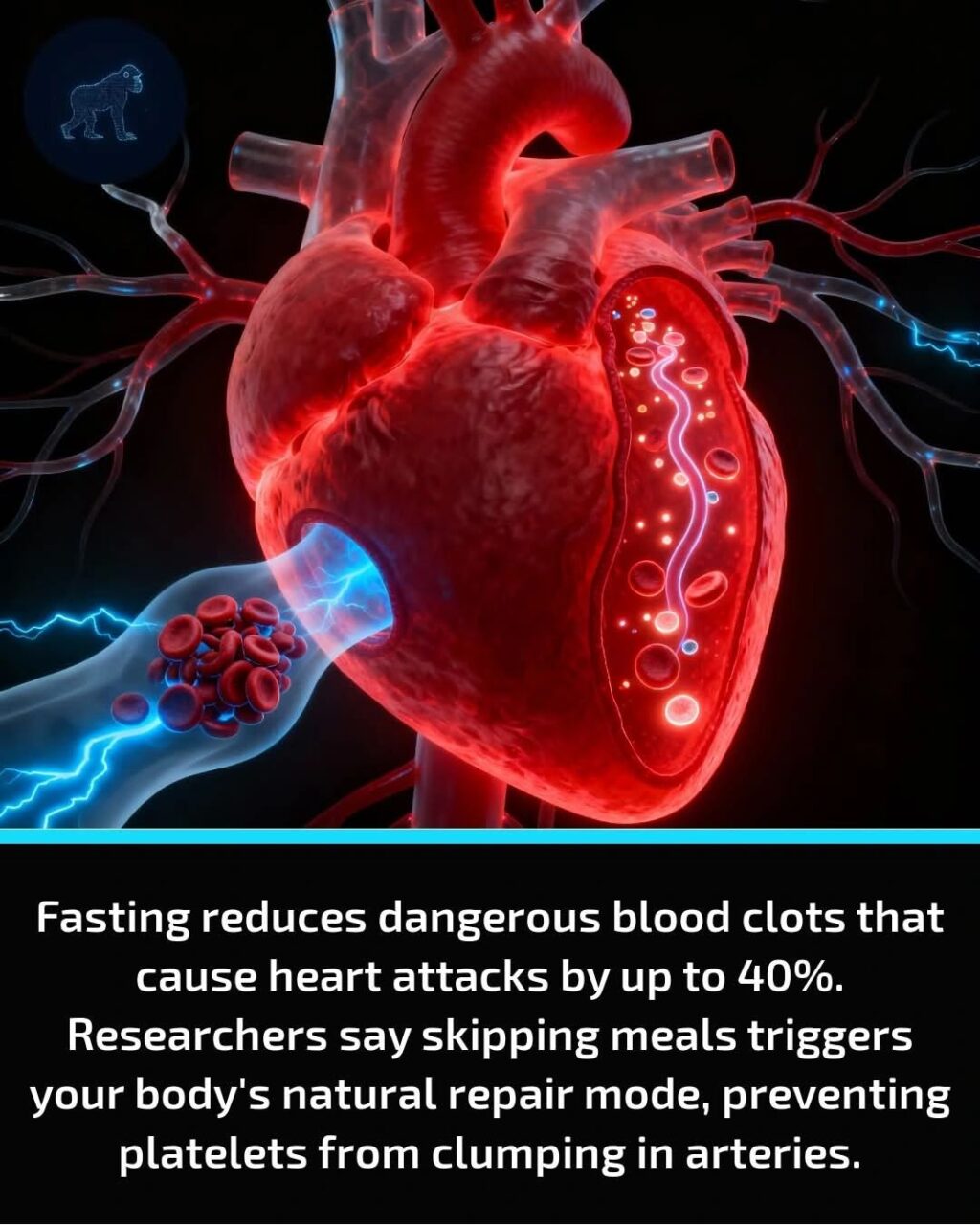
“Your heart might thank you for skipping breakfast.
New research shows that strategic fasting doesn’t just trim your waistline, it could literally save your life by preventing the blood clots that trigger heart attacks.
Scientists have uncovered how giving your body periodic breaks from food activates powerful internal healing mechanisms that keep your cardiovascular system running smoothly.
———
The science behind this is fascinating.
When you fast, your body shifts into a protective state that goes far beyond simple calorie restriction. Researchers found that during fasting periods, levels of inflammatory markers and harmful triglycerides drop significantly, which directly prevents platelets from sticking together and forming the deadly clots that block arteries.
What makes this particularly exciting is that the benefits extend throughout your entire metabolic system. Studies show that intermittent fasting improves insulin sensitivity by up to 31%, helps balance LDL and HDL cholesterol levels, and reduces oxidative stress on blood vessels. Your body essentially uses the fasting window to clean house, clearing out cellular debris and repairing damage that accumulates from constant eating.
The most compelling evidence comes from a 2023 study published in the journal Nature Metabolism, which tracked over 2,000 participants practicing time-restricted eating. Those who fasted for 14-16 hours daily showed a 40% reduction in cardiovascular events compared to those eating throughout the day. However, experts stress this isn’t about extreme deprivation. The key is controlled, consistent fasting paired with nutrient-dense meals during eating windows.
Before starting any fasting regimen, consult with a healthcare provider, especially if you have diabetes, blood pressure issues, or take medications. When done properly under guidance, fasting could be one of the most accessible tools we have for preventing heart disease.
Sources and References:
Nature Metabolism Journal, American Heart Association, National Institutes of Health Cardiovascular Research Division.
Read and learn more:”
Stay updated with Hemostasis Today.
-
Oct 10, 2026, 11:32Thrombus Age Assessment Through Advanced Imaging and Biomarkers
-
Oct 10, 2026, 10:55Tzu-Fei Wang: How Should We Approach Anticoagulation for Cancer-Associated Gonadal and Renal Vein Thrombosis?
-
Oct 10, 2026, 10:50Robert Sidonio Joins ATHN Advanced Clinical Research Fellowship Program
-
Oct 10, 2026, 10:45Federica Fogacci: Co-Moderating at CA Meet 2026 in Padua – Elevating Lifestyle Interventions in Cardiology
-
Oct 10, 2026, 10:40Juan Cristóbal Morales Muñoz: Pharmacokinetic Profiling of Factor VIII Concentrates in Chilean Patients
-
Oct 10, 2026, 10:32Randall Schaefer: What Do Blood Product Wastage Rates Really Tell Us in Prehospital Care?
-
Oct 10, 2026, 10:26Simone Strasser: ROTEM-Guided Transfusion Cuts Blood Product Use in Patients with Cirrhosis
-
Oct 10, 2026, 10:18Jérôme S.: WHO Launches Global Roadmap to Combat Hypertensive Disorders of Pregnancy
-
Oct 10, 2026, 10:07Maha Othman: Look Forward to an Amazing ISTH 2027 in Vancouver!