

Sreeni Sivan Pillai: Preventing Thrombophlebitis and Upper Limb DVT in PICC Lines
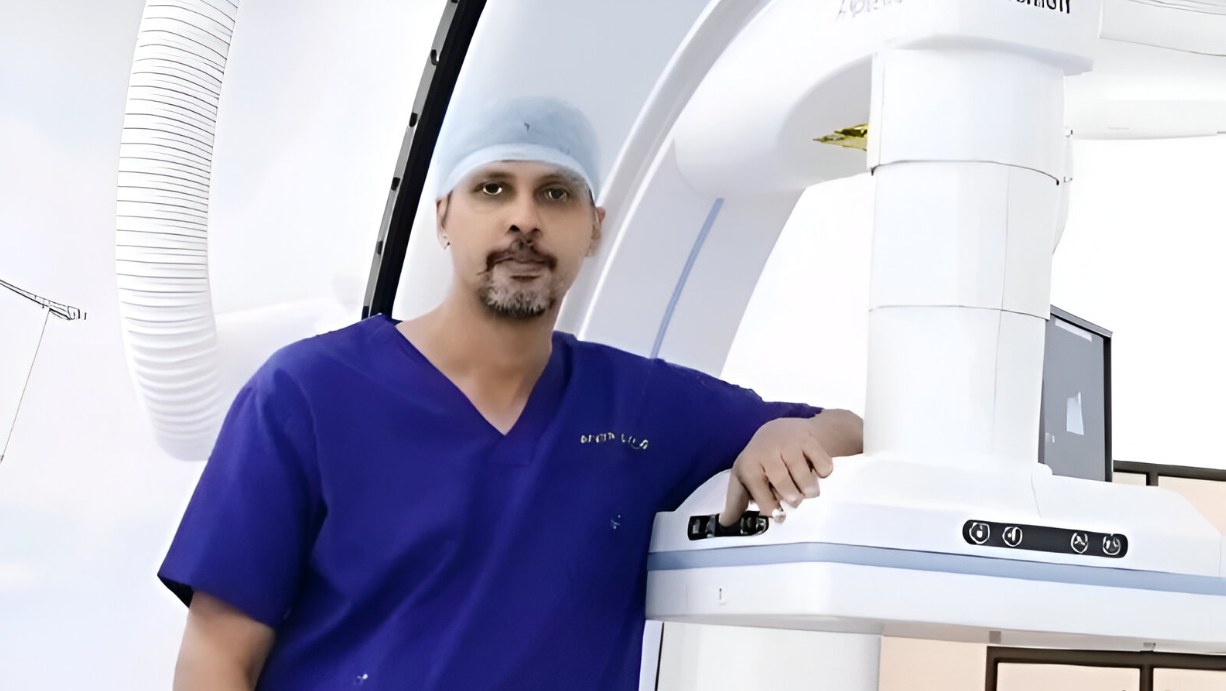
Sreeni Sivan Pillai, Technical Incharge/Interventional and Endovascular Radiology Systems Strategist, Outcome Architect at Narayana Health, posted on LinkedIn:
“Preventing Thrombophlebitis and Upper Limb DVT in PICC Lines
A Hemodynamically Intelligent & Vein-Priority Approach
PICC complications are never random—they are hemodynamic failures driven by endothelial injury, altered shear stress, and venous stasis. When we respect venous biology, thrombosis becomes a preventable event.
1. Respect the Catheter–Vein Ratio (<45%)
More than 45% lumen occupation reduces shear stress, disrupts laminar flow, and creates micro-eddies that trigger thrombosis.
Big catheter + small vein = predictable endothelial stress.
2. Basilic Vein First—But Not Always Available
Basilic is ideal due to diameter, straight course, and fewer valves.
However, in many patients it may be small, thrombosed, scarred, or inaccessible.
When Basilic Is Not Available (Expert Strategy)
A) Second Choice: Larger Brachial Vein
Choose the dominant brachial vein.
Maintain CT ratio <45%.
Advance gently—brachials have paired flow and more valve-induced stagnation zones.
B) Third Choice: Cephalic Vein (Only If Adequate)
Use only if diameter is sufficient and no tortuous segments.
Beware resistance at the deltopectoral groove.
C) Last-Resort Upper-Limb Options
Axillary vein (ultrasound-guided, single-wall puncture).
Avoid blind subclavian due to stenosis risk.
D) If all upper-limb veins are marginal:
A tunneled internal jugular catheter is safer than forcing a PICC into an inadequate vein.
The vein you choose determines the thrombus you prevent.
3. Atraumatic Ultrasound-Guided Entry
Multiple punctures activate endothelium via vWF release and platelet adhesion.
A single, clean US-guided entry keeps the vein biologically quiet.
4. Tip Position at CAJ
The cavo-atrial junction offers high-velocity washout, minimal stasis, and the lowest fibrin-sheath risk.
Mid-SVC tips increase turbulence → thrombus formation.
5. Maintain Flow Integrity
*Positive-pressure flushing
*Avoid reflux
*Avoid irritant drugs through micro-lumens
*Keep lumen purity to prevent fibrin tail formation
6. Early Limb Surveillance
Daily check for: mild edema, warmth, track tenderness, increased flush resistance.
These micro-signs precede clinically evident thrombosis.
7. Patient Physiology
Good hydration enhances venous return; limb mobilization activates the muscle pump; correcting systemic hypercoagulability reduces clot tendency.
8. Anticoagulation—Selective, Not Routine
Reserve LMWH for high-risk phenotypes: active malignancy, prior CR-DVT, thrombophilia, or persistently high fibrinogen states.
A PICC is a negotiation between technology and venous biology.
When we respect vein size, flow physics, tip dynamics, and endothelial behavior, thrombosis prevention stops being luck—it becomes science.”
Stay updated with Hemostasis Today.
-
Sep 23, 2026, 14:50Mbonjo Bitsie Dora: Strengthening Sickle Cell Care Through Education, Awareness and Innovation
-
Sep 23, 2026, 13:58The New B12 Diagnostic Algorithm: From Serum Cobalamin to Functional Deficiency
-
Sep 23, 2026, 13:56Noha Soror: Preparing for Hematology and Medical Oncology Board Certification
-
Sep 23, 2026, 13:46Ugochi Ogu: What Can Platelet Proteomics Reveal about Pain and Neurocognitive Vulnerability in Sickle Cell Disease?
-
Sep 23, 2026, 13:42Melissa Hollo: Connecting Obesity and Anemia for Earlier Maternal Risk Intervention
-
Sep 23, 2026, 13:16Beverley Hunt: Advances in Haemostatic Management of Postpartum Haemorrhage
-
Sep 23, 2026, 13:13Ioanna Mela: Recruiting a Research Associate on DNA nanotechnology
-
Sep 23, 2026, 13:04Ben Samelson-Jones: Do Gene Variants Drive PK Differences in FIX-Fusion and N9-GP Therapies?
-
Sep 23, 2026, 12:57Shelly Reed: Advocating for HTCs and CDC Funding with the Hemophilia Federation of America