

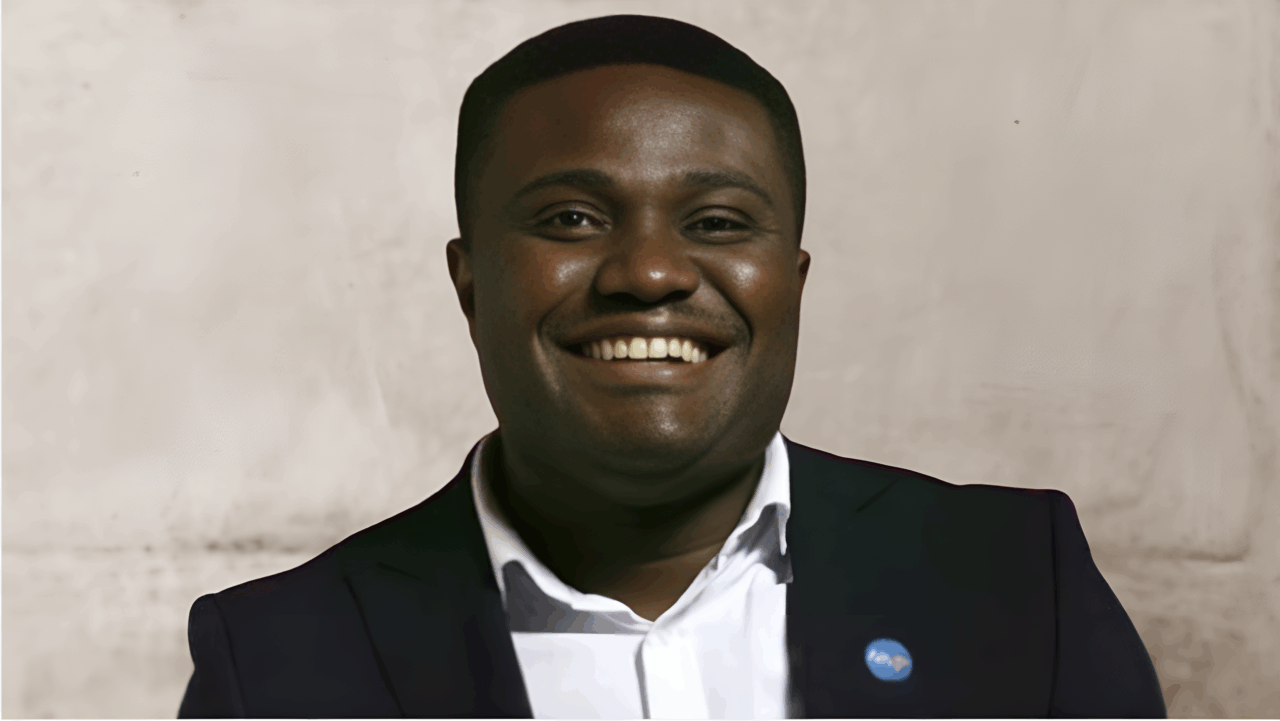
Paul Bolaji Invites You to Nigerian Stroke Leaders’ Summit 2025
Paul Bolaji, Education Lead (Stroke Services) at Dorset County Hospital NHS Foundation Trust, shared on LinkedIn:
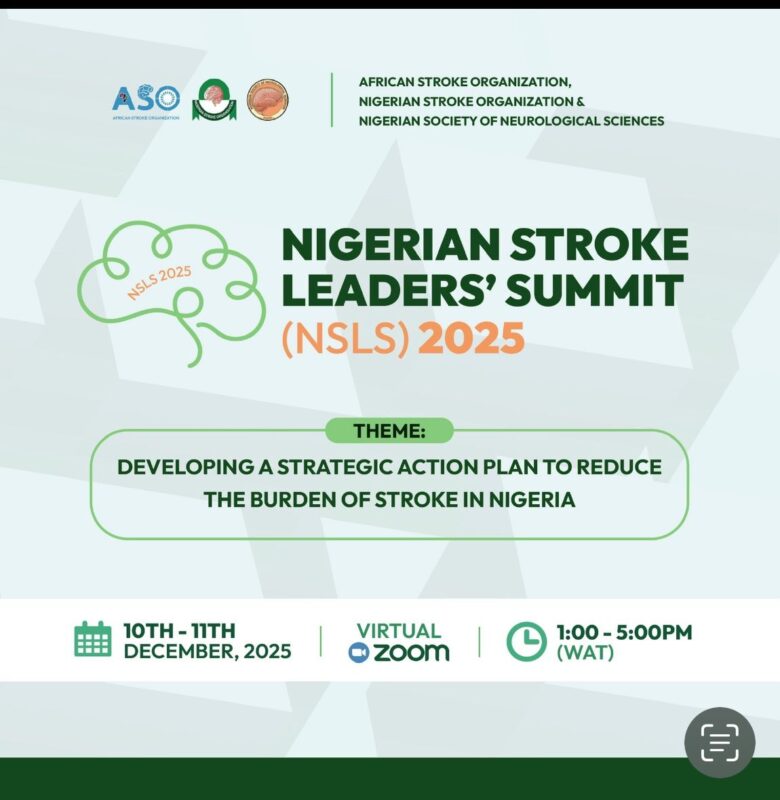
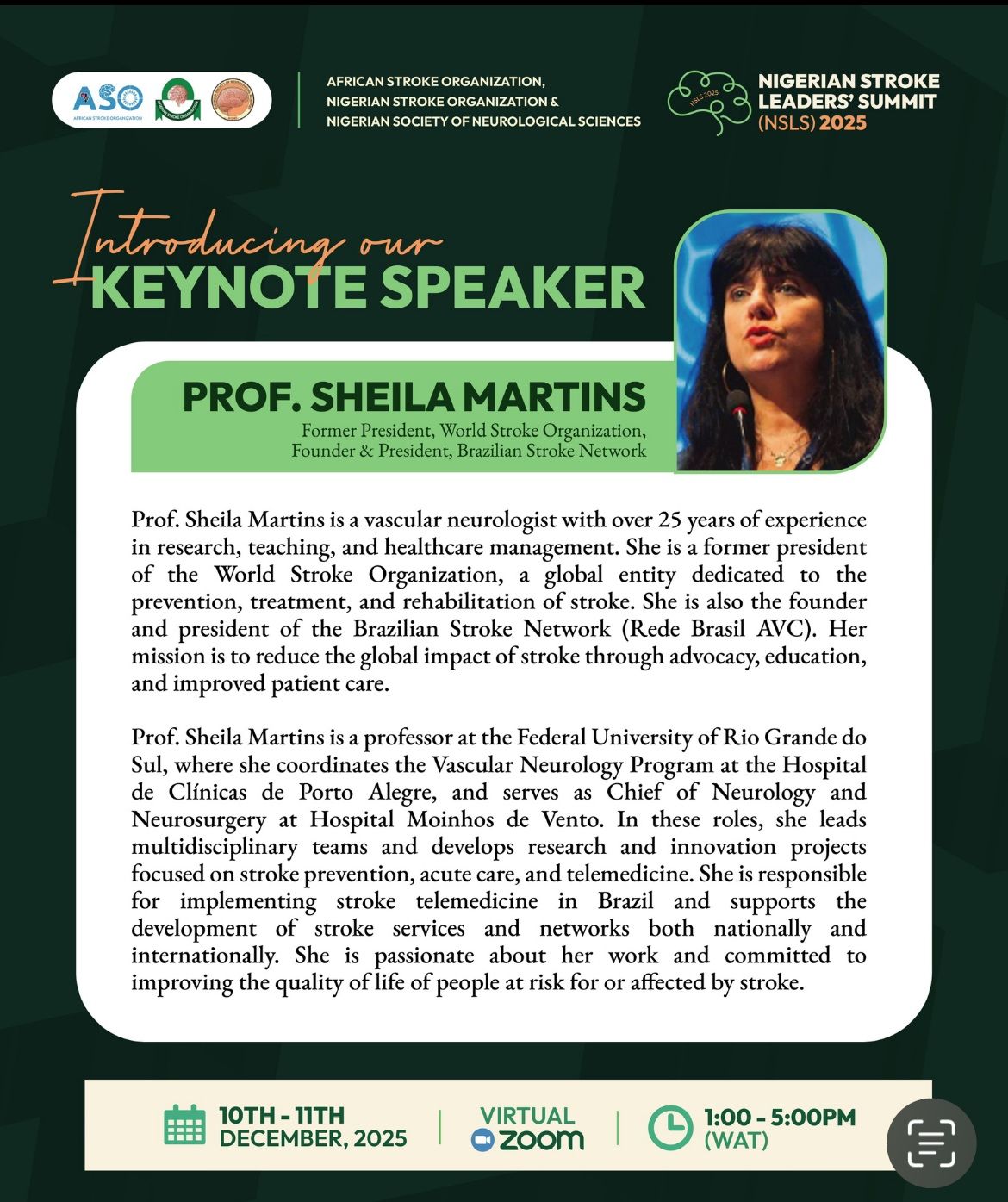
”Nigerian Stroke Leaders’ Summit 2025
Calling Stroke Leaders Across Nigeria!
Are you a changemaker in stroke care?
From prehospital response to acute care and rehabilitation your voice matters!
It’s time for us to come together and transform stroke care in Nigeria.
Join fellow leaders, Neurologists, Clinicians, Surgeons involved in Stroke Care, Stroke therapists, Stroke Nurses, Stroke advocates, and innovators as we deliberate and build solutions to improve stroke outcomes nationwide
Dates: 10–11 December 2025
Time: 1:00 PM – 5:00 PM (WAT)
Venue: Virtual (Zoom)
Pls do message me personally if you are a stroke leader in Nigeria to get access to the link
Hosts and Organisers
• Nigerian Stroke Organization (NSO)
• Nigerian Society of Neurological Sciences (NSNS)
• African Stroke Organization (ASO)
Do you want to improve stroke care in Nigeria?
Are you ready to be part of the change?
Then this is your moment.”
Stay updated with Hemostasis Today.
-
Sep 24, 2026, 18:43Hugh Nguyen: Honored to Accept the Friend of Singapore Red Cross Award
-
Sep 24, 2026, 18:42Titilope Fasipe: Proud to Support American Society of Hematology’s SCD Initiative
-
Sep 24, 2026, 18:34Ifeanyichukwu Ifechidere: Why Coagulation Samples Can Be “Too Valuable to Throw Away”?
-
Sep 24, 2026, 18:33Aswin K. Mohan: When a Superpower Hears the Call for Blood
-
Sep 24, 2026, 18:31Mercy Lung’aho: Anemia Is Not Only An Iron Problem
-
Sep 24, 2026, 18:29Nick Hanson: Before a Dementia Diagnosis Check Vitamin B12
-
Sep 24, 2026, 18:28Rachel McBryan: Nearly One in Five Older Canadians Has Low Vitamin B12
-
Sep 24, 2026, 18:27Kemal Karaagac: Early DOAC Initiation After Acute Ischaemic Stroke in Atrial Fibrillation
-
Sep 24, 2026, 18:26Mohammed A. AlOmar: What Characterizes Young Stroke in the UAE?