

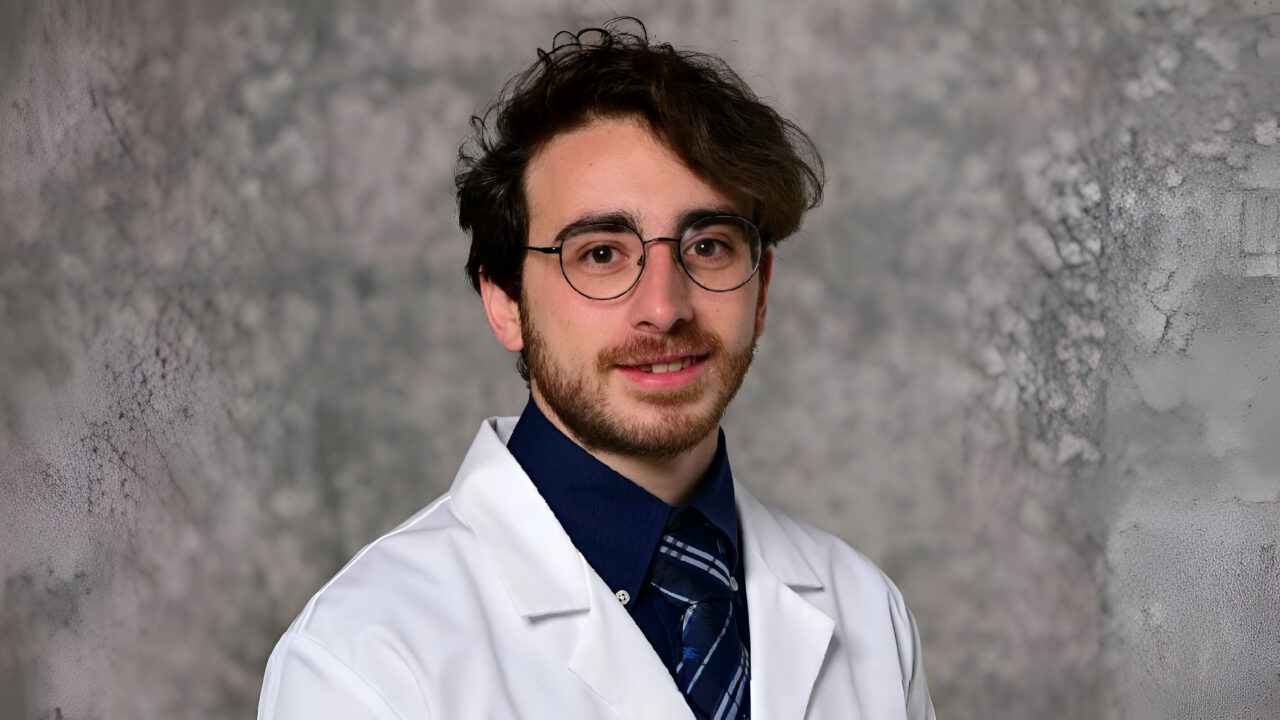
Claudio Laudani on Comparison of Target and Non-target Vessel Revascularization for Recurrent ACS
Claudio Laudani, Cardiovascular Disease Fellow UNICT, Post-Doc Research Scholar UFHealth JAX, shared on LinkedIn:
”Patients undergoing repeat revascularization for recurrent acute coronary syndrome represent a particularly high-risk population, yet limited data exist on whether outcomes differ between target-vessel and non-target-vessel revascularization.
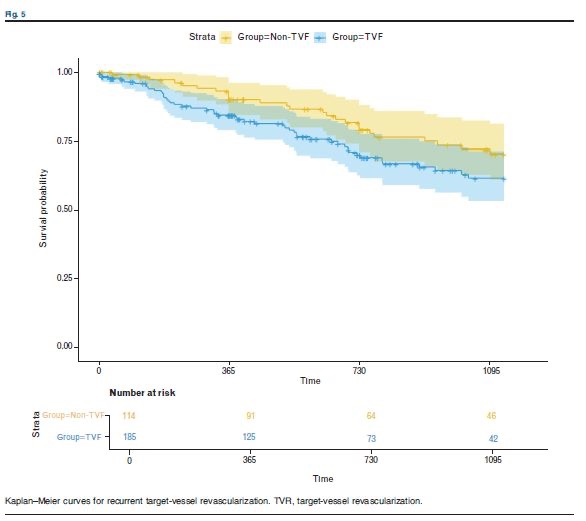
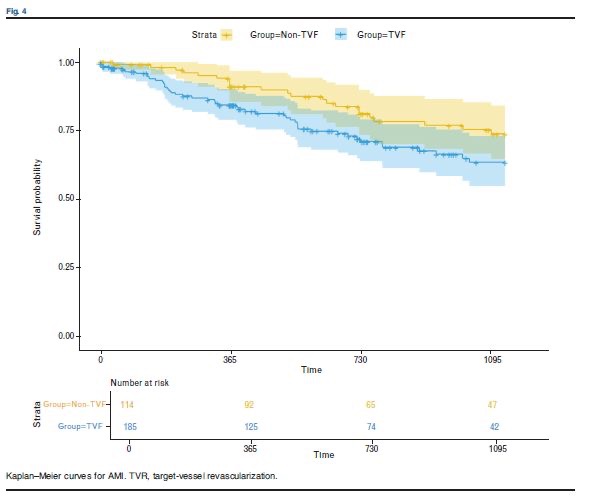
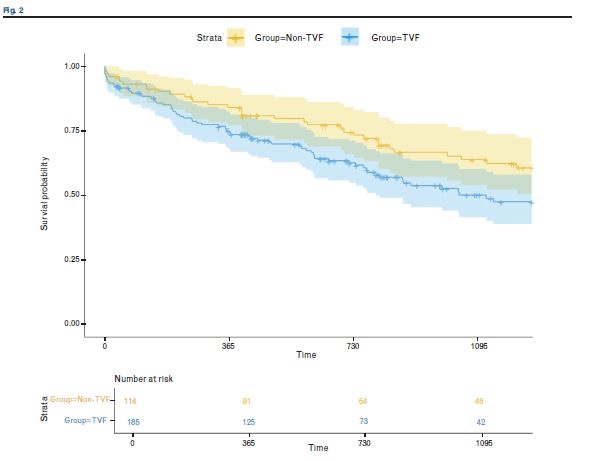
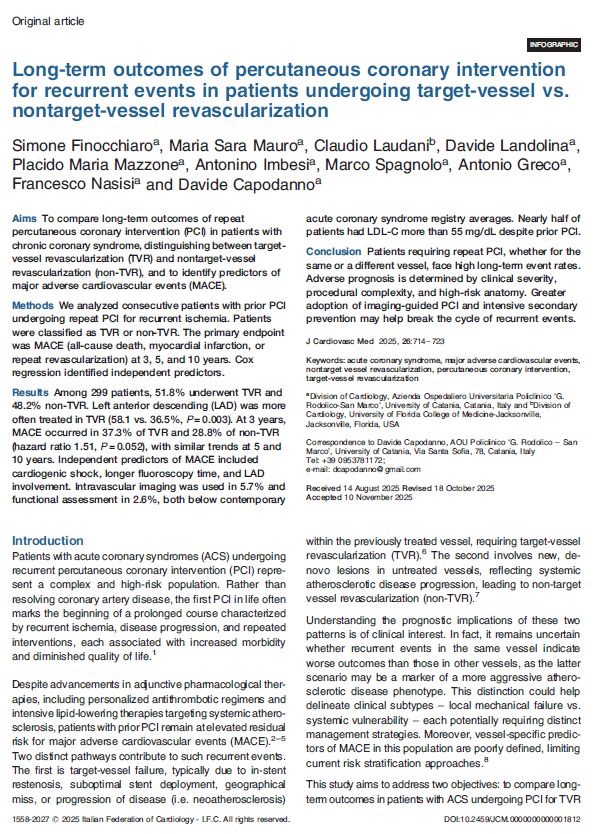
In our latest study from the CAST Registry, published in Journal of Cardiovascular Medicine, we analyzed 299 patients undergoing repeat PCI for ACS, and compared the long-term outcomes of patients undergoing TVR vs. non-TVR.
Alos, we explored the predictors of long-term adverse events in this high-risk population.
In our study, we found that:
- Patients undergoing repeat PCI for ACS represent a very high risk population, with most of the patients presenting with not at target LDL levels.
- This high thrombotic risk is also reflected in the follow-up event rate, as MACE rates were as high as 37% at 3 years.
- There were no significant differences between TVR and non-TVR, suggesting that recurrent ischemia is the reflection of a systematic high thrombotic burden phenotype rather than local procedure failure.
- Variables of procedural complexity were the main predictors of long-term events, including cardiogenic shock at presentation, longer fluoroscopy time, and LAD involvement.
Overall, our data highlight that patients undergoing repeat PCI require a more aggressive treatment to prevent long-term adverse events.”
Read the full article here.
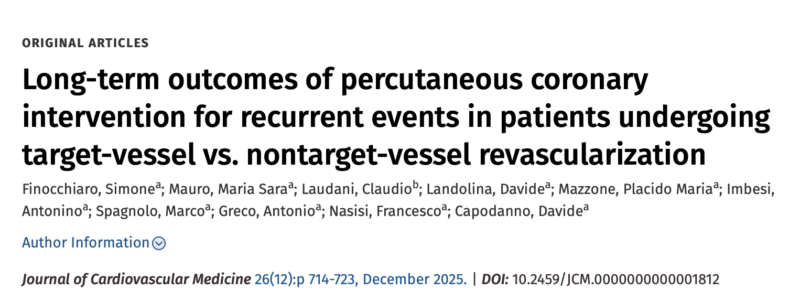
Article: Long-term outcomes of percutaneous coronary intervention for recurrent events in patients undergoing target-vessel vs. nontarget-vessel revascularization
Authors: Simone Finocchiaro, Maria Sara Mauro, Claudio Laudani, Davide Landolina, Placido Maria Mazzone, Antonino Imbesi, Marco Spagnolo, Antonio Greco, Francesco Nasisi, Davide Capodanno
Stay updated on all scientific advances with Hemostasis Today.
-
Oct 7, 2026, 16:44Amor Salah: 2026 NCS/SCCM Guidelines for Managing Antithrombotic-Associated ICH
-
Oct 7, 2026, 16:04NETs in Thrombosis: From Mechanism to Therapeutic Target
-
Oct 7, 2026, 15:28Amir Samimi: Prognostic Value of Platelet Count in Resected HNSCC
-
Oct 7, 2026, 15:21Eloïse Laouenan: Bridging Immunity and Thrombosis in MVTE
-
Oct 7, 2026, 15:10Uthra Sundaram: Honouring Donors During International Plasma Awareness Week
-
Oct 7, 2026, 15:04Daniel Victor Ortigoza: Should Frail Older Patients With AF Switch From VKA to DOACs?
-
Oct 7, 2026, 14:53Susan Noone: Donor Turned Recipient Shares Lifesaving Transfusion Story
-
Oct 7, 2026, 14:49Aimee Burtenshaw: The Impact of the Infected Blood Inquiry on Hospital Transfusion Laboratories
-
Oct 7, 2026, 14:41Vikash Jaiswal: Does Timing Matter for Calcium in Pre-Eclampsia Prevention?