


Ella Lawson: Could Erythritol Harm the Brain’s Blood Vessels?
Ella Lawson, Manager of Logistics Operations at Stryker, shared a post on LinkedIn:
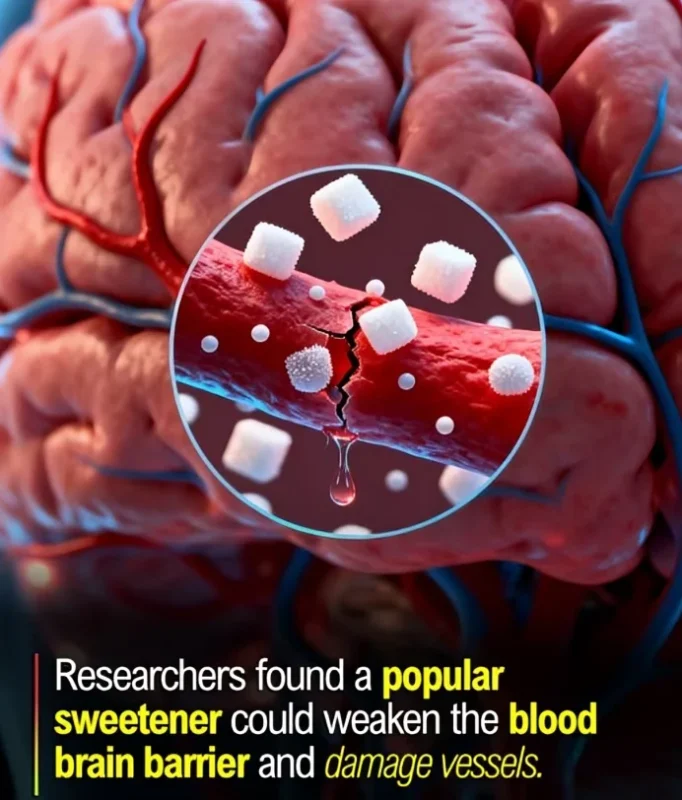
”A new lab study suggests that the sugar substitute Erythritol – commonly used in so-called ‘sugar-free’ or low-calorie foods – may harm the blood-brain barrier and the tiny blood vessels in the brain.
Researchers exposed human brain microvascular endothelial cells (the cells lining the brain’s smallest blood vessels) to amounts of erythritol similar to those found in a single sweetened beverage. They discovered the exposed cells produced significantly more reactive oxygen species (a sign of oxidative stress), generated less nitric oxide (a molecule that allows blood vessels to relax), produced more endothelin-1 (which constricts vessels), and showed reduced release of a key clot-dissolving enzyme. All of these changes are well-known contributors to impaired blood flow, vessel damage, and stroke risk.
While these findings are concerning, it’s important to keep in mind that the study was conducted in lab-grown cells and did not involve living humans. That means it shows a possible mechanism for harm, but does not prove that consuming erythritol at normal dietary levels will definitely cause brain vessel disease or stroke.
Researchers say more human studies are needed. In the meantime, people – especially those with risk factors for vascular or brain diseases—may want to limit the amount of erythritol they consume and consider naturally-derived alternatives like stevia or monk fruit, while focusing on whole-food approaches rather than relying on sugar substitutes.”
Stay updated with Hemostasis Today.
-
Nov 25, 2026, 02:17Ahmad G. Alzahrani: Why Iron Is Low Despite High Ferritin in Inflammatory Anemia?
-
Nov 24, 2026, 15:57100 Years of von Willebrand Disease – From VWF Structure to Clinical Management and Future Directions – Seminars in Thrombosis and Hemostasis
-
Nov 24, 2026, 15:46Matthew Hazell: Rare Blood – Connecting Science with the Patient Experience
-
Nov 24, 2026, 15:23Cold Agglutinin Disease: Beyond Hemolysis Toward Complement-Directed Treatment
-
Nov 24, 2026, 15:19Essama Telli: Recognizing Retiform Purpura as a Sign of Vascular Injury and Thrombosis
-
Nov 24, 2026, 15:11Kerstin Piayda: University Hospital Giessen Performs Europe’s First PE Procedure With Lightning Flash 3.0
-
Nov 24, 2026, 14:55Cecilia Kretz: Evaluating Aspirin-Free Antithrombotic Strategies in HeartMate 3 Patients
-
Nov 24, 2026, 14:54The Future of Global Hemophilia Care and the Impact of the World Health Assembly Resolution
-
Nov 24, 2026, 14:39Andrija Velevski: Why Oxygen Availability Does Not Guarantee Tissue Oxygenation