

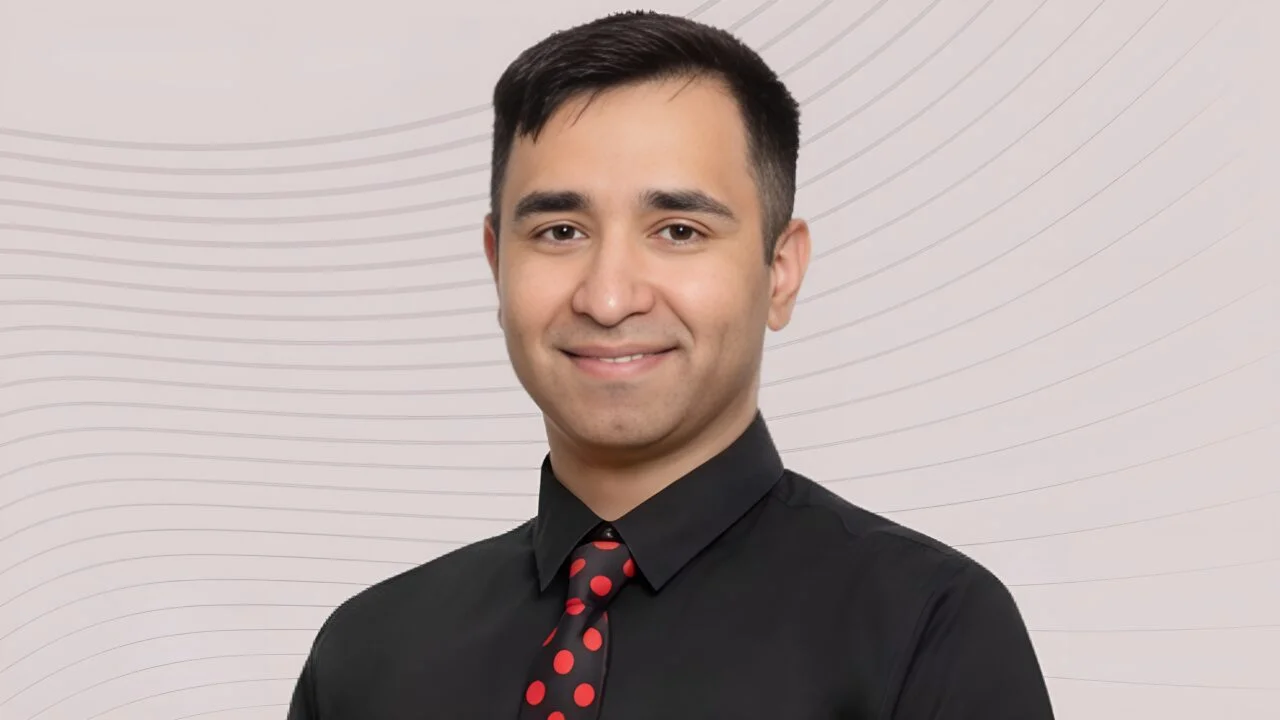
Sheharyar Raza: Examining Guideline Discordance in Evidence-Based Apheresis Recommendations
Sheharyar Raza, Transfusion Medicine Specialist and Data Scientist at University Health Network, shared a post on LinkedIn about a recent article he and his colleagues co-authored, adding:
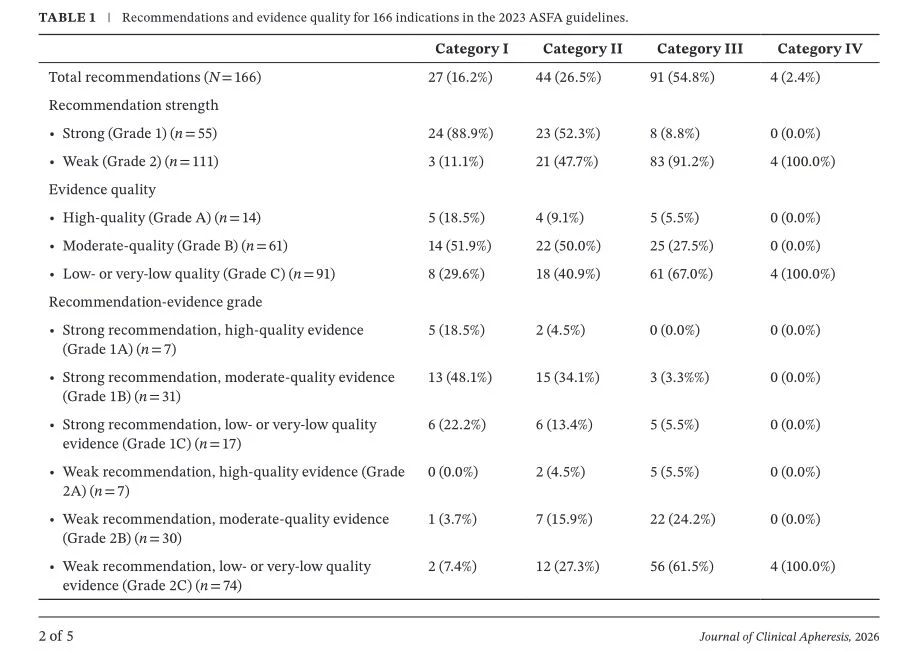
“In evidence based medicine, ‘discordance’ is when recommendations don’t align with evidence, either in strength or direction
Co-authors Jeremy Jacobs, et al examined discordance in the American Society for Apheresis guidelines, widely used to justify which patients should get exchange transfusions. The thrust of our argument is that although some discordance is expected in clinical areas dealing with clinical areas where it is harder to perform large studies (e.g. rare diseases), each instance should be transparently acknowledged and justified to highlight knowledge gaps and uncertainty.”
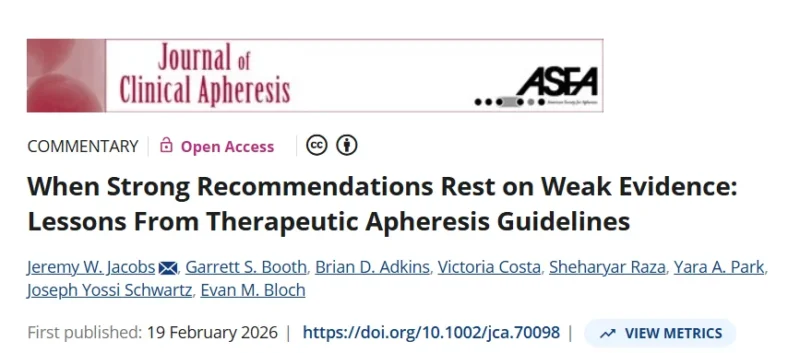
Title: When Strong Recommendations Rest on Weak Evidence: Lessons From Therapeutic Apheresis Guidelines
Authors: Jeremy W. Jacobs, Garrett S. Booth, Brian D. Adkins, Victoria Costa, Sheharyar Raza, Yara A. Park, Joseph Yossi Schwartz, Evan M. Bloch
Read the Full Article on Journal of Clinical Apheresis
More posts featuring Sheharyar Raza on Hemostasis Today.
-
Oct 10, 2026, 10:55Tzu-Fei Wang: How Should We Approach Anticoagulation for Cancer-Associated Gonadal and Renal Vein Thrombosis?
-
Oct 10, 2026, 10:50Robert Sidonio Joins ATHN Advanced Clinical Research Fellowship Program
-
Oct 10, 2026, 10:45Federica Fogacci: Co-Moderating at CA Meet 2026 in Padua – Elevating Lifestyle Interventions in Cardiology
-
Oct 10, 2026, 10:40Juan Cristóbal Morales Muñoz: Pharmacokinetic Profiling of Factor VIII Concentrates in Chilean Patients
-
Oct 10, 2026, 10:32Randall Schaefer: What Do Blood Product Wastage Rates Really Tell Us in Prehospital Care?
-
Oct 10, 2026, 10:26Simone Strasser: ROTEM-Guided Transfusion Cuts Blood Product Use in Patients with Cirrhosis
-
Oct 10, 2026, 10:18Jérôme S.: WHO Launches Global Roadmap to Combat Hypertensive Disorders of Pregnancy
-
Oct 10, 2026, 10:07Maha Othman: Look Forward to an Amazing ISTH 2027 in Vancouver!
-
Oct 10, 2026, 10:02Rucha Patil: National Convening Highlights Opportunities for Equitable Hemophilia Care Across India