


Charles Okyere Boadu: Blood Donation Helps Lower Your Risk of Stroke and Organ Damage
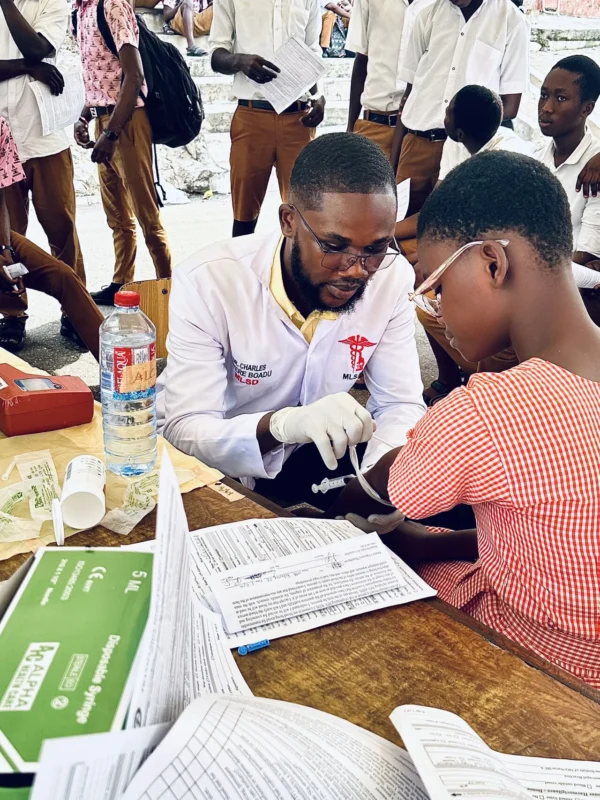
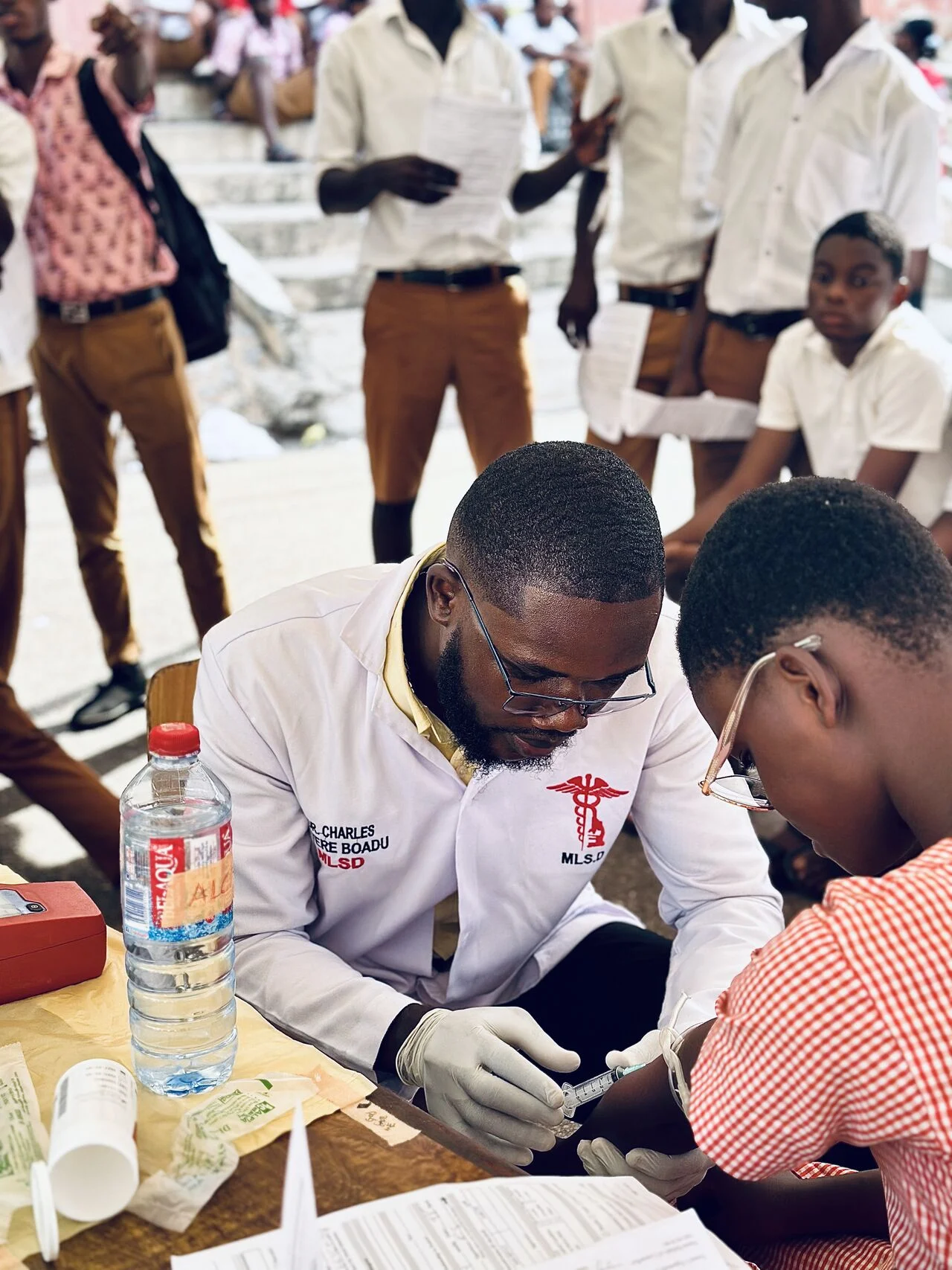
Charles Okyere Boadu, Medical Laboratory Science Student at the University for Development Studies, shared on LinkedIn:
”Donating blood may protect more than patients.
It could help lower the risk of stroke and organ damage in some donors.
We all know that donating blood saves lives for patients battling cancer, undergoing surgery, surviving trauma, or managing chronic illnesses.
But beyond saving others, blood donation can sometimes help save your own life too.
Many people rarely go for routine medical check ups unless they feel sick.
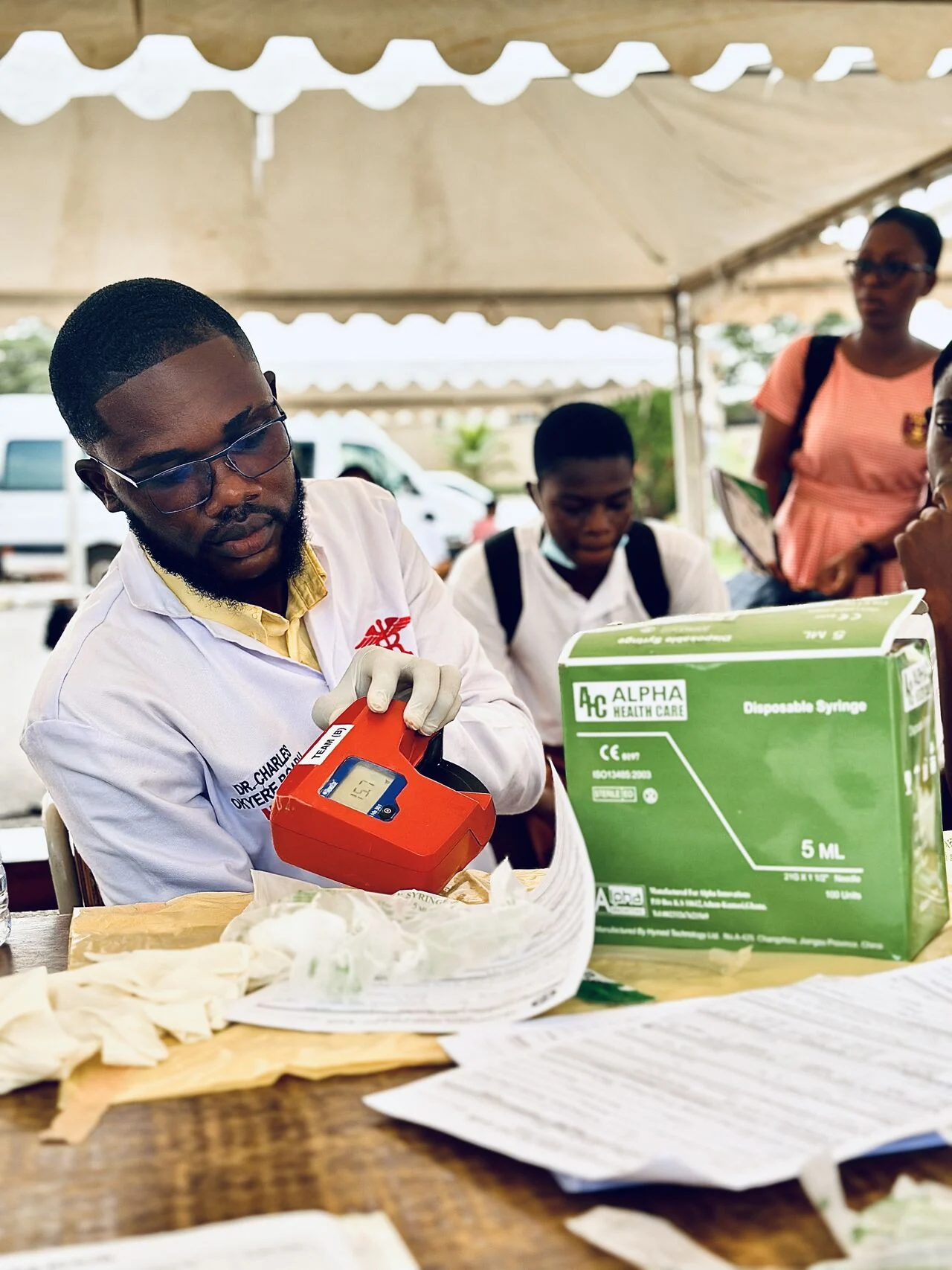
Yet every time you donate blood, you go through a mandatory screening process including a haemoglobin test.
This simple test works like a mini health check and can reveal important clues about your internal health.
For example, some people unknowingly live with Polycythemia Vera, a rare condition where the body produces too many red blood cells.
Most people with this condition has no early symptoms, so it can remain hidden for a long time.
During donor screening, an unusually high haemoglobin level can become an early warning sign.
The laboratory scientist can then prompt the donor to visit the hospital for further checks, monitoring, education, and treatment.
In people diagnosed with Polycythemia Vera, therapeutic venesection is often done to reduce the thickness of the blood and lower the risk of complications.
If this condition is not detected early, the blood can become too thick and lead to life threatening complications such as stroke, heart attack, and other cardiovascular problems.
Imagine walking in to donate blood to save a stranger and discovering a condition that was silently threatening your own future.
The lesson is simple. When you step forward to save a life through blood donation, you may also uncover hidden health conditions that help protect your own life.
Donate blood. Save lives and possibly your own too.”
Stay updated with Hemostasis Today.
-
Oct 20, 2026, 06:45Grant Garcia: Why Does a Blood Clot Diagnosis Immediately End an Athlete’s Season?
-
Oct 20, 2026, 06:35Parag Tamhankar: Landmark Study Reveals Genetic Spectrum and Targeted Therapies for ALPS in the Indian Population
-
Oct 20, 2026, 06:26Nina Houben: Neonatal Blood Transfusion Symposium and PhD Defense
-
Oct 20, 2026, 05:46Jan T. Kielstein: DNP Poisoning and Hemoadsorption The Limits of Rescue Therapy
-
Oct 20, 2026, 05:33Giulia Di Paolo: Connecting Plasma Donation to the Patients Who Depend on It
-
Oct 20, 2026, 05:20James Knowles: Exploring Plasma Manufacturing and Strengthening Industry Collaboration
-
Oct 20, 2026, 05:11Giuseppe Lippi։ Understanding Liver Test Abnormalities After AAV Gene Therapy
-
Oct 20, 2026, 05:02Sanam Loghavi: Test Your Hematology Knowledge at ASH 2026!
-
Oct 20, 2026, 04:13Ifeanyichukwu Ifechidere: DOACs Are Not the Answer to Every Anticoagulation Question