


Marios Georgakis: An Unprecedented for An Antithrombotic Therapy from OCEANIC-STROKE Trial
Marios Georgakis, Research Group Leader and Physician at LMU Munich, Visiting Scientist at Broad Institute of MIT and Harvard University, shared on LinkedIn:
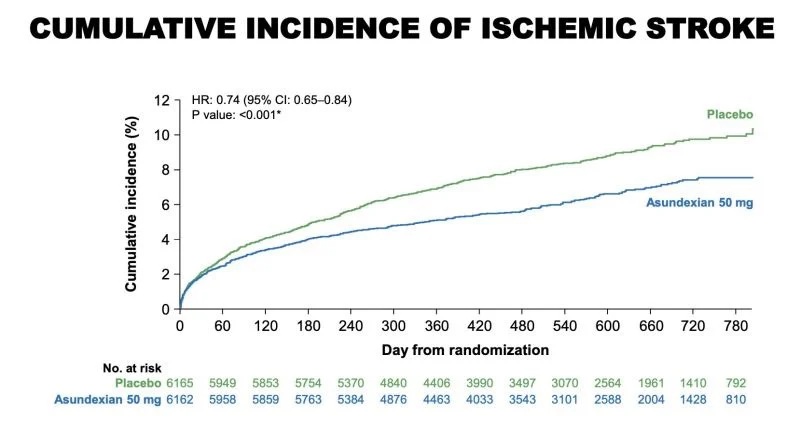
”In another win for genetically validated drug targets, a small molecule factor XI inhibitor on top of antiplatelet treatment, led to significant reductions (HR: 0.74, 95%CI: 0.65–0.84) in risk of recurrent ischemic stroke among patients with a non-cardioembolic ischemic stroke or TIA in the placebo-controlled OCEANIC-STROKE trial (12,327 patients).
As predicted by Mendelian randomization analyses several years ago, the benefit against ischemic stroke was not accompanied by an increase in risk of major bleeding, intracranial bleeding, or even minor bleeding.
This is unprecedented for an antithrombotic therapy.
Also interestingly, human genetic analyses had long supported no effects on myocardial infarction or coronary artery disease risk, which also lines up with the underwhelming available trial data in patients with acute myocardial infarction.”
Stay updated with Hemostasis Today.
-
Oct 7, 2026, 16:44Amor Salah: 2026 NCS/SCCM Guidelines for Managing Antithrombotic-Associated ICH
-
Oct 7, 2026, 16:04NETs in Thrombosis: From Mechanism to Therapeutic Target
-
Oct 7, 2026, 15:28Amir Samimi: Prognostic Value of Platelet Count in Resected HNSCC
-
Oct 7, 2026, 15:21Eloïse Laouenan: Bridging Immunity and Thrombosis in MVTE
-
Oct 7, 2026, 15:10Uthra Sundaram: Honouring Donors During International Plasma Awareness Week
-
Oct 7, 2026, 15:04Daniel Victor Ortigoza: Should Frail Older Patients With AF Switch From VKA to DOACs?
-
Oct 7, 2026, 14:53Susan Noone: Donor Turned Recipient Shares Lifesaving Transfusion Story
-
Oct 7, 2026, 14:49Aimee Burtenshaw: The Impact of the Infected Blood Inquiry on Hospital Transfusion Laboratories
-
Oct 7, 2026, 14:41Vikash Jaiswal: Does Timing Matter for Calcium in Pre-Eclampsia Prevention?