


Rare Diseases, Plasma-Derived Medicines and the Elephant in the Room – Part 1
As 2026 unfolds and the echoes of New Year’s resolutions die away among the hills and valleys of the Land of Good Intentions, the year’s Conference Calendar, again, begins to fill up.
As World Rare Disease Day fast approaches, conference delegates are sharpening their pencils and polishing their PowerPoints.
As in so many years before, this will be a time for reflection. Perhaps, this year, at last, there may be serious discussion of the Elephant in the Room. If not, another long year of discussions, deliberations, presentations and pronouncements will threaten to drag us all the way to December without ever even mentioning the poor creature.
“Who or what exactly is this Elephant?” you ask.
He’s Relph, the “Reality Elephant”. He, and apparently only he, is deeply aware that all the sound and fury of erudite medical, scientific, social and political deliberation over the last 40 years has still left more than 200 million rare disease sufferers in this World struggling along without the benefit of the plasma-derived medicines they so badly need. Relph knows that the root cause is a global shortage of suitable plasma.
He, and apparently only he, knows that more than 180 nations collect little or no plasma at all; and that there is only one country in the World (the USA) that collects enough plasma to serve its own patients’ needs with anything left over to help others. Relph knows that global plasma medicines supply is less than one quarter of what’s needed. He, and apparently only he, mourns the consequent global suffering and death.
In a nutshell, there are some 7,000 afflictions categorised as “Rare Diseases” for which treatment with one or other of some 20 different plasma-derived medicines is appropriate. (Summary in Fig (i) below.)
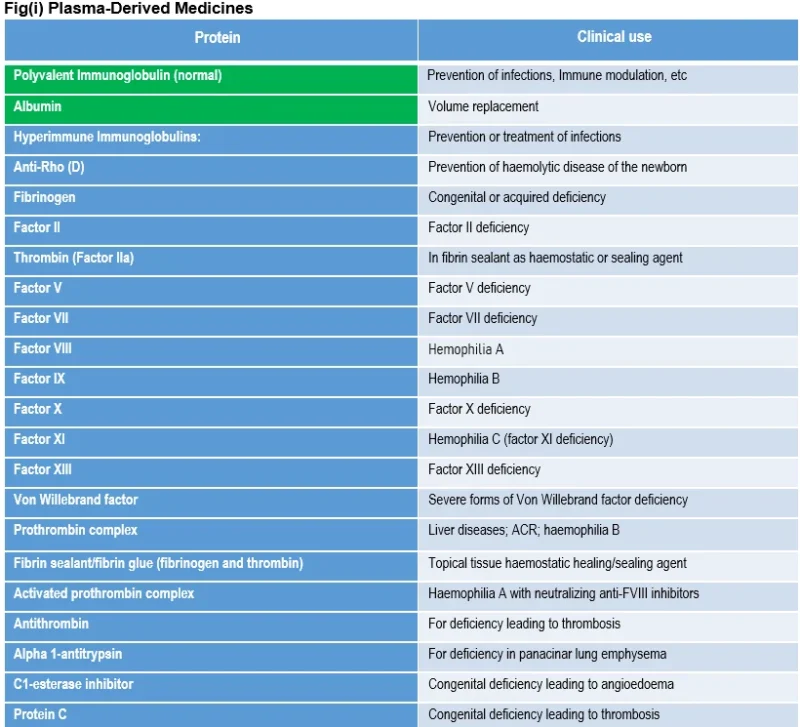
These vital medicines can only be made from human blood plasma. No plasma – no medicine. Unfortunately, for over 80% of those in need, globally, that is the cold hard reality. The World collects so little plasma that the vast majority of patients and undiagnosed sufferers get little or no help at all.
Taking Immunoglobulin as the prime illustrative example, Fig (ii), below, sets out a recent estimate of the global situation with respect to the availability of this vital rare disease treatment, made from precious human plasma.
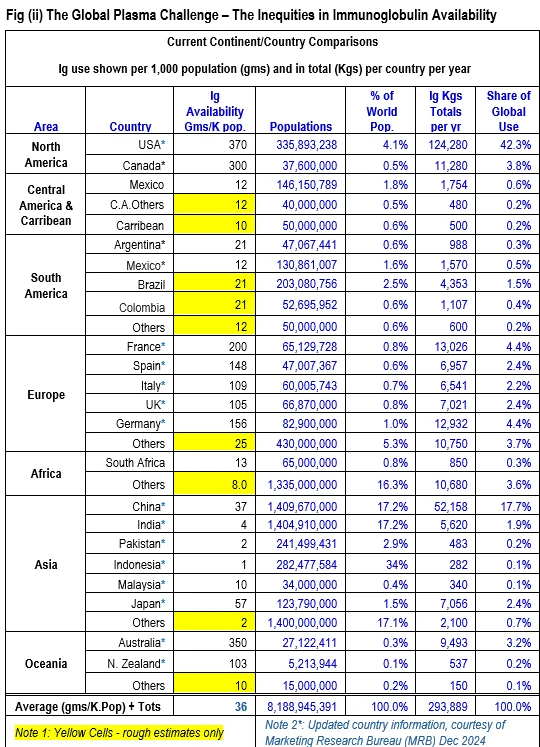
As can well be imagined, these disparities in Immunoglobulin availability are causing suffering and death in many parts of the World, on a daily basis. So, that deeply unacceptable situation must surely be under urgent consideration, with decisive corrective action already planned – yes? Well, sadly no, not really. Despite valiant efforts by many parties over the last 40 years, the problem has proven to be stubbornly intractable.
Decisive action is talked about a lot. Conference brochures tell of “exciting discussions” and “encouraging exchanges of views”. Reports emerge announcing fine visions of improved patient care, just around the corner. Yet, the number of unserved and under-served patients just rises steadily, year after year. The global plasma harvest remains pitifully inadequate.
That is what concerns Relph. It’s apparently impolite to mention him – undiplomatic to the point of rudeness to use words like “suffering” and “death” – let alone point out clearly and honestly just how many tens of millions of people are affected. But if the World cannot bring itself to face up to present realities, there can surely be little hope of improving the dire situation in which so many millions of patients find themselves, can there?
This note is intended as the first in a short series of musings on the subject. The author’s hope is that before the next edition appears, others with an interest in the field may offer Relph some good news to encourage him to believe that
- he has actually been noticed, and
- concrete action plans are in fact afoot, to correct the sad global state of affairs of which Relph is so conscious – and from which so many patients are suffering and dying, with every day that corrective action is postponed.
Hopefully, those points can then be incorporated in “The Elephant in the Room – Part 2”.
Please bring it on!!
Written by David McIntosh, Founder and Chair at United Plasma Action.
Stay updated with Hemostasis Today.
-
Oct 10, 2026, 17:58Archo Farzana Batool: Exploring Medical Writing Through an Article on Iron Deficiency Anemia
-
Oct 10, 2026, 17:53Assessing Frailty in Adults With Hemophilia – JTH
-
Oct 10, 2026, 17:52Fatma Sadeghi: Reducing Maternal Health Inequalities Through Nursing Advocacy
-
Oct 10, 2026, 17:50Grzegorz Hensler: How Apheresis Transformed Blood Cell Separation and Collection
-
Oct 10, 2026, 17:47Hemant K Sharma: Japan’s Universal Artificial Blood Research – A Potential Breakthrough in Transfusion Medicine
-
Oct 10, 2026, 17:40John Strouse: Learning About Bleeding Disorders and Sickle Cell Disease at FWGBD
-
Oct 10, 2026, 17:34Mae Caime: Speaking at the Annual Women’s Retreat for the Hemophilia Community in Florida
-
Oct 10, 2026, 17:30Chokri Ben Lamine: PNH beyond the Textbook Triad
-
Oct 10, 2026, 17:29Ruah Alyamany: Thrombosis and Anticoagulation in Hematological Malignancies at SOHO KSA 2026