

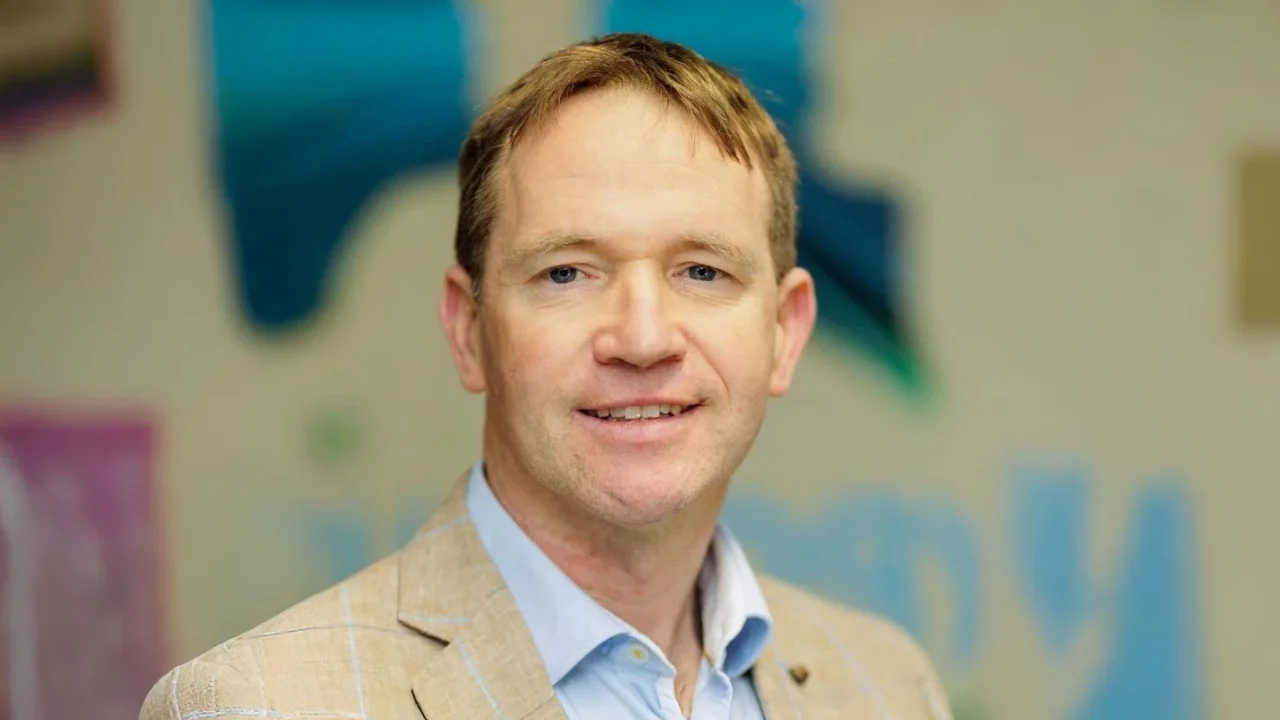
Kenneth Monaghan: Empowering Stroke Survivors’ Self-Efficacy Through Neuroplasticity and Daily Activity
Kenneth Monaghan, University Lecturer at Atlantic Technological University, shared on LinkedIn:
”Improving a stroke survivor’s ‘Self-Efficacy’ at home is a key part of successful long-term recovery.
Two important strategies from Self-Management Programmes are helping survivors understand Neuroplasticity and recognise the powerful role their Home Environment can play in rehabilitation.
Learning that the brain can continue to adapt and recover long after stroke can strengthen confidence and motivation to practise regularly.
At the same time, everyday activities at home provide meaningful opportunities for task-specific movement and repetition, which support recovery.
As discussed in Lights, Mirrors, Action, combining knowledge, belief, and practical home-based activity can empower survivors to take greater ownership of their rehabilitation journey.
This week again my advice comes from my upcoming talk at the European Life After Stroke Forum that is taking place next Monday 9th and Tuesday 10th March in Stockholm, Sweden.
I will be speaking on the Tuesday in a parallel session Titled, ‘Is six months post-stroke the end of rehabilitation?
Challenging limited thinking to maximise potential’.
My talk is the following:
‘Optimising physical recovery when back at home’ and I was thrilled and honoured to be asked.
I currently have a brilliant Postgraduate Researcher who is interviewing stroke survivors prior to their discharge and her work is confirming the concept that a stroke survivor’s ‘Self-Efficacy’ before discharge home (an individual’s belief in their ability to successfully execute actions required to achieve specific goals or outcomes) is a strong predictor of how successful their recovery will be.
Knowing this information suggests that techniques/programme that can improve a stroke survivor’s ‘Self-Efficacy’ should be included prior to discharge.
One recommended programme is a A stroke Self-Management Programme which is about helping your stroke survivor to:
- Feel more in control
- Understand his recovery
- Build confidence through small successes
- Develop daily routines that support progress
Apparently, ‘Self-Efficacy’ improves when a stroke survivor experiences mastery, feedback, and support.
My talk in Stockholm and the advice in this newsletter is 2 very simple practical tips that can be part of a successful Self-Management Programme.
Finally, my song of the week comes from the ROCKY Movie Soundtrack.
It is ‘Take You Back (Street Corner Song)’ written by Bob Valentine. I love that movie!!!
After reading more than 130 popular psychology books (e.g. Matthew Syed, Malcolm Gladwell, Rolf Dobelli) on how to be successful in business and sport, it was clear to see that these successful principles could be applied to stroke-rehabilitation.
Each book in my house has underlined important concepts that relate to practical techniques for teaching stroke rehabilitation to my patients.
I still use these all the time. Today I will give messages from my upcoming talk in Sweden
The Lights – Mirror – Action Newsletter is one of the most popular stroke rehabilitation newsletters in the world.
With almost 3,000 stroke survivors and healthcare Professionals subscribing, each issue contains a piece of practical ‘Caregiver’ Advice, a piece of practical ‘Stroke Survivor’ Advice, and a relevant song from the ‘Stroke Recovery at Home’ Spotify Playlist.
‘You must manage yourself before you can lead someone else.’ — Zig Ziglar
Takeaway Piece:
Improving a stroke survivor’s ‘Self-Efficacy’ at home is a key part of successful long-term recovery.
Two important strategies from Self-Management Programmes are helping survivors understand Neuroplasticity and recognise the powerful role their Home Environment can play in rehabilitation.
Learning that the brain can continue to adapt and recover long after stroke can strengthen confidence and motivation to practise regularly.
At the same time, everyday activities at home provide meaningful opportunities for task-specific movement and repetition, which support recovery.
As discussed in Lights, Mirrors, Action, combining knowledge, belief, and practical home-based activity can empower survivors to take greater ownership of their rehabilitation journey.
Caregiver Advice
Dear caregiver, your stroke survivor is going to have a better recovery if their ‘Self-Efficacy’ (an individual’s belief in their ability to successfully execute actions required to achieve specific goals or handle challenges) improves.
A successful strategy is to engage in a ‘Self-Management Programme’ with them.
This sounds complicated but in reality is composed of very simple advice.
Here is a practical tip that you should be well able to assist;
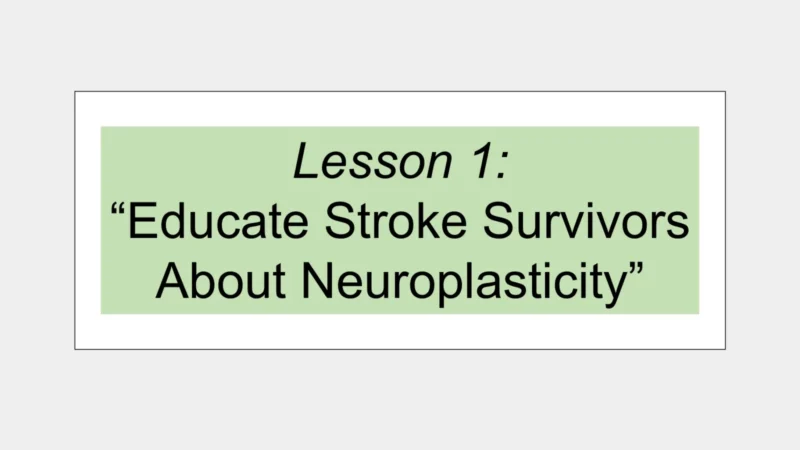
Teach them about ‘NEUROPLASTICITY‘.
There are some excellent videos and infographics created including chapter 5 of Lights, Mirrors, Action’ (The Ever-Changing Brain).
One video that could be useful comes from my YouTube channel.
If your stroke survivor does not understand that their brain can change its shape and create new pathways at any time after a stroke then they are going to find it difficult to keep going for the length of time needed to maximise their recovery.
Explaining neuroplasticity to your stroke survivor is part of a ‘Self-Management Programme’ as it helps them to Understand Their Recovery
For those of you who are really interested in Neuroplasticity and exciting new treatments for recovery after brain injury then you need to read the following book from Norman Doidge called ‘The Brain That Changes Itself‘.
This book literally changed my life!!
Norman, tells us about the ‘Wobblers’ Story where women who had had lost their balance control because they were on an antibiotic (Gentamycin) too long after pregnancy, used a fantastic ‘Sensory Substitution’ device created by Paul Bach y Rita in his research lab to send the brain different sensory information that the brain used to learn to control balance again.
It was a miraculous recovery but certainly is one of many stories in the book proving that your brain really is capable of changing itself.
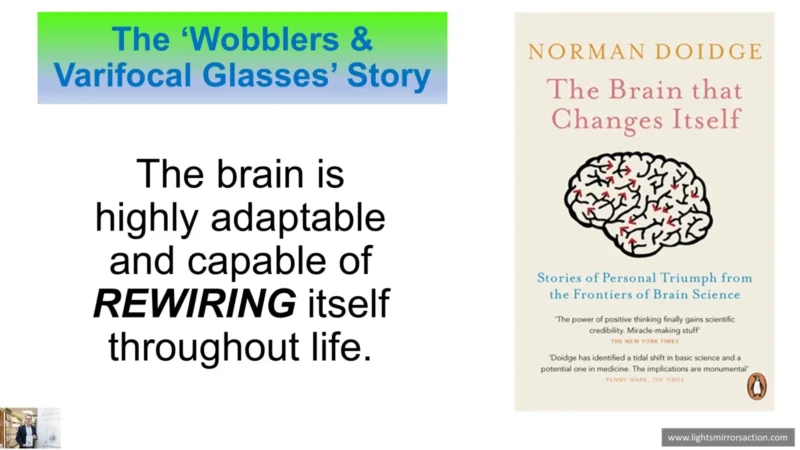
A fabulous and ‘life changing book’
Stroke Survivor Advice
Dear stroke survivor you are going to really improve your ability to recover in your own home because science has proven that your home has huge underestimated advantages for you during this phase of your rehab.
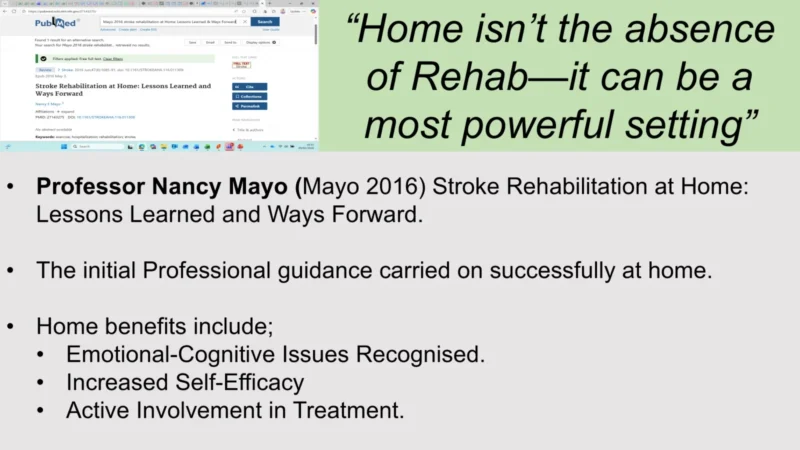
Professor Nancy Mayo from the mc Gill University in Canada wrote a brilliant articles that discusses the kinds of benefits that you might not think of when you step inside your home after being discharged home.
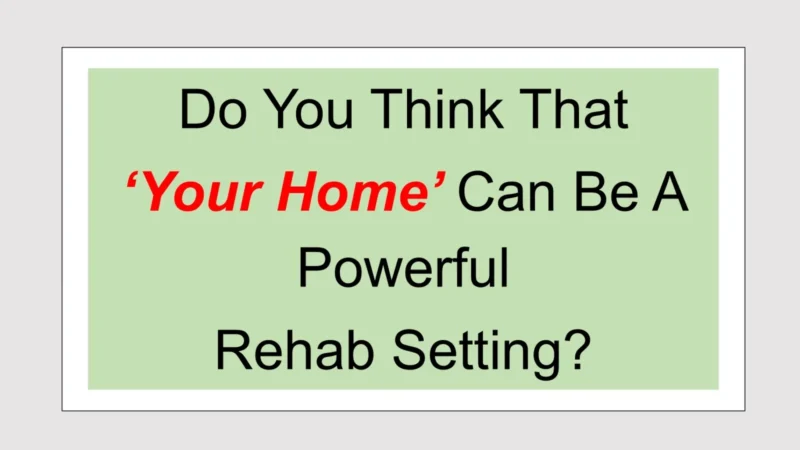
The answer is obviously YES!!
The benefits that Prof Nancy mentions include the fact that at home you start to act and become more of your normal self, emotional and cognitive issues become more apparent which means these can be addressed.
You also tend to become more actively involved in your rehab programme because all the equipment you need is beside you and available all the time and so you get reminded to carry out your programme.
You also will have more ‘Self-Efficacy’ (the confidence to believe that you can achieve things in life) which is certainly going to contribute to a better overall outcome.
However, there is one very interesting fact that is usually not understand, the fact that our brain’s release significantly larger amounts of testosterone (that strengthening/rebuilding hormone) when you are in your home because of the familiarity with the sights, sounds and smells in your own home.
This fact has been discussed in the brilliant by my colleague Professor Ian Robertson (Trinity College Dublin) in his fantastic book ‘The Winner Effect’.
It is also hugely helpful that neighbours and family are available to call in which increases your social contacts.
This is one of the most important things that humans can do to live a long and healthy life and has been proven by a 75 Year Harvard University study.
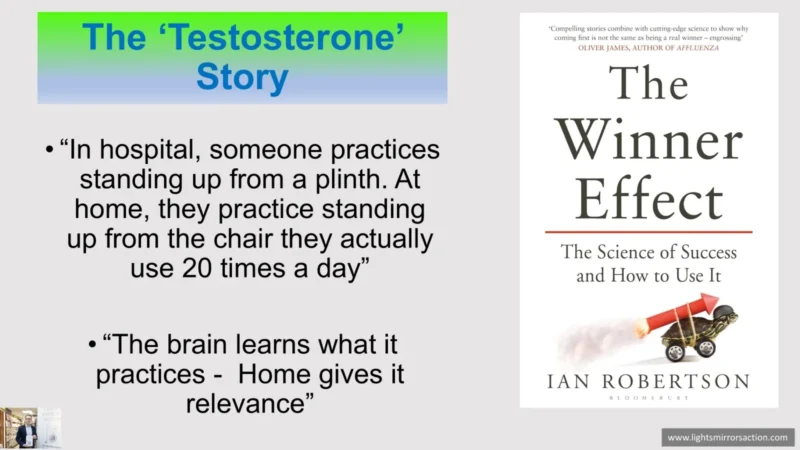
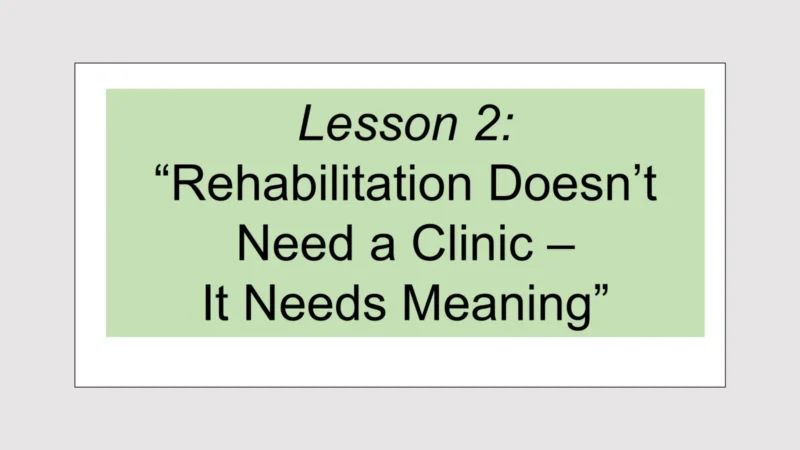
Home gives meaning to rehabilitation exercises.
‘Take You Back (Street Corner Song from ‘ROCKY’, – Valentine’
A Soundtrack for Stroke Recovery
The song ‘Take You Back (Street Corner Song)’ from Rocky, written by Bob Valentine, carries a simple but powerful message about lifting someone up when life has knocked them down.
For stroke survivors, the lyrics can symbolise rebuilding confidence and believing that they can regain strength step by step.
For carers, the song reflects encouragement and emotional support. Its uplifting tone reminds both survivor and caregiver that recovery is a shared journey, where hope, persistence, and belief help bring someone ‘back’ to themselves.
This is so true for stroke survivors!
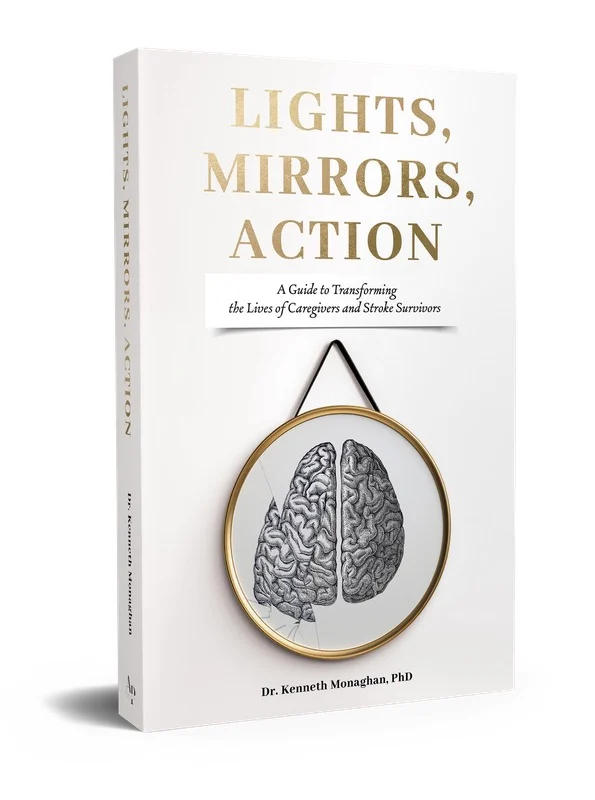
Please email me to [email protected] for a complimentary FREE pdf of my book ‘Lights, Mirrors, Action: A Guide To Transforming The lives of Caregivers and Stroke Survivors’.
It was written so that it can get into the hands of the millions of carers, and stroke survivors who need confidence, motivation and guidance when they return home to complete their physical recovery after stroke.
‘Against the wind, We were runnin’ against the wind, We were young and strong, We were runnin’ against the wind’!!”
Thank you. Have a lovely week.”
Stay updated with Hemostasis Today.
-
Sep 27, 2026, 15:49Rana Al-Hrout: Iron Deficency – Is Ferritin 15ng/mL or Less Still the Cutoff?
-
Sep 27, 2026, 15:49Ayushi Sharma: What I Thought Transfusion Medicine Would Be vs What It Actually Is
-
Sep 27, 2026, 15:48William Wallace: How Much Human Research Is Behind the Supplements We Take?
-
Sep 27, 2026, 15:46Franck Perraudin: Lp(a) Lowering Alone May Not Be Enough
-
Sep 27, 2026, 15:41Ahmed Hamandi: Sharing Real-World HSCT Experience at the Iraqi Society of Haematology Conference
-
Sep 27, 2026, 15:39Co-creating Digital Support With Young Stroke Survivors – European Stroke Organisation
-
Sep 27, 2026, 15:39Eleri Schiavone: Celebrating 80 Years of the Welsh Blood Service
-
Sep 27, 2026, 15:38Jessica Garcia: Standing Where VWD Was First Recognized 100 Years Later
-
Sep 27, 2026, 15:37Heghine Khachatryan: A Meaningful Step Forward for Inherited Blood Disorders in Africa