

Julie Cardoso: What Happens to Venous Valves When a Blood Clot Forms?
Julie Cardoso, Owner and Executive Director of Independent Diagnostic Testing Facility at Universal Ultrasound Diagnostics, posted on LinkedIn:
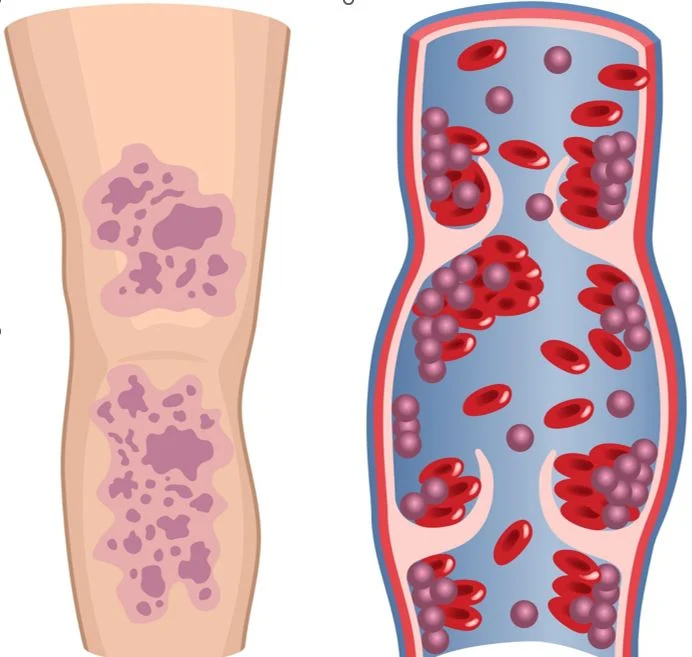
“What happens to venous valves when a blood clot forms?
Venous valves normally maintain unidirectional flow and work with respiratory pressure changes to create phasic venous flow.
With a Deep Vein Thrombosis (DVT), a thrombus can immobilize or damage valves, preventing them from closing properly.
This leads to:
- Loss of phasic flow
- Continuous or dampened velocity
- Blunted augmentation response
Assessing valves with PW Doppler, including augmentation and observing flow return to baseline is crucial.
If flow doesn’t return, it signals proximal obstruction and abnormal valve function, helping guide diagnosis and management.
Learn More with us at Universal U on Saturday, April 25.”
Stay updated with Hemostasis Today.
-
Sep 18, 2026, 17:08Irem Karaman Sebin: ASH 2026 Changes a Key Concept in Iron Deficiency
-
Sep 18, 2026, 16:51Adarsh Krishnan Sundara Rajan: Is VTE the Most Underdiagnosed Critical Threat in Modern Healthcare?
-
Sep 18, 2026, 16:19CRISPR and Hemophilia: The Next Frontier of In Vivo Gene Editing
-
Sep 18, 2026, 16:13Christian Irsara: PF4 Immunothrombosis Following Natural Adenovirus Infection
-
Sep 18, 2026, 16:10Leo Nicolai։ The Spleen Emerges as a Key Regulator of Thromboinflammation
-
Sep 18, 2026, 16:05Targeting Factor XI to Reduce Thrombosis Without Compromising Hemostasis – ISTH
-
Sep 18, 2026, 15:54Swapnil Pawar: Why Aren’t We Using Cryopreserved Platelets Everywhere Yet?
-
Sep 18, 2026, 15:37Abdul Mannan: Evaluating Longitudinal Platelet Trends Beyond Standard Reference Intervals
-
Sep 18, 2026, 15:30Peter A. Everts։ Platelet Phenotype May Hold the Key to More Consistent PRP Therapy