

Arun Danewa: Saving a Bone Marrow Patient from Hidden Enemy – TA-TMA
Arun Danewa, Senior Consultant at Artemis Hospitals, shared a post on LinkedIn:
“The Blood Vessel Mystery: Saving a Bone Marrow Patient
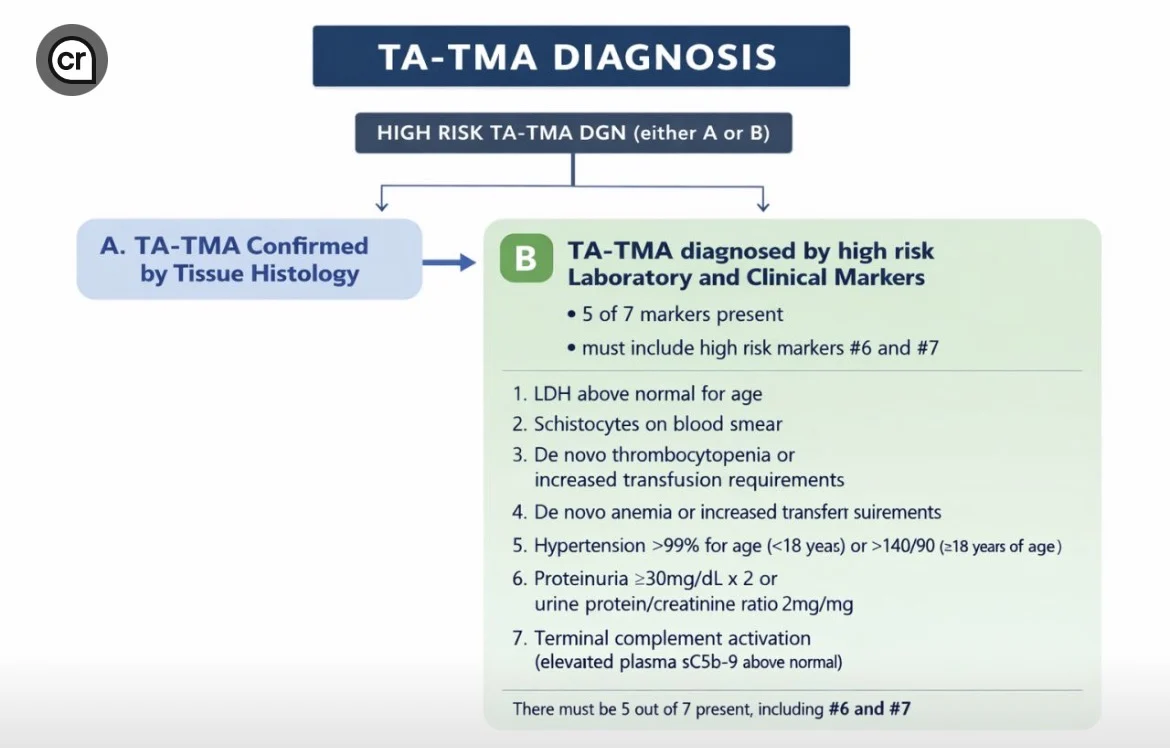
Think of a Bone Marrow Transplant (BMT) as a total system restart. It’s a lifesaving process, but sometimes the ‘new system’ hits a dangerous glitch.
In this case, a patient recovering from severe aplastic anemia survived a massive infection (MDR Sepsis) only to face a new, hidden enemy:
Transplant Associated Thrombotic microangiopathy (TA-TMA).
The Red Flags
How do you know when something is wrong?
The body starts sending ‘SOS’ signals.
For our patient, those signals were:
- High Blood Pressure: The heart was working too hard.
- Protein in Urine: A sign the kidneys were struggling.
- Crushed Red Cells: Under the microscope, we saw Schistocytes—red blood cells that looked like they’d been shattered.
These ‘alarm bells’ pointed to TA-TMA, a condition where tiny blood clots start forming in the small vessels, damaging organs.
The Rescue Plan
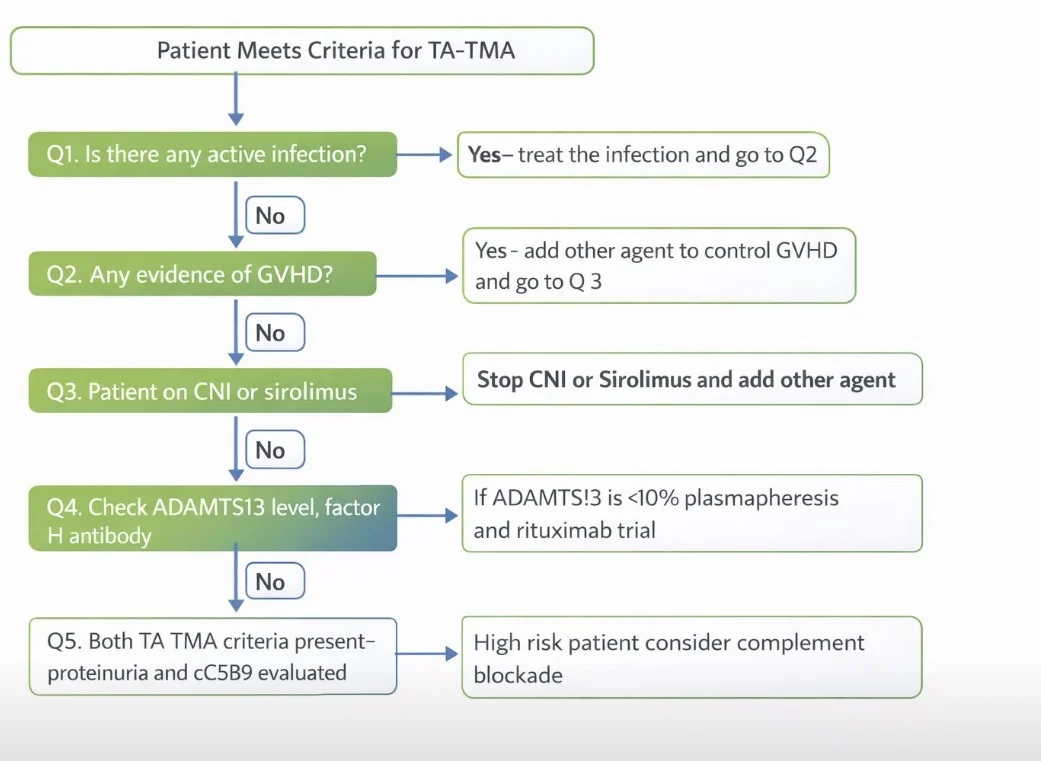
To fix this, we had to act like detectives and change our strategy fast:
- Stop the ‘Trigger’: We realized a specific medicine the patient was taking to prevent transplant rejection (Cyclosporine) was actually causing the damage. We stopped it immediately.
- Switch the Shield: To keep the patient safe from rejection, we switched them to Steroids instead.
- Double-Check the Enemy: We ran a special test (ADAMTS13) to make sure this wasn’t a different, rarer blood disorder. The test confirmed we were on the right track.
The Result: A Huge Comeback
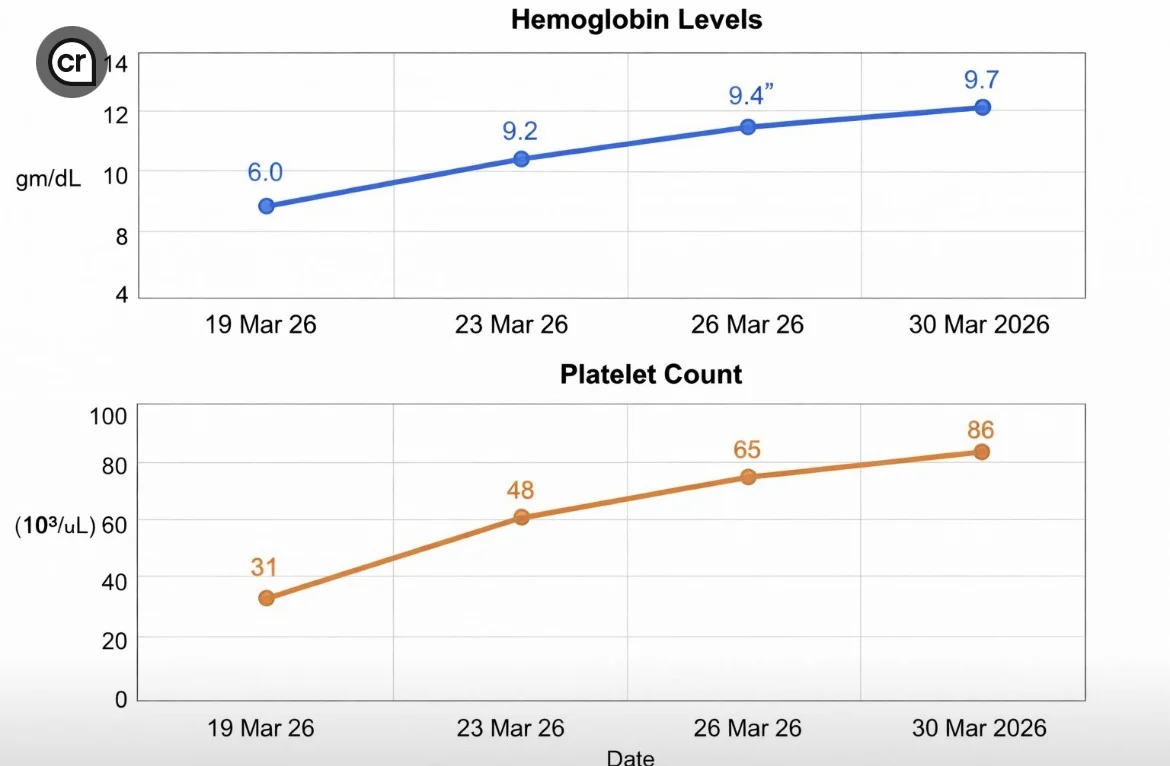
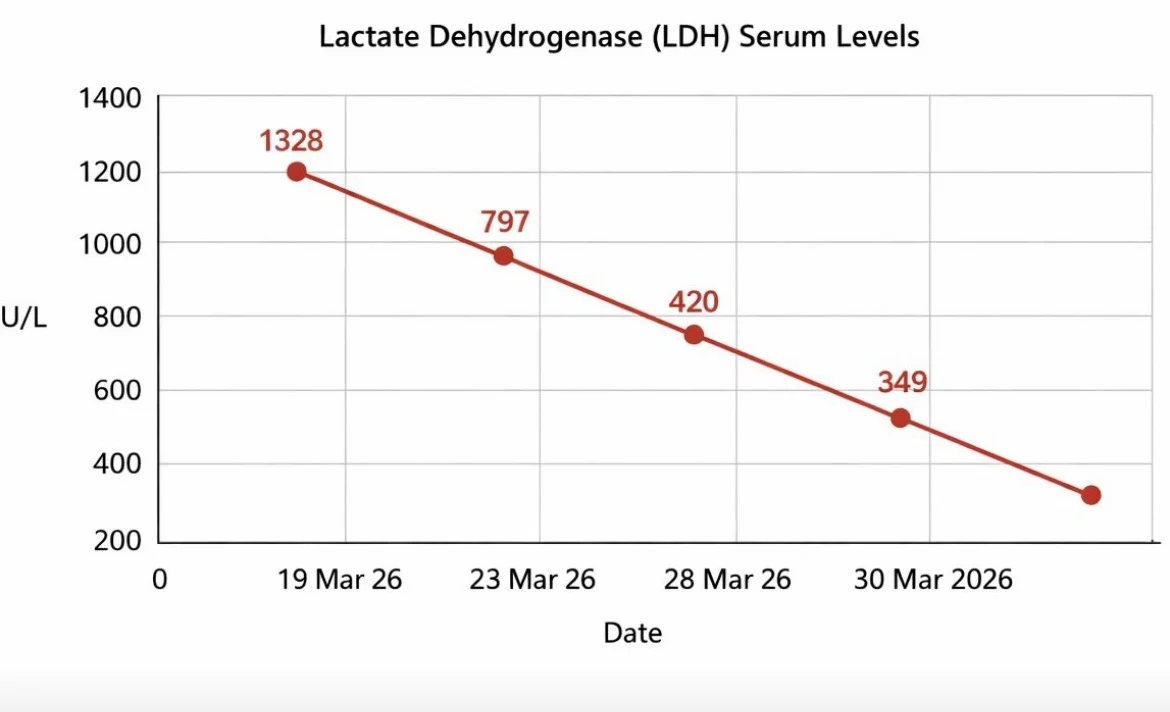
In just 11 days, the patient’s body began to heal. The ‘stress’ markers in their blood dropped, and their healthy cell counts climbed back up.
The Lesson
In transplant medicine, watching closely saves lives. By catching high blood pressure and kidney changes early, we can stop a major complication before it does permanent damage. It’s all about knowing when to change the plan to fit the patient’s needs.”
Stay updated with Hemostasis Today.
-
Oct 6, 2026, 16:43Beth Shirley: Xylitol Consumption Increases Platelet Reactivity and Cardiovascular Risk
-
Oct 6, 2026, 16:37Jared Rice: What Sets the Transfusion Threshold in Anemia of Prematurity?
-
Oct 6, 2026, 16:30Thirunavukkarasu Angappan: Immunoglobulin Decides How Much Plasma Gets Collected
-
Oct 6, 2026, 16:18Gemma Davies: New CMML Research Selected for Presentation at the 68th ASH Annual Meeting
-
Oct 6, 2026, 16:03Professor Csongor Kiss Receives the Kálmán Laki Prize – Hungarian Society of Thrombosis and Haemostasis
-
Oct 6, 2026, 15:52Mark Kheifets: A Massive Stent Thrombosis Requiring Aspiration Thrombectomy
-
Oct 6, 2026, 15:40Joseph Aslan։ Targeting Mitochondrial Permeability Transition To Reduce Platelet Thrombogenicity
-
Oct 6, 2026, 15:36Nominations Open for ISTH Outstanding Mentor Awards – ISTH
-
Oct 6, 2026, 15:17Walaa Obaid: How Warfarin Went From Poison To Medicine