


Omar Adwan/LinkedIn
Apr 4, 2026, 11:06
Omar Adwan: Why is Reticulocyte Count Essential for Determining the Underlying Cause of Anemia?
Omar Adwan, Medical Laboratory Technologist at Modawah lab center, shared a post on LinkedIn:
“Reticulocytes
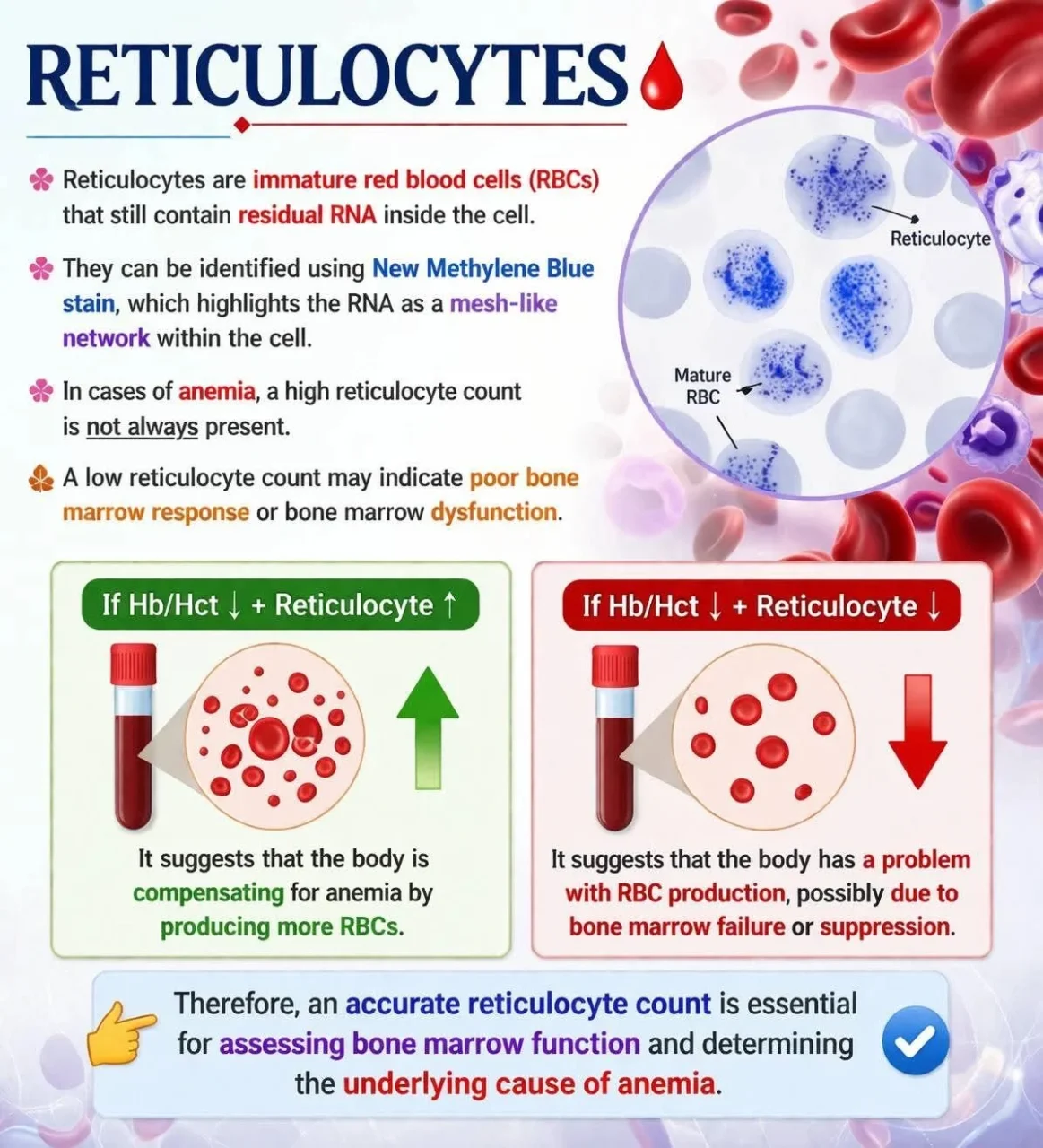
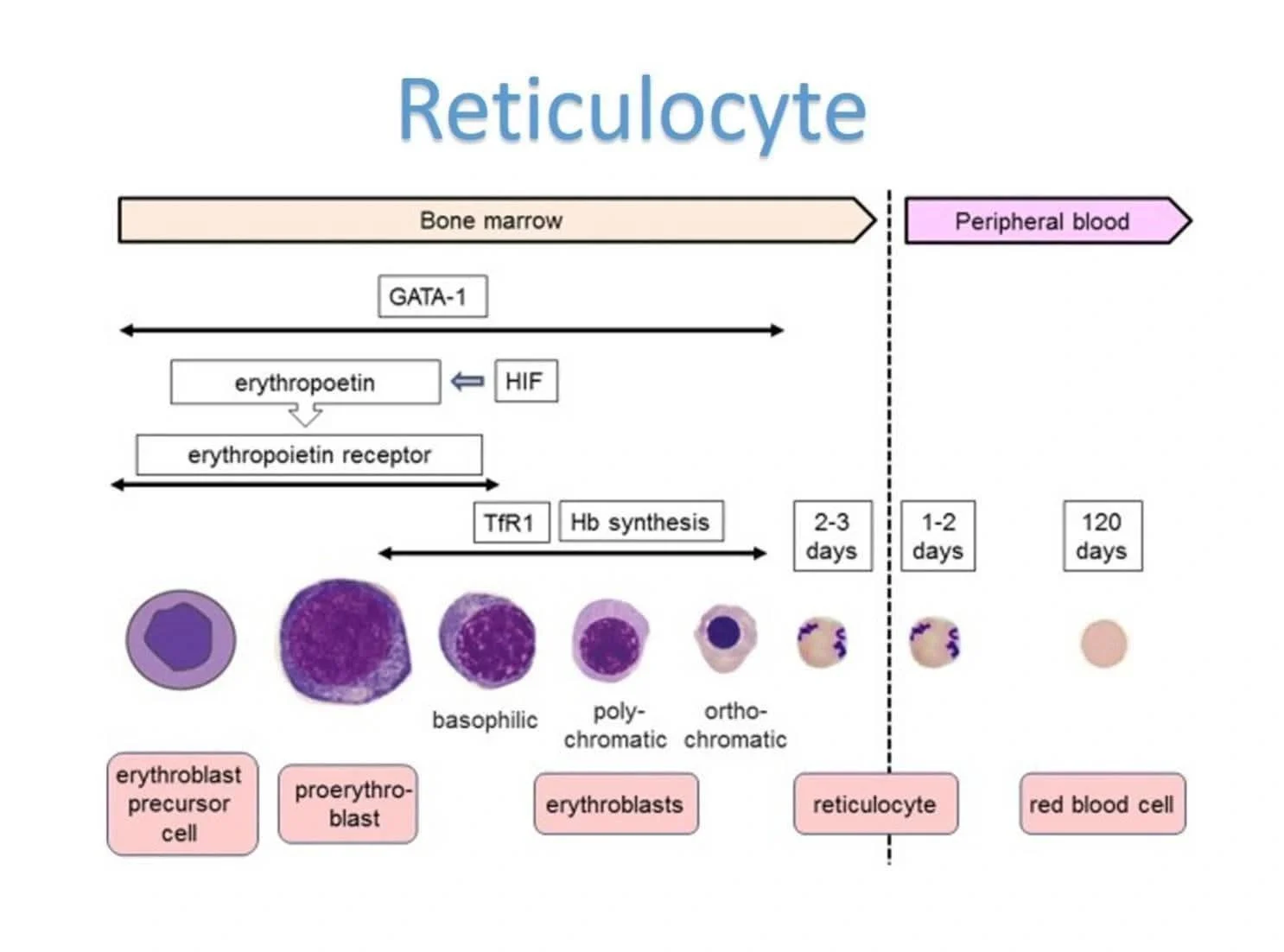
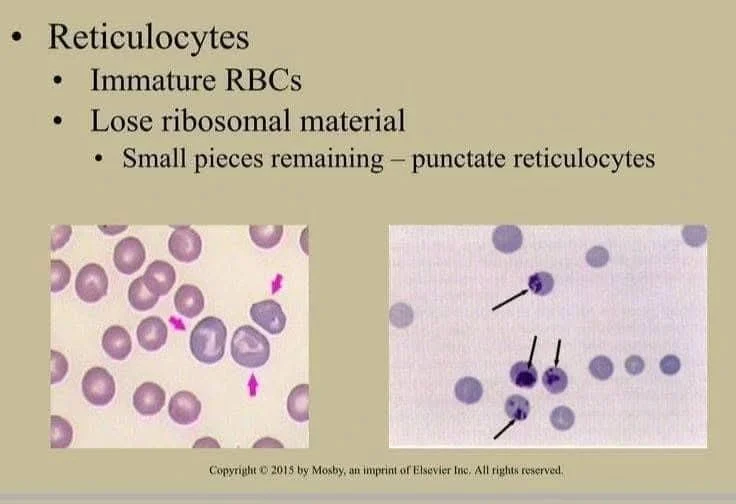
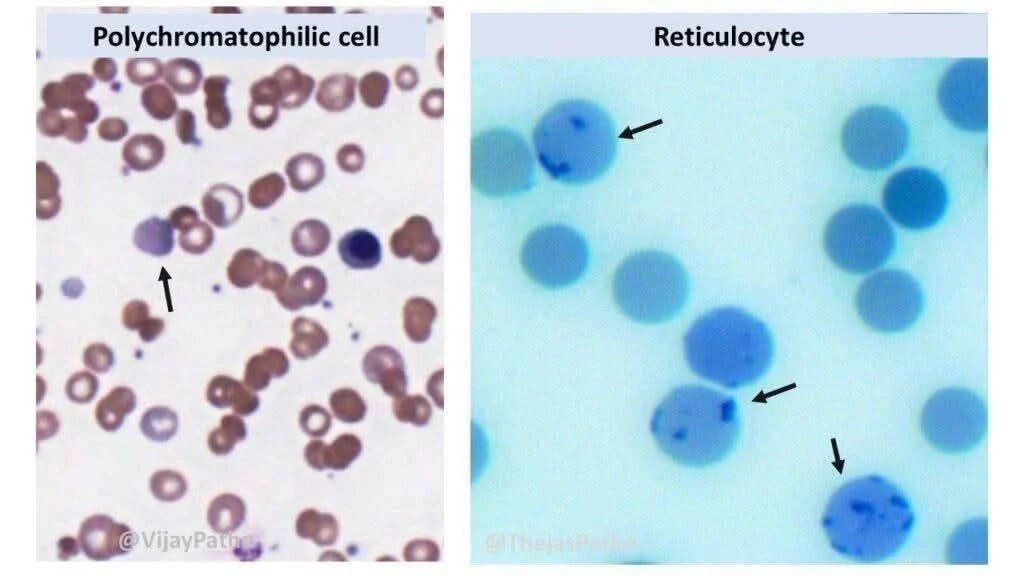
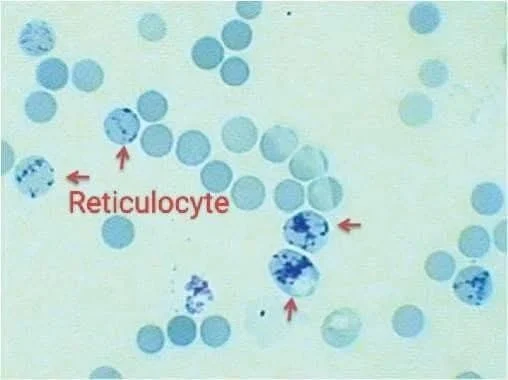
Reticulocytes are immature red blood cells (RBCs) that still contain residual RNA inside the cell.
They can be identified using New Methylene Blue stain, which highlights the RNA as a mesh – like network within the cell.
In cases of anemia, a high reticulocyte count is not always present.
A low reticulocyte count may indicate poor bone marrow response or bone marrow dysfunction.
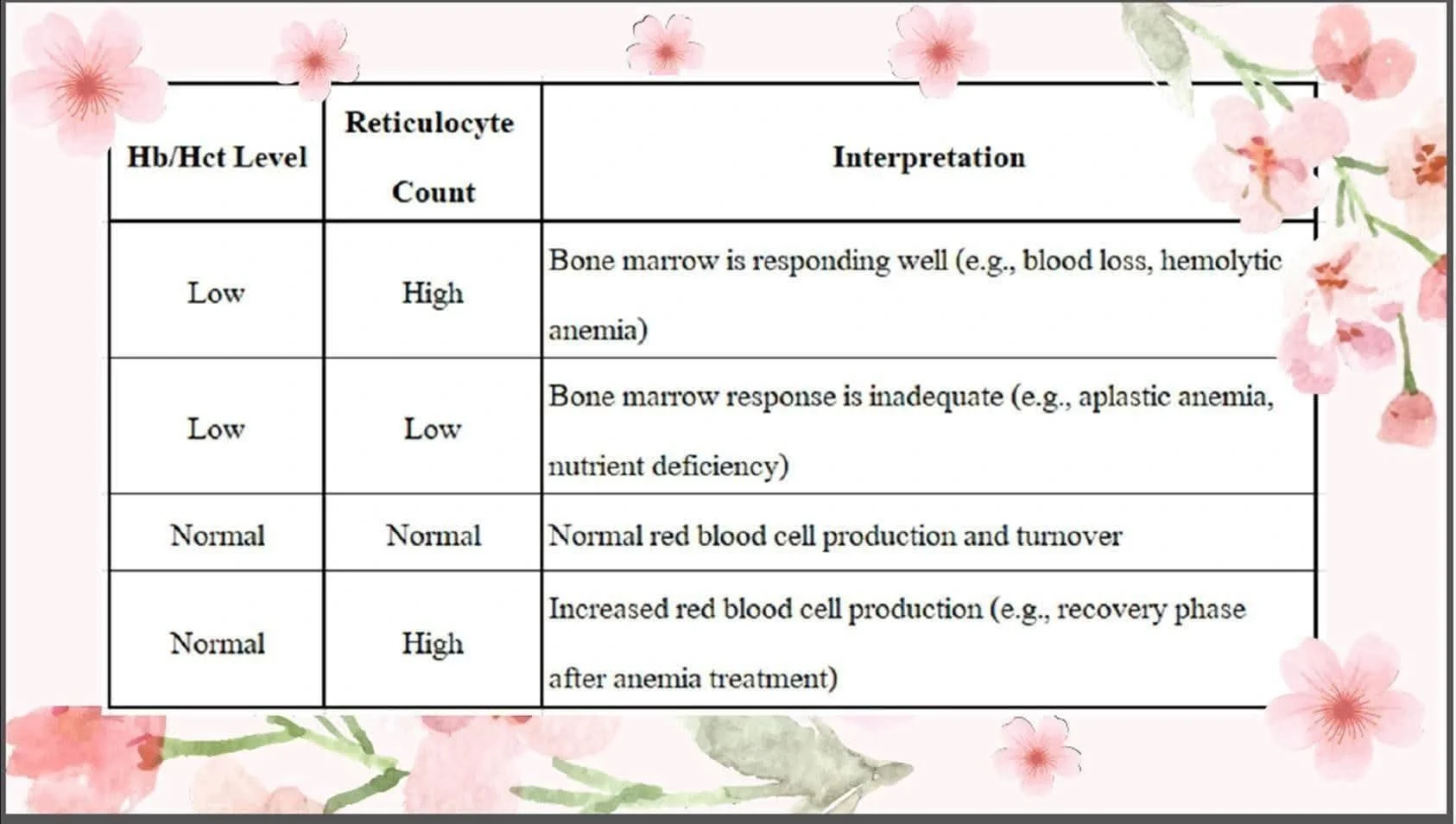
- If Hb/Hct is low plus Reticulocyte is high – It suggests that the body is compensating for anemia by producing more RBCs.
- If Hb/Hct is low plus Reticulocyte is low – It suggests that the body has a problem with RBC production, possibly due to bone marrow failure or suppression.
Therefore, an accurate Reticulocyte count is essential for assessing bone marrow function and determining the underlying cause of anemia.”
Other posts featuring Omar Adwan on Hemostasis Today.
-
Nov 21, 2026, 20:00Jeyda Star: The FAST Signs of Stroke and the Reality of Life Afterward
-
Nov 21, 2026, 19:59Daniel Lindholm: Women Showed the Largest Improvement in Stroke Risk Over Time in Heart Failure
-
Nov 21, 2026, 19:56Neil Arrowsmith: Raising Awareness of Pulmonary Embolism in Young People
-
Nov 21, 2026, 19:52Muhammad Zeeshan Jamal: Thrilled to Present Our Research on Intermediate-Risk Acute PE in Abu Dhabi
-
Nov 21, 2026, 19:50Mounisha Devireddy: Proud to Share Our Research on High-Risk PE in Pregnancy
-
Nov 21, 2026, 19:47Melissa Hollo: How Severe Anemia Increases the Odds of Acute HF During Pregnancy and Postpartum
-
Nov 21, 2026, 19:44Ashenafi Tazebew Amare: Building Sustainable Systems to Close the Anti-D Immunoglobulin Access Gap in LMICs
-
Nov 21, 2026, 19:43Sheharyar Raza: Interpreting Clotting Times Through Reptilase Time and Thrombin Time Assays
-
Nov 21, 2026, 19:42Minoo Ahmadinejad: Serving on the ISTH 2027 Scientific Theme Committee for Women’s Health