

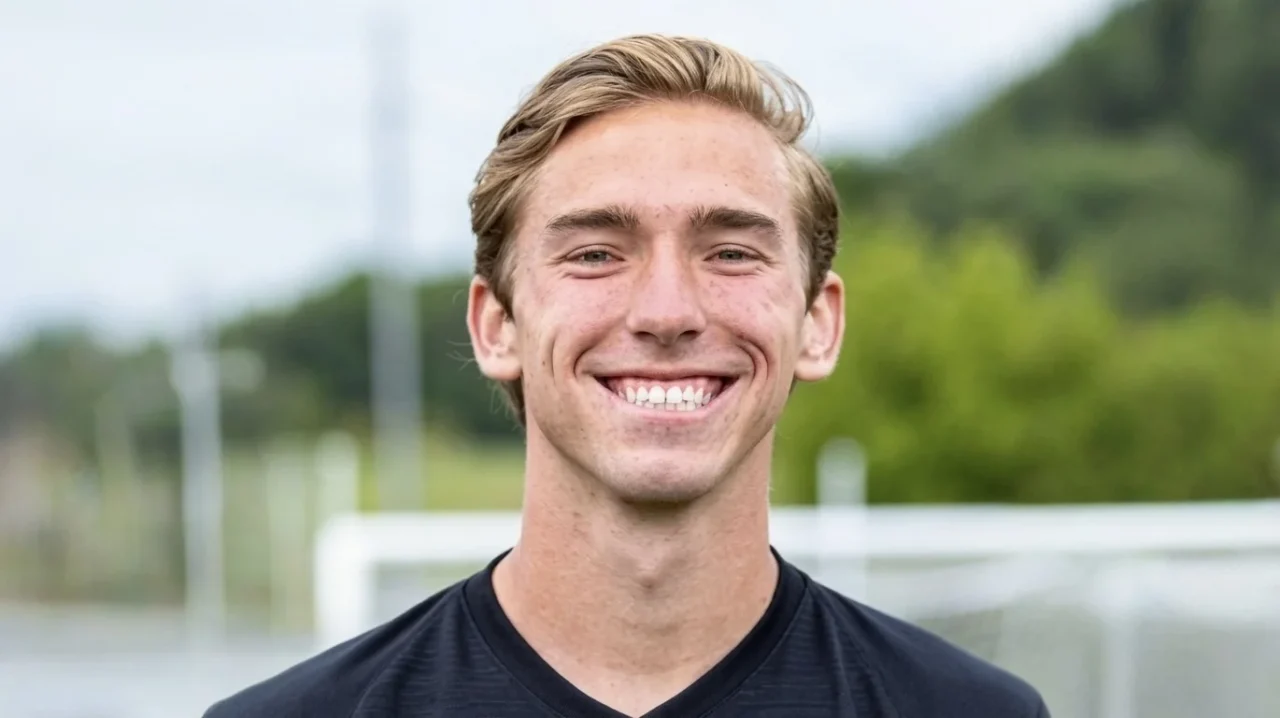
Nicolas Hubacz: Mapping Neuroplasticity in Stroke Recovery
Nicolas Hubacz, Research and Clinical Products Business Development Manager at Magstim, shared a post on LinkedIn:
”Mapping Neuroplasticity in Stroke Recovery
A new study from researchers at the USC Mark and Mary Stevens Neuroimaging and Informatics Institute, published in The Lancet Digital Health, reveals an unexpected pattern of recovery in stroke survivors.
Using AI to analyze MRI scans from more than 500 stroke patients across 34 sites worldwide, scientists estimated the biological ‘age’ of different brain regions.
What they found was surprising:
- The damaged hemisphere often appears ‘older’, reflecting structural injury.
- Regions in the opposite hemisphere can appear ‘younger.’
- This pattern is strongest in the contralesional frontoparietal network, which supports motor planning, attention, and coordination.
Rather than signaling full recovery, this may reflect the brain’s attempt to compensate for lost function.
In other words, when core motor circuits fail, the brain may reorganize itself – recruiting undamaged networks to help carry the load.
The discovery came from the ENIGMA Stroke Recovery Working Group, which used deep learning models trained on tens of thousands of MRI scans to estimate ‘brain age.’
The difference between predicted brain age and actual age (brain-PAD) served as a sensitive marker of neural health.
Why it matters:
- A new way to visualize neuroplasticity after stroke
- A potential tool to predict recovery trajectories
- A path toward personalized rehabilitation strategies
The brain’s response to injury isn’t just degeneration – it can also be adaptation.”
Proceed to the video attached to the post.
Stay updated with Hemostasis Today.
-
Oct 6, 2026, 16:43Beth Shirley: Xylitol Consumption Increases Platelet Reactivity and Cardiovascular Risk
-
Oct 6, 2026, 16:37Jared Rice: What Sets the Transfusion Threshold in Anemia of Prematurity?
-
Oct 6, 2026, 16:30Thirunavukkarasu Angappan: Immunoglobulin Decides How Much Plasma Gets Collected
-
Oct 6, 2026, 16:18Gemma Davies: New CMML Research Selected for Presentation at the 68th ASH Annual Meeting
-
Oct 6, 2026, 16:03Professor Csongor Kiss Receives the Kálmán Laki Prize – Hungarian Society of Thrombosis and Haemostasis
-
Oct 6, 2026, 15:52Mark Kheifets: A Massive Stent Thrombosis Requiring Aspiration Thrombectomy
-
Oct 6, 2026, 15:40Joseph Aslan։ Targeting Mitochondrial Permeability Transition To Reduce Platelet Thrombogenicity
-
Oct 6, 2026, 15:36Nominations Open for ISTH Outstanding Mentor Awards – ISTH
-
Oct 6, 2026, 15:17Walaa Obaid: How Warfarin Went From Poison To Medicine