

Saleh Shamse Basha/LinkedIn
Apr 16, 2026, 14:05
Saleh Shamse Basha: When Platelet Counts Mislead, The PLT-F Becomes Critical
Saleh Shamse Basha, Senior Hematology Technologist (Reference Lab, HQ) at PureLab, shared a post on LinkedIn:
“When Platelets Lie… or Do They?
A recent hematology case:
- Platelet count (impedance): 3844 ×10⁹/L (!!)
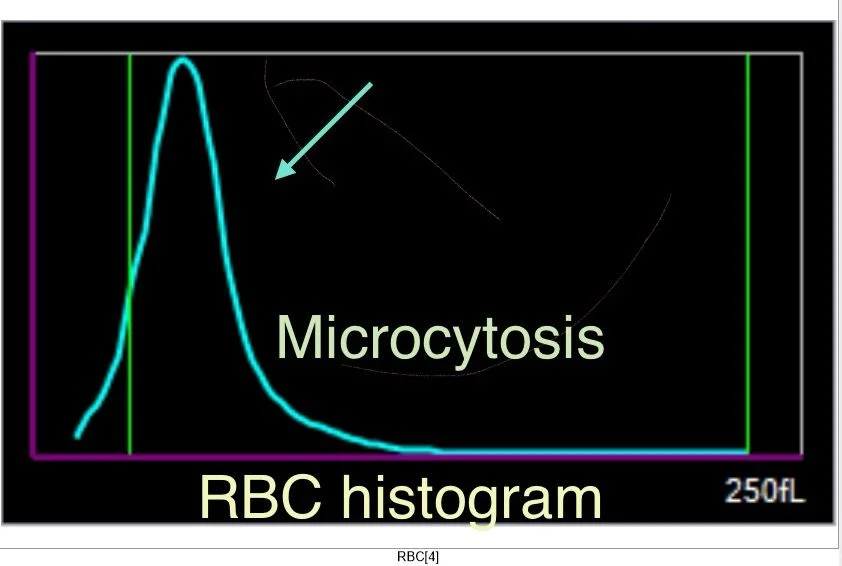
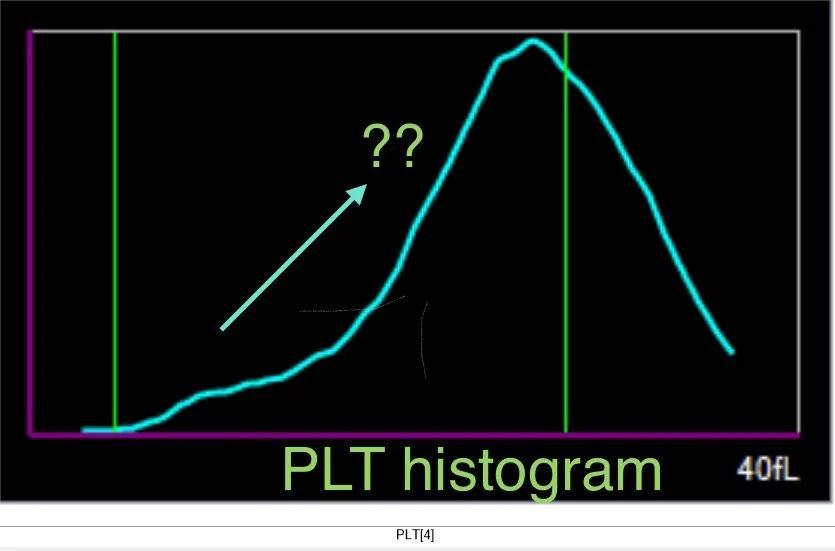
- Histogram: abnormal distribution with clear overlap.
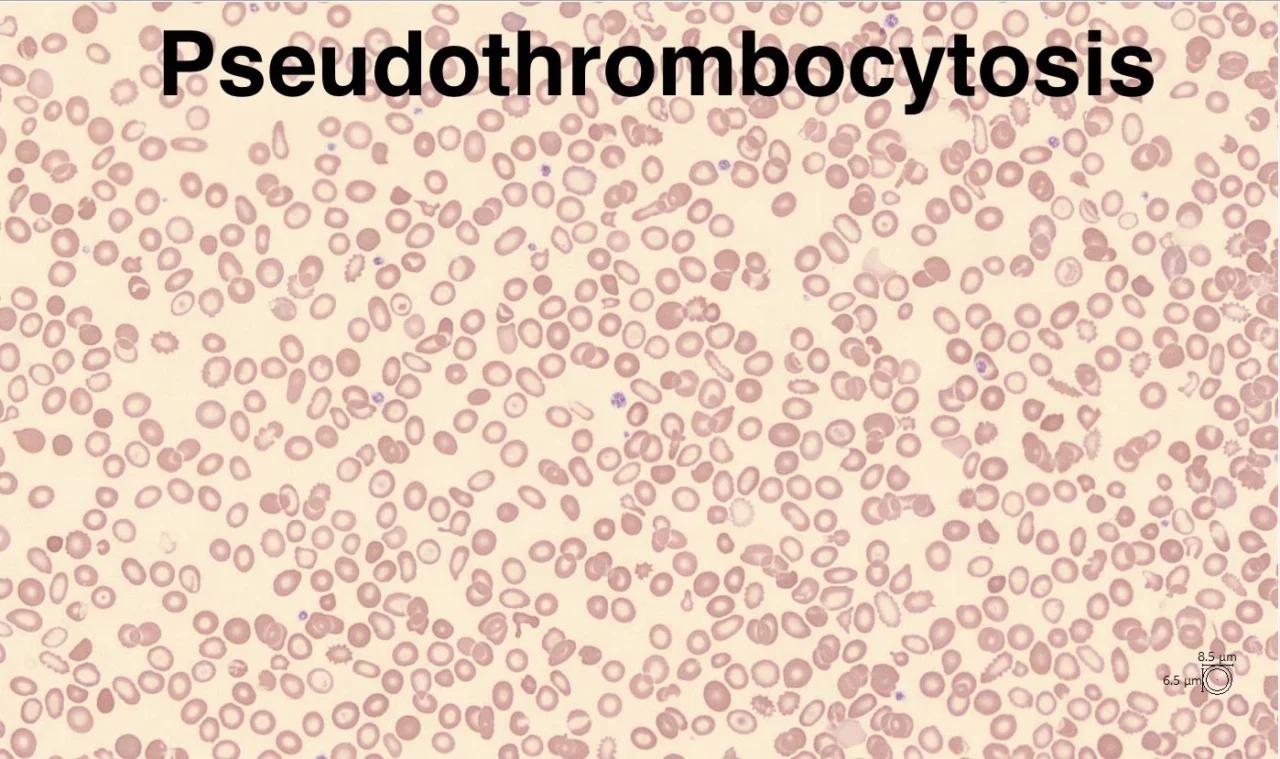
- Sysmex XR9000 detected abnormal PLT flag and reflexed to PLT-F channel then the PLT: 201×10⁹/L.
Let’s figure it out.
The question is: Is this a true extreme thrombocytosis, or are we looking at a classic analytical pitfall?
Additional findings:
- Marked microcytosis (MCV: 49.8 fL)
- Presence of schistocytes on peripheral smear.
- Anisopoikilocytosis.
In impedance-based counting (Coulter Principle), size is everything.
But when RBCs become very small—as in:
- Iron deficiency anemia
- Thalassemia
– and especially with RBC fragmentation (schistocytes)…
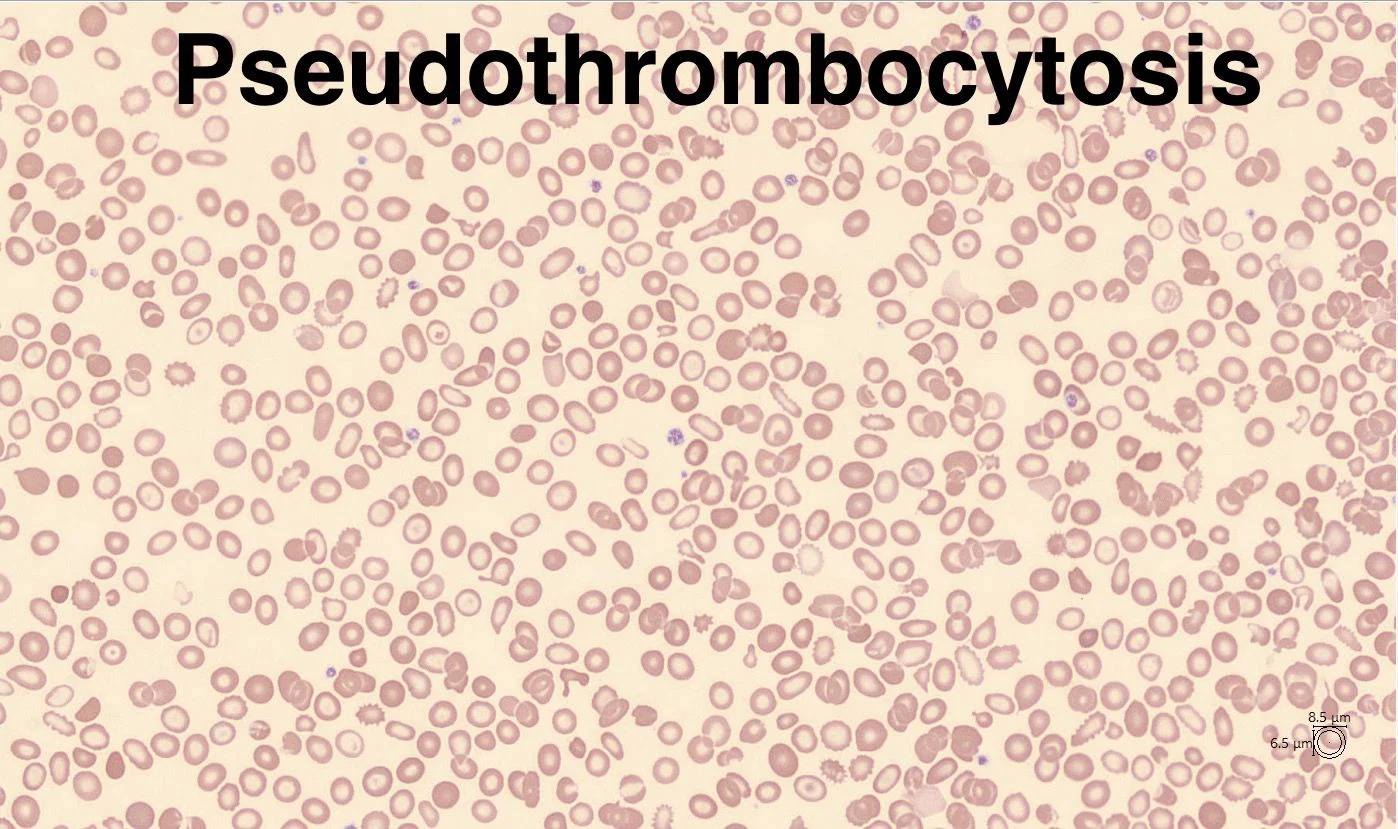
The analyzer may misclassify RBC fragments within the platelet size window Resulting in pseudothrombocytosis
That’s where PLT-F (fluorescent platelet count) becomes critical:
It differentiates platelets based on RNA content, not just size.”
Stay updated with Hemostasis Today.

-
Oct 20, 2026, 03:24Chaza Alaji: Diagnosing Protein C and Protein S Deficiency
-
Oct 20, 2026, 03:24Mou Nandi: How Maternal Health During Pregnancy May Shape Infant Development
-
Oct 20, 2026, 03:13Sumyea Kabir: Pre-Analytical Quality in Phlebotomy – Preventing In Vitro Hemolysis
-
Oct 20, 2026, 02:37M. Sekip Altunkan: Can Anticoagulation Be Safely Stopped After AF Ablation?
-
Oct 20, 2026, 02:26Ahmed Ammar: Managing VT Recurrence Post-Ablation
-
Oct 20, 2026, 01:43Oliver Weingärtner: Deprescribing of Lipid Lowering Drug after MI is Associated with Cardiovascular Events
-
Oct 19, 2026, 19:44Where You Live Should not Determine Whether You Receive Care – World Federation of Hemophilia
-
Oct 19, 2026, 19:42Belen Bianco: Prevention, Early Suspicion and an Interdisciplinary Approach Save Lives
-
Oct 19, 2026, 19:40Christina Chrysohoou: Catheter-Based LAAC vs OAC for Stroke Prevention in Atrial Fibrillation