


Francesco Lo Monaco: Blood Type and Heart Risk – Small Differences, Bigger Role of Lifestyle
Francesco Lo Monaco, Cardiologist and Founder of The National Heart Clinic, posted on LinkedIn:
”’People with this blood type live longer and have fewer heart attacks…’
…that’s what the headlines want you to believe.
But here’s what they’re not telling you.
There is some truth behind it.
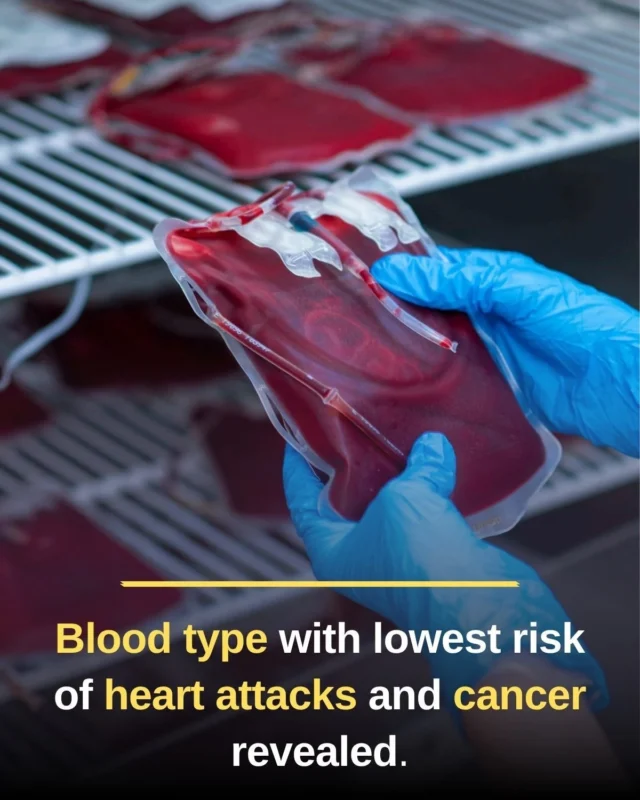
Large studies suggest that people with blood type O (O+ and O–) tend to have a slightly lower risk of:
- Heart attacks and overall cardiovascular events
- Blood clots (like deep vein thrombosis and pulmonary embolism)
- Some cancers, especially stomach (gastric) and pancreatic cancer
For context:
- Around 14 heart attacks per 1,000 people with blood group O
- Versus about 15 per 1,000 in people with non‑O groups (A, B, or AB)
Overall, non‑O blood groups appear to carry roughly a 10% higher cardiovascular risk than group O.
So yes, there is a difference.
But here’s the part that actually matters:
- The difference is small
- And it is not strongly protective
Having type O doesn’t automatically mean you’re ‘safe’.
Having type A, B, or AB doesn’t automatically mean you’re ‘at risk’.
Because biology doesn’t work in isolation.
In real life, what drives heart attacks and chronic disease is something much more powerful:
- Chronic inflammation
- Poor metabolic health (insulin resistance)
- Cholesterol balance and blood-fat patterns (not just one cholesterol number)
- Long‑term lifestyle habits
I see this every week in clinic:
- Patients with ‘low‑risk’ genetics but poor habits – high risk.
- Patients with ‘higher‑risk’ profiles but well‑managed lifestyles – thriving.
This is why I don’t focus on labels like blood type.
I focus on what is happening inside your body right now.
Through:
- Advanced blood testing
- Early detection of subtle dysfunction
- Personalised nutrition and lifestyle strategies
Because prevention is not just about statistics.
It’s about personalised precision.
So next time you see a headline like this, don’t ask:
‘Do I have the right blood type?’
Ask yourself:
‘Am I building a physiology that protects me in the long term?’
That’s the real difference between reacting to disease… and doing everything you can to prevent it.”
Stay updated with Hemostasis Today.
-
Sep 25, 2026, 12:53Bastu Odoka: What Happened to Blood Donation?
-
Sep 25, 2026, 12:43Thomas Dayspring: Reshaping the Biology of Atherosclerotic Plaques with New Therapies
-
Sep 25, 2026, 12:14Garima Sharma: Community Clinical Linkages for Better Postpartum Cardiovascular Care
-
Sep 25, 2026, 10:49Shefina S: From Presenting to Hosting at TRANSCON 2026
-
Sep 25, 2026, 10:37Michelle Leona Cecil: Hemophilia Advocacy and the Power of Community
-
Sep 25, 2026, 10:13Michael Baria: Platelet Concentration and PRP Outcomes in Partial Rotator Cuff Tears
-
Sep 25, 2026, 09:49Haley Coleman: Volunteering to Support Hemophilia Awareness
-
Sep 25, 2026, 08:55Hitarth Mehta: BHMS Students Gain Practical Exposure to Haemophilia Diagnosis
-
Sep 25, 2026, 07:25Varun Capoor: How Therapeutic Apheresis and Transfusion Medicine Can Complement Clinical Management in SCD