


Masoabi Sefojane: Whose Realities Shape Global Priorities in Hemophilia Care?
Masoabi Sefojane, Geographic Expansion Lead, Africa and Asia Pacific at MicroHealth , shared a post on LinkedIn:
”One of the recurring themes at the World Federation of Hemophilia World Congress 2026 was innovation.
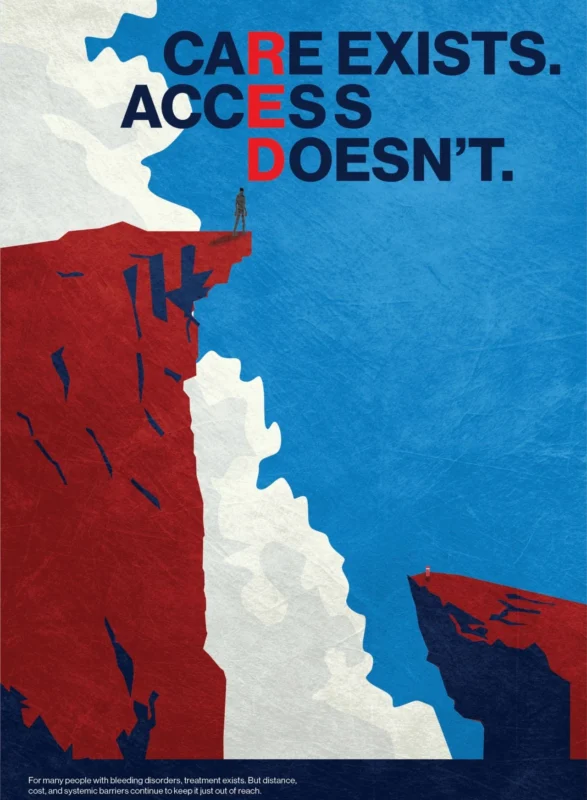
But access remains unresolved.
According to the World Federation of Hemophilia Annual Global Survey:
- Global diagnosis rates sit at ~37%
- In low-income countries: ~11%
- In Africa: an estimated 88% remain undiagnosed
This is not a small gap. It is structural.
Beyond access, representation also remains uneven.
Many global committees still lack sufficient participation from LMI regions.
In one instance, a key discussion on women and girls with bleeding disorders had no African representation.
During the presidential report, global engagement across regions was evident but there were no formal programme visits to Africa.
These observations raise a difficult but necessary question:
Whose realities are shaping global priorities?
Are the systems in place designed for those who need access the most?”
Stay updated with Hemostasis Today.
-
Nov 17, 2026, 15:26Hereditary Hemorrhagic Telangiectasia: The Molecular Connection Between Vascular Malformations and Bleeding
-
Nov 17, 2026, 14:54Cindy Neunert: Beyond Platelet Counts – Addressing Fatigue and Whole-Person Care in ITP
-
Nov 17, 2026, 14:44Strengthening Haemophilia Diagnosis Through Hands-On Laboratory Training – IAHAD
-
Nov 17, 2026, 14:40Platelet Membrane Protrusions Beyond Their Role in Hemostasis – JTH
-
Nov 17, 2026, 14:10Wolfgang Miesbach: Aspirin vs Anticoagulants – Who Needs More Than Aspirin?
-
Nov 17, 2026, 14:08Chaza Alaji: Soluble Transferrin Receptor – A Key to Uncovering Hidden Iron Deficiency
-
Nov 17, 2026, 14:03Shadi Tabibian: Fibrinogen – From Molecular Structure to Clinical Decision Making
-
Nov 17, 2026, 13:54Gabrielle Sarlon: Breaking the Silence on Menstrual Bleeding During Anticoagulant Therapy
-
Nov 17, 2026, 13:47Ksenia Guznova Kats: Advanced Venous Stenting in May–Thurner Syndrome