

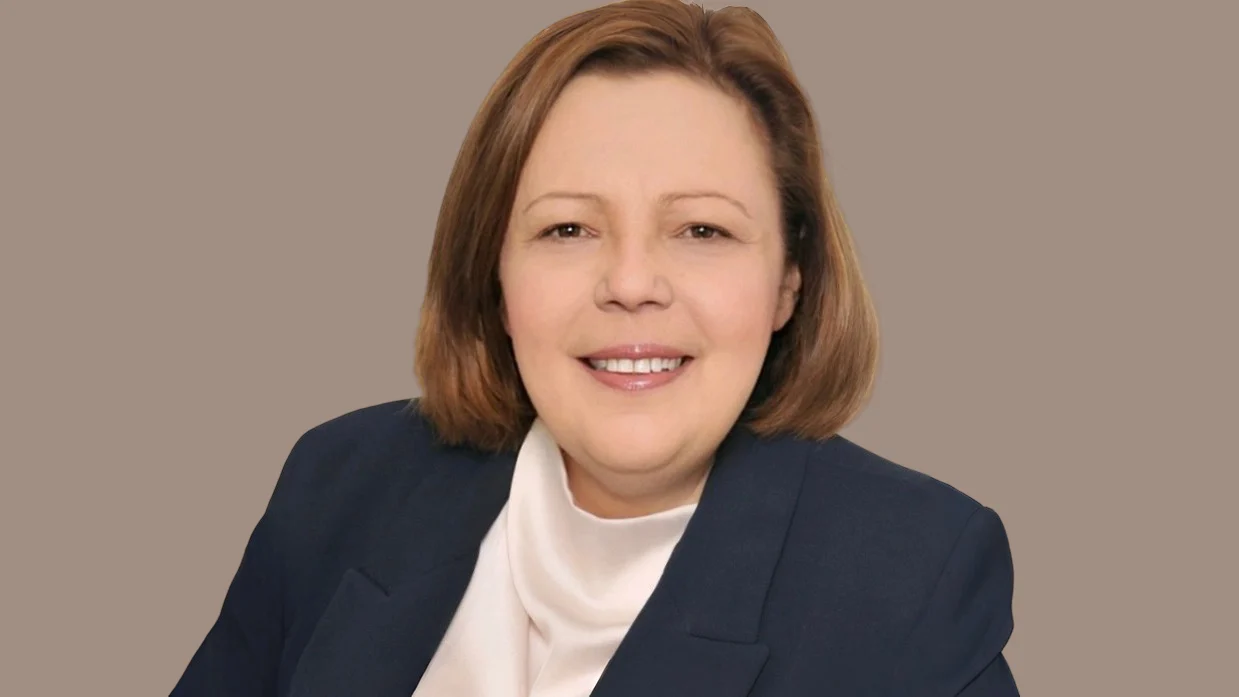
Sophia Delicou: Recognizing Missed Clues and Advancing Early Clinical Suspicion of Adult Haemoglobinopathies
Sophia Delicou, Head of Thalassemia and Sickle Cell Unit, Head of the Expertise Center of Hemoglobin Diseases and Their Complications at Hippokrateio General Hospital, shared on LinkedIn about a recent article she and her colleagues co-authored, published in European Journal of Haematology, adding:
”We are pleased to share our team’s latest publication in the European Journal of Haematology:
‘Delayed Diagnosis of Adult Haemoglobinopathies: An Exploratory Retrospective Study of Diagnostic Trajectories and a Preliminary Clinical Suspicion Framework’
This work highlights an important and often under-recognized clinical challenge: the delayed diagnosis of haemoglobinopathies in adulthood.
Patients are frequently misclassified as having iron deficiency anaemia, leading to inappropriate iron supplementation, prolonged diagnostic uncertainty, and delayed access to appropriate care and genetic counselling.
In our retrospective pilot study, key recurring features included persistent microcytosis, evidence of haemolysis, and lack of response to iron therapy.
We also propose a preliminary clinical suspicion framework, the Haemoglobinopathy Suspicion Score (HSS), as a hypothesis-generating tool requiring further validation.
The key message fully aligned with the mission of the Thalassaemia International Federation (TIF) is clear: early clinical suspicion of haemoglobinopathies in adults is essential to reduce diagnostic delays and improve patient outcomes.
Congratulations to the entire multidisciplinary team for this important contribution.”
Title: Delayed Diagnosis of Adult Haemoglobinopathies: An Exploratory Retrospective Study of Diagnostic Trajectories and a Preliminary Clinical Suspicion Framework
Authors: Sophia Delicou, Aikaterini Poulaki, Iliana Mani, Christos Savvidis, Aikaterini Xydaki, Maria Moraki, Constantina Aggeli, Ioannis Ilias, John Koskinas
Stay updated on all scientific advances with Hemostasis Today.
-
Sep 29, 2026, 15:21Kanchan K Banerjee: Rusfertide Earns NCCN Category 1 Recommendation for Polycythemia Vera
-
Sep 29, 2026, 15:06Faizan Khan։ The Worldwide Burden of Venous Thromboembolism
-
Sep 29, 2026, 14:59Global Von Willebrand Disease Diversity Webinar Now Available on EHC YouTube – EHC
-
Sep 29, 2026, 14:43Mary Cushman: Apply to Shape Scientific Publishing as ISTH Associate Editor
-
Sep 29, 2026, 14:32Honoring Women Leaders Advancing Research, Care, and Innovation in Thrombosis and Hemostasis – Seminars in Thrombosis and Hemostasis
-
Sep 29, 2026, 14:20Nathan Connell: Key Takeaways from the 8th Aland Island Meeting on von Willebrand Disease
-
Sep 29, 2026, 14:09Mariusz Ratajczak: Are We Inadvertently Destroying the True Regenerative Power of PRP by Discarding the Plasma?
-
Sep 29, 2026, 14:00Nithin M: Proximal Splenic Artery Embolization Prior to Shunt-Directed Variceal Therapy
-
Sep 29, 2026, 13:12Wolfgang Miesbach: Teclistamab Targets the Source of Pathogenic Autoantibodies