


Mohammud Ibraheem: Pregnancy Associated Stroke and the Hypercoagulable State
Mohammud Ibraheem, Neuropsychiatrist at Ministry of Health and Population, shared a post on LinkedIn:
“Stroke in Pregnancy
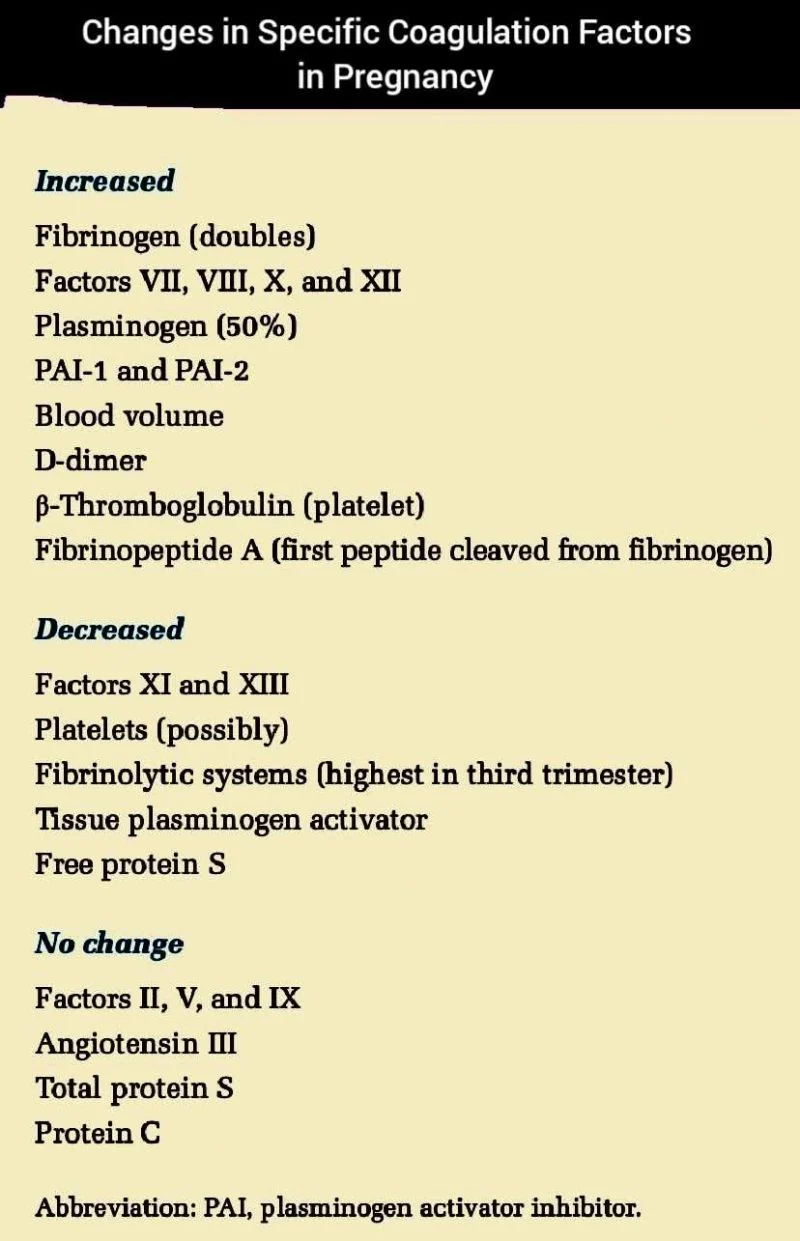
Pregnancy is a special situation in which the body is preparing for an event that requires rapid coagulation at the time of birth. A number of changes occur during pregnancy and the puerperium.
Typically, changes begin in the 1st trimester and continue into late pregnancy.
The RBCs mass increases at about 10 weeks and continues to increase progressively until term. The plasma volume begins to increase also at about 10 weeks’ gestation, continues to increase progressively until 30 to 34 weeks, and then plateaus.
The mean increase in plasma volume by 30 to 34 weeks is 50%. Because volume increases by 50% and the RBC mass increases by only 18% to 30%, the hematocrit decreases to its nadir at 30 to 34 weeks, resulting in anemia.
When the placenta separates, maternal blood flow (700 mL/min) is reduced by myometrial compression and thrombotic occlusion of the vessels. Coagulation is activated, and fibrinogen increases while coagulation inhibitors decrease.
The coagulation and fibrinolytic systems are important in controlling fibrin deposition in the uteroplacental circulation while preventing fibrin deposition in the rest of the vascular system.
Cerebrovascular complications during pregnancy and the postpartum state include:
- Subarachnoid hemorrhage
- Intraparenchymal hemorrhage
- Venous thrombosis
- Pituitary apoplexy
- Ischemic stroke
- Reversible vasoconstriction syndrome”
Stay updated with Hemostasis Today.
-
Oct 10, 2026, 17:58Archo Farzana Batool: Exploring Medical Writing Through an Article on Iron Deficiency Anemia
-
Oct 10, 2026, 17:53Assessing Frailty in Adults With Hemophilia – JTH
-
Oct 10, 2026, 17:52Fatma Sadeghi: Reducing Maternal Health Inequalities Through Nursing Advocacy
-
Oct 10, 2026, 17:50Grzegorz Hensler: How Apheresis Transformed Blood Cell Separation and Collection
-
Oct 10, 2026, 17:47Hemant K Sharma: Japan’s Universal Artificial Blood Research – A Potential Breakthrough in Transfusion Medicine
-
Oct 10, 2026, 17:40John Strouse: Learning About Bleeding Disorders and Sickle Cell Disease at FWGBD
-
Oct 10, 2026, 17:34Mae Caime: Speaking at the Annual Women’s Retreat for the Hemophilia Community in Florida
-
Oct 10, 2026, 17:30Chokri Ben Lamine: PNH beyond the Textbook Triad
-
Oct 10, 2026, 17:29Ruah Alyamany: Thrombosis and Anticoagulation in Hematological Malignancies at SOHO KSA 2026