

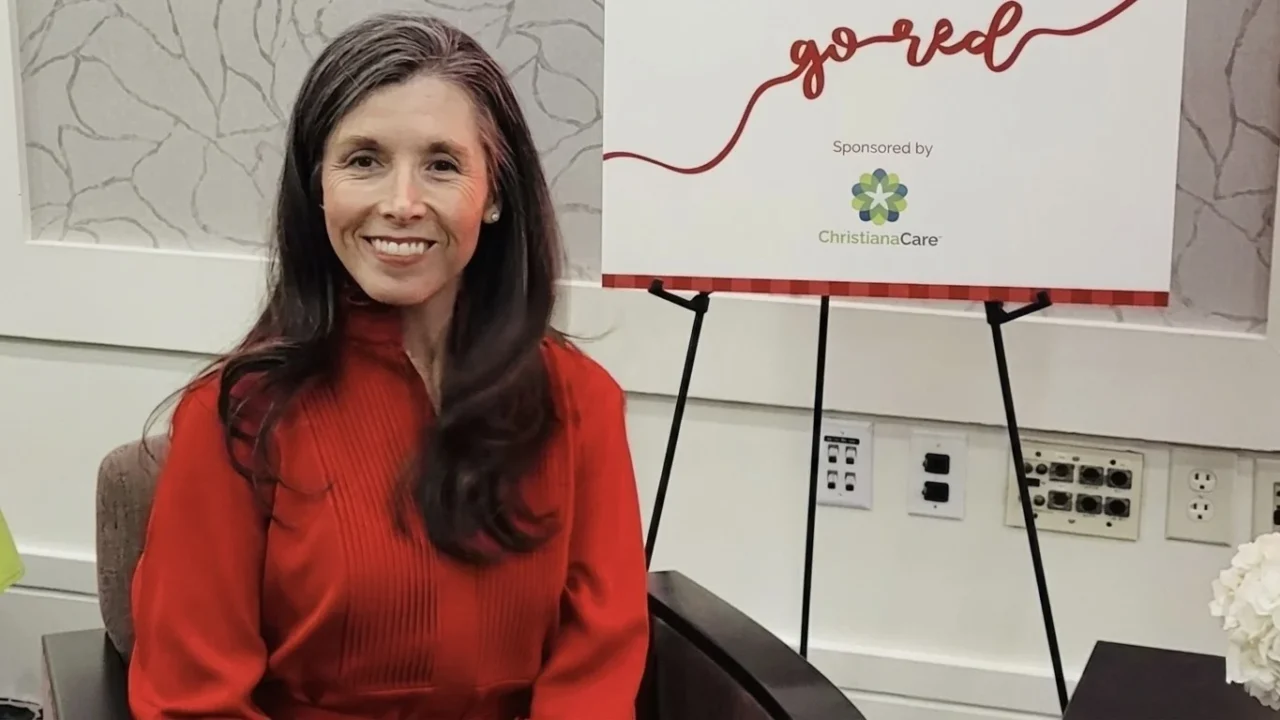
Kim Gannon: Women Have Unique Stroke Risk Factors and The Warning Signs Can Look Different
Kim Gannon, Physician Executive of Neurosciences at ChristianaCare, shared on LinkedIn:
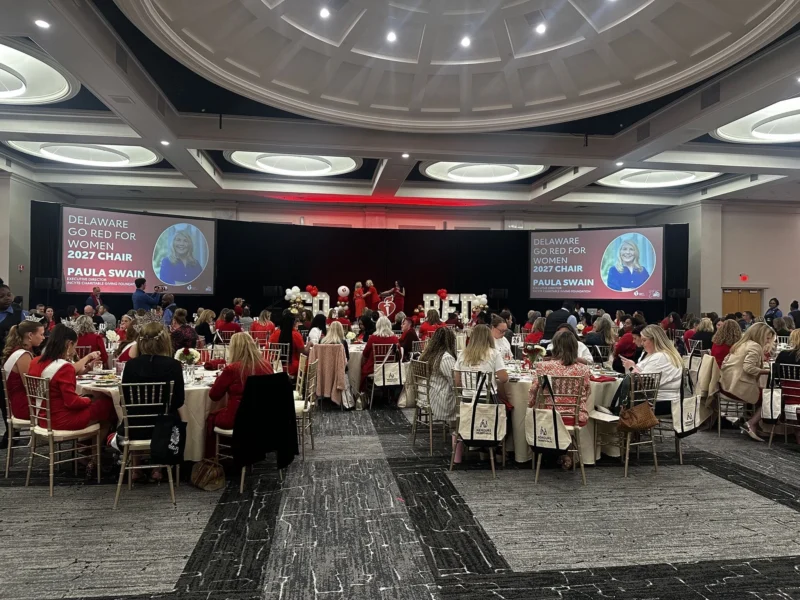
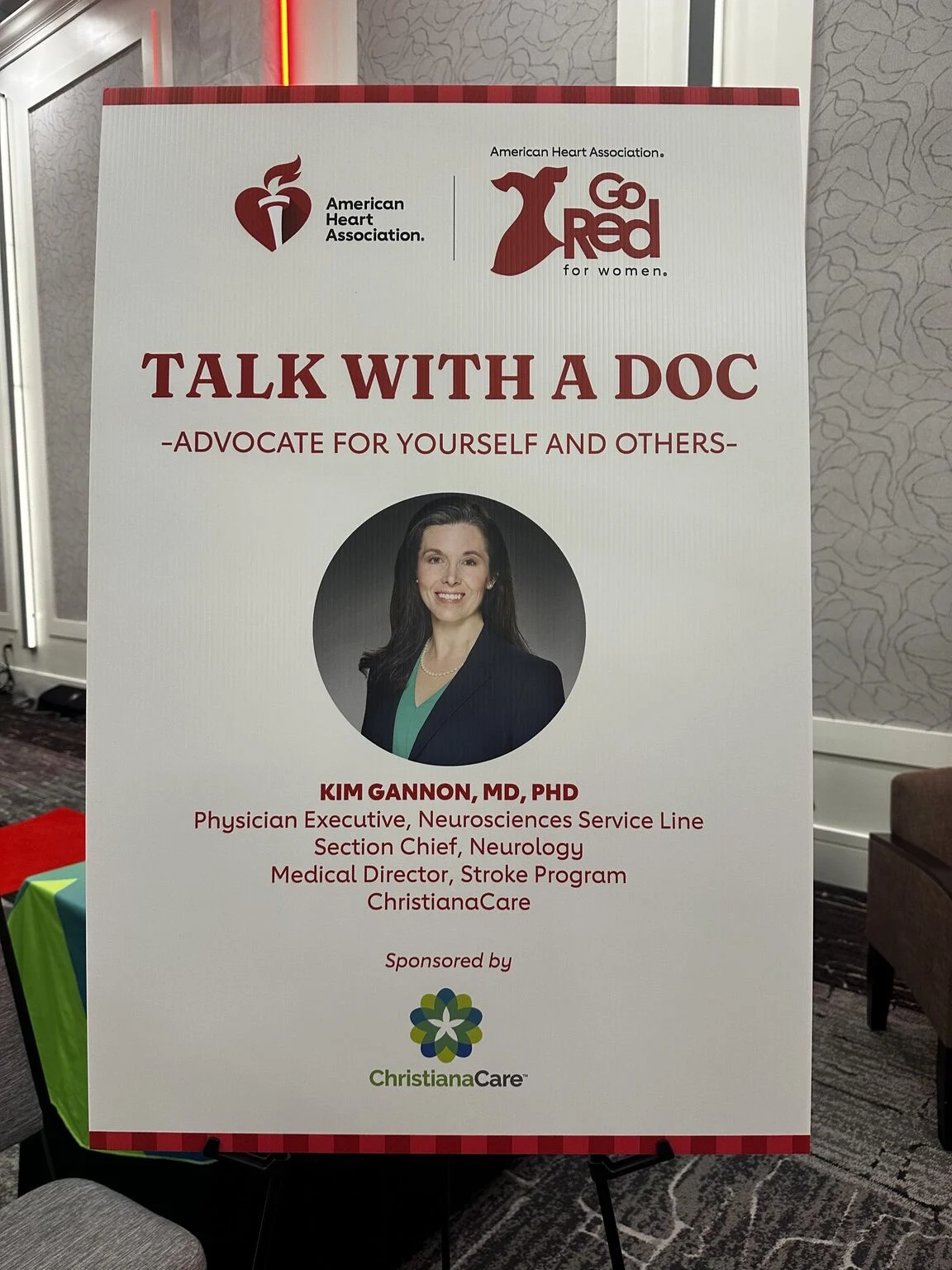
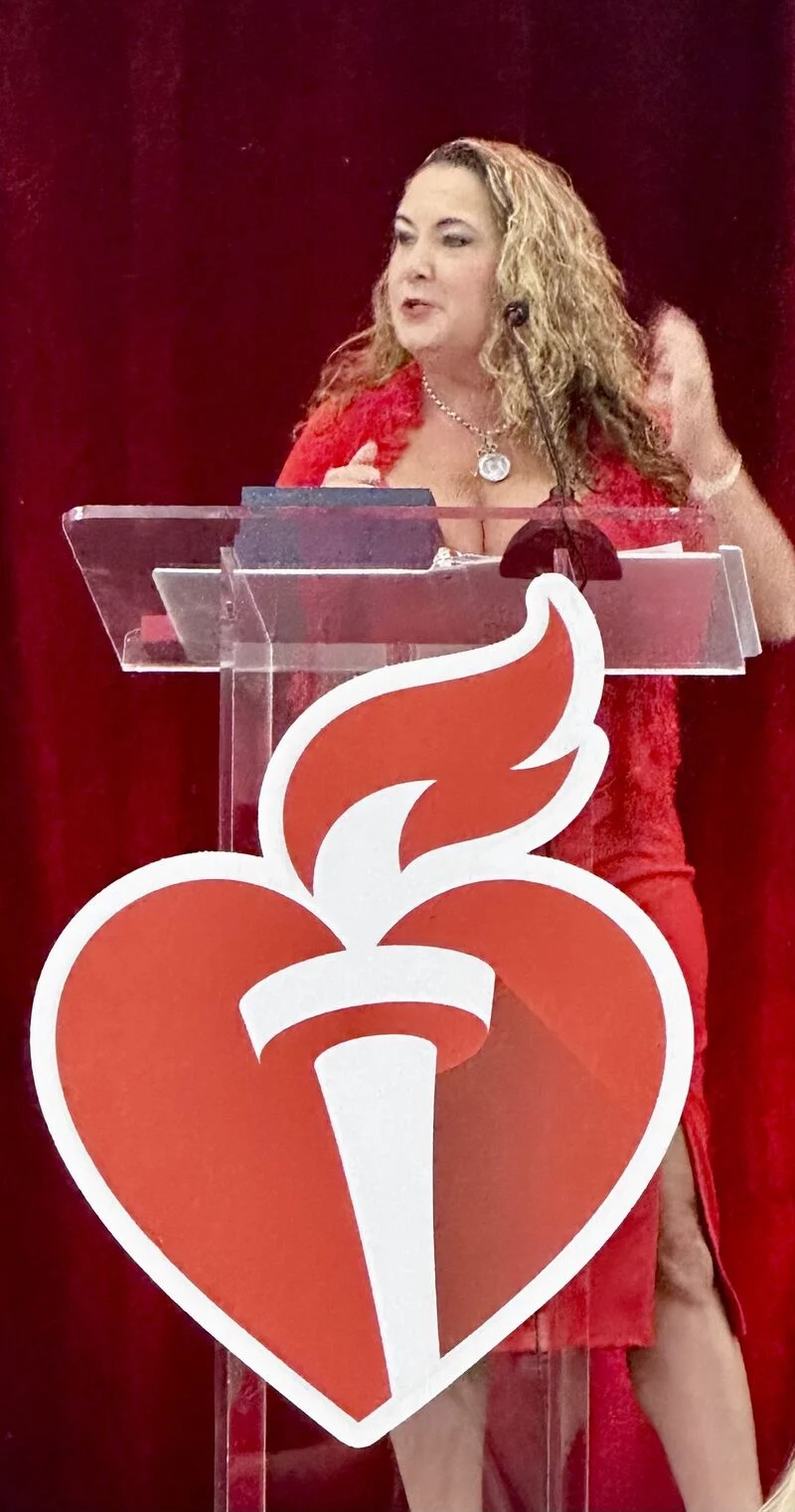
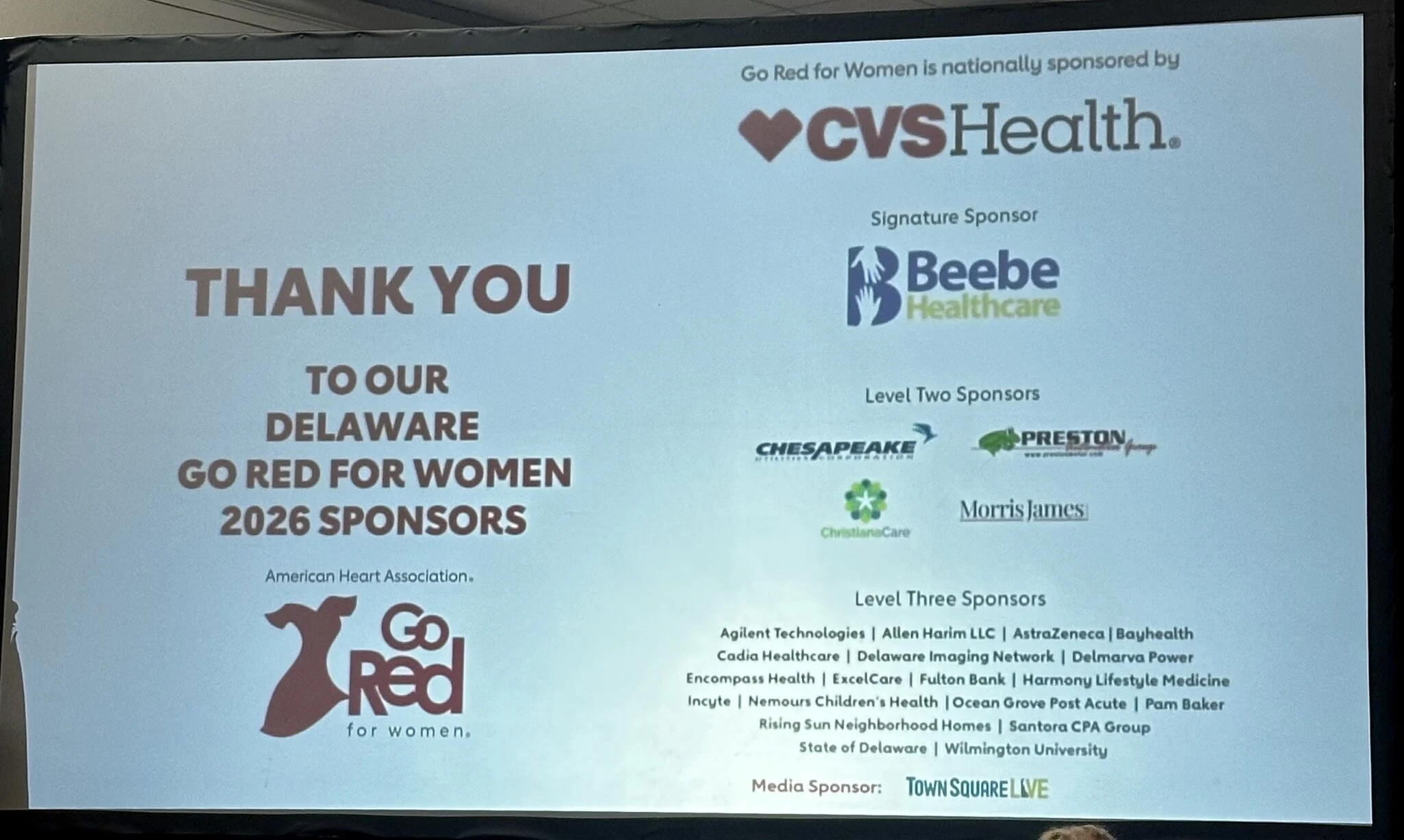
”Today I had the privilege of attending the American Heart Association Go Red for Women luncheon and being the ‘pop-up doc’ for some incredible conversations about heart and brain health.
May is American Stroke Month, and it’s a good time to say this plainly: stroke is one of the leading killers of women – and one of the most preventable.
A few things I wish more women knew:
- Women have unique stroke risk factors – including pregnancy complications, hormonal contraception, migraine with aura, and autoimmune disease
- The warning signs can look different – fatigue, confusion, and sudden headache are easy to dismiss
- Time is brain – every minute of delay costs neurons. Know FAST. Call 911.
The conversations at today’s luncheon reminded me why this work matters beyond the hospital walls.
Getting to meet women where they are – curious, engaged, and ready to advocate for their own health – is one of the best parts of this work.
To every woman who stopped to ask a question today: your brain (and heart) thank you.”
Stay updated with Hemostasis Today.
-
Oct 6, 2026, 16:43Beth Shirley: Xylitol Consumption Increases Platelet Reactivity and Cardiovascular Risk
-
Oct 6, 2026, 16:37Jared Rice: What Sets the Transfusion Threshold in Anemia of Prematurity?
-
Oct 6, 2026, 16:30Thirunavukkarasu Angappan: Immunoglobulin Decides How Much Plasma Gets Collected
-
Oct 6, 2026, 16:18Gemma Davies: New CMML Research Selected for Presentation at the 68th ASH Annual Meeting
-
Oct 6, 2026, 16:03Professor Csongor Kiss Receives the Kálmán Laki Prize – Hungarian Society of Thrombosis and Haemostasis
-
Oct 6, 2026, 15:52Mark Kheifets: A Massive Stent Thrombosis Requiring Aspiration Thrombectomy
-
Oct 6, 2026, 15:40Joseph Aslan։ Targeting Mitochondrial Permeability Transition To Reduce Platelet Thrombogenicity
-
Oct 6, 2026, 15:36Nominations Open for ISTH Outstanding Mentor Awards – ISTH
-
Oct 6, 2026, 15:17Walaa Obaid: How Warfarin Went From Poison To Medicine