

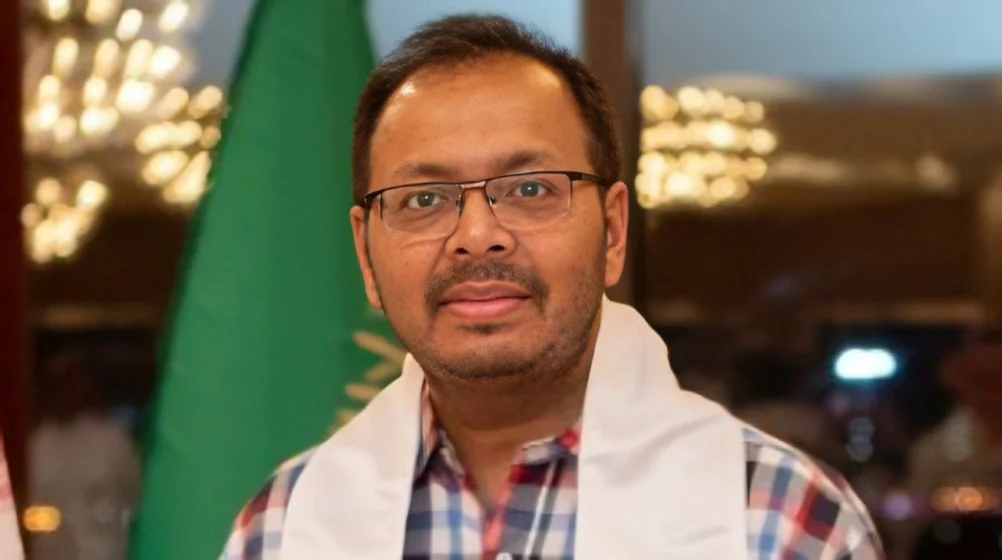
Kalyan Roy: Thalassaemia and the Importance of Early Screening
Kalyan Roy, Transfusion Medicine Specialist at Square Hospitals LTD, shared a post on LinkedIn:
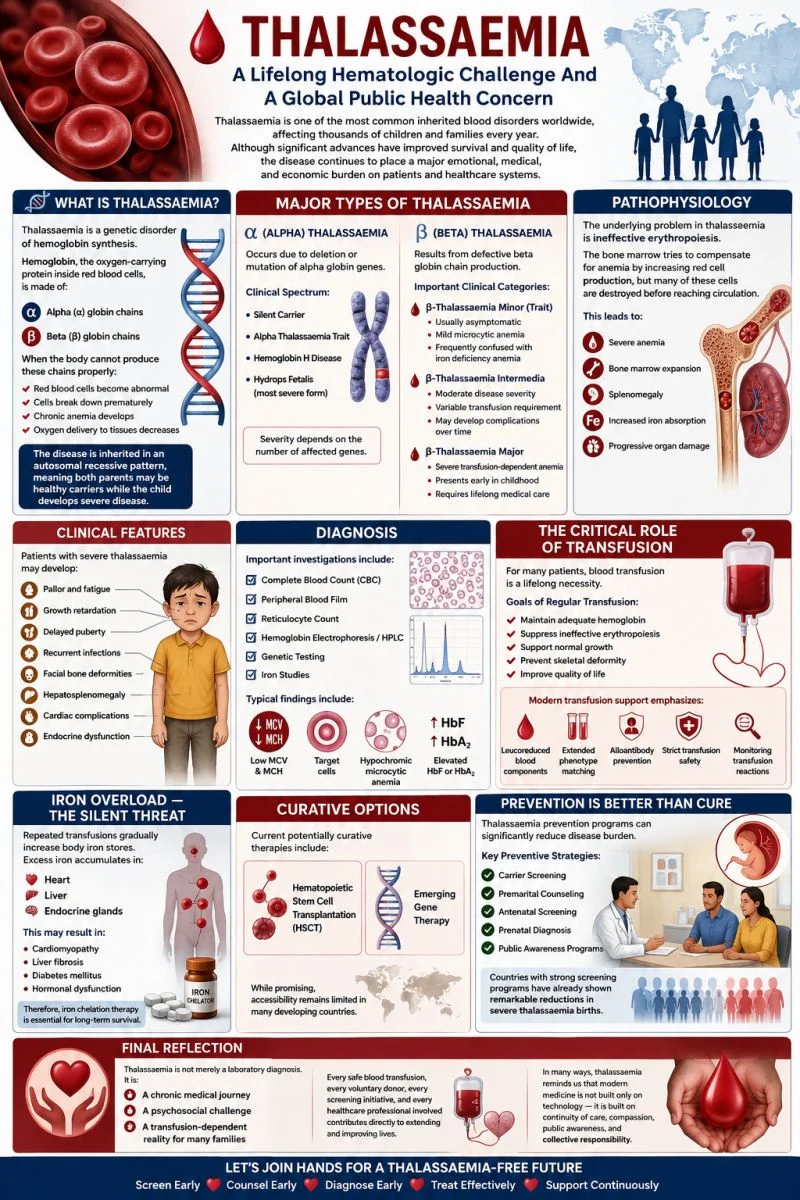
”Thalassaemia
A Lifelong Hematologic Challenge and a Global Public Health Concern
Thalassaemia is one of the most common inherited blood disorders worldwide.
It occurs due to defective production of hemoglobin chains, leading to:
- Chronic anemia
- Premature destruction of red cells
- Reduced oxygen delivery
- Lifelong medical complications
Major Types
Alpha-thalassaemia
- Silent carrier
- Trait
- HbH disease
- Hydrops fetalis
Beta-thalassaemia
- Minor or trait
- Intermedia
- Major or transfusion-dependent
Clinical Impact
Severe thalassaemia may cause:
- Fatigue and pallor
- Bone deformities
- Growth retardation
- Cardiac complications
- Endocrine dysfunction
Without proper treatment, survival becomes difficult.
Diagnosis
Key investigations include:
- Complete blood count and peripheral blood film
- Hemoglobin electrophoresis or HPLC
- Iron studies
- Genetic testing
Typical findings:
- Low MCV and MCH
- Target cells
- Elevated HbF or HbA₂
Transfusion and Iron Overload
Regular transfusion remains lifesaving for many patients.
However, repeated transfusions may lead to iron overload affecting:
- Heart
- Liver
- Endocrine glands
Iron chelation therapy is therefore essential.
Prevention Is the Key
Effective prevention strategies include:
- Carrier screening
- Premarital counseling
- Antenatal screening
- Prenatal diagnosis
- Public awareness
Early screening can prevent severe thalassaemia in future generations.
Final Thought
Thalassaemia is not merely a laboratory diagnosis —it is a lifelong journey affecting patients, families, and healthcare systems.
Every safe transfusion, every voluntary donor, and every screening initiative contributes to saving lives.”
Other posts featuring Kalyan Roy on Hemostasis Today.
-
Oct 10, 2026, 17:58Archo Farzana Batool: Exploring Medical Writing Through an Article on Iron Deficiency Anemia
-
Oct 10, 2026, 17:53Assessing Frailty in Adults With Hemophilia – JTH
-
Oct 10, 2026, 17:52Fatma Sadeghi: Reducing Maternal Health Inequalities Through Nursing Advocacy
-
Oct 10, 2026, 17:50Grzegorz Hensler: How Apheresis Transformed Blood Cell Separation and Collection
-
Oct 10, 2026, 17:47Hemant K Sharma: Japan’s Universal Artificial Blood Research – A Potential Breakthrough in Transfusion Medicine
-
Oct 10, 2026, 17:40John Strouse: Learning About Bleeding Disorders and Sickle Cell Disease at FWGBD
-
Oct 10, 2026, 17:34Mae Caime: Speaking at the Annual Women’s Retreat for the Hemophilia Community in Florida
-
Oct 10, 2026, 17:30Chokri Ben Lamine: PNH beyond the Textbook Triad
-
Oct 10, 2026, 17:29Ruah Alyamany: Thrombosis and Anticoagulation in Hematological Malignancies at SOHO KSA 2026