


Piotr Czempik: First Report of ROTEM Findings in Triple-Positive APS and Hageman Anomaly
Piotr Czempik, Chair of Department of Anesthesiology and Intensive Care at Medical University of Silesia, shared on LinkedIn about a recent article he and Tomasz Wikarek co-authored, published in Acta Haematologica Polonica, adding:
”I am pleased to share our newly published clinical vignette ‘Unusual viscoelastic hemostatic phenotype in a patient with coexisting antiphospholipid syndrome and Hageman anomaly: a case report.’
This publication documents something truly unique in the field of hemostasis and perioperative medicine: the first-ever description of ROTEM findings in a patient with both triple‑positive antiphospholipid syndrome (APS) and factor XII deficiency – Hageman anomaly (HA), evaluated during late pregnancy, just before cesarean delivery.
The coexistence of APS and HA is already exceptionally rare. Adding the physiological hypercoagulability of the third trimester creates a highly complex immuno‑coagulation environment.
Yet, despite this prothrombotic background, the patient demonstrated:
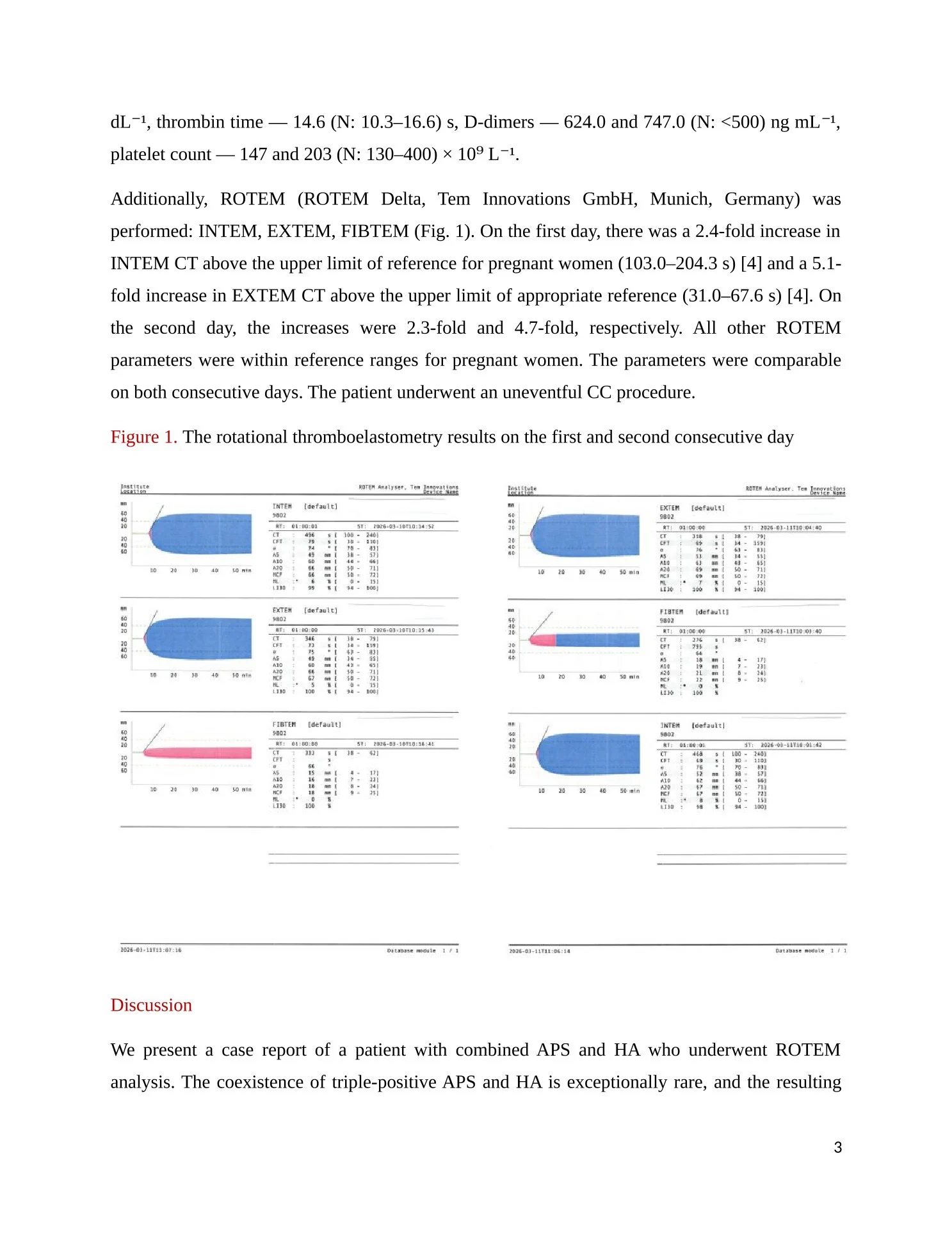
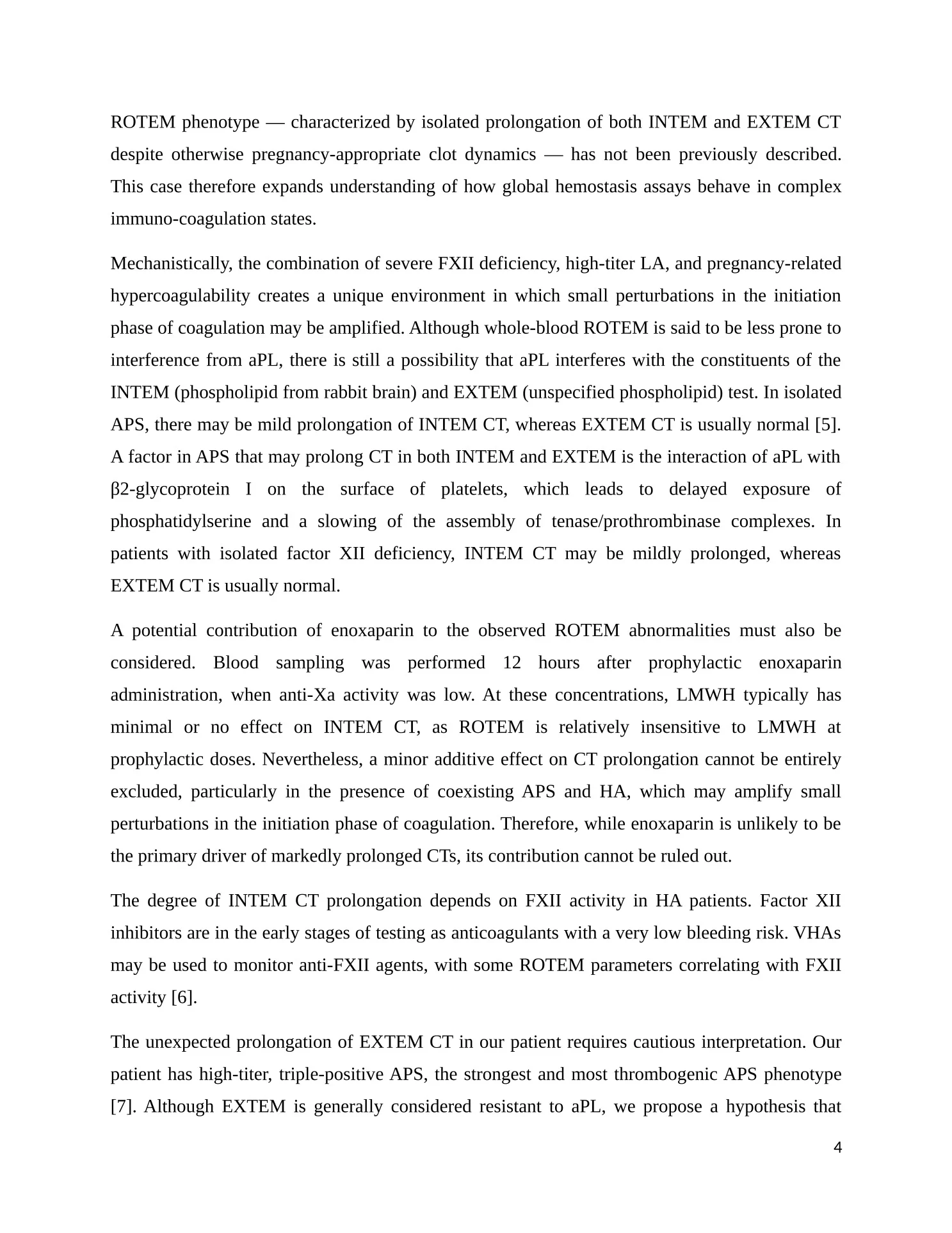
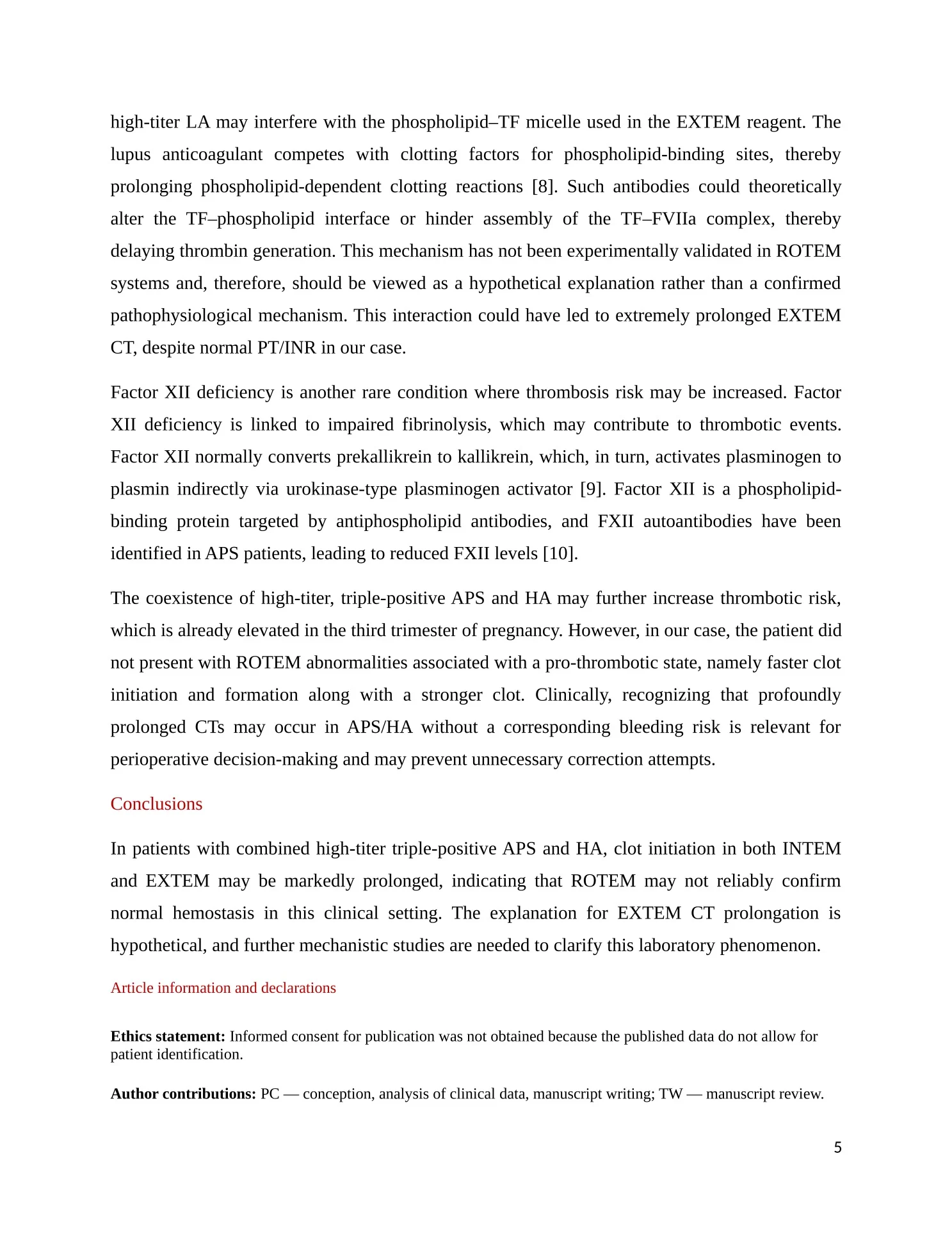
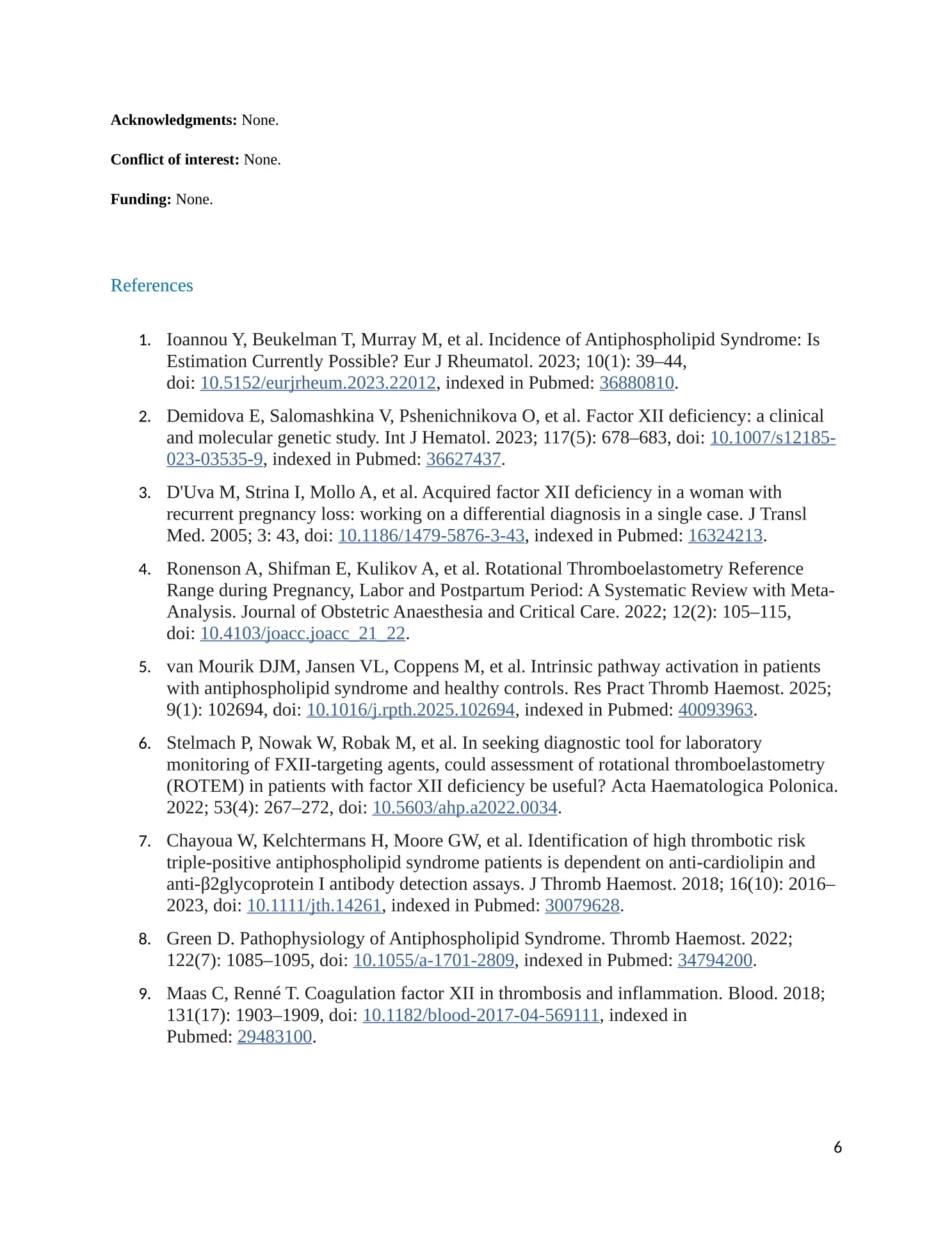
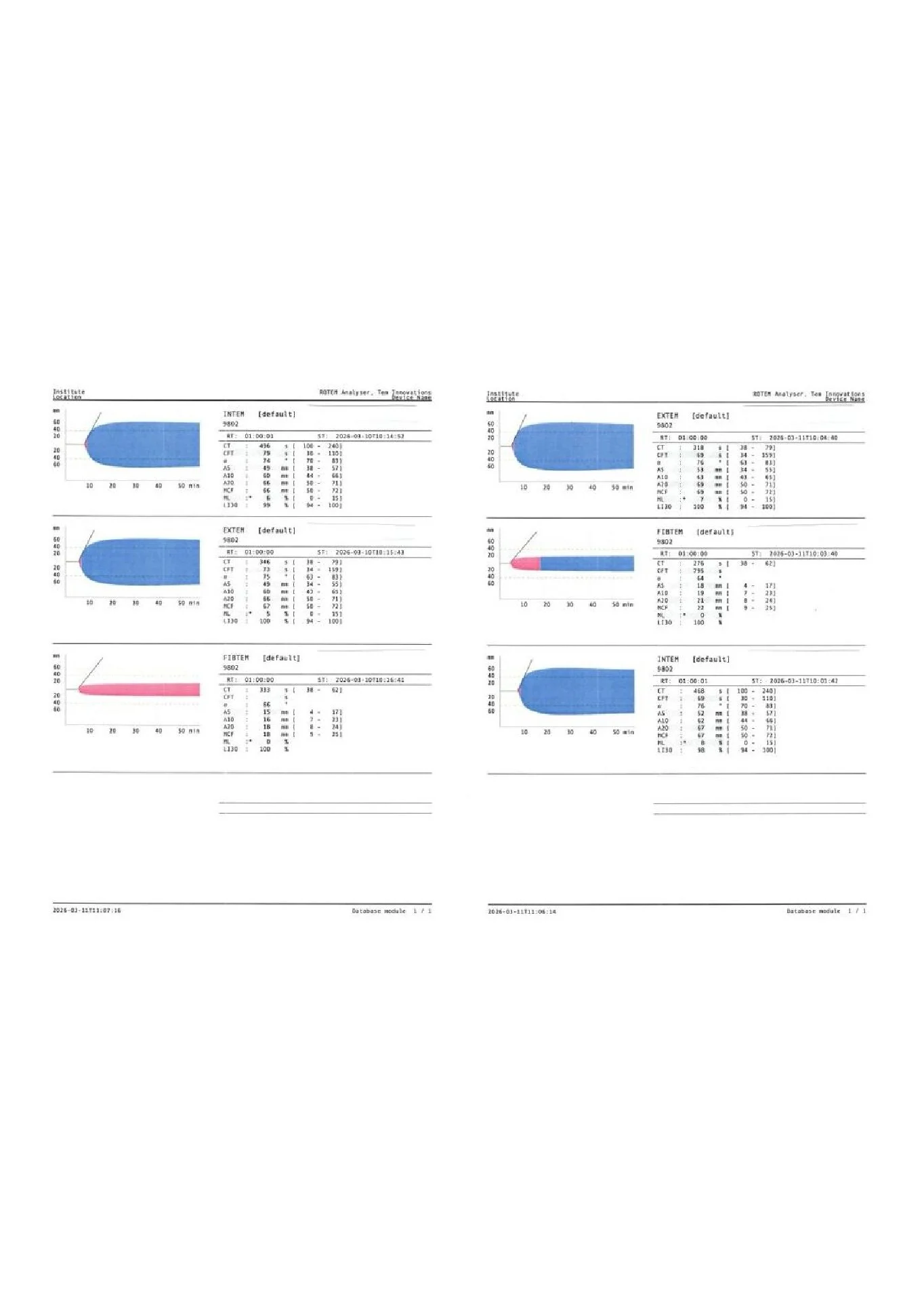
- markedly prolonged INTEM clotting time
- markedly prolonged EXTEM clotting time
- otherwise normal pregnancy‑adjusted clot dynamics
This ROTEM phenotype has never been previously described.
From an educational standpoint, the case raises several important questions for clinicians and researchers:
- How do antiphospholipid antibodies interact with the phospholipid‑based reagents used in ROTEM assays?
Although EXTEM is generally considered resistant to lupus anticoagulant, our findings suggest that very high‑titer antiphospholipid antibodies may still interfere with the tissue factor (TF)–phospholipid micelle, delaying clot initiation.
- How does severe HA modify the initiation phase of coagulation in whole‑blood viscoelastic testing?
HA prolongs aPTT but typically has limited impact on ROTEM. Yet in this case, the combination of APS+HA produced a profound effect.
- How should clinicians interpret prolonged ROTEM clotting times in APS/HA patients, especially in the perioperative or peripartum setting?
Importantly, despite the extreme CT prolongation, the patient had no bleeding tendency and underwent an uneventful cesarean section.
This case underscores a key clinical message: In patients with combined high-titer triple-positive APS and HA, clot initiation in both INTEM and EXTEM may be markedly prolonged, indicating that ROTEM may not reliably confirm normal hemostasis in this clinical setting.
The explanation for EXTEM CT prolongation is hypothetical, and further mechanistic studies are needed to clarify this laboratory phenomenon.”
Title: Unusual viscoelastic hemostatic phenotype in a patient with coexisting antiphospholipid syndrome and Hageman anomaly:a case report
Authors: Piotr Filip Czempik, Tomasz Wikarek
Stay updated on all scientific advances with Hemostasis Today.

-
Oct 10, 2026, 17:58Archo Farzana Batool: Exploring Medical Writing Through an Article on Iron Deficiency Anemia
-
Oct 10, 2026, 17:53Assessing Frailty in Adults With Hemophilia – JTH
-
Oct 10, 2026, 17:52Fatma Sadeghi: Reducing Maternal Health Inequalities Through Nursing Advocacy
-
Oct 10, 2026, 17:50Grzegorz Hensler: How Apheresis Transformed Blood Cell Separation and Collection
-
Oct 10, 2026, 17:47Hemant K Sharma: Japan’s Universal Artificial Blood Research – A Potential Breakthrough in Transfusion Medicine
-
Oct 10, 2026, 17:40John Strouse: Learning About Bleeding Disorders and Sickle Cell Disease at FWGBD
-
Oct 10, 2026, 17:34Mae Caime: Speaking at the Annual Women’s Retreat for the Hemophilia Community in Florida
-
Oct 10, 2026, 17:30Chokri Ben Lamine: PNH beyond the Textbook Triad
-
Oct 10, 2026, 17:29Ruah Alyamany: Thrombosis and Anticoagulation in Hematological Malignancies at SOHO KSA 2026