

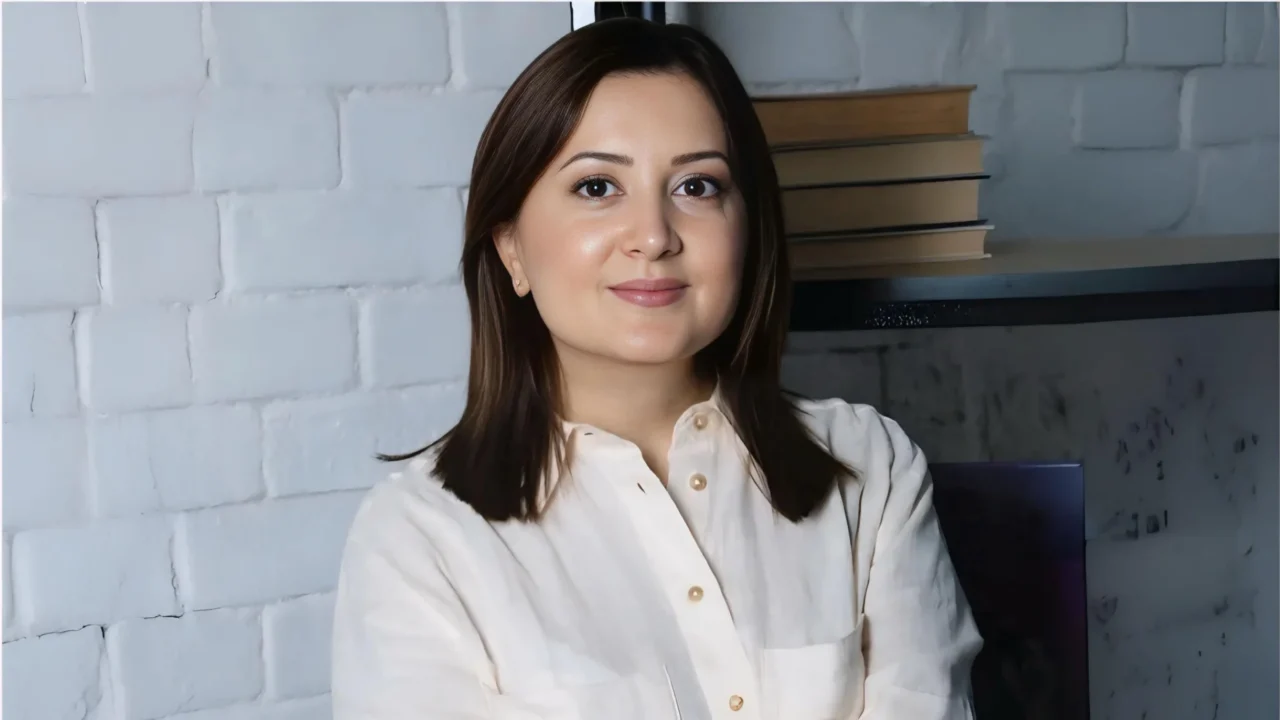
Heghine Khachatryan: Thrombosis in Oncology Remains a Major Healthcare Burden
Heghine Khachatryan, Editor-in-Chief of Hemostasis Today, Head of Hemophilia and Thrombosis Center at Yeolyan Hematology and Oncology Center, shared RPTH Journal’s post on LinkedIn:
”Venous thromboembolism in cancer is not only a clinical complication – it is a major healthcare burden.
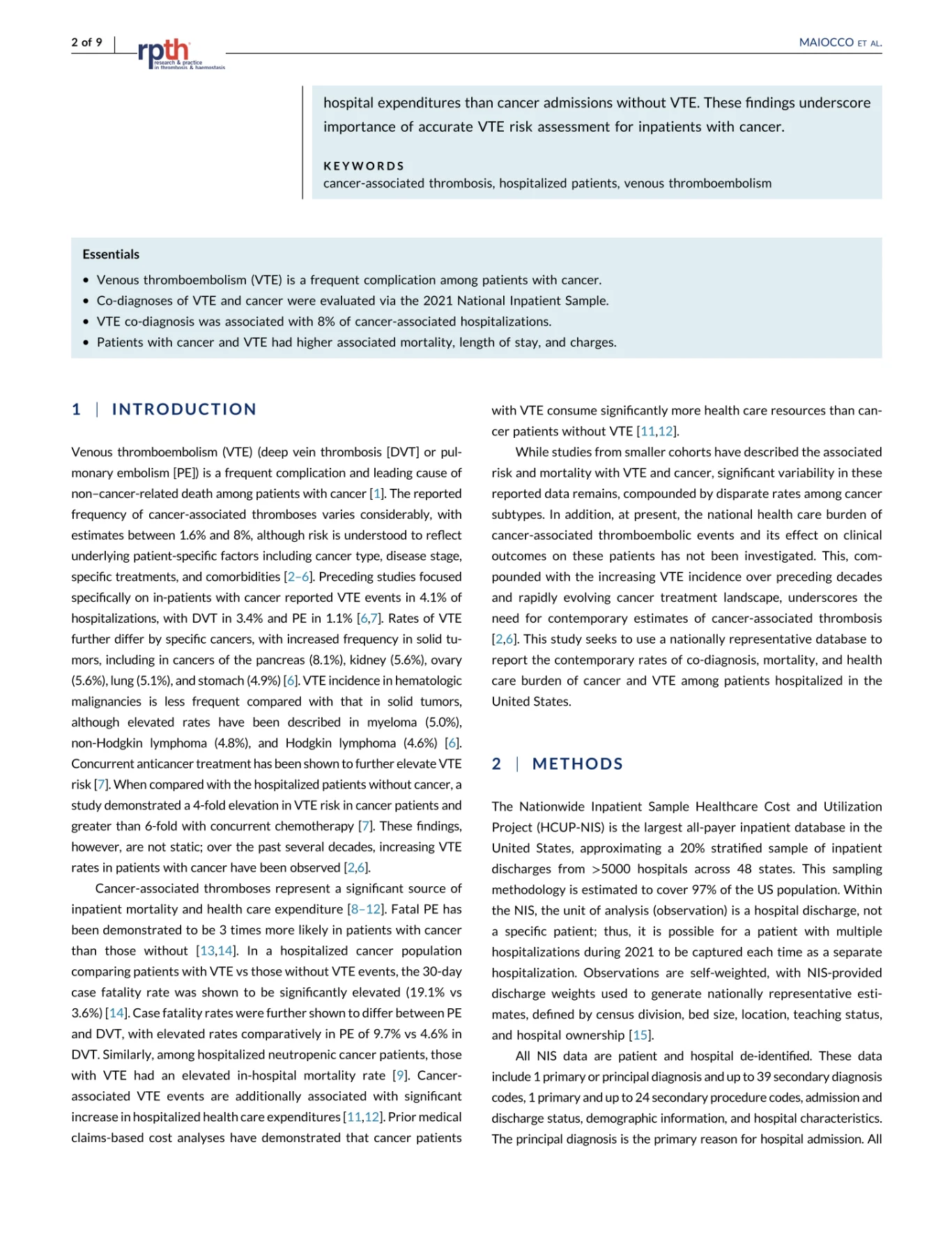
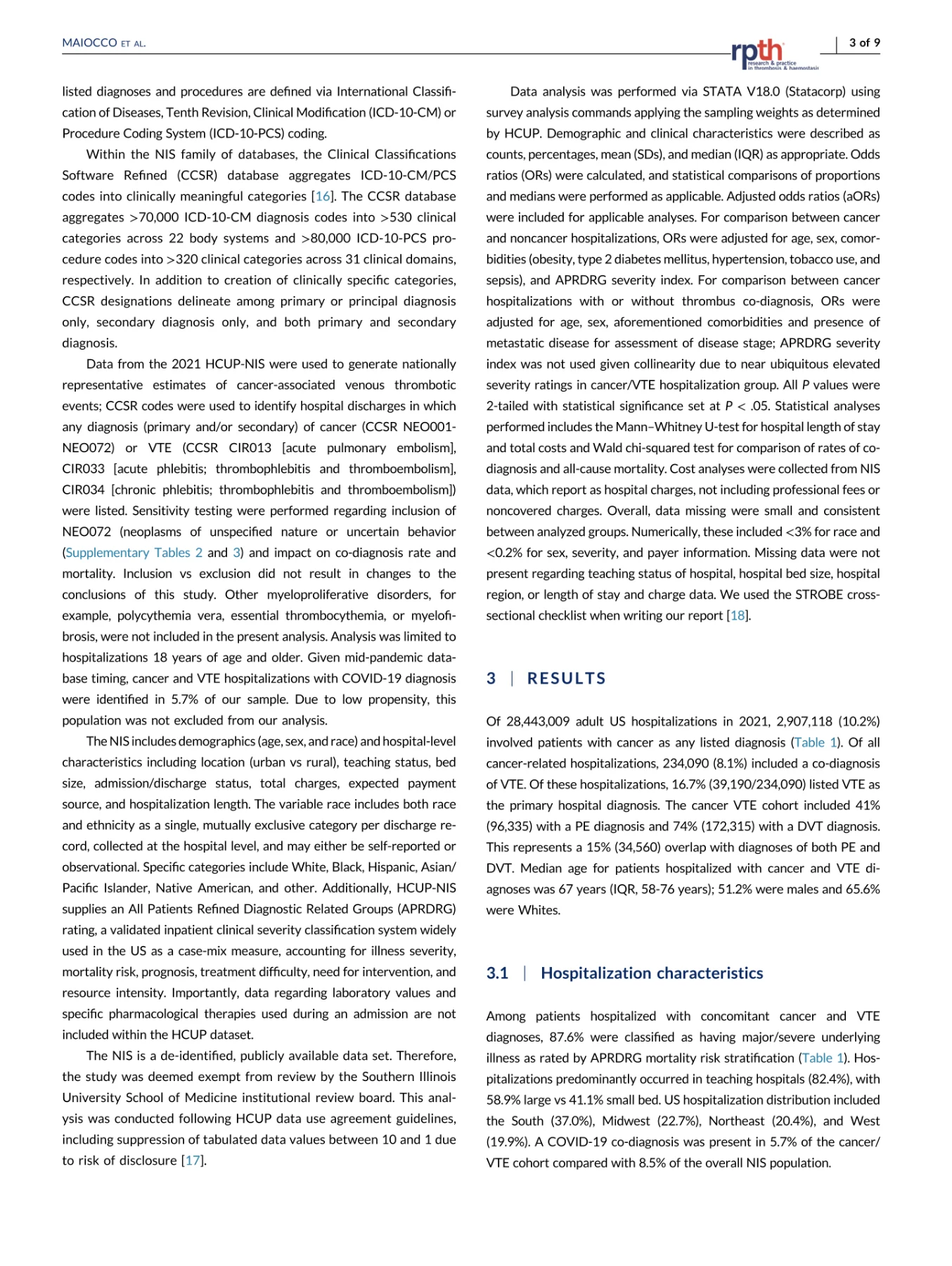
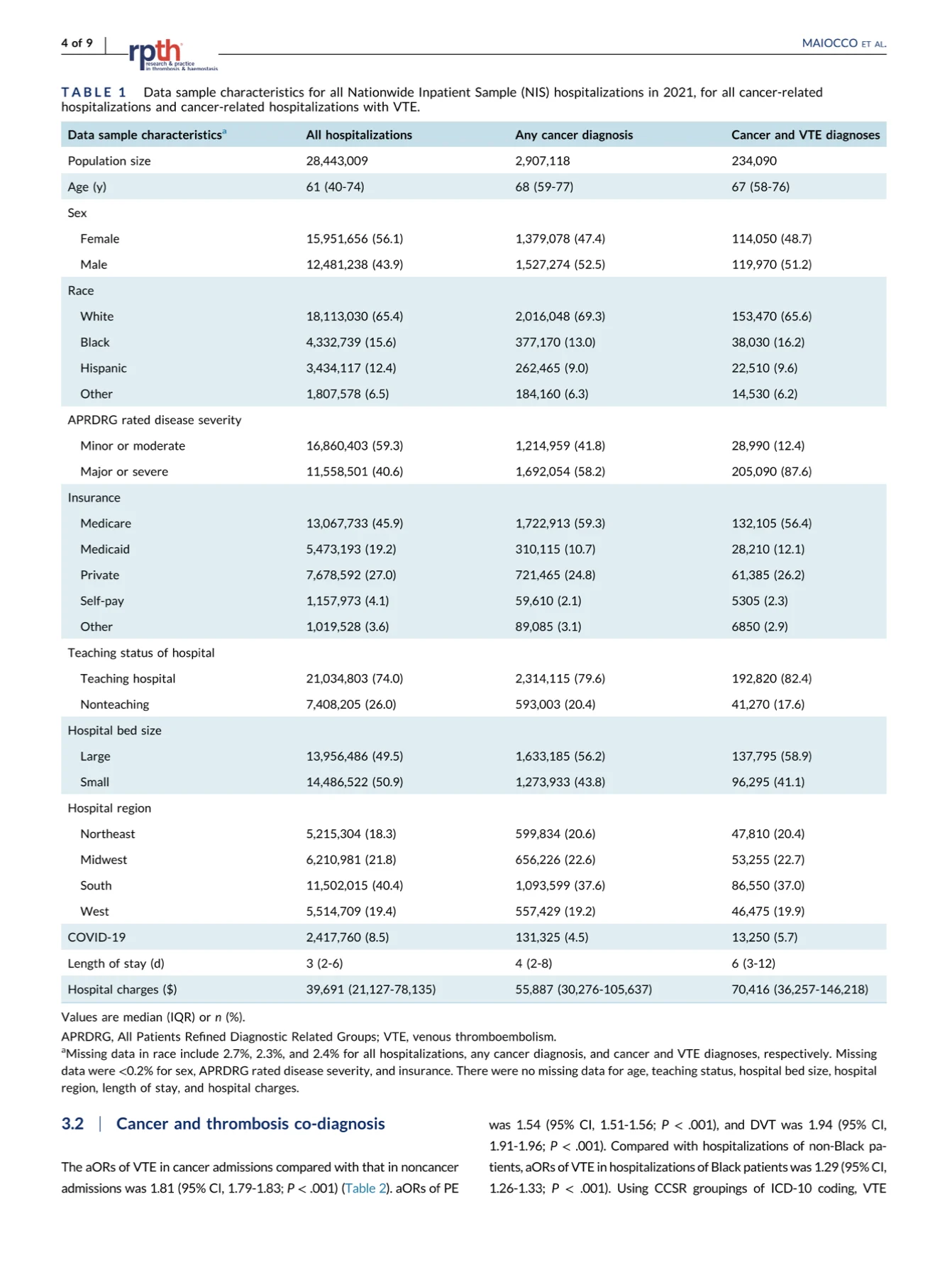
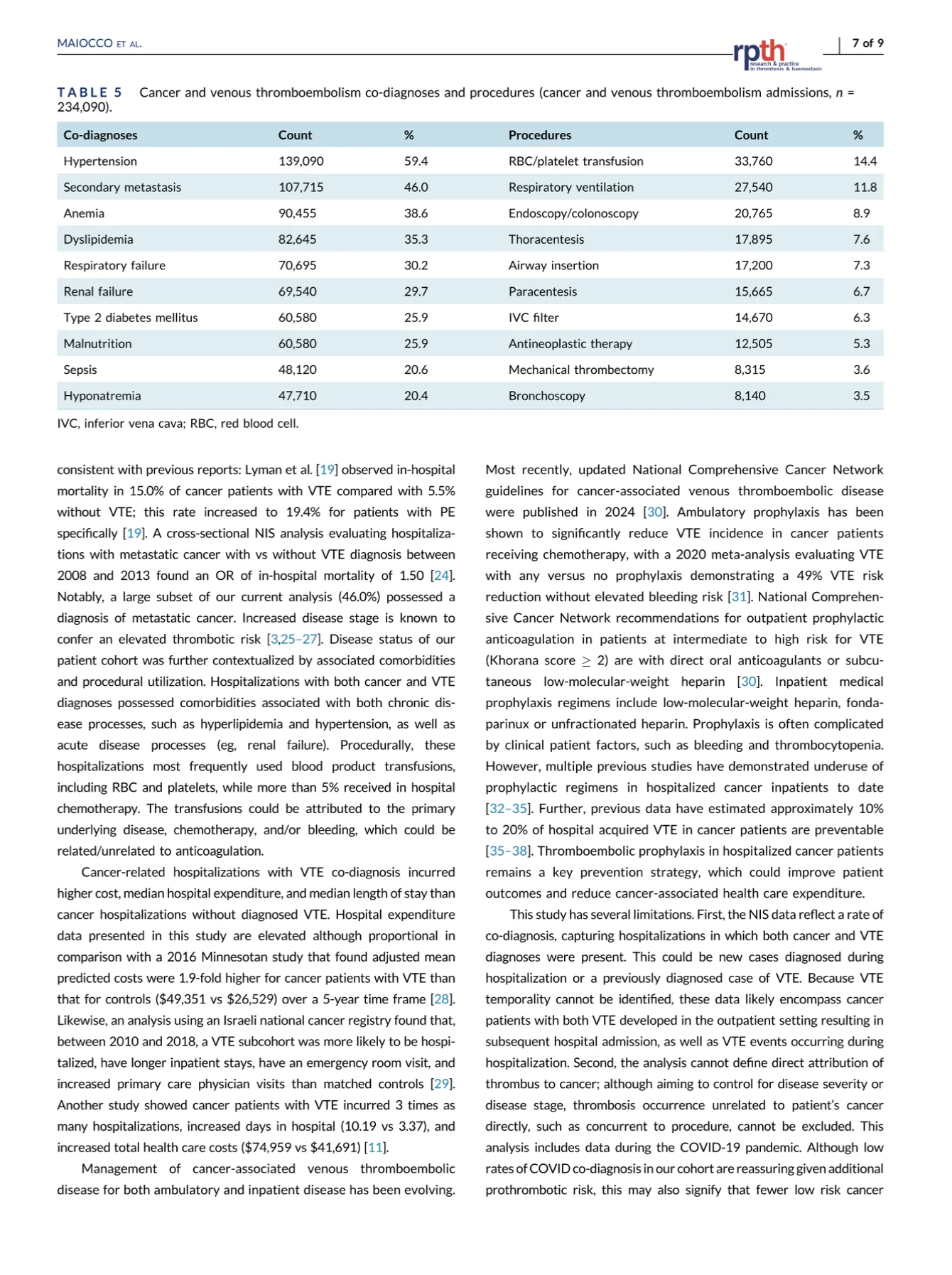
A recent publication in RPTH Journal analyzed more than 2.9 million cancer-related hospitalizations across the United States and demonstrated the profound impact of venous thromboembolism (VTE) on mortality, hospitalization duration, and healthcare costs.
The study once again emphasizes an important reality:
early recognition of thrombotic risk, timely thromboprophylaxis, and multidisciplinary management are essential components of modern oncology and hematology care.
Cancer-associated thrombosis remains one of the leading preventable causes of morbidity and mortality in oncology patients, underscoring the need for stronger awareness, risk stratification, and personalized prevention strategies worldwide.
Scientific evidence continues to reinforce that thrombosis is not a secondary issue in cancer care – it is a central clinical challenge.”
RPTH Journal shared a post on LinkedIn about a recent article by Giuseppe Maiocco et al., adding:
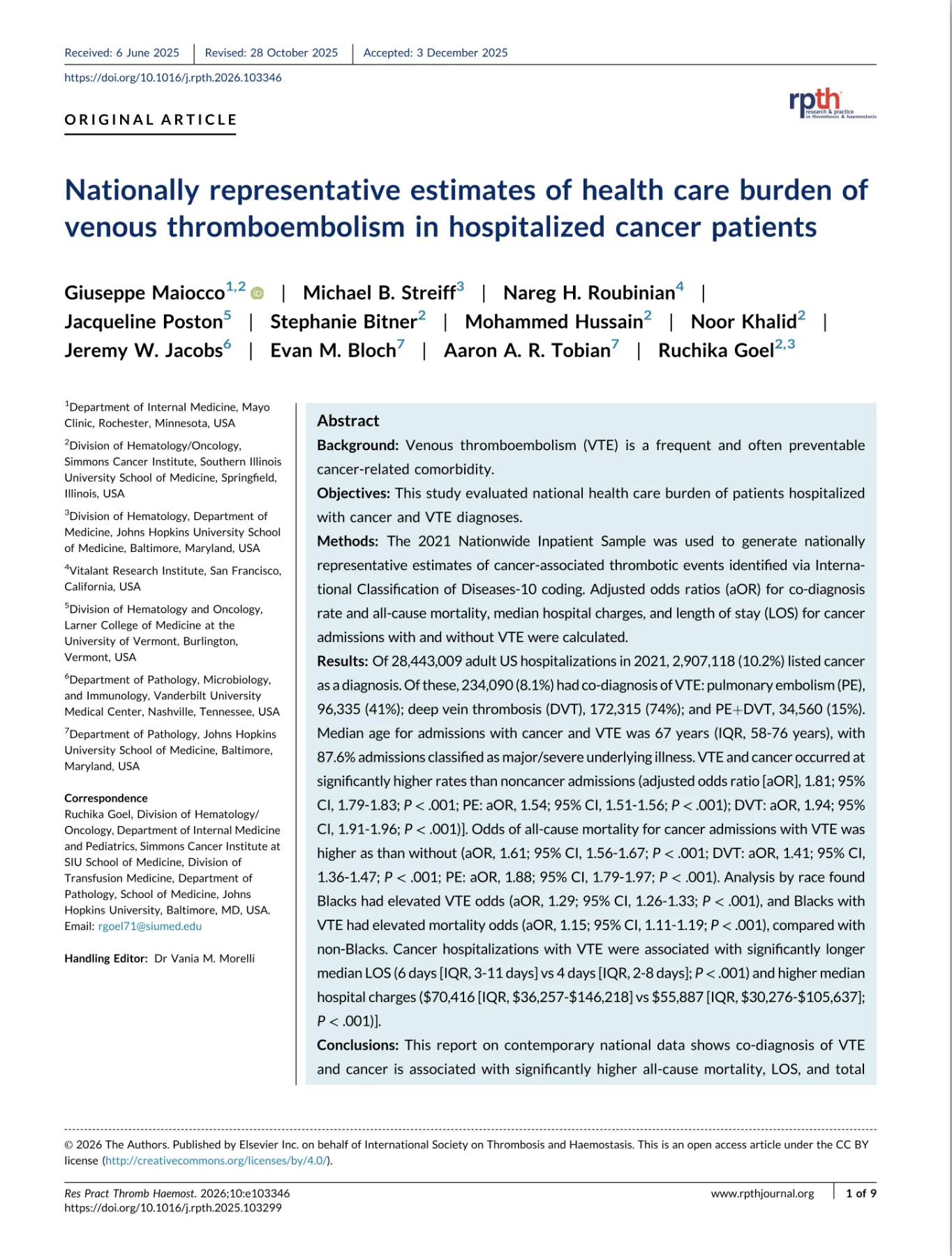
”A new RPTH analysis using the 2021 Nationwide Inpatient Sample evaluated more than 2.9 million US cancer-related hospitalizations to quantify the impact of venous thromboembolism (VTE) in hospitalized cancer patients.
The numbers are striking:
- 8.1 percent of cancer hospitalizations had co-diagnosis of VTE
- 234,090 cancer-associated VTE hospitalizations nationally in 2021
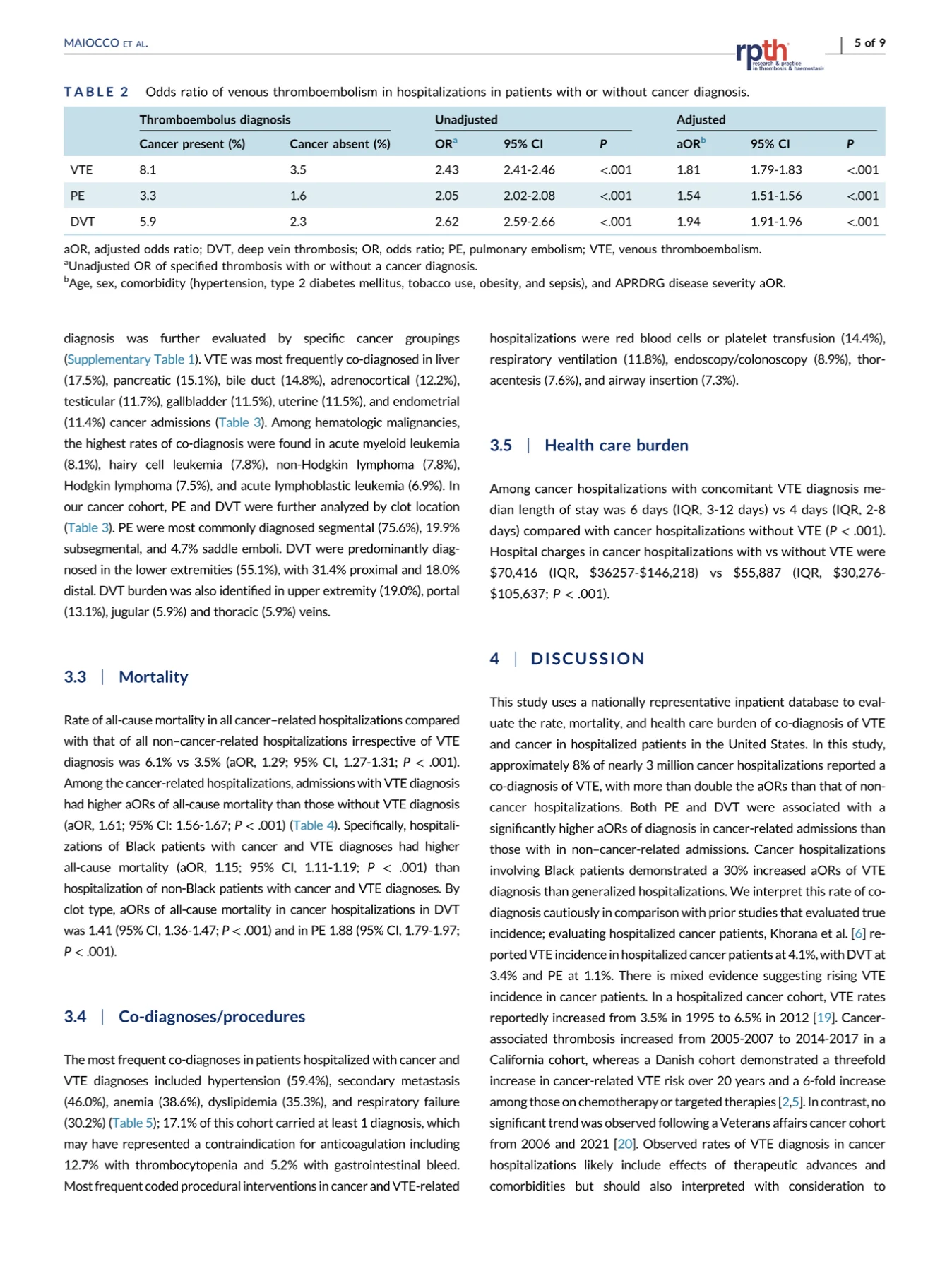
- Cancer admissions had nearly double the odds of VTE compared with noncancer admissions (aOR 1.81)
The burden extended well beyond thrombosis itself.
Compared with cancer admissions without VTE, cancer hospitalizations with VTE showed:
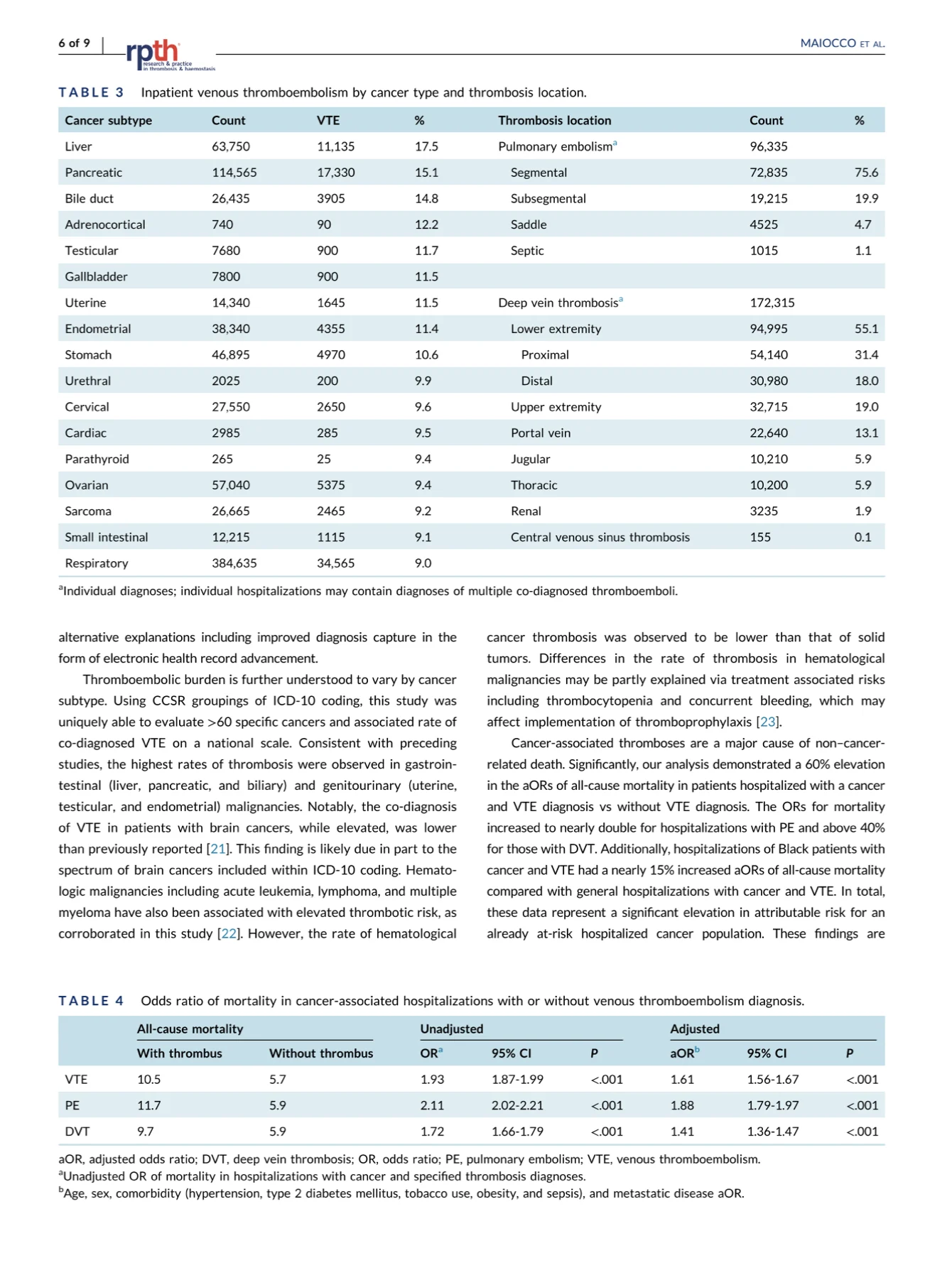
- Higher all-cause mortality (aOR 1.61)
- Longer hospital stays (median 6 vs 4 days)
- Much higher hospital charges (approximately 70k dollar vs approximately 56k dollar median)
Pulmonary embolism carried particularly high risk:
- PE-associated mortality odds approached 2-fold higher (aOR 1.88)
The study also identified important disparities:
- Black patients had higher odds of VTE diagnosis
- Black patients with cancer-associated VTE also had higher mortality odds than non-Black patients
Which cancers carried the highest thrombotic burden?
Highest VTE co-diagnosis rates were observed in:
- Liver cancer
- Pancreatic cancer
- Bile duct cancer
- Gallbladder cancer
- Uterine and endometrial cancers
One important message from this paper:
- Cancer-associated thrombosis is not a niche complication; it represents a major driver of mortality, resource utilization, and health inequity at a national scale.
The authors also highlight a critical point:
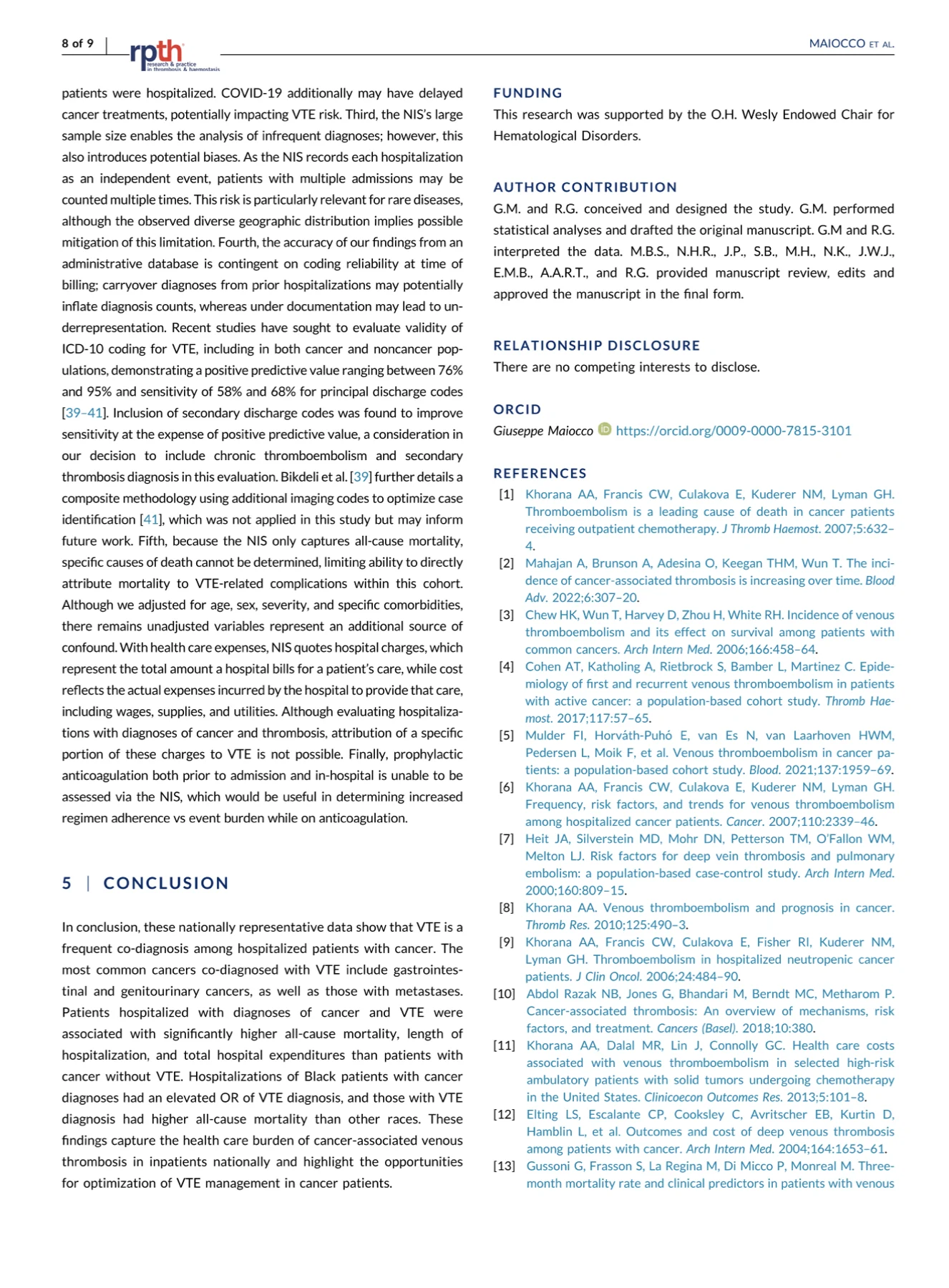
- A substantial proportion of cancer-associated inpatient thrombosis may still be preventable with optimized prophylaxis strategies. A powerful reminder that thrombosis prevention remains a central part of cancer care – not simply supportive care.”
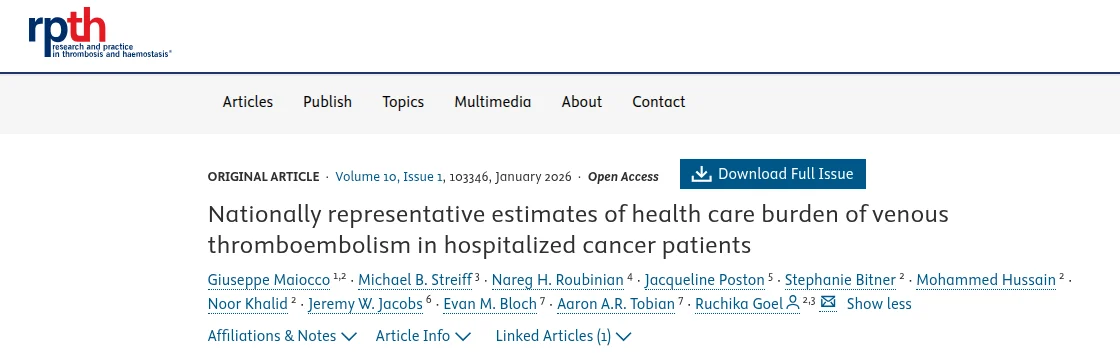
Title: Nationally representative estimates of health care burden of venous thromboembolism in hospitalized cancer patients
Authors: Giuseppe Maiocco, Michael B. Streiff, Nareg H. Roubinian, Jacqueline Poston, Stephanie Bitner, Mohammed Hussain, Noor Khalid, Jeremy W. Jacobs, Evan M. Bloch, Aaron A.R. Tobian, Ruchika Goel
Other posts featuring Heghine Khachatryan and RPTH Journal on Hemostasis Today.
-
Oct 10, 2026, 17:58Archo Farzana Batool: Exploring Medical Writing Through an Article on Iron Deficiency Anemia
-
Oct 10, 2026, 17:53Assessing Frailty in Adults With Hemophilia – JTH
-
Oct 10, 2026, 17:52Fatma Sadeghi: Reducing Maternal Health Inequalities Through Nursing Advocacy
-
Oct 10, 2026, 17:50Grzegorz Hensler: How Apheresis Transformed Blood Cell Separation and Collection
-
Oct 10, 2026, 17:47Hemant K Sharma: Japan’s Universal Artificial Blood Research – A Potential Breakthrough in Transfusion Medicine
-
Oct 10, 2026, 17:40John Strouse: Learning About Bleeding Disorders and Sickle Cell Disease at FWGBD
-
Oct 10, 2026, 17:34Mae Caime: Speaking at the Annual Women’s Retreat for the Hemophilia Community in Florida
-
Oct 10, 2026, 17:30Chokri Ben Lamine: PNH beyond the Textbook Triad
-
Oct 10, 2026, 17:29Ruah Alyamany: Thrombosis and Anticoagulation in Hematological Malignancies at SOHO KSA 2026