

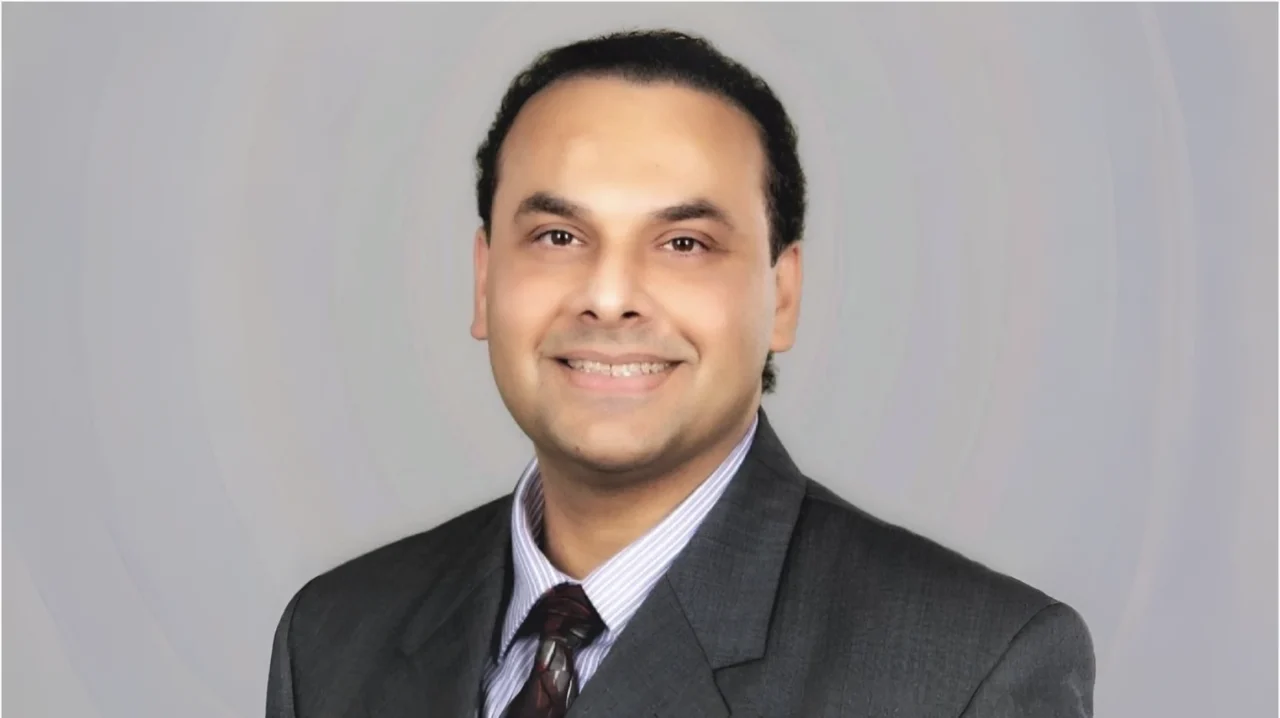
Syed A Rizvi: Medical Scoring Systems – Small Numbers, Big Clinical Decisions
Syed A Rizvi, Public Health Program Specialist at Illinois Department of Public Health (IDPH), shared on LinkedIn:
”Medical Scoring Systems: Small Numbers, Big Clinical Decisions
Every day, clinicians make complex decisions under conditions of uncertainty.
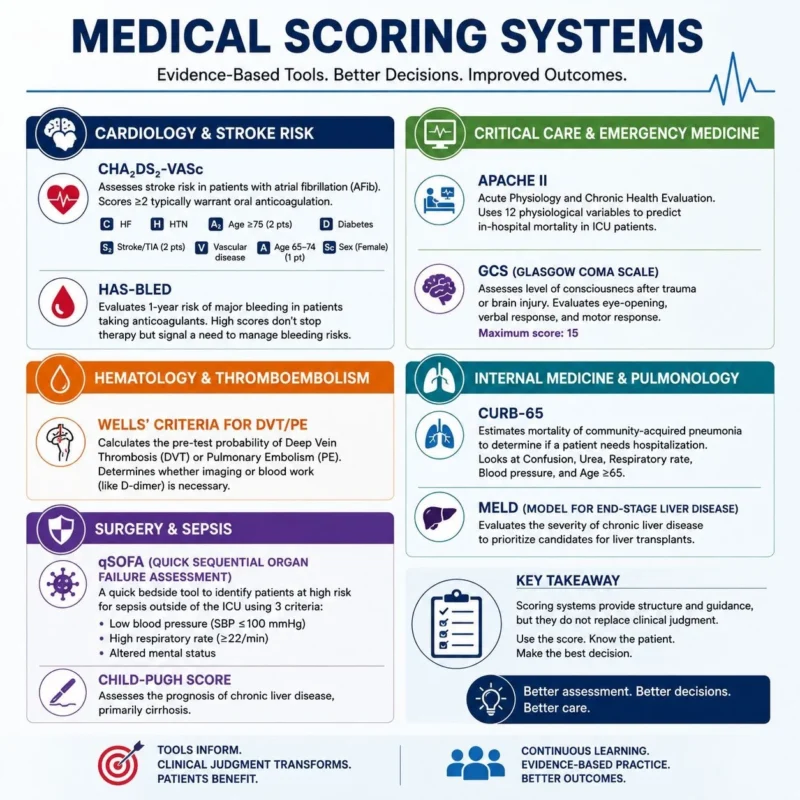
Medical scoring systems help transform patient data into actionable insights, supporting evidence-based care while improving consistency and communication across healthcare teams.
Some of the most widely used scoring systems include:
- Cardiology and Stroke Prevention
- CHA₂DS₂-VASc – Estimates stroke risk in patients with atrial fibrillation and guides anticoagulation decisions.
- HAS-BLED – Assesses bleeding risk in patients receiving anticoagulant therapy.
Critical Care and Emergency Medicine
- APACHE II – Predicts mortality risk in critically ill ICU patients.
- Glasgow Coma Scale (GCS) – Evaluates neurological status following trauma, stroke, or altered mental status.
Hematology and Thromboembolism
- Wells Score – Estimates the probability of deep vein thrombosis (DVT) or pulmonary embolism (PE), guiding further diagnostic testing.
Internal Medicine and Pulmonology
- CURB-65 – Helps determine the severity of community-acquired pneumonia and the need for hospitalization.
- MELD Score – Assesses the severity of chronic liver disease and helps prioritize liver transplant candidates.
Sepsis and Surgical Care
- qSOFA – A rapid bedside screening tool for identifying patients at risk of poor outcomes from sepsis.
- Child-Pugh Score – Evaluates prognosis and disease severity in cirrhosis.
As healthcare increasingly embraces artificial intelligence and predictive analytics, these scoring systems remain foundational tools for risk stratification and clinical decision-making.
Yet they are exactly that—tools, not substitutes for clinical judgment.
The best outcomes occur when evidence-based algorithms are combined with experience, critical thinking, and patient-centered care.”
Stay updated with Hemostasis Today.
-
Oct 20, 2026, 16:51Suzan Nakasendwa: A Growing Stroke Challenge in Uganda
-
Oct 20, 2026, 16:38Steve Moon: How Does Smoking Cessation Duration Affect Ischemic Stroke Risk
-
Oct 20, 2026, 16:25Cedrice Mentor: Reducing Platelet Wastage Through Cold Storage
-
Oct 20, 2026, 16:09Thirunavukkarasu Angappan: Can a Purified Fibrinogen Concentrate Replace Cryoprecipitate
-
Oct 20, 2026, 16:01Kalyan Roy: Platelet Conservation Through Evidence-Based Transfusion Practice
-
Oct 20, 2026, 15:28Stacy E. Croteau: 33 Countries, One Mission – Better Bleeding Disorder Care
-
Oct 20, 2026, 15:19Teresa Barnes: What Does a Pulmonary Embolism Mean for Jalen Hurts?
-
Oct 20, 2026, 15:04Laura S.: Could Speaking Up Prevent Maternal Deaths from Thrombosis?
-
Oct 20, 2026, 14:44Pete Stibbs: VTE in Professional Athletes – When Fitness Is Not Enough