

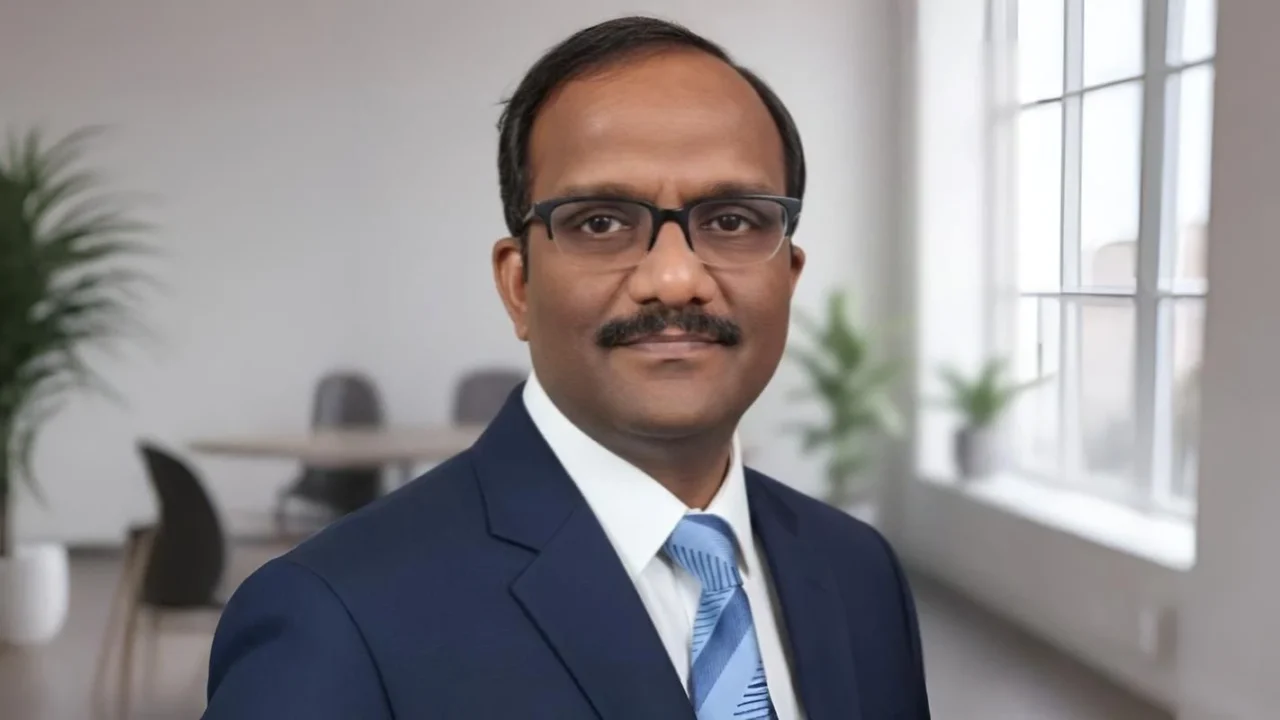
Purusotham Chippala: A 47-Year-Old Stroke Survivor Taught Me Something Modern Healthcare Keeps Ignoring
Purusotham Chippala, Professor at Nitte Institute of Physiotherapy, shared a post on LinkedIn:
”A 47-Year-Old Stroke Survivor Taught Me Something Modern Healthcare Keeps Ignoring…
Last week, I met a 47-year-old woman recovering from her second stroke.
She could walk.
She could perform most of her daily activities.
But when I asked what might have contributed to her stroke, her answers painted a bigger picture than any MRI scan could.
- Chronic workplace stress
- Living alone
- Sleeping at 3 AM after hours of social media scrolling
- Rushing to work every morning without breakfast
- Long workdays (9 AM–7 PM)
- Frequent junk food and food delivery meals
- No regular exercise
- Overweight
- Diabetes and hypertension medications often missed
- Financial stress
- Recently diagnosed with an adjustment disorder
This wasn’t just a stroke.
This was a lifestyle emergency that eventually became a neurological emergency.
As healthcare professionals, we often focus on:
- Blood pressure
- Blood sugar
- Brain scans
- Medications
- Rehabilitation exercises
But how often do we assess:
- Sleep quality
- Stress levels
- Physical inactivity
- Social isolation
- Nutrition habits
- Screen addiction
- Medication adherence
The brain does not live in isolation.
Every late night, every missed medication, every sedentary day, every unmanaged stressor leaves a footprint on brain health.
Stroke rehabilitation is not only about restoring movement.
It is also about rebuilding a healthier life.
As neurophysiotherapists, we must move beyond exercise prescription and embrace Lifestyle Therapy as a core component of stroke prevention and recovery.
- Better sleep
- Regular physical activity
- Healthy nutrition
- Stress management
- Medication adherence
- Social support
Sometimes the most important risk factors are not found in the medical records—they are hidden in the patient’s daily routine.
The lesson?
Treat the brain, but don’t forget the life that the brain lives in.”
Stay updated with Hemostasis Today.
-
Oct 20, 2026, 16:51Suzan Nakasendwa: A Growing Stroke Challenge in Uganda
-
Oct 20, 2026, 16:38Steve Moon: How Does Smoking Cessation Duration Affect Ischemic Stroke Risk
-
Oct 20, 2026, 16:25Cedrice Mentor: Reducing Platelet Wastage Through Cold Storage
-
Oct 20, 2026, 16:09Thirunavukkarasu Angappan: Can a Purified Fibrinogen Concentrate Replace Cryoprecipitate
-
Oct 20, 2026, 16:01Kalyan Roy: Platelet Conservation Through Evidence-Based Transfusion Practice
-
Oct 20, 2026, 15:28Stacy E. Croteau: 33 Countries, One Mission – Better Bleeding Disorder Care
-
Oct 20, 2026, 15:19Teresa Barnes: What Does a Pulmonary Embolism Mean for Jalen Hurts?
-
Oct 20, 2026, 15:04Laura S.: Could Speaking Up Prevent Maternal Deaths from Thrombosis?
-
Oct 20, 2026, 14:44Pete Stibbs: VTE in Professional Athletes – When Fitness Is Not Enough