

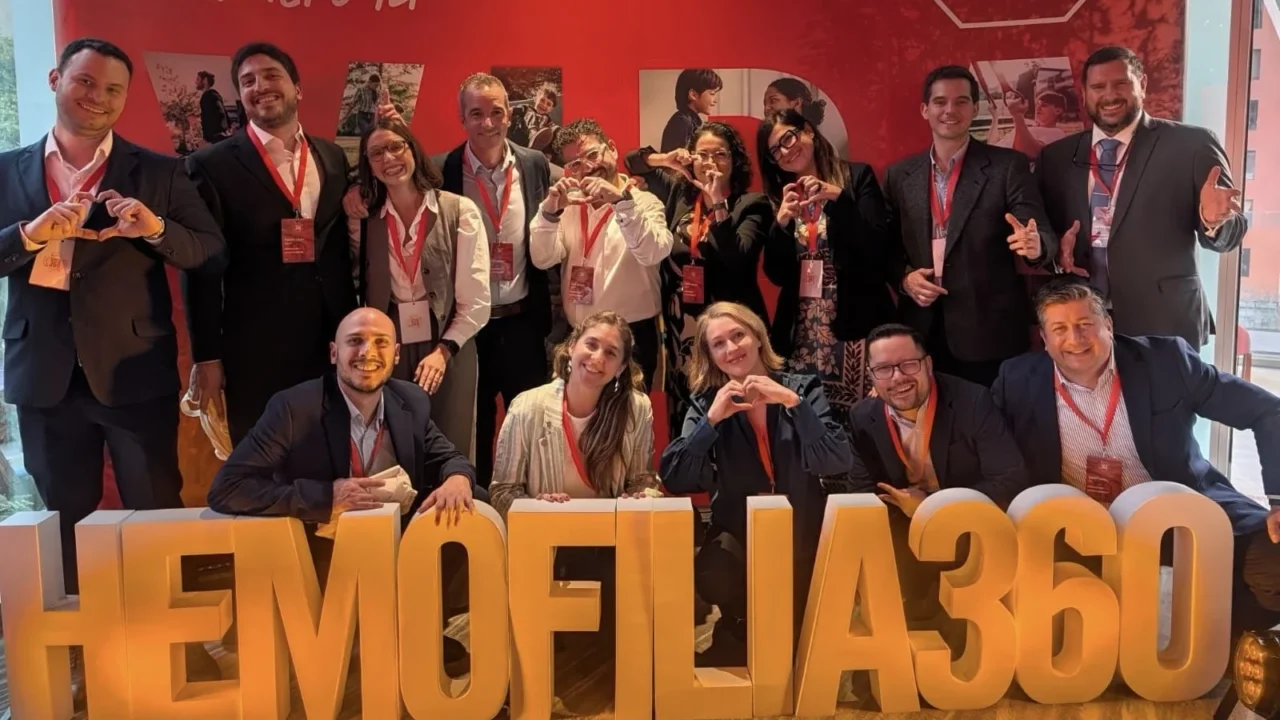
Darine Ghanem: Advancing Health Equity in Care at the LATAM Meeting
Darine Ghanem, Commercialisation Excellence Lead for Non-Malignant Hemathology at Roche, shared on LinkedIn:
” ‘Geographic location should not be a stronger determinant of health outcomes than genetic inheritance.’
For people living with hemophilia, where they are born or live can have a greater impact on their health outcomes than the condition itself.
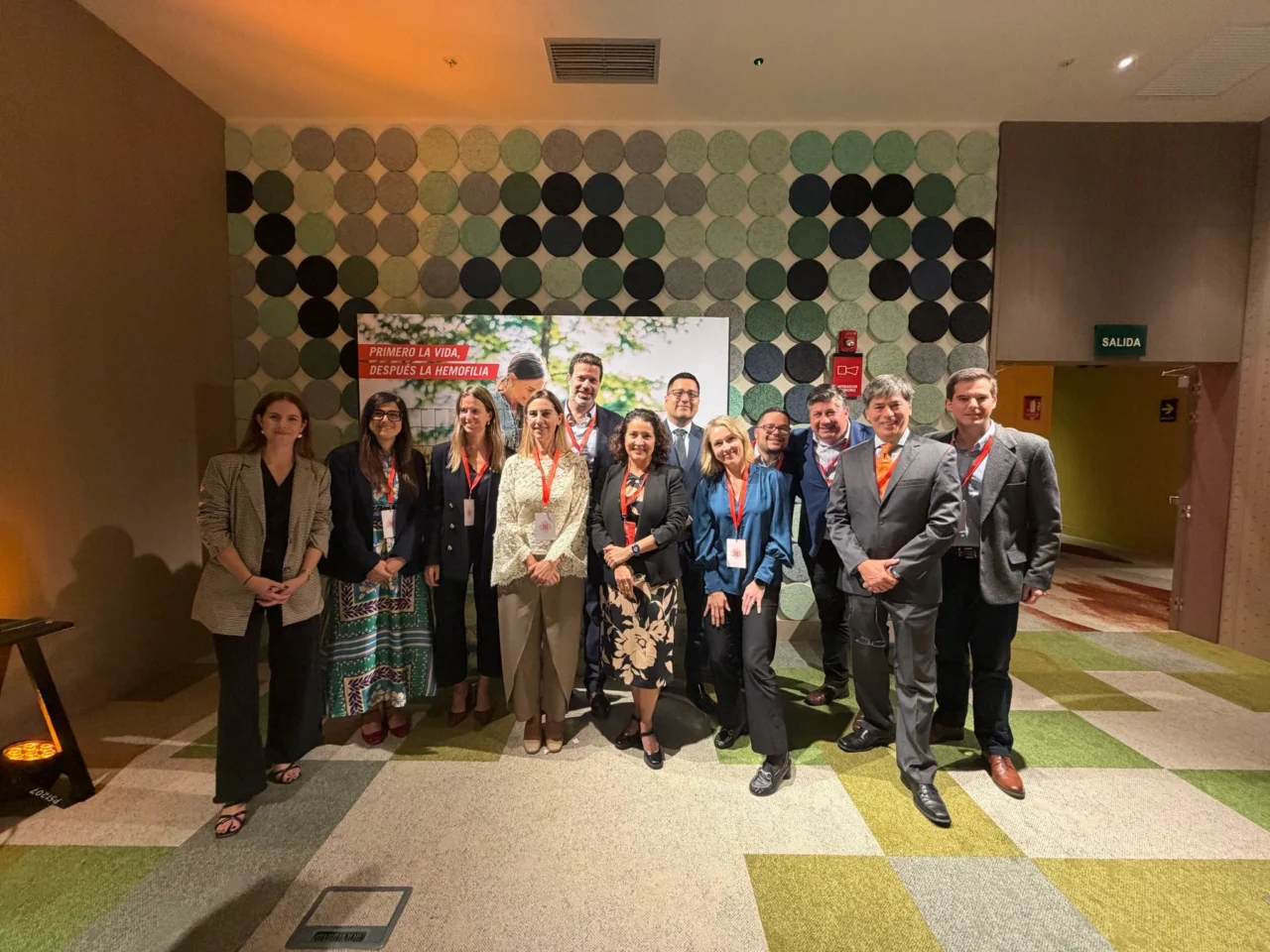
This week, I had the privilege of attending the LATAM Hemophilia Meeting and engaging with healthcare professionals, patient advocates, and policymakers from across Latin America.
Despite our different healthcare systems and realities, we shared a common goal: ensuring that every person living with hemophilia can benefit from innovative care and achieve the best possible clinical and human outcomes.
One message stood out: innovation is redefining what is possible in hemophilia care.
Beyond reducing bleeds and improving clinical outcomes, it is enabling greater independence, participation, and quality of life for patients and their families.
But innovation only fulfills its promise when it reaches those who need it most.
Access to innovative care should not depend on geography, infrastructure, or policy barriers. It is not a privilege.
It is not a luxury.It is a human right.
The discussions reinforced the importance of collaboration across public and private sectors to close access gaps and ensure that scientific progress translates into meaningful improvements in patients’ lives.
I am proud to work for Roche, partnering with healthcare systems, healthcare professionals, patient communities, and policymakers to advance health equity and expand access to innovative hemophilia care.
Because the future of hemophilia care should be defined by innovation, equity, and better outcomes and not by inequality.
This vision is now reflected at the highest level of global health policy.
On 21 May 2026, the 79th World Health Assembly adopted the historic Resolution on Global Action to Advance Health Equity for People with Hemophilia and Other Bleeding
Disorders, sending a clear message: health equity for people with hemophilia is a global priority and a shared responsibility.”
Stay updated with Hemostasis Today.
-
Oct 20, 2026, 16:51Suzan Nakasendwa: A Growing Stroke Challenge in Uganda
-
Oct 20, 2026, 16:38Steve Moon: How Does Smoking Cessation Duration Affect Ischemic Stroke Risk
-
Oct 20, 2026, 16:25Cedrice Mentor: Reducing Platelet Wastage Through Cold Storage
-
Oct 20, 2026, 16:09Thirunavukkarasu Angappan: Can a Purified Fibrinogen Concentrate Replace Cryoprecipitate
-
Oct 20, 2026, 16:01Kalyan Roy: Platelet Conservation Through Evidence-Based Transfusion Practice
-
Oct 20, 2026, 15:28Stacy E. Croteau: 33 Countries, One Mission – Better Bleeding Disorder Care
-
Oct 20, 2026, 15:19Teresa Barnes: What Does a Pulmonary Embolism Mean for Jalen Hurts?
-
Oct 20, 2026, 15:04Laura S.: Could Speaking Up Prevent Maternal Deaths from Thrombosis?
-
Oct 20, 2026, 14:44Pete Stibbs: VTE in Professional Athletes – When Fitness Is Not Enough