

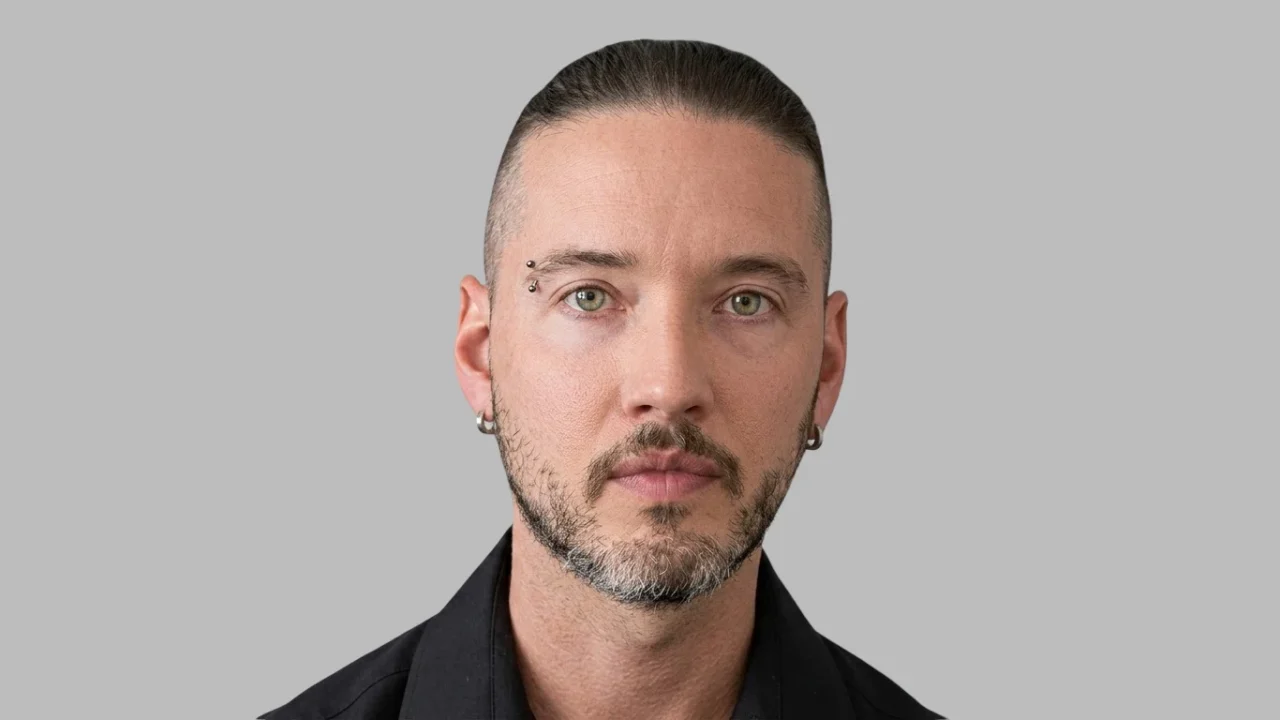
William Wallace: Muscle Aging Emerges as the Strongest Mortality Predictor
William Wallace, Co-Founder and CSO of Supplement Success Solutions, shared a post on LinkedIn about a recent article by Daisy Yi Ding et al, published in Nature Medicine, adding:
“At the cellular level, your body has about forty different ages (according to one of the largest aging studied ever run and published this week).
A recent study in Nature Medicine took blood from 60,542 people, measured over 7,000 proteins, and traced them back to the specific cell types that made them: brain cells, muscle cells, lung, gut, bone marrow.
Then they built a separate ‘aging clock’ for each one.
The finding: your cell types don’t age in sync.
Your muscle can be a decade older than your liver. Your brain’s support cells can be racing ahead while your immune cells stay young.
One to three percent of people have ten or more cell types aging fast all at once.
Fast-aging brain support cells (astrocytes) flagged future Alzheimer’s about as strongly as the highest-risk Alzheimer’s gene.
Fast-aging muscle cells flagged ALS more than three years before diagnosis.
Aging airway cells stacked on top of smoking to push lung cancer risk higher still.
But the one to sit with is muscle.
Across all forty-plus cell types, accelerated muscle aging was the single strongest predictor of dying from any cause.
Not brain, not heart. Muscle.
Muscle is the most modifiable tissue you have.
This study can’t prove training rewinds the clock, but everything we already know points the same way.
Muscle loss tracks death in every population it’s been measured in, and the protein signatures behind this clock are the same ones tied to how your muscle is built and how well it makes energy.
The strongest death-predictor in the body is also the one you have the most power over.
Normal cellular aging: 9 in 10 alive at fifteen years.
More than twenty cell types aging fast: about 1 in 3.
this isn’t a test you can buy.
It’s a research finding from banked blood, in a group skewing older and mostly white.
Younger, more diverse validation comes next.”
Title: Plasma proteomic signatures of cellular aging predict human disease
Authors: Daisy Yi Ding, Veronica Augustina Bot, Kenneth L. Chen, James W. Groves, Róbert Pálovics, Daisuke Masuda, Amelia Farinas, Hamilton Se-Hwee Oh, Viktoria Wagner, Nannan Lu, The Global Neurodegeneration Proteomics Consortium (GNPC), Carlos Cruchaga, Alina Isakova, Jonathan M. Schott, Tony Wyss-Coray
Stay updated on all scientific advances with Hemostasis Today.
-
Sep 20, 2026, 13:18Cindy Howry: FDA Approves First Treatment for Ataxia-Telangiectasia
-
Sep 20, 2026, 13:08Mohammad Salar Amoli: When Routine Coagulation Tests Miss von Willebrand Disease
-
Sep 20, 2026, 12:55Stelios Andreadis։ Human Salivary Gland Organoids Offer New Potential for Regenerative Medicine
-
Sep 20, 2026, 12:43Obi Light Ogbonnia: The Power of Lived Experience in Sickle Cell Care
-
Sep 20, 2026, 12:34Sabrine Mekni: Advancing HSCT for Children With Fanconi Anemia
-
Sep 20, 2026, 12:11Giacomo Buso: Silent Atherosclerosis Begins Earlier Than Expected
-
Sep 20, 2026, 12:0310 Posts Not to Miss This Week
-
Sep 20, 2026, 11:27Edward Lee Carter: Prasugrel Dosing Matters in P2Y12 Inhibitor Comparisons After PCI
-
Sep 20, 2026, 09:51Ceasovschih Alexandr: A Closer Look at Lipid Disorders in CKM Syndrome