


The Essentials of FFP Dosing and Monitoring – ICHCC
Iranian Comprehensive Hemophilia Care Center (ICHCC) shared a post on LinkedIn:
“Maximum Safe Volume of Fresh Frozen Plasma (FFP): How Much Is Too Much?
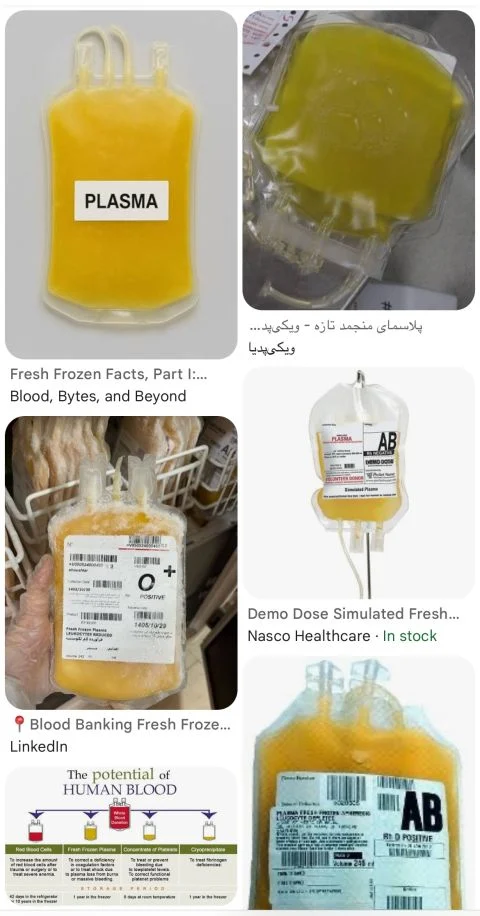
Fresh Frozen Plasma (FFP) is an essential blood component used to replace multiple coagulation factors in patients with bleeding or significant coagulation abnormalities.
However, excessive or rapid plasma transfusion can lead to serious complications, particularly Transfusion-Associated Circulatory Overload (TACO).
What Is the Recommended Dose?
The standard therapeutic dose of FFP is:
- 10–15 mL/kg
This dose is usually sufficient to increase coagulation factor levels and improve hemostasis.
In selected situations, such as massive bleeding or severe coagulation factor deficiencies, doses up to:
- 20 mL/kg
May be required, provided the patient is carefully monitored.
Higher doses generally offer little additional correction of coagulation tests while substantially increasing the risk of volume overload.
- In Children
Standard dose: 10–15 mL/kg
The maximum recommended single dose is generally 20 mL/kg, reserved for carefully selected patients with close clinical monitoring.
Infants, neonates, and children with cardiac or renal disease require slower infusion rates and meticulous observation during transfusion.
- In Adults
For a 70-kg adult, the usual therapeutic dose is:
700–1,050 mL (approximately 3–4 units of FFP)
If larger volumes are required, patients should be closely monitored for signs of:
- Transfusion-Associated Circulatory Overload (TACO)
- Pulmonary edema
- Heart failure
- Hypertension
- Respiratory distress
Who Is at Highest Risk for TACO?
- Elderly patients
- Neonates and infants
- Patients with heart failure
- Chronic kidney disease
- Hypoalbuminemia
Patients receiving multiple blood components
- How Can We Reduce the Risk?
- Calculate the dose based on body weight.
- Infuse more slowly in high-risk patients.
- Monitor blood pressure, oxygen saturation, respiratory status, and fluid balance.
- Consider diuretics (e.g., furosemide) in selected high-risk patients when clinically appropriate.
Clinical Pearl
FFP should not be transfused simply to correct a mildly elevated INR or abnormal coagulation tests in the absence of bleeding or an invasive procedure.
Appropriate indications, weight-based dosing (10–15 mL/kg), and careful monitoring are the keys to maximizing benefit while minimizing transfusion-related complications such as TACO.”
Stay updated with Hemostasis Today.

-
Sep 20, 2026, 13:18Cindy Howry: FDA Approves First Treatment for Ataxia-Telangiectasia
-
Sep 20, 2026, 13:08Mohammad Salar Amoli: When Routine Coagulation Tests Miss von Willebrand Disease
-
Sep 20, 2026, 12:55Stelios Andreadis։ Human Salivary Gland Organoids Offer New Potential for Regenerative Medicine
-
Sep 20, 2026, 12:43Obi Light Ogbonnia: The Power of Lived Experience in Sickle Cell Care
-
Sep 20, 2026, 12:34Sabrine Mekni: Advancing HSCT for Children With Fanconi Anemia
-
Sep 20, 2026, 12:11Giacomo Buso: Silent Atherosclerosis Begins Earlier Than Expected
-
Sep 20, 2026, 12:0310 Posts Not to Miss This Week
-
Sep 20, 2026, 11:27Edward Lee Carter: Prasugrel Dosing Matters in P2Y12 Inhibitor Comparisons After PCI
-
Sep 20, 2026, 09:51Ceasovschih Alexandr: A Closer Look at Lipid Disorders in CKM Syndrome