


Hakkı Yılmaz: Precision Medicine Gains Momentum in ANCA-Associated Vasculitis
Hakkı Yılmaz, Nephrology-Internal Medicine Specialist at Health Science University, shared a post on LinkedIn about a recent article by Marilina Antonelou, published in Nature Reviews Nephrology, adding:
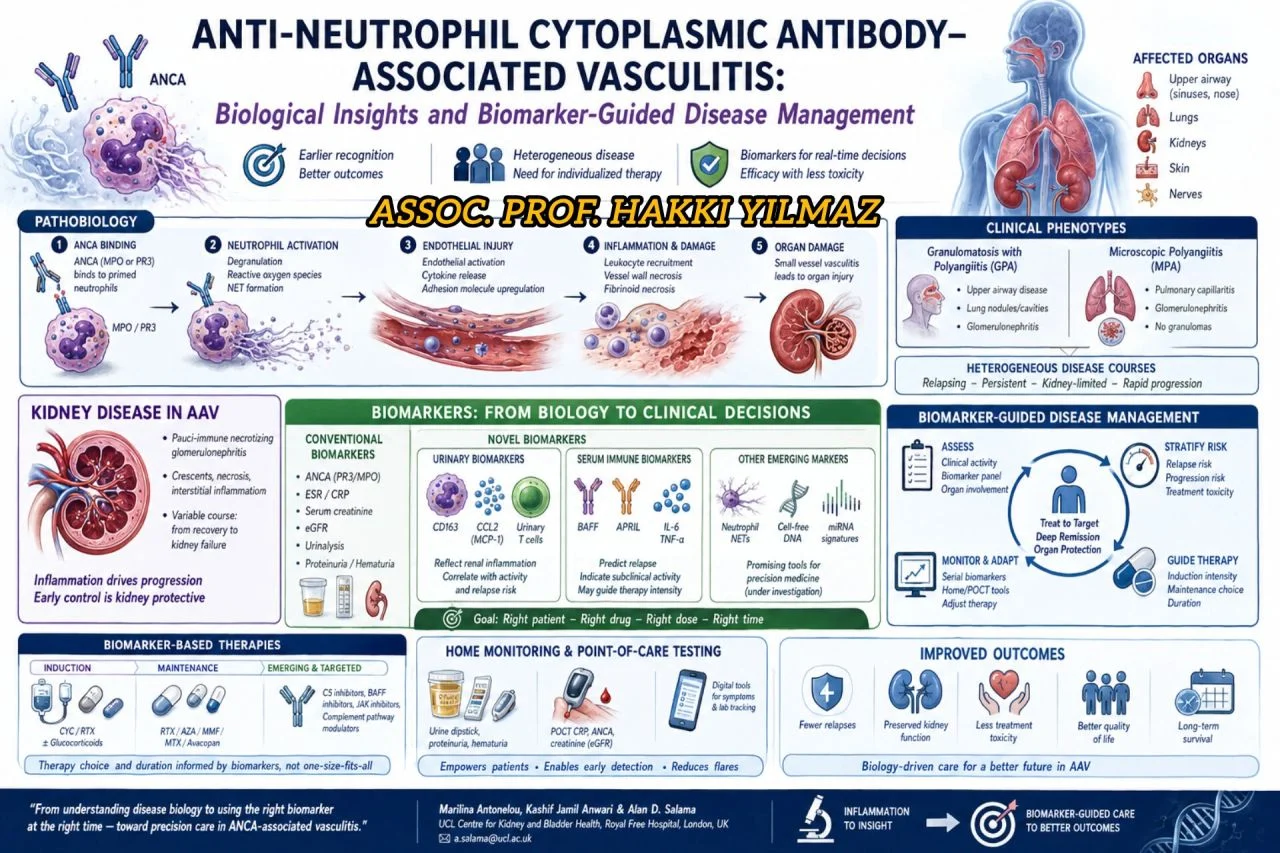
“The review ‘Anti-neutrophil Cytoplasmic Antibody-Associated Vasculitis: Biological Insights and Biomarker-Guided Disease Management’ discusses how recent advances in the biology of ANCA-associated vasculitis (AAV) are moving patient care toward biomarker-guided precision medicine.
Although current therapies achieve remission in most patients, treatment is not individualized, leading to both overtreatment with immunosuppressive toxicity and undertreatment with recurrent disease and progressive kidney damage.
The authors emphasize the need for biomarkers that accurately reflect disease activity and guide therapeutic decisions.
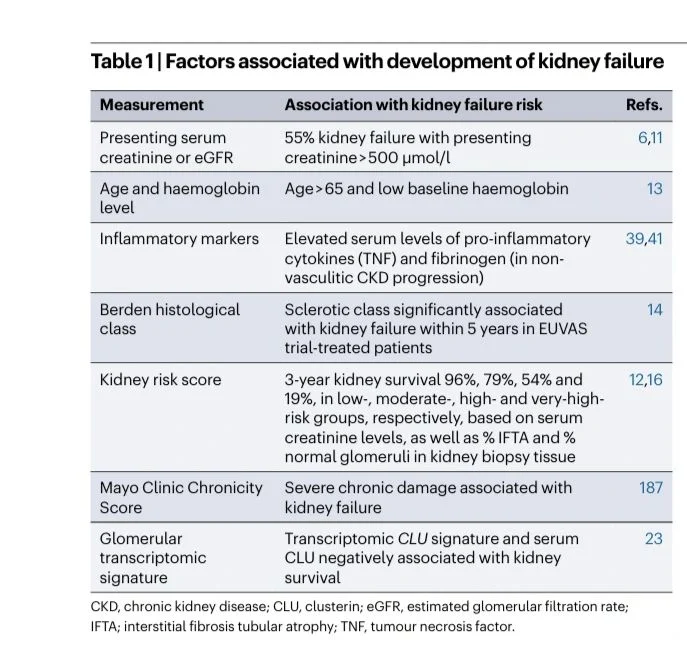
Kidney involvement is a major determinant of prognosis in AAV.
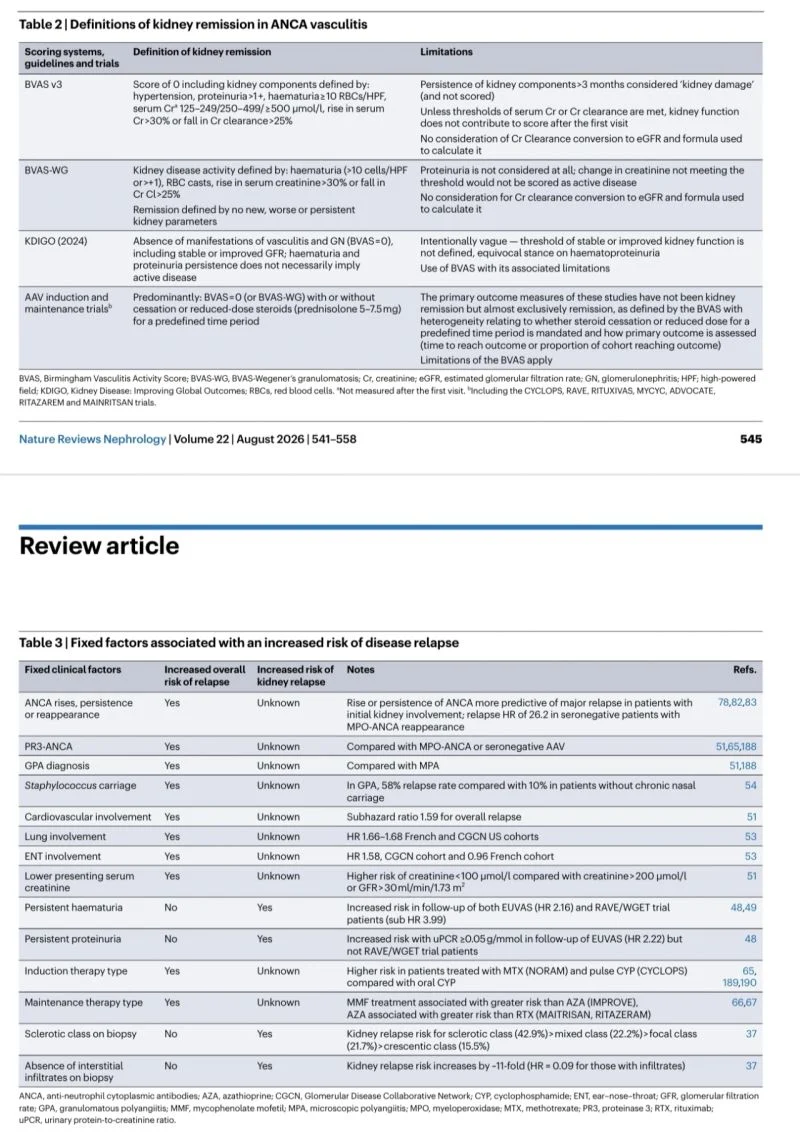
Conventional prognostic tools—including serum creatinine, histopathological classifications such as the Berden classification, and the Kidney Risk Score—predict long-term renal outcomes but cannot reliably distinguish active inflammation from irreversible chronic injury.
Consequently, clinicians often struggle to determine whether persistent urinary abnormalities represent ongoing vasculitis or permanent structural damage.
The review highlights that traditional biomarkers, including ANCA titers, hematuria, proteinuria, and serum creatinine, have limited value for monitoring disease activity or predicting relapse.
While ANCA remains indispensable for diagnosis, changes in antibody levels alone should not guide treatment because their correlation with relapse is inconsistent.
Better biomarkers are required to identify subclinical inflammation and personalize treatment duration.
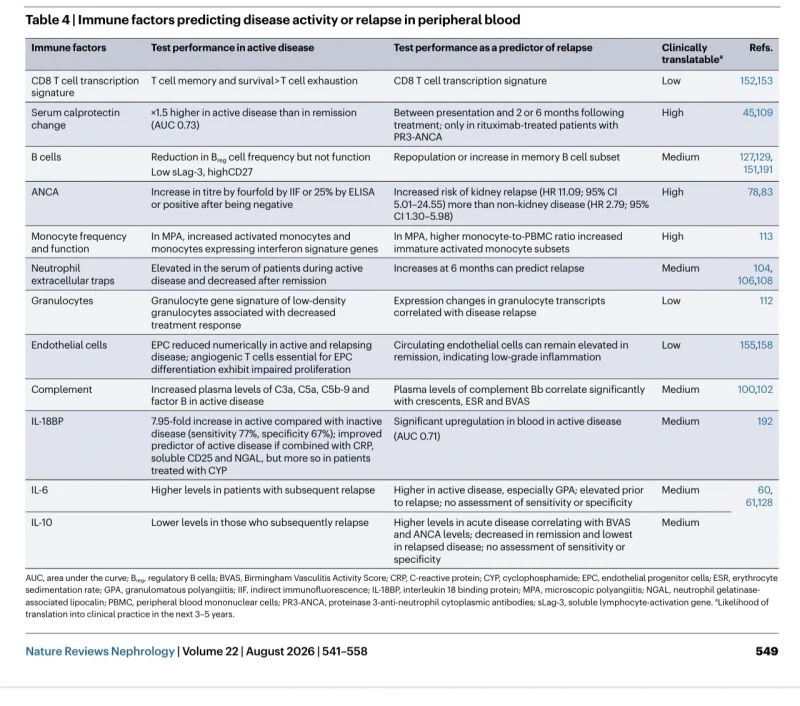
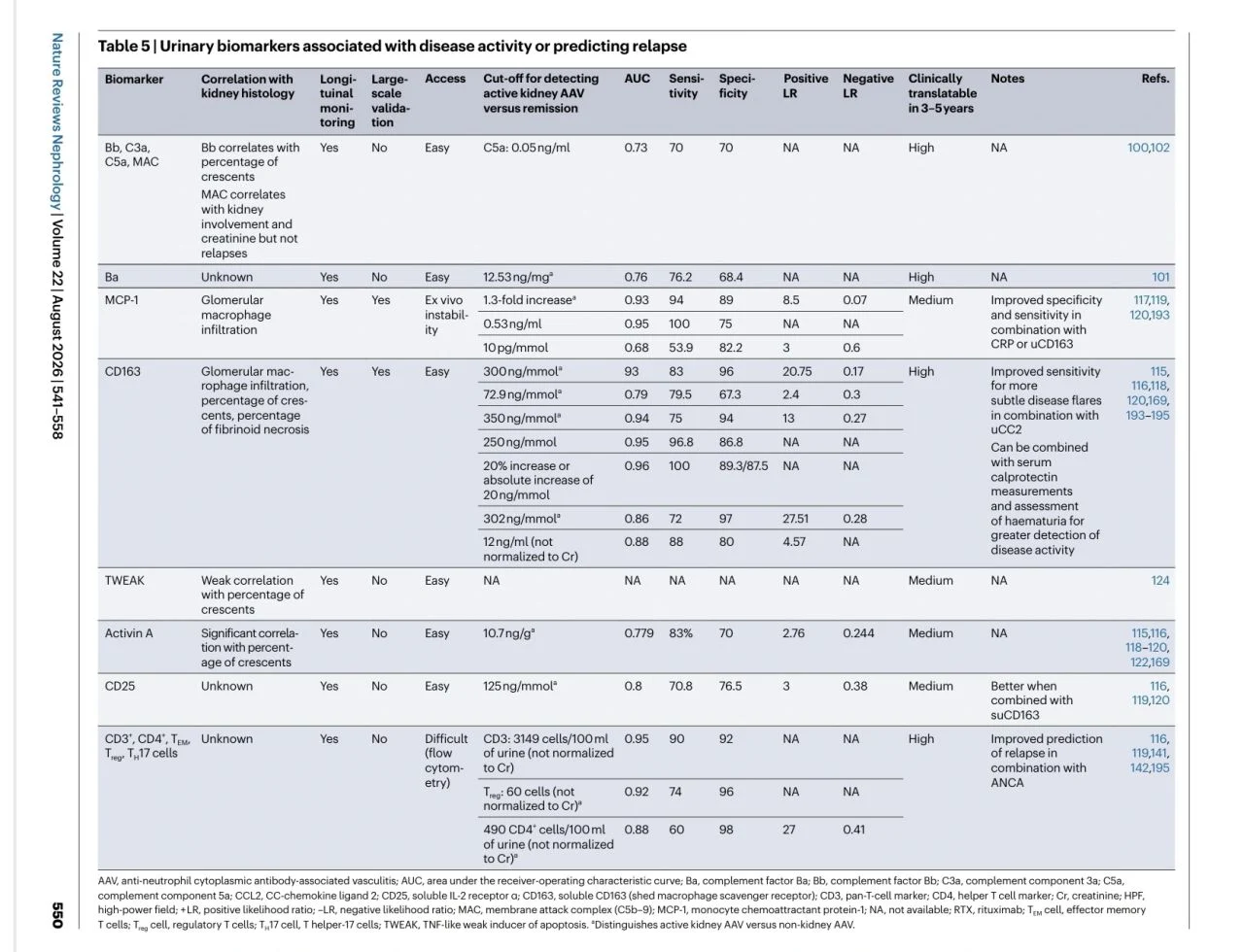
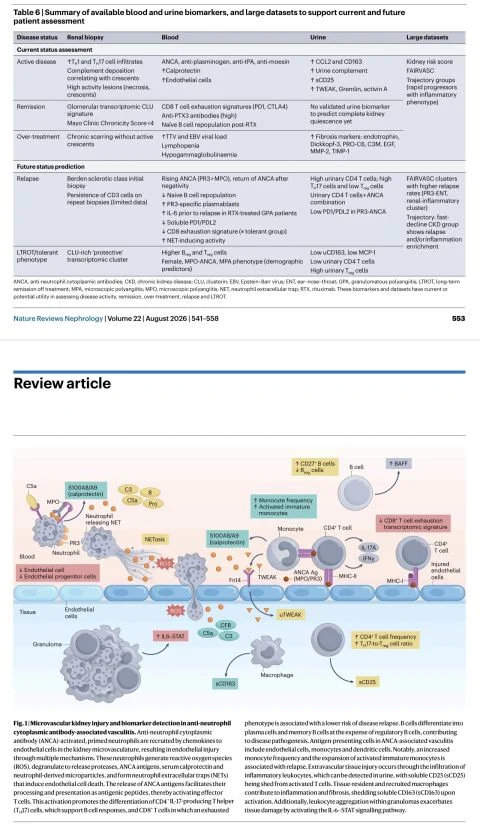
Several promising biomarkers are discussed. Urinary soluble CD163, MCP-1 (CCL2), complement activation products, urinary T cells, serum calprotectin, IL-6, IL-18 binding protein, and biomarkers related to neutrophil extracellular traps (NETs) appear to reflect renal inflammation more accurately than conventional laboratory tests.
Molecular profiling using transcriptomics and artificial intelligence-assisted pathology may further improve patient stratification and identify those at greatest risk of kidney failure or relapse.
However, these biomarkers still require validation before routine clinical implementation.
The authors conclude that future management of AAV will combine clinical assessment with molecular, urinary, blood, and tissue biomarkers to enable precision medicine.
Such an approach could optimize treatment intensity, reduce adverse effects, improve relapse prediction, preserve kidney function, and ultimately improve long-term outcomes.
Nevertheless, large prospective studies are still needed before biomarker-guided management becomes standard clinical practice.”
Title: Anti-neutrophil cytoplasmic antibody-associated vasculitis: biological insights and biomarker-guided disease management
Authors: Marilina Antonelou, Kashif Jamil Anwari, Alan D. Salama
Stay updated on all scientific advances with Hemostasis Today.
-
Sep 20, 2026, 03:58Salih Ehsan: The Complexities of HbF and HbA2
-
Sep 20, 2026, 03:22The Voices of People Living With Bleeding Disorders – EHC
-
Sep 20, 2026, 01:18Sebastian Mafeld: Has 2026 Changed How We Treat Pulmonary Embolism?
-
Sep 20, 2026, 01:16Pall T. Onundarson: DOACs – Monitoring, Tailoring Dose and Identifying Problems
-
Sep 20, 2026, 01:15Thierry Fumeaux: From Efficacy to Effectiveness – The Value of Real-World Evidence
-
Sep 20, 2026, 01:14Said El Shamieh: VEGFA Genetic Variants and Bleeding Risk During Warfarin Therapy
-
Sep 20, 2026, 01:04Omar Danoun: Levetiracetam May Increase Thromboembolic Risk With DOACs
-
Sep 20, 2026, 01:02Mohamed Abo-Aly: Which Antiseizure Medication is Safest for Patients on DOACs?
-
Sep 20, 2026, 00:58Hamza Rafiq: How Does a Deep Vein Thrombosis Become a PE?