

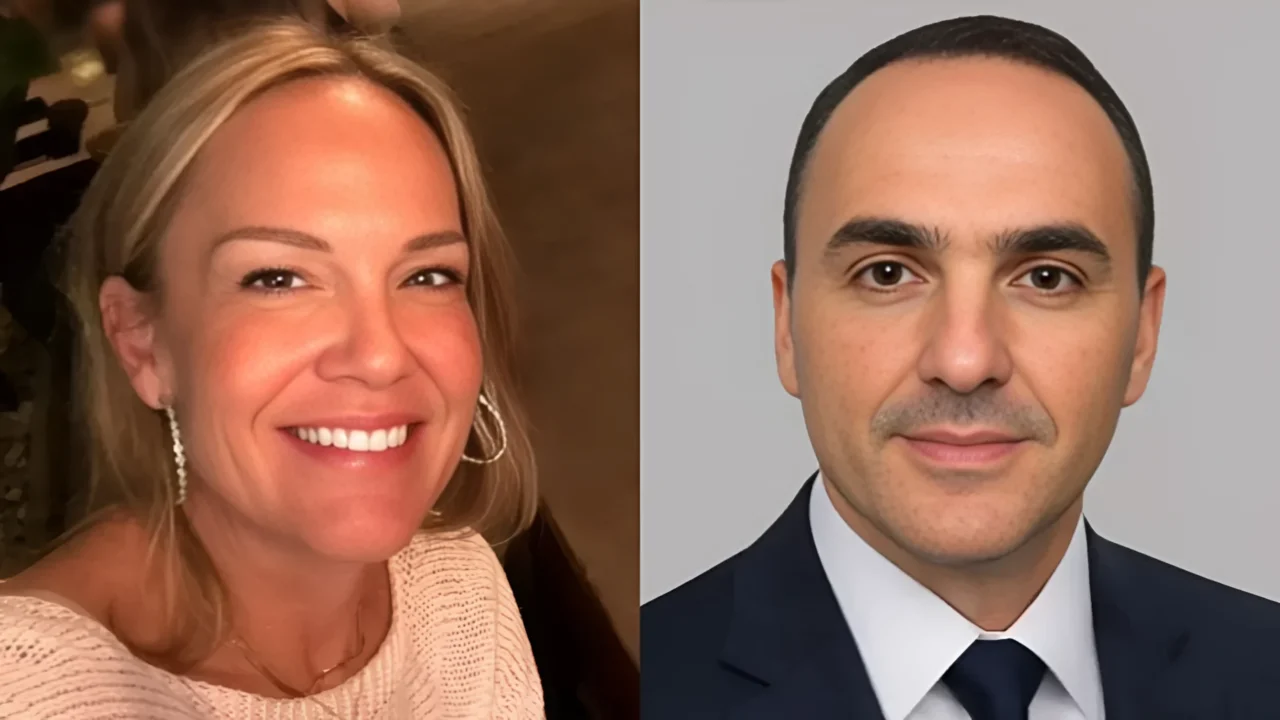
Megan Kavanaugh Roussos: A New Standard in Hemorrhage Control with WoundClot
Megan Kavanaugh Roussos, Federal Account Manager at Airborne Medical, shared Gene Nudelman’s post on LinkedIn, adding:
“Thrilled to share that I’ve recently begun representing WoundClot – and the more I dig into the science, the more excited I get about where this technology fits.
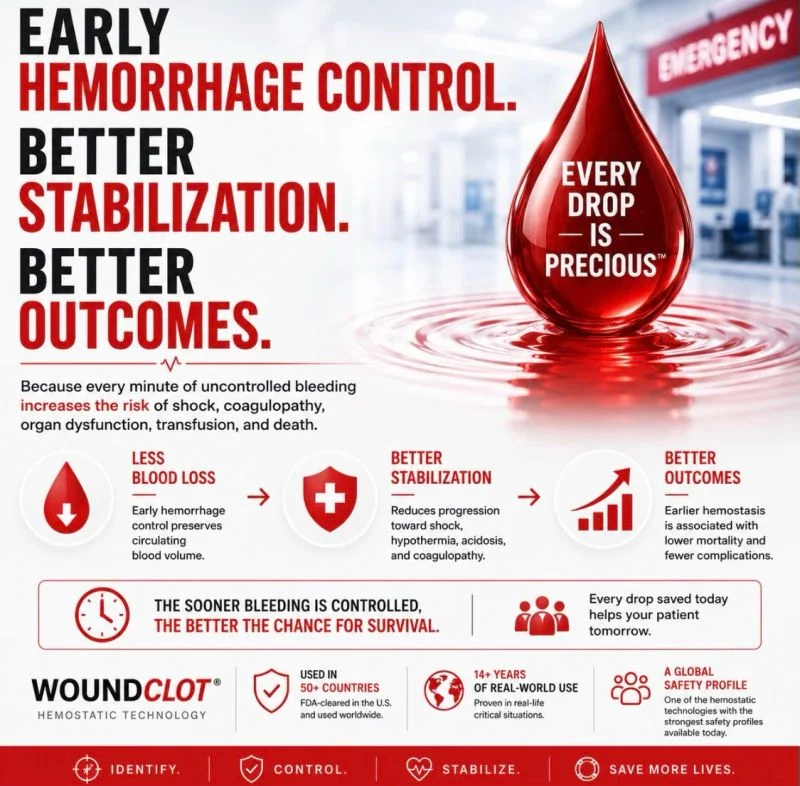
Early hemorrhage control isn’t just about stopping bleeding – it’s about improving patient outcomes. Every minute of uncontrolled bleeding raises the risk of hemorrhagic shock, coagulopathy, organ dysfunction, greater transfusion needs, and mortality.
What drew me to WoundClot:
- Broad-spectrum use across accessible bleeding environments – point of injury, ED, OR, postop, vascular access, even austere settings
- FDA-cleared in the U.S. as a hemostatic wound dressing, and used internationally as a Class III implantable/bioresorbable surgical hemostat in more than 50 countries
- More than 10 years of clinical and commercial use with no reported product-related adverse events in post-market surveillance
- A unique expanding gel-matrix that conforms to complex wounds and adheres to tissue for effective localized hemostasis
The goal isn’t just stopping bleeding – it’s controlling hemorrhage early enough to prevent avoidable deterioration.
Every minute matters. Every drop counts.
Excited to bring this to my Gulf Coast network – happy to connect if you want to see the full white paper or talk through use cases.”
Gene Nudelman, CEO at Core Scientific Creations Ltd, shared a post on LinkedIn:
“Early hemorrhage control isn’t just about stopping bleeding – it’s about improving patient outcomes.
Every minute of uncontrolled bleeding increases the risk of hemorrhagic shock, coagulopathy, organ dysfunction, greater transfusion requirements, and mortality.
That’s why time to hemostasis is one of the most important factors in trauma and surgical care.
WoundClot as a Broad-Spectrum Hemostatic Technology- Impact on Early Hemorrhage Management and Patient Outcomes
Our latest white paper explores how WoundClot supports early hemorrhage management across the continuum of care-from the point of injury and emergency departments to operating rooms, postoperative care, vascular access, and austere environments.
WoundClot as a Broad-Spectrum Hemostatic Technology- Impact on Early Hemorrhage Management and Patient Outcomes
Key highlights include:
- Broad-spectrum use across appropriate accessible bleeding environments
- FDA-cleared in the U.S. as a hemostatic wound dressing and used internationally as a Class III implantable/bioresorbable surgical hemostat in over 50 countries
- More than a decade of clinical and commercial use with no reported product-related adverse events in company post-market surveillance
- A unique expanding gel-matrix technology that conforms to complex wounds, adheres to tissue, and helps create an effective localized hemostatic environment
- Evidence supporting the importance of earlier hemostasis in reducing mortality and major complications WoundClot as a Broad-Spectrum Hemostatic
- Technology- Impact on Early Hemorrhage Management and Patient Outcomes
The goal isn’t simply to stop bleeding-it’s to control hemorrhage early enough to prevent avoidable deterioration.
Every minute matters.
Every drop counts.”
Stay updated with Hemostasis Today.
-
Sep 23, 2026, 00:08Janar Sathananthan: The Importance of Durable Drug Delivery in DCB Therapy
-
Sep 23, 2026, 00:07Arun V J: How Does a Good Conference Destroy My Ego?
-
Sep 23, 2026, 00:06Akshat Jain: Sickle Cell Disease Is Not One Size Fits All
-
Sep 23, 2026, 00:05Sherri Ozawa: Nicole De Vita’s Iron Deficiency Infographic Recognized at SABM
-
Sep 23, 2026, 00:04Zafar Ali: How Does Hemoglobin Know When to Hold Oxygen and When to Let It Go?
-
Sep 23, 2026, 00:02Ahmed Elsharkawy: Drug-Drug and Drug-Diluent Incompatibilities in ICUs and Hematology Units
-
Sep 22, 2026, 23:58Nishant Rajendra Tiwari: Hereditary TTP With the Same ADAMTS13 Variants but Strikingly Different Disease Courses
-
Sep 22, 2026, 23:57Akhil Santhosh: Pacritinib Versus Ruxolitinib in Myelofibrosis With Thrombocytopenia
-
Sep 22, 2026, 23:56Nathan Punwani: EASIX and sC5b-9 Predict TMA After Allogeneic Stem Cell Transplantation