

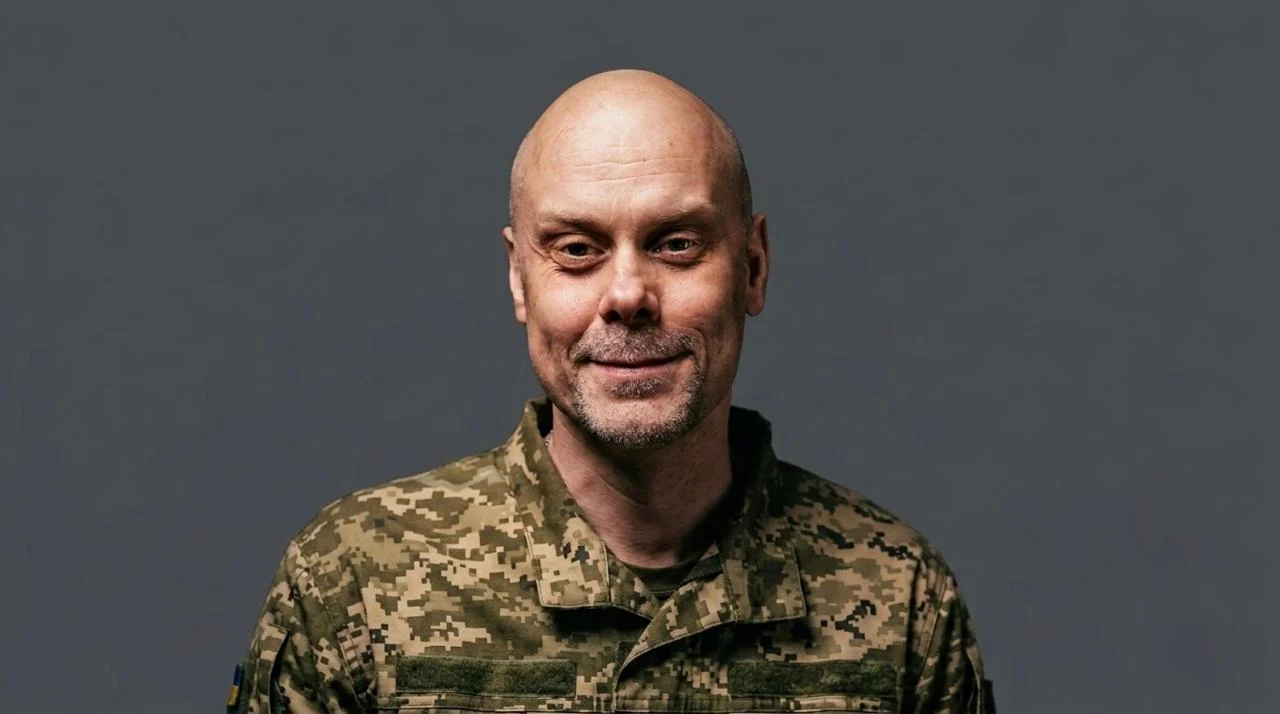
Dmytro Samofalov: FDA-Approved Freeze-Dried Plasma in Modern Warfare
Dmytro Samofalov, Head of Healthcare Services at Ministry of Defence of Ukraine, shared a post on LinkedIn:
“FDA has finally approved freeze-dried plasma (FDP) — the first lyophilized plasma product to receive full regulatory approval in the United States.
Until now, similar products, including those used by the French military, had been available only under an Investigational New Drug (IND) pathway rather than full FDA approval. From my own experience, those products were supplied in glass bottles, which significantly limited their use in austere operational environments.
Why does this matter?
Freeze-dried plasma addresses one of the biggest challenges in prehospital trauma care: logistics.
requires no freezing or thawing;
can be stored for up to 12 months at 2–25°C;
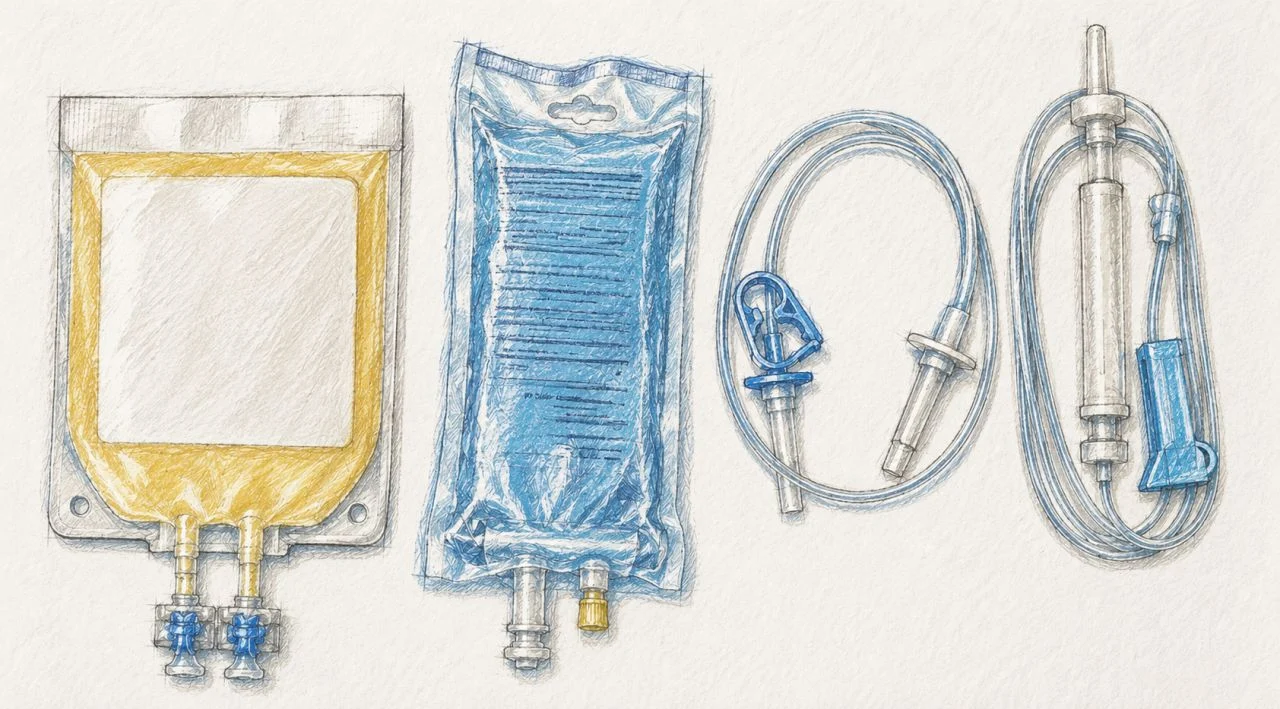
comes in a durable plastic bag instead of a glass bottle;
can be reconstituted in less than 2.5 minutes;
can be administered intravenously (IV) or intraosseously (IO);
is better suited for transport in demanding environments, including drone delivery.
Of course, freeze-dried plasma is not a replacement for whole blood or balanced component therapy. It contains neither red blood cells nor platelets, and current TCCC guidelines continue to prioritize these options whenever they are available.
However, modern warfare rarely provides ideal conditions. When whole blood cannot reach the casualty early enough, freeze-dried plasma offers an opportunity to initiate hemostatic resuscitation much sooner.
Its greatest value lies in overcoming logistical barriers.
For Ukraine, this is not simply another medical product—it is an opportunity to expand the capabilities of combat medics and Role 1 facilities operating in highly constrained environments.
That is why we are currently engaging with manufacturers to explore the procurement of freeze-dried plasma specifically in plastic bags, suitable for deployment in combat medic backpacks and forward medical units.
In modern military medicine, success depends not only on developing better technologies but also on integrating them rapidly into the medical support system.
Turning innovation into operational capability is what ultimately saves lives.”
Stay updated with Hemostasis Today.
-
Sep 29, 2026, 12:37Dan Milikovsky: Uncovering Cerebrovascular Injury in Sickle Cell Disease
-
Sep 29, 2026, 12:02Hajra Malik: Bridging Language Gaps in Hematology With AI
-
Sep 29, 2026, 11:57Joan Montaner: Can Blood Test Identify Intracerebral Hemorrhage Within Minutes?
-
Sep 29, 2026, 11:43From Years Without Answers to Life With Hemophilia Care – WFH
-
Sep 29, 2026, 11:32Sara Al Dallal: Transforming Hemophilia Care Across the Gulf
-
Sep 29, 2026, 11:21Richard Davis: Rapid Rescue in Massive Pulmonary Embolism
-
Sep 29, 2026, 11:14Nissan Brown: Every Step Counts for the Hemophilia Community
-
Sep 29, 2026, 11:03Zain Khalpey: SINGLE AF Adds New Evidence to the Anticoagulation Debate
-
Sep 29, 2026, 10:54How Does Haemophilia Affect Motor Development in Infants? – EAHAD