

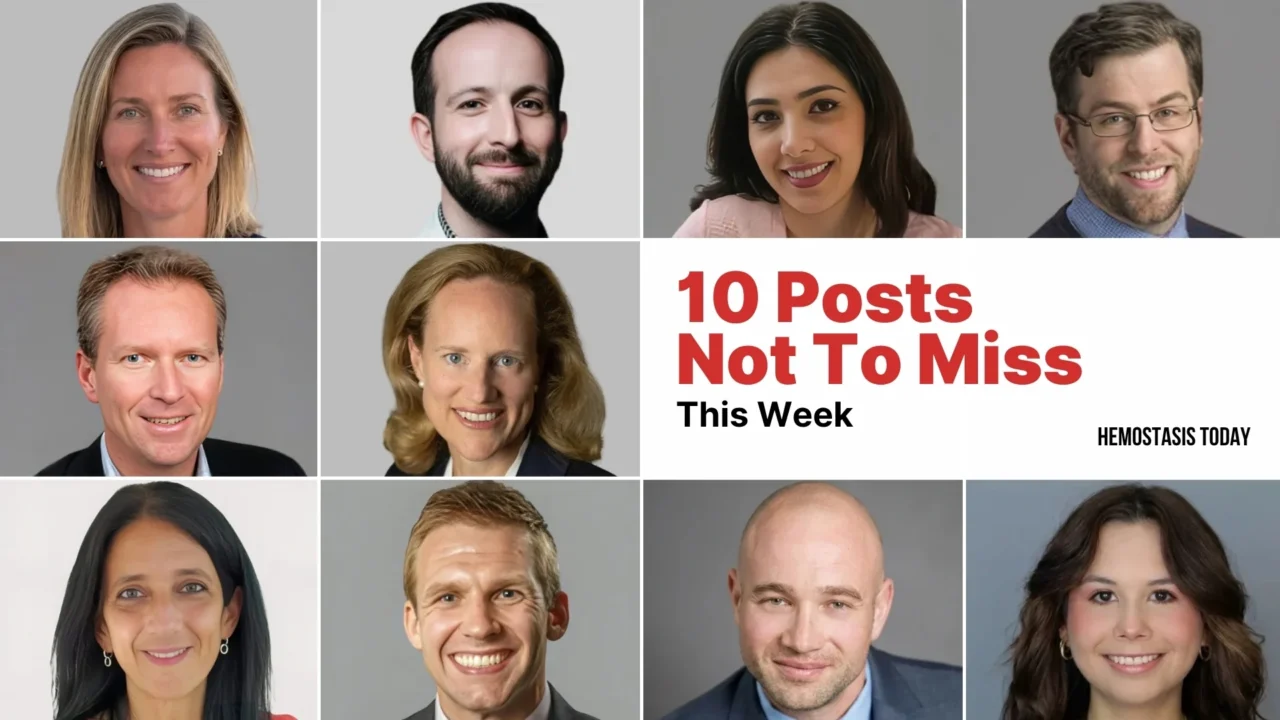
10 Posts Not to Miss This Week
This week brings together current clinical evidence and emerging perspectives across thrombosis, hemostasis, bleeding disorders, and transfusion medicine.
Key discussions address anticoagulation in patients with acute VTE and thrombocytopenia, extended anticoagulation in cancer-associated thrombosis, advances in the understanding and management of von Willebrand disease and emerging evidence on venous thromboembolism associated with everolimus in kidney transplantation.
Other topics include hemophilia and F9 variants, platelet-rich plasma, maternal anemia and obesity, blood donation and safety, and patient and community perspectives in bleeding disorders.
Here are 10 highlights from this week, bringing together recent findings, practical clinical insights, expert perspectives and noteworthy developments across hematology, hemostasis and thrombosis.
Jensa Morris, Director of Smilow Hospitalist Service at Yale New Haven Hospital:
“Anticoagulation of Patients with Acute VTE and Thrombocytopenia
This is a dilemma we frequently encounter on the Oncololgy Hospitalist service.
The intersection of thrombocytopenia and a hypercoagulable state creates a complex clinical scenario.
Even mild thrombocytopenia in the setting of anticoagulation increases bleeding risk and yet is not protective against thrombosis.
Current management recommendations are guided by expert International Society on Thrombosis and Haemostasis (ISTH) consensus rather than robust clinical trial data:
- Platelet count 50K or higher means full-dose anticoagulation
- Platelet count below 50K and high risk (e.g., PE or acute symptomatic proximal DVT) means full-dose anticoagulation with platelet transfusion to target 40–50K
- Platelets 25–50K and lower risk (incidental PE, CRT, distal DVT) means half-dose LMWH
- Platelets below 25K means temporarily hold anticoagulation
To address this knowledge gap, the START (STrategies for Anticoagulation in patients with thRombocytopenia and cancer associated Thrombosis) pilot feasibility trial is now enrolling.
Looking forward to results to guide this frequent clinical problem.”
Thomas Maxwell, Financial Advisor at Northwestern Mutual:
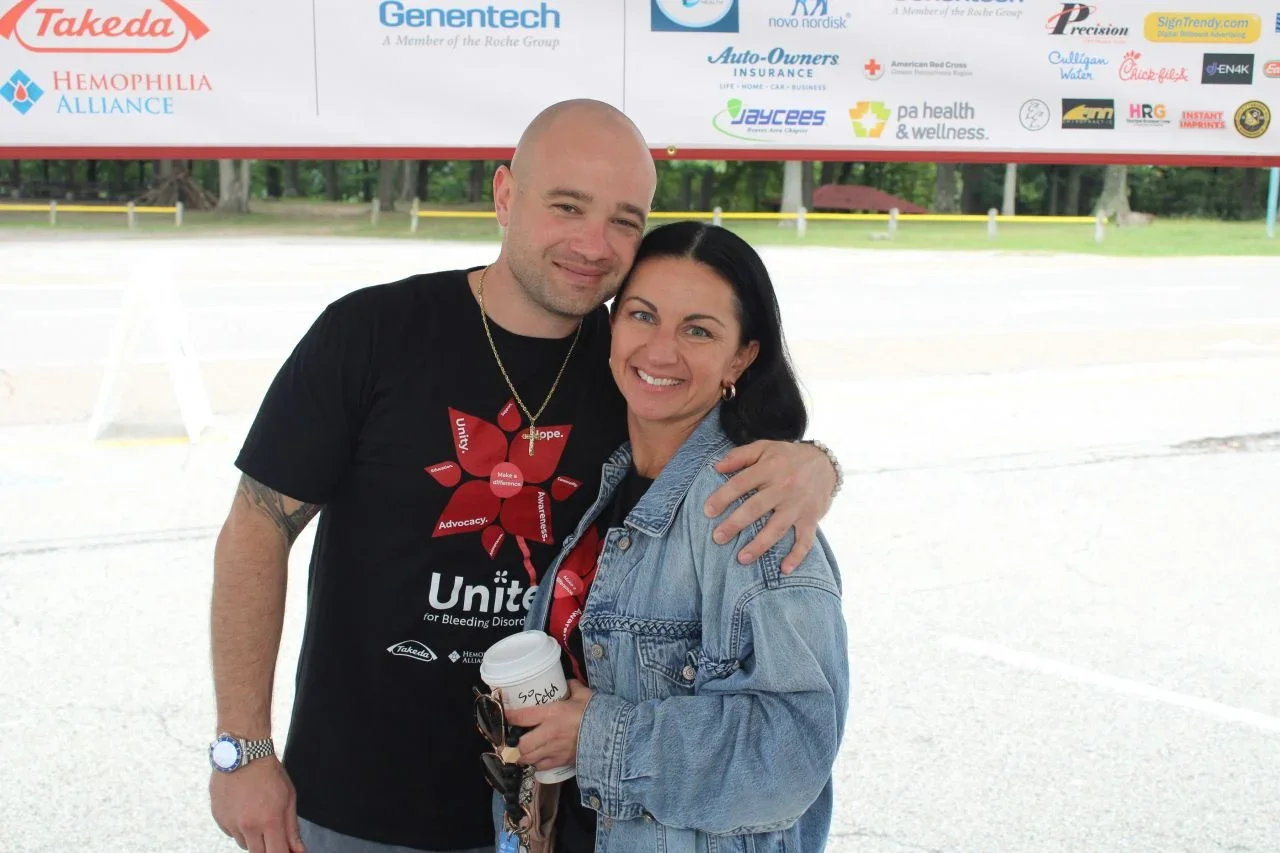
“This weekend I walked three miles in the Western Pennsylvania Bleeding Disorders Foundation’s Unite Walk.
For most of my life, I would’ve been ashamed to tell you why.
I have hemophilia, a bleeding disorder that keeps blood from clotting the way it should.
When I was little, the treatment wasn’t anything like it is now.
A bump on the head or a cut meant a trip to the hospital.
So I was the only kid in my elementary school wearing a bicycle helmet to class.
My dad drew cartoon characters on it to make it cooler… (it still didn’t look very cool, though.)
Many years later, I realized that strength means truly owning and accepting every part of yourself, even the parts that make you feel vulnerable.
My wonderful mother has been doing this walk year after year since way back then.
Last year, I finally started showing up with her.
In my work, people trust me with some of the most personal parts of their lives.
It felt right to share one of mine.
If you’d like to support people and families living with bleeding disorders here in Western PA, scan the QR code in the photos to donate to WPBDF.
And if you want to walk with us next year, just reach out: I’d love the company.”
Michael Baria, Lead for The Early Osteoarthritis and Joint Health Program at The Ohio State University Wexner Medical Center:
“In this meta-analysis of level 1, randomized studies, platelet concentration did not influence outcomes for partial rotator cuff tears.
Basic science has repeatedly shown that worse histopathology is best treated with higher platelets and higher leukocytes.
However, this review shows that we haven’t translated that to clinical care (yet).
High vs low dose (as defined by the authors) didn’t make a difference.
Also, PRP vs no PRP didn’t make a difference.
How do you handle these?
What do you make of these findings?
In our experience, it’s very difficult to design controlled rotator cuff studies for a myriad of reasons.
Tendinopathy isn’t a partial tear.
There are confounding pathologies like AC, biceps, etc.
Finally, our clinical experience has consistently demonstrated that moderate dose (general range of 6-10 B) PRP delivered to the subacromial bursa with proper rehab works well and avoids complications (I.e. frozen shoulder) from intra-tendinous injections.”
Haley Coleman, Assurance Staff at Smith + Howard:
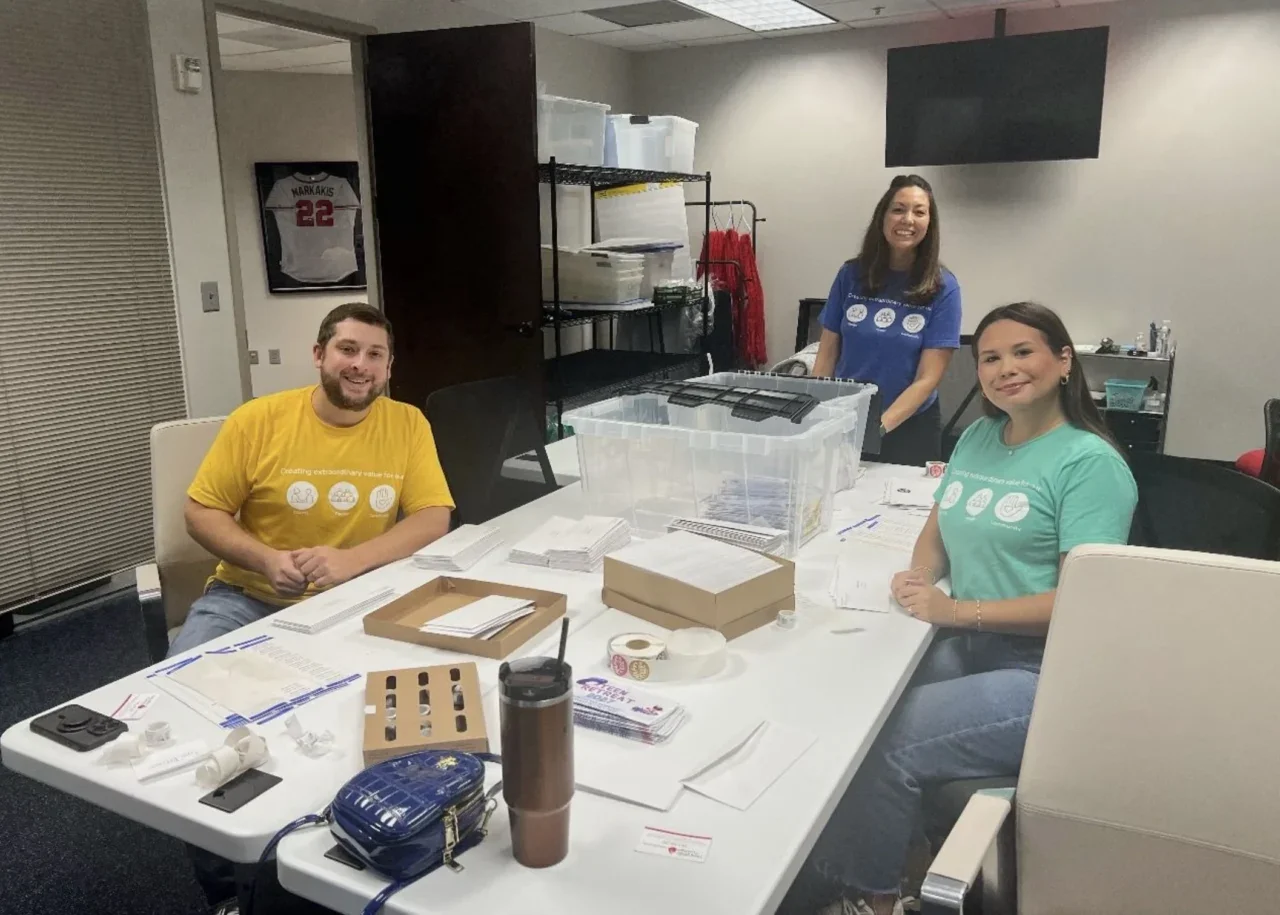
“Today, I had the opportunity to go volunteer with Hemophilia of Georgia at their Sandy Springs Location.
Maya Smith, Christin Thornton, Josh Stinson and I got to help package flyers to mail out to spread awareness.
Not only that, but we were educated more on the impact Hemophilia of Georgia does for the community.
They help support people in so many amazing ways, and I would encourage you to research them!
So glad Smith + Howard allows us these opportunities in the communities.
Can’t wait for the next event!”
Isabelle Mahé, Head of Internal Medicine at the Louis Mourier Hospital, APHP at Paris Cité University:
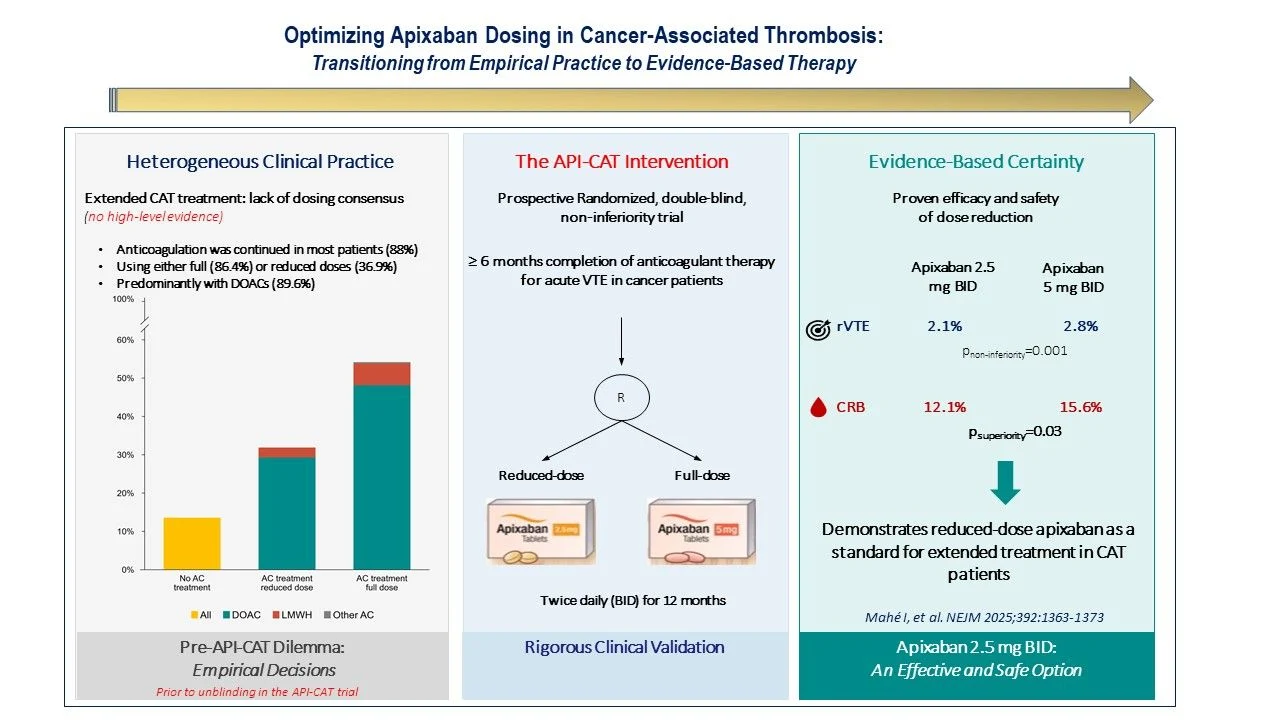
“Just published in EHJ Cardiovascular Pharmacotherapy: API-CAT Study and extended anticoagulant treatment for CAT : a practice changing study
Question: What are the investigators’ anticoagulant treatment decisions for patients enrolled in the API-CAT trial following study treatment discontinuation, prior to trial unblinding?
Findings: In this analysis of the prospective randomized clinical trial that included 1766 adults, clinicians decided to discontinue treatment in 13.6% patients and to continue in 1260 (86.4%) (about 2/3 at full dose and 1/3 at reduced dose).
Perspective: In light of API-CAT, broader adoption of reduced-dose apixaban for extended anticoagulation is anticipated.
Systematically capturing clinicians’ anticoagulation decisions after completion of the planned treatment period in prospective studies is critical.“
Cedric Hermans, Head of Haemophilia Centre at the Saint-Luc University Hospital, Brussels:
“RPTH illustrated review on Von Willebrand Disease
An illustrated review of von Willebrand disease that many of us have been waiting for is finally here!
Thank you to Mouhamed Yazan Abou-Ismail, Peter Kouides, Paula James, and Nathan Connell for this outstanding work.
Their illustrations make the biology, diagnosis, and management of this common yet complex bleeding disorder easier to understand.
Please share it widely with colleagues and medical students.
Hemostasis is a fascinating field to practise, teach, and explore through images!”
Melissa Hollo, Director of Project Management at hc1 and Licensed Independent Clinical Social Worker:
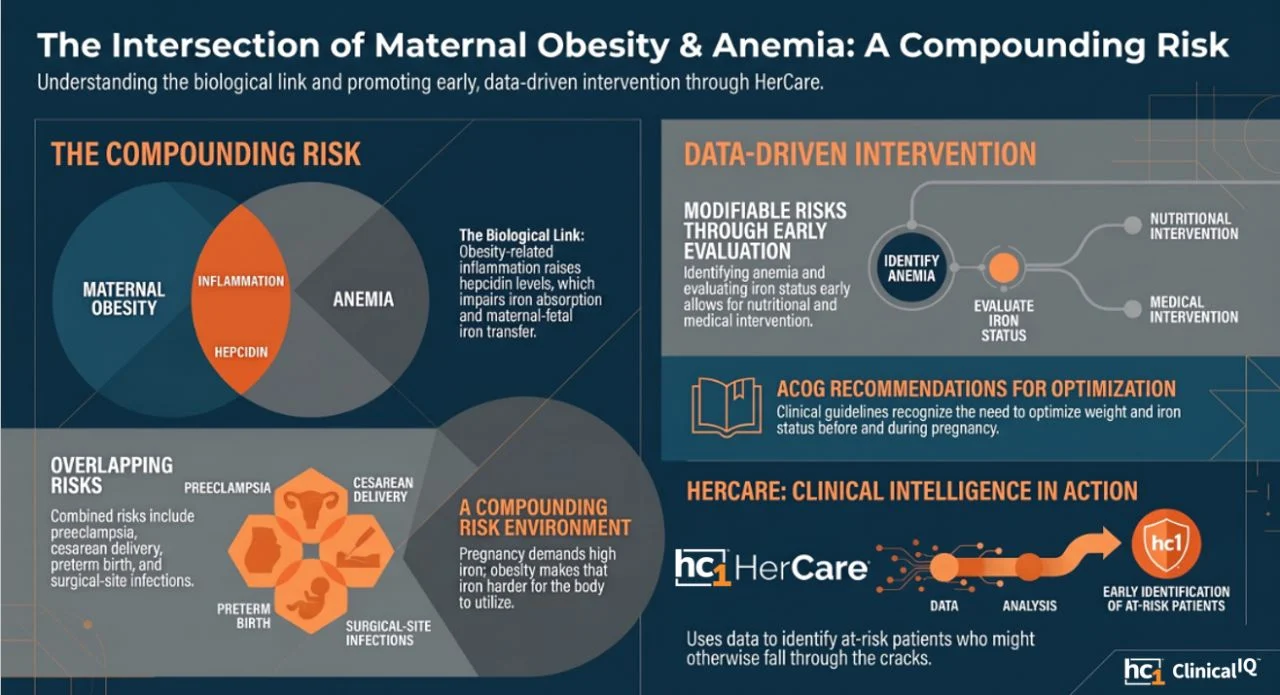
“Two common maternal health risks. One opportunity to intervene earlier.
Obesity and anemia are often managed as separate issues but they can intersect in meaningful ways.
Maternal obesity is associated with increased risk of gestational diabetes, hypertension, preeclampsia, cesarean delivery, preterm birth and stillbirth.
Pregnancy related anemia is associated with increased risk of postpartum hemorrhage, preterm delivery, low birth weight, cesarean delivery and hypertensive disorders.
There is also a biologic connection worth paying attention to: obesity related inflammation can increase hepcidin, potentially reducing iron availability and maternal fetal iron transfer.
The opportunity is earlier identification and intervention.
Anemia and iron deficiency are identifiable and treatable. Metabolic health can also be addressed before and during pregnancy. When we bring these risk factors together, we have a better opportunity to support proactive, not reactive, maternal care.
This is the thinking behind hc1 Clinical IQ’s Maternal Health module (HerCare): using clinical intelligence to identify multiple maternal risks earlier and help clinicians intervene before risk becomes complication.
Better maternal outcomes start with identifying risk early enough to do something about it.”
Ben Samelson-Jones, Associate Director of Clinical In Vivo Gene Therapy at Children’s Hospital of Philadelphia and Assistant Professor of Pediatrics at University of Pennsylvania School of Medicine:
“As hemophilia treatments become more sophisticated, understanding the role of the dysfunctional F9 variant becomes more important.”
Zahra Ghasemi, Pharmacoeconomist, Member of Health Technology Assessment international and Cochrane:
“It’s not about wealth; it’s all about altruism!
WHO’s latest blood safety report in June 2026 found 24 countries collecting fewer than 5 donations per 1,000 people, a level so low it barely covers routine needs.
Meanwhile, high-income countries, just 15% of the world’s population, collect 36% of all blood donated worldwide.
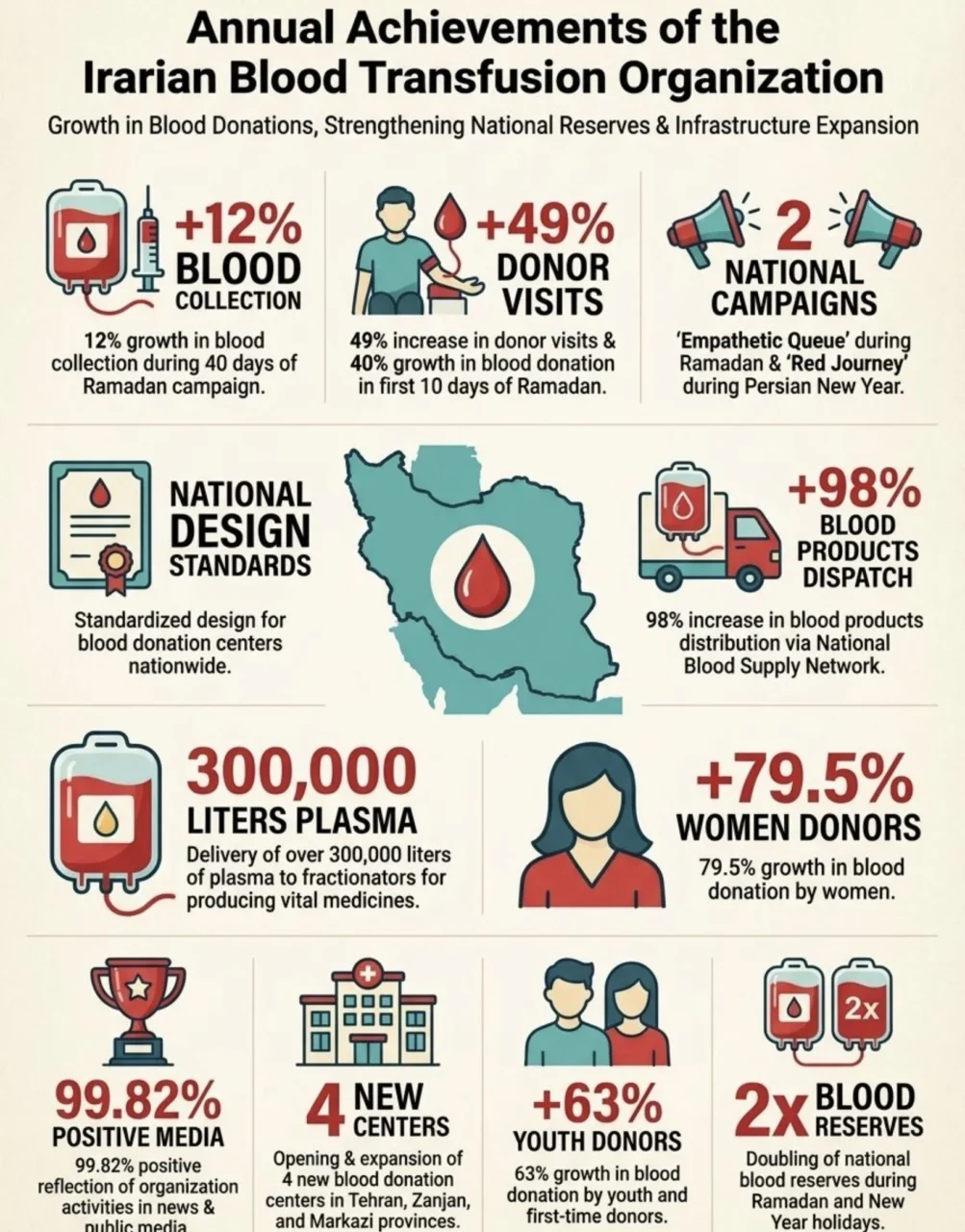
Iran sits far outside that pattern, but its blood donation rate is around 25-27 per 1,000 population, nearly double the Eastern Mediterranean regional average of around 14.9, and on par with the world’s wealthiest countries.
Iran reached 100% voluntary, non-remunerated blood donation in 2006, making it the first country in the Middle East to do so.
And guess what?! Even in the middle of war, donations didn’t drop; they surged.
Blood reserves went from a standard 5-day supply to over 12 days, a first in the organization’s history.
Female donor participation jumped 79.5%. Donations from people under 25 rose 63%.
In the middle of a crisis, people kept showing up for others they’d never meet. so, the gap between a country that struggles to reach 5 donations per 1,000 and one that reaches 27 isn’t really about wealth; it’s about whether people believe their donation matters.”
Nicolas Gendron, Postdoctorate research Fellow at Harvard Medical School, Research Fellow and Hematologist at Boston Children’s Hospital:
“Everolimus and venous thromboembolic risk in kidney transplantation
We are pleased to share with Lina Khider the results of our retrospective observational study, combining a case series and an analysis of the French National Pharmacovigilance Database.
Everolimus, a selective mTOR inhibitor widely used in transplantation, has already been associated with an increased risk of MVTE in heart and lung transplant recipients. Its impact on kidney transplant patients remained poorly documented.
Our main results:
In our center: 5 kidney transplant patients on everolimus presented with MVTE, including 3 recurrences. Median time to onset: 11 months after initiation.
16 additional cases identified via national pharmacovigilance, all organs combined (heart 43.8percent, lung 18.8percent, kidney 18.8percent)
The risk appears to be particularly marked in patients with a history of EVD before transplantation and during the first year after the introduction of everolimus.
Our observations suggest a link between everolimus and the risk of MVTE in renal transplant patients on everolimus, especially those with a personal history of EVD.
Further studies are needed to confirm these findings and guide clinical practice.”
Stay updated with Hemostasis Today.
-
Sep 27, 2026, 03:23Massimo Martino: VEN-DEC-GITMO – Advancing AML Treatment in Older Patients
-
Sep 27, 2026, 03:08Arrigo Francesco Giuseppe Cicero: Why Earlier LDL-C Lowering May Matter in Cardiovascular Prevention
-
Sep 27, 2026, 02:51Veronique Witko-Sarsat: Thromboinflammation at the 17th World Congress of Inflammation
-
Sep 27, 2026, 01:45Jin-Xiong She: Functional Iron Deficiency in the Setting of Chronic Inflammation
-
Sep 27, 2026, 01:44Crystal Karakochuk: Scientific Reports Launches New Collection on Iron Deficiency and Anemia
-
Sep 27, 2026, 01:44Arielle Nylander: National Expertise at the Center of Maternal Anemia Action
-
Sep 27, 2026, 01:43Muhammad Ans: Emerging Trends and Disparities in PE-Related Mortality Among Patients With AF
-
Sep 26, 2026, 18:01Kalyan Roy: Blood Group Chimerism as a Rare Cause of ABO Discrepancy
-
Sep 26, 2026, 17:34Arwa Z. Al-Riyami: Join ISBT and Advance Your Career