


Denis Oduor: Bringing Blood Closer – Strengthening Kenya’s Response to PPH
Denis Oduor, Nairobi County Blood Services Coordinator at Nairobi City County, shared a post on LinkedIn:
“Bringing Blood Closer: A County Leadership Opportunity to End Preventable Maternal Deaths
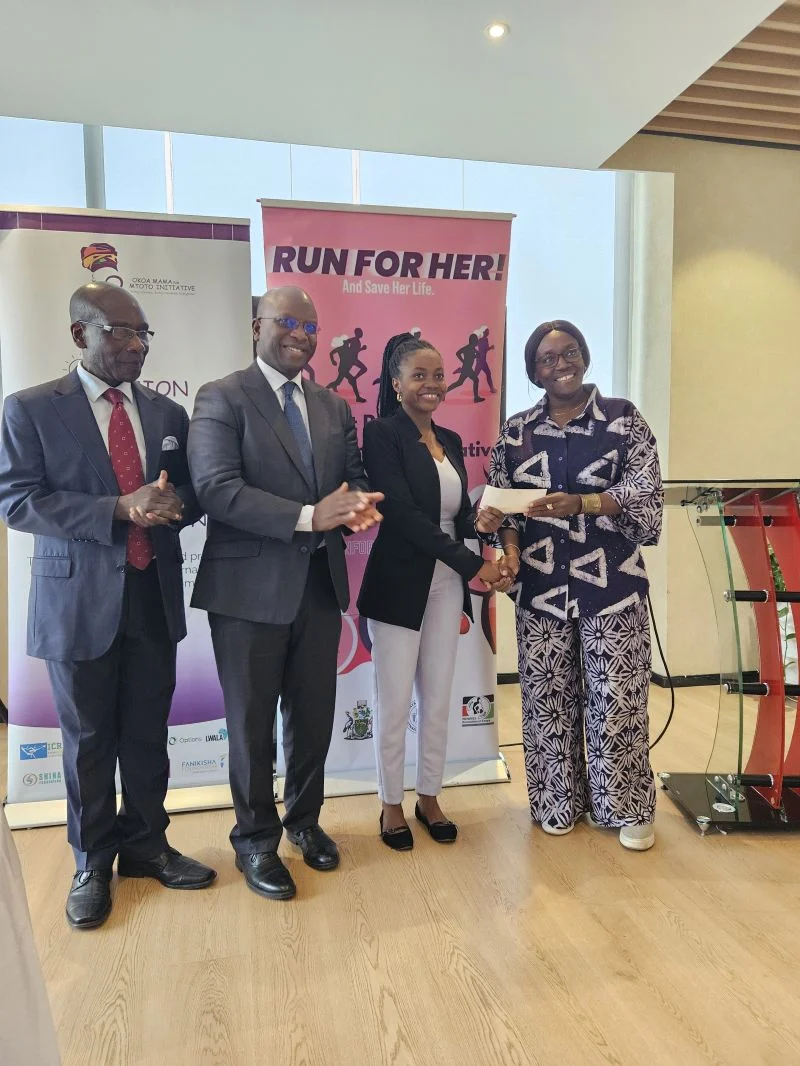
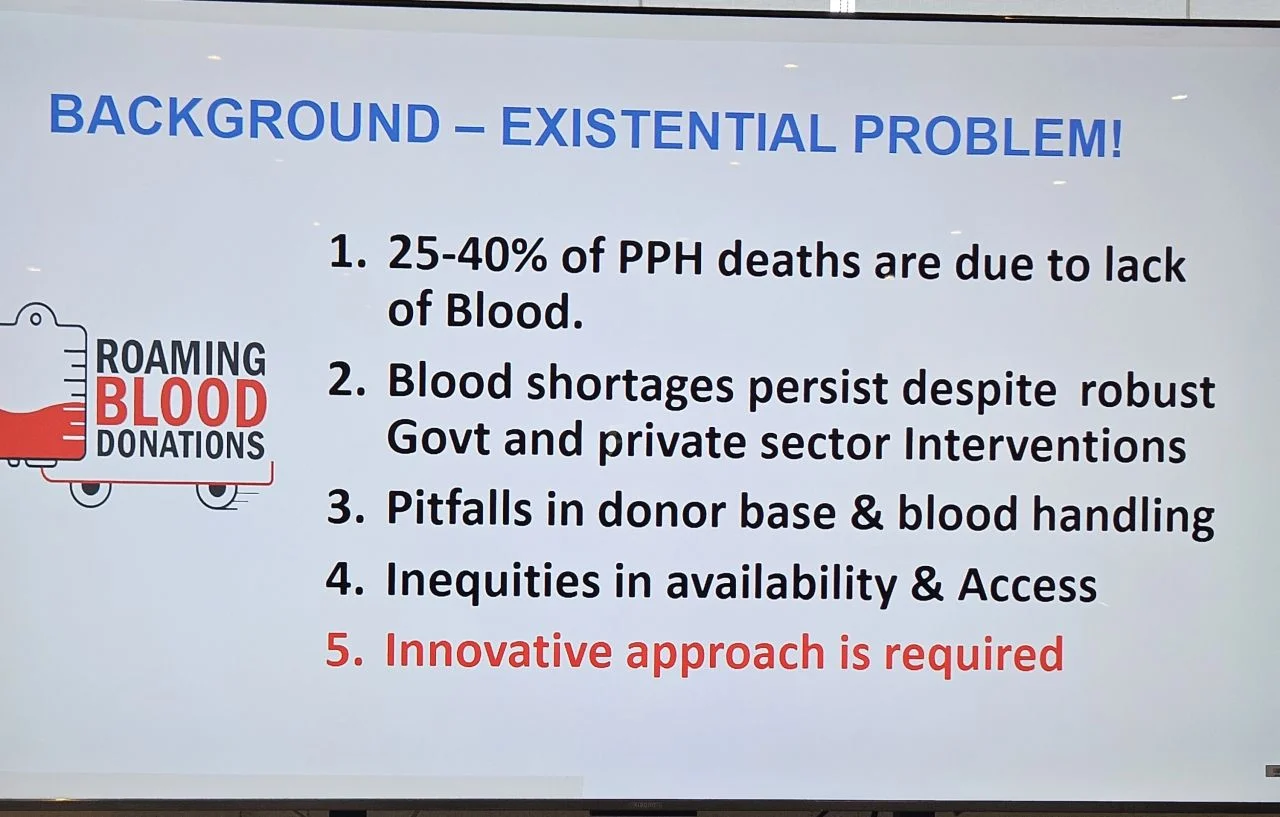
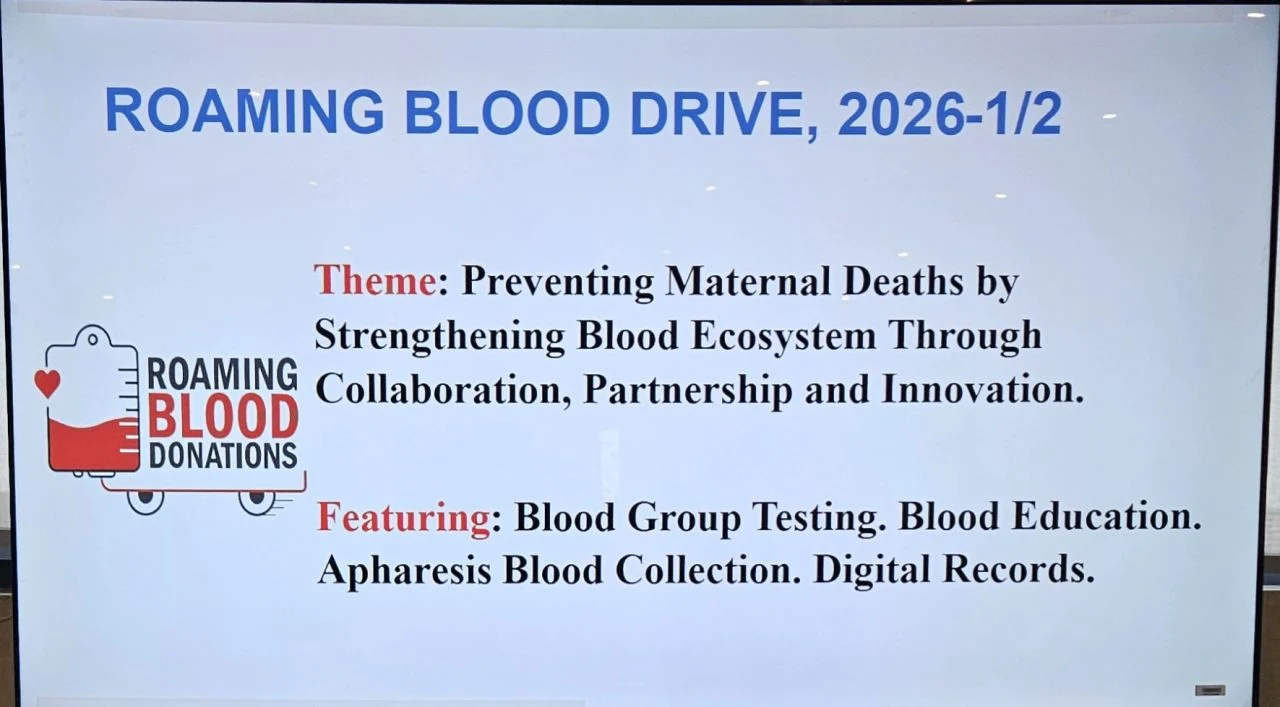
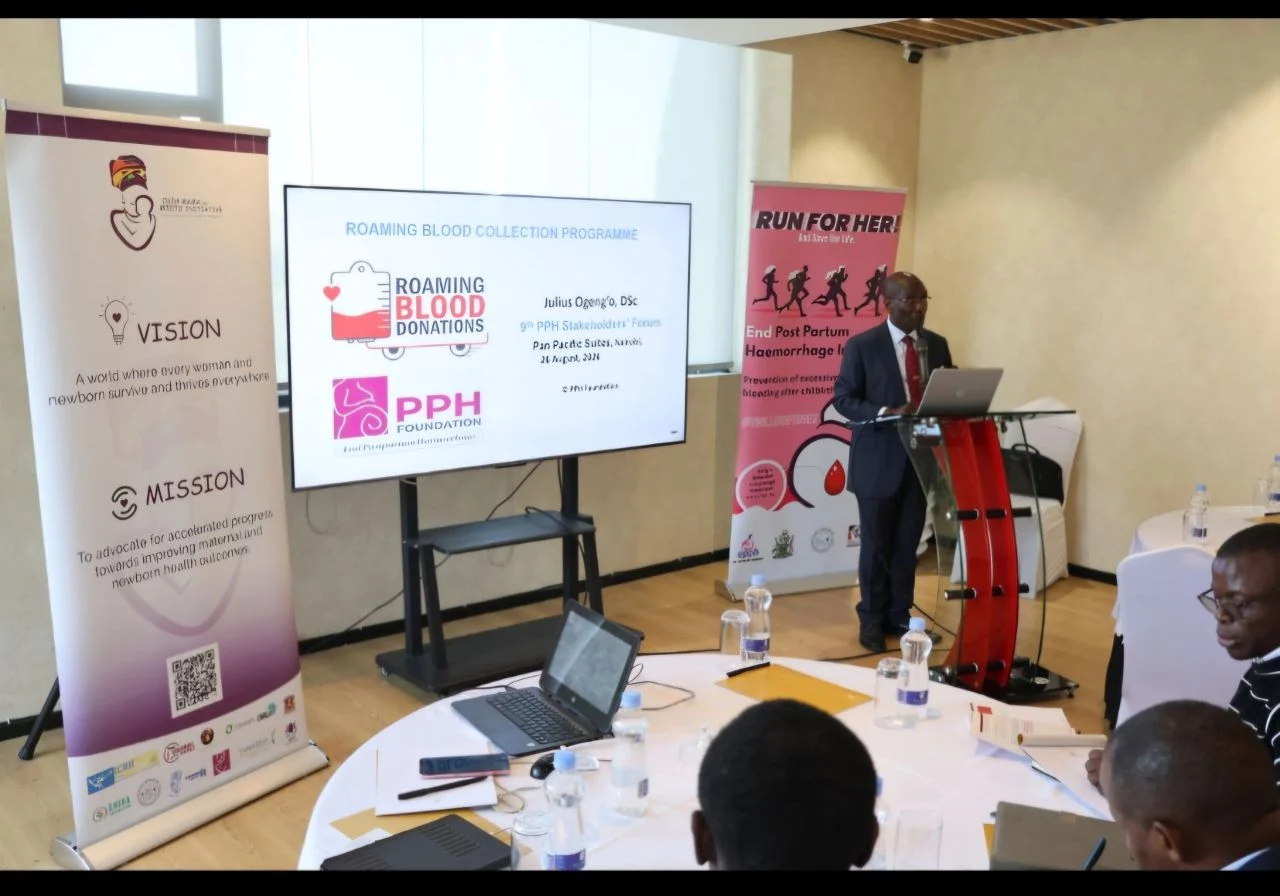
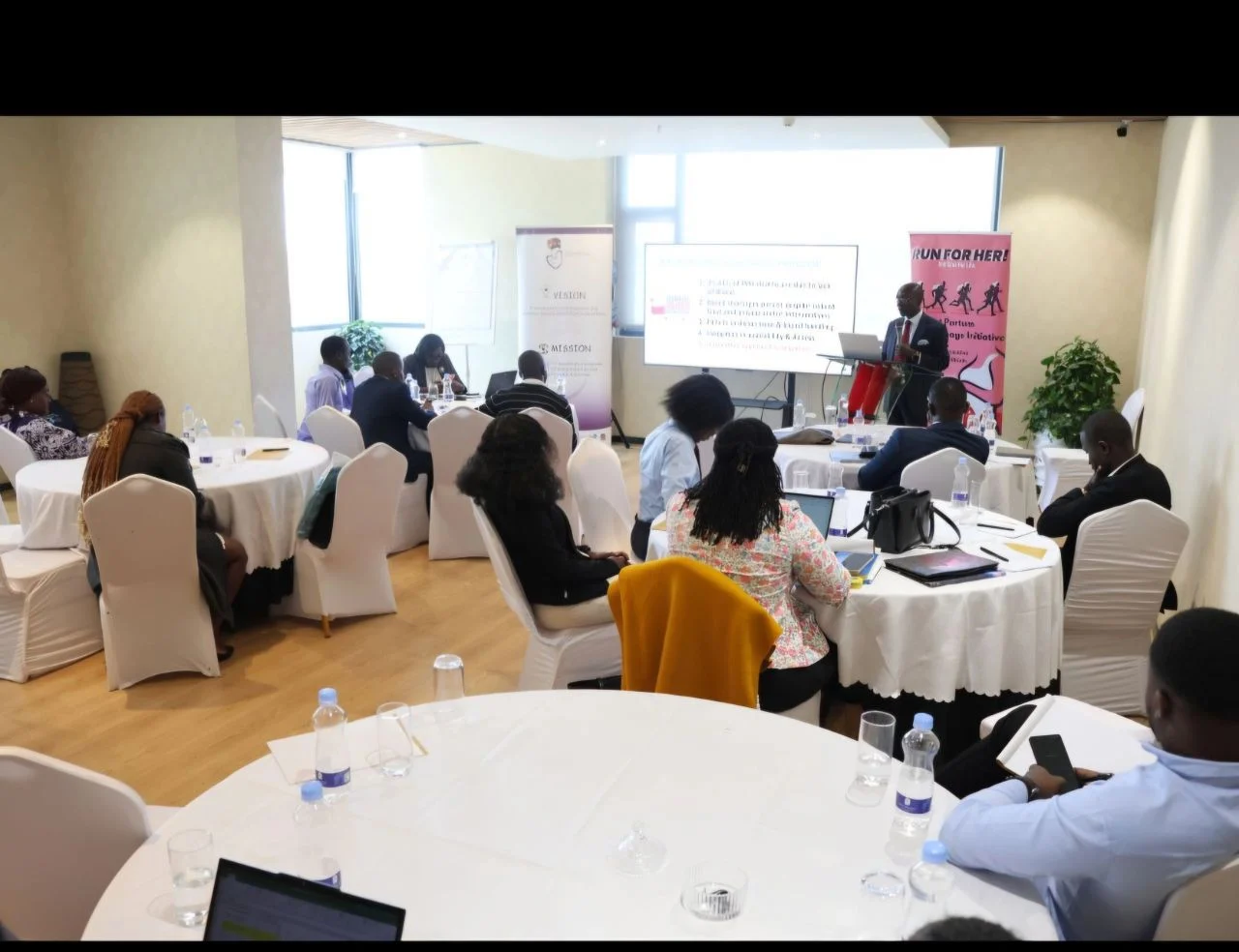
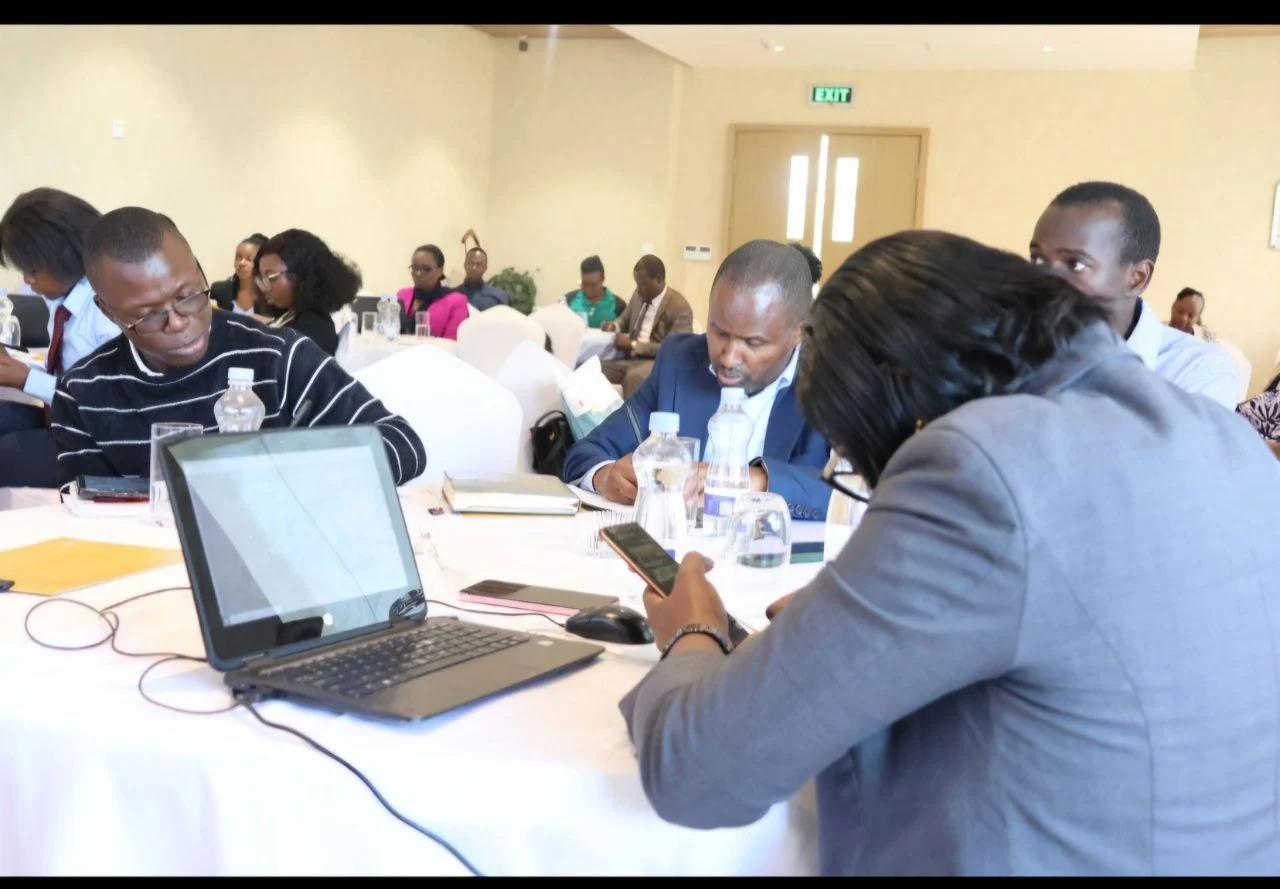
Today, at the 9th Postpartum Haemorrhage (PPH) Stakeholders’ Forum in Nairobi, I had the opportunity to participate in discussions on strengthening Kenya’s response to postpartum haemorrhage – and to present the Roaming Blood Collection Programme with prof. Julius Ogengo.
This initiative is much more than a blood donation campaign. It is an opportunity to strengthen health systems, improve emergency preparedness and directly contribute to Kenya’s commitment to ending preventable maternal deaths from PPH.
I see tremendous potential for this model to complement and strengthen existing county and national blood transfusion structures.
For County Governments, the programme provides an opportunity to shift from reactive response to proactive preparedness by bringing blood donation services closer to:
- Communities
- Workplaces and institutions
- Faith-based organisations
- Uniformed services
- Schools and universities
- Corporate organisations
- Other strategic population groups
Running from 13th–30th September 2026, the Roaming Blood Collection Programme can help counties to:
- Expand the voluntary non-remunerated donor base and progressively reduce dependence on family replacement donations.
- Improve preparedness for obstetric emergencies, particularly PPH, where every minute matters and timely access to blood can mean the difference between life and death.
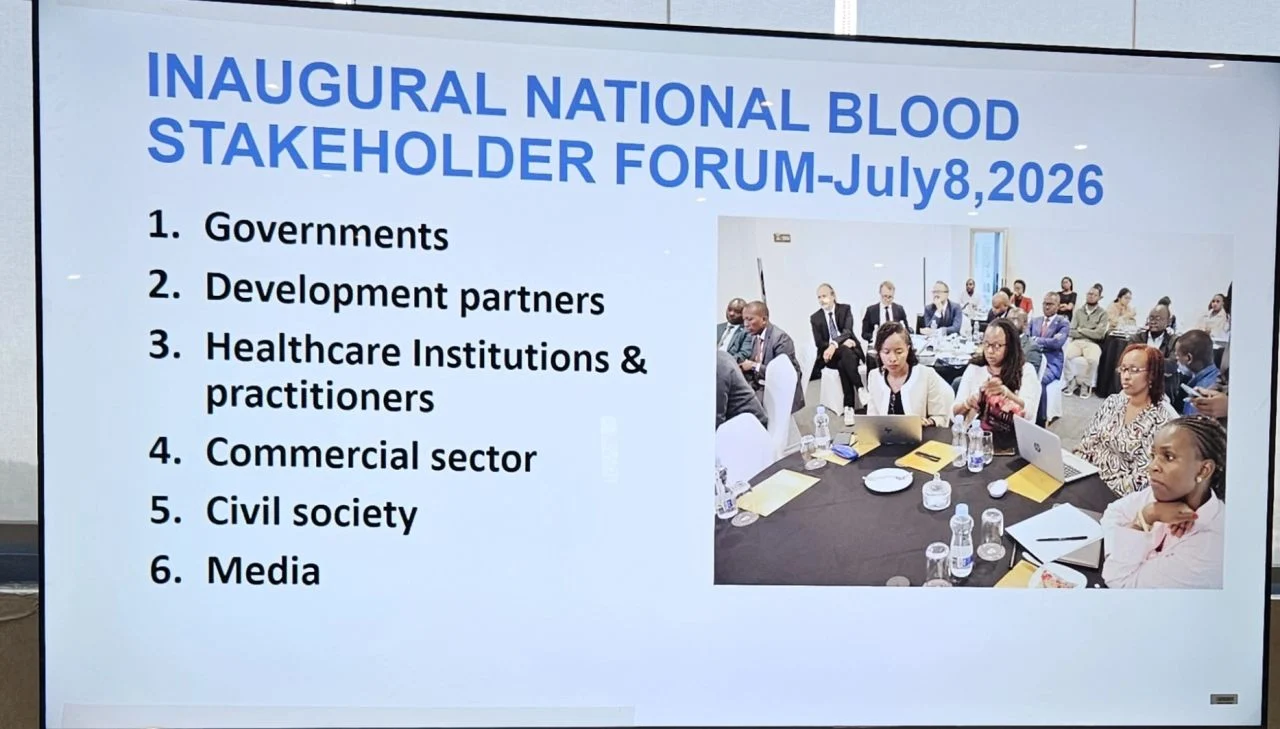
- Strengthen county–national collaboration between County Governments, KNBTS, health facilities, communities and development partners.
- Use local data to guide deployment, directing mobile blood collection services to areas with high demand, underserved populations and strategic donor pools.
- Build sustainable community ownership of blood donation as an essential component of universal health coverage and emergency preparedness.
- Strengthen accountability for maternal health outcomes by linking blood availability to broader PPH prevention, preparedness and response strategies.
Leadership is not only about policy and coordination. It is also about creating an enabling environment, mobilising communities, supporting logistics, strengthening infrastructure and investing in sustainable blood transfusion systems.
A mother experiencing PPH does not have the luxury of waiting for blood to become available.
The blood must be available before the emergency happens.
That is why this is a call to county leadership, health managers, partners and communities to invest in preparedness – not simply response.”
Stay updated with Hemostasis Today.
-
Oct 13, 2026, 11:24Brandon Daniel D’Costa: Building Stronger Stakeholder Relationships Through Empathy and Open Communication
-
Oct 13, 2026, 11:08Renel Tique: 5th International Conference on Hemophilia and Rare Bleeding Disorders
-
Oct 13, 2026, 02:01Nour Al-Mozain: Is It Really Anti-D? – Unraveling Auto-Anti-LW in the Transfusion Laboratory
-
Oct 13, 2026, 01:51Berenice Villegas: The Role of Morphologic Evaluation in Body Fluid Differential Analysis
-
Oct 13, 2026, 01:44Debadrita Ray: Evaluating vWF and VITRO Score for Detecting CSPH in cACLD Patients
-
Oct 13, 2026, 01:34Nagesh Ramesh: Donating Blood for International Plasma Awareness Week
-
Oct 12, 2026, 21:51Sam Botchey: Orthobiologics Are Advancing but the Evidence Must Keep Pace
-
Oct 12, 2026, 21:50Serum Vitamin D, Platelet Function, and Bleeding in Primary ITP – Platelets Journal
-
Oct 12, 2026, 21:30Nika Samadzadeh Tabrizi: Looking Forward to the PACeS Trial on Anticoagulation for POAF