

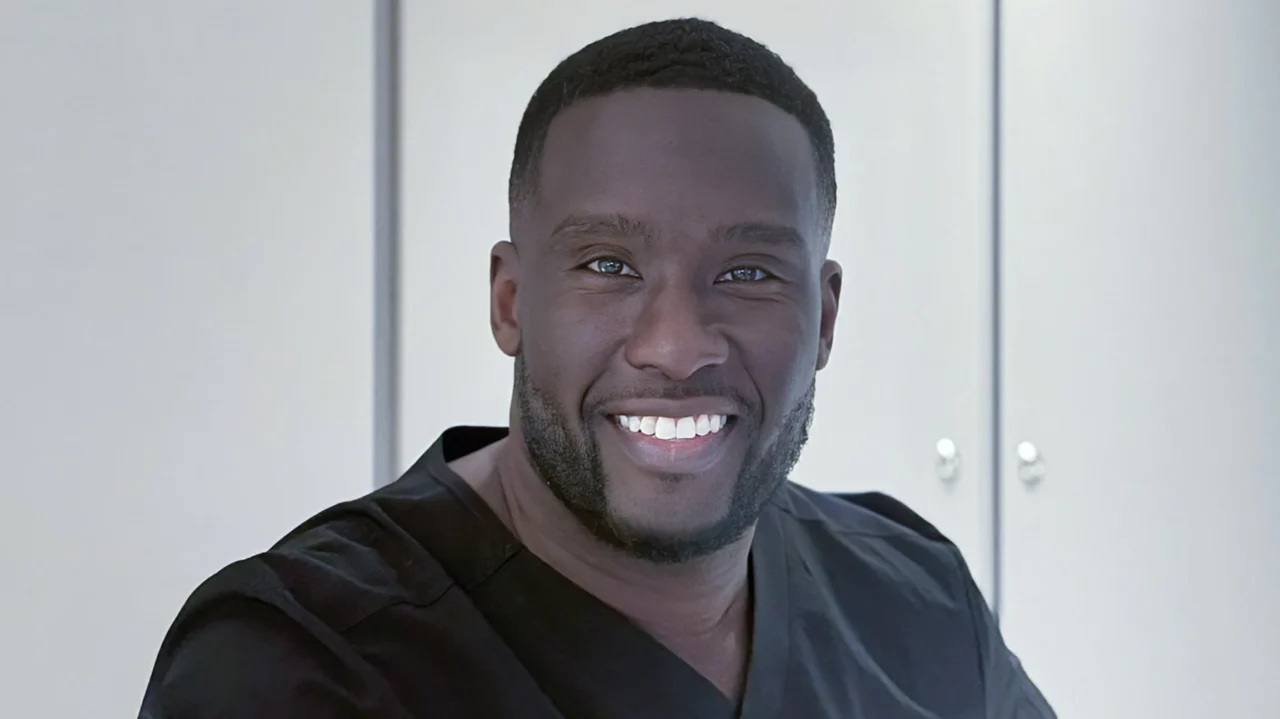
Sam Botchey: Orthobiologics Are Advancing but the Evidence Must Keep Pace
Sam Botchey, Head of Performance at Lanserhof at The Arts Club, Consultant in Sport, Exercise and Musculoskeletal Medicine at London Bridge Hospital, The Princess Margaret Hospital, Spire Healthcare Group plc, Pure Sports Medicine, Tunnel Doctor at Tottenham Hotspur Football Club, shared a post on LinkedIn:
“I couldn’t attend the whole ICRS – International Cartilage Regeneration and Joint Preservation Society conference, but it was a pleasure to spend time in Porto and briefly seeing colleagues including Francesco Della Villa and Kristof Sas and meeting others across cartilage preservation and orthobiologics.
One line stayed with me:
‘I think the foundations are there, but the building is still under construction.’ Prof Giuseppe Filardo
PRP: more evidence, but not a finished answer
Filardo’s PRP: An Evolving Perspective After 20 Years was a highlight.
His evidence map included 224 PRP studies and 15,113 treated patients, versus 152 corticosteroid studies and 9,322 patients and more RCTs.
But volume is not certainty.
His message was to move away from promising ‘regeneration’ and towards joint homeostasis and meaningful, symptom control.
The next step is better product characterisation, total platelet dose and patient selection, not simply another rich vs poor debate.
BMAC and adipose: selection matters
Professor Elizaveta Kon‘s 240-patient PATTERN study compared four BMAC and adipose groups and injection routes.
All improved, but there was no overall winner.
As we know BMAC is not one standardised’“stem-cell injection’. Its utility may be as a selected, later-line option, not a universal upgrade from PRP.
An unexpected adipose responder signal has led to VIRTUE, a focused 140-patient study using imaging and proteomics.
Prof Elizaveta Kon summed up the right approach:
‘Next, you have to prove your results.’
Polynucleotides: intriguing, but early
Dr Kristof Sas described an initial viscoelastic effect, followed by possible biological activity as these fish-derived DNA polymers break down.
His conclusion was measured: ‘I think this is a very promising product; we need clinical trials, we need more evidence.’
Cartilage repair: a rapidly expanding toolkit
Not my wheelhouse but the options in development include coral-derived osteochondral plugs, self-adhering hydrogels and off-the-shelf cell-derived implants.
Denis Evseenko’s honesty when discussing Plurocart was refreshing:’We still have a lot of challenges and headwinds. It’s a high-risk product. It has never been tested in humans.’
I like that balance!
The cartilage pipeline is moving quickly, but comparative trials, durability and patient selection must keep pace.
Not every problem needs an injection either.
Root tears, displaced or unstable meniscal injuries and repairable traumatic lesions still require surgical thinking.
I left Porto more optimistic about orthobiologics, and more convinced that precision, transparency and better evidence will move the field forward.
These are conversations I’m keen to continue within the British Association of Sport and Exercise Medicine community and in my clinical work at The Sports Biologics Clinic.”
Stay updated with Hemostasis Today.
-
Oct 12, 2026, 21:50Serum Vitamin D, Platelet Function, and Bleeding in Primary ITP – Platelets Journal
-
Oct 12, 2026, 21:30Nika Samadzadeh Tabrizi: Looking Forward to the PACeS Trial on Anticoagulation for POAF
-
Oct 12, 2026, 21:28Michael Megaly: Does Coronary Ectasia Affect Outcomes in Acute Coronary Syndromes?
-
Oct 12, 2026, 21:25Vitor Borin P. de Souza: Think Twice Before Anticoagulating an Isolated Subsegmental PE
-
Oct 12, 2026, 20:43Jazlyn A Selvasingh: Excited to Share Our Research at AAO-HNSF 2026 in Los Angeles
-
Oct 12, 2026, 20:31Natalia Kovtun: Higher Ferritin Cutoffs Now Define Iron Deficiency
-
Oct 12, 2026, 19:39Edward Loftus: Using Low-Dose Aspirin in Pregnant Women With IBD
-
Oct 12, 2026, 19:32Shruti Sachdeva: Strengthening the Fight against Anemia
-
Oct 12, 2026, 19:27Melissa Hollo: Treating Anemia during Pregnancy Is an Investment in Two Generations of Health