

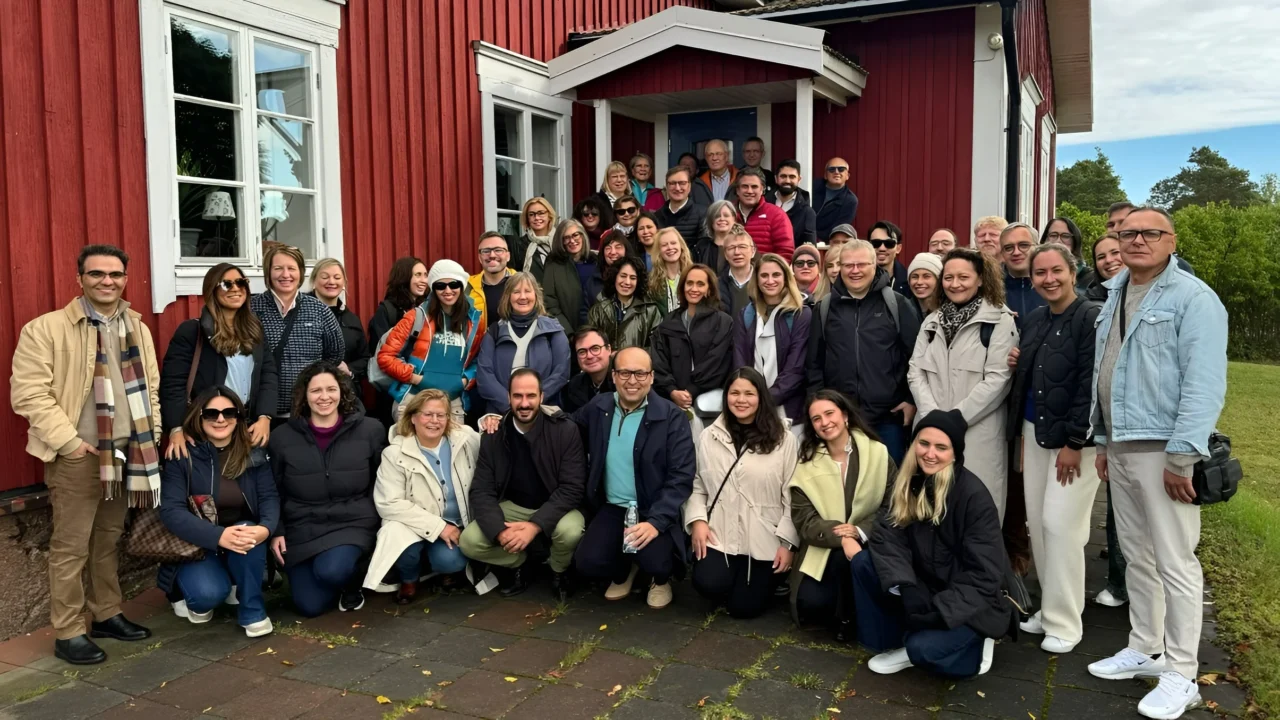
Nathan Connell: Key Takeaways from the 8th Aland Island Meeting on von Willebrand Disease
Nathan Connell, Clinical Chief of Hematology at Brigham and Women’s Faulkner Hospital, shared a post on LinkedIn:
“There are few meetings in our field quite like the Aland Island Meeting on von Willebrand disease.
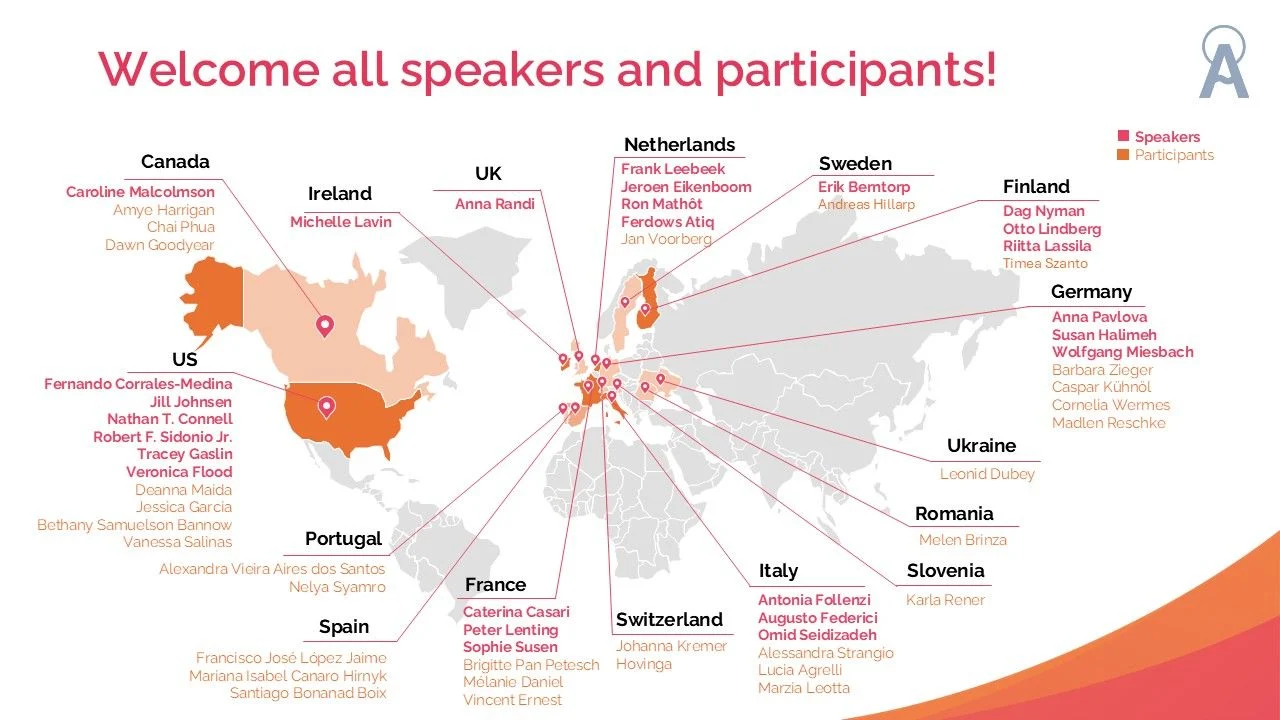
I am deeply grateful to Erik Berntorp and Riitta Lassila for their kind invitation to participate again in the 8th Aland Island Meeting in Helsinki and the Aland Islands with colleagues from around the world.
What made this meeting so distinctive was how closely the science remained connected to its origins.
We began at the Helsinki Deaconess Institute, where Erik von Willebrand worked, and heard Otto Lindberg speak about the life and work of his great grandfather.
We then traveled to Föglö, where Hjördis Sundblom and her family lived, visiting the family home and cemetery.
A century after von Willebrand’s 1926 description of ‘Hereditary Pseudohemophilia,’ based on his study of the bleeding disorder affecting the Sundblom family and later named for him, being in these places made that history tangible.
It was also a powerful reminder that the center of this work is not a protein, an assay, or a diagnostic label… it is people living with VWD.
The scientific program highlighted both progress and major unfinished work:
- Recognition and diagnosis: epidemiology, disease severity, bleeding assessment tools, genetics, advances in VWF testing, pediatric diagnosis, and anti-VWF antibodies.
- Women and girls: heavy menstrual bleeding, iron deficiency, pregnancy and delivery, and integrated hematology–gynecology care.
- Treatment: prophylaxis, individualized pharmacokinetics, perioperative management, and the gap between advances in hemophilia and routine VWD care.
- Biology: VWF as a vascular regulator, endothelial biology, inflammation, and roles of VWF and FVIII beyond coagulation.
- The future: low VWF, emerging therapeutics, clinical trials, and the next generation of research.
- Global equity: recognition, diagnostic capacity, referral pathways, treatment access, and models of care for differently resourced health systems.
I was pleased to contribute a session on international guidelines and real-world prophylaxis in VWD, and to co-lead the closing roundtable on new and ongoing trials and research.
The best part was the time with colleagues: ferry rides through the archipelago, meals, conversations between sessions, and finally meeting people whose work I have read and admired for years.
My sincere thanks to Octapharma for supporting this remarkable meeting; to Stefano Carta, Vincent Milleret, Beatriz Rios, Emma Cavalli, and Gregory Melroe for their work organizing it; and to Benjamin Koivuniemi for seamless logistical coordination.
Most of all, thank you to Erik and Riitta for creating a meeting that connects the history of VWD with its future.
The challenge for the next century is not only to understand VWF better, but to ensure that people with VWD are recognized earlier and can access appropriate care wherever they live.”
Stay updated with Hemostasis Today.
-
Sep 29, 2026, 16:18Edward Lee Carter: Why Periprocedural DOAC Guidance Needs a Common Output Standard
-
Sep 29, 2026, 16:07Yasmine Laraba: Deep Vein Thrombosis Causes, Signs and Management
-
Sep 29, 2026, 16:01Stephen Cornelissen: How Joining the Stem Cell Registry Can Save Patients with Blood Cancers
-
Sep 29, 2026, 15:45Alan Nurden: Could Mast Cell aIIb Integrin Play a Key Role in Septic Thrombus Stability?
-
Sep 29, 2026, 15:43Priyadarshani Sharma: Advocacy and Patient Rights Transform Indian Haemoglobinopathies Care
-
Sep 29, 2026, 15:21Kanchan K Banerjee: Rusfertide Earns NCCN Category 1 Recommendation for Polycythemia Vera
-
Sep 29, 2026, 15:06Faizan Khan։ The Worldwide Burden of Venous Thromboembolism
-
Sep 29, 2026, 14:59Global Von Willebrand Disease Diversity Webinar Now Available on EHC YouTube – EHC
-
Sep 29, 2026, 14:43Mary Cushman: Apply to Shape Scientific Publishing as ISTH Associate Editor