


Victor Agunyego: Paracetamol – The Most Common Drug We Underestimate
Victor Agunyego, Member of African Digital Health Student Network, Digital Analyst at DEXA, CHSSA’LC Chief Whip Elect at Osun State University, shared a post on LinkedIn:
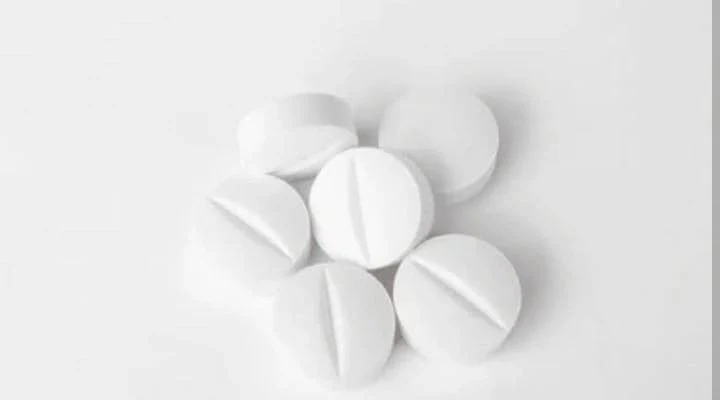
“Paracetamol (Acetaminophen): The Most Common Drug We Underestimate:
Everyone has taken Paracetamol. It’s in almost every home. Because it’s so common, we often forget it’s a drug — with benefits, risks, and a mechanism we should respect.
Let’s break it down professionally.
What is Paracetamol:
Paracetamol, also known as Acetaminophen, is an analgesic (pain reliever) and antipyretic (fever reducer). It belongs to the class of non-opioid analgesics. Unlike NSAIDs like Ibuprofen, it has very weak anti-inflammatory activity.
Mechanism of Action:
Paracetamol works mainly in the brain. It inhibits the COX enzymes (COX-2 and COX-3) in the central nervous system. This blocks the production of prostaglandins, which are chemicals responsible for pain and fever.
By reducing prostaglandins in the brain, it raises the pain threshold and acts on the hypothalamus to reduce fever. It also modulates the endocannabinoid system, which contributes to its analgesic effect.
In simple terms: It tells your brain to feel less pain and cool down the body.
Uses:
- Mild to Moderate Pain: Headache, toothache, muscle pain, back pain, period pain, post-vaccination pain.
- Fever: First-line drug for fever in adults and children.
- Osteoarthritis: Preferred over NSAIDs in elderly patients with ulcer risk.
- Combination therapy:Found in cold and flu medicines with decongestants and antihistamines.
Example: 500mg – 1g every 6-8 hours is standard for an adult with fever or headache.
Effects and Side Effects:
At therapeutic doses, it’s very safe. At high doses, it becomes toxic. Side effects are rare but include nausea, allergic rash, and in overdose — severe liver damage.
Contraindications and Cautions:
- Severe liver disease or liver failure
- Severe hepatic impairment due to alcoholism
- Known hypersensitivity to paracetamol
- Caution in chronic alcohol users, malnourished patients, and those with G6PD deficiency.
The Golden Rule Every Pharmacologist preaches:
Maximum dose is 4 grams per day for adults. Many liver failures happen because people take Paracetamol with Cold medicine and Pain medicine at the same time all containing paracetamol without knowing.
Paracetamol is safe, but safe does not mean harmless but dose matters.
When last did you check the ingredients of that ‘cold remedy'”
Stay updated with Hemostasis Today.
-
Sep 29, 2026, 22:42Nova Sinclair: Advancing the Future of Hematology – Meet Our 2027 Organizing Committee
-
Sep 29, 2026, 22:41Lorenz Räber: Intracoronary Imaging in PCI – Why, When, How, and Which Modality?
-
Sep 29, 2026, 22:31Selma Turkovic: Pleased to Deliver the Opening Presentation at Kingston Hospital
-
Sep 29, 2026, 22:31Miguel Teran: Ultrasound and Simulation in Arterial Blood Sampling
-
Sep 29, 2026, 21:47Javed Anees: DADA2 – When a Young Stroke Is More Than a Stroke
-
Sep 29, 2026, 22:28Mohammad Refaei: Navigating Your Career in Hematology From Training to Practice
-
Sep 29, 2026, 22:27Matteo Foschi: 10 Clinical Pearls for Antithrombotic Therapy in Secondary Stroke Prevention
-
Sep 29, 2026, 22:26A Global Call for Action on Cardiovascular Health on World Heart Day – ISTH
-
Sep 29, 2026, 19:00Caitlin Raymond: Can Artificial Blood Solve Blood Supply Shortages?