


Reda Awad Abdelsalam: FXIa Inhibition for Stroke Prevention
Reda Awad Abdelsalam, Intern doctor at Alexandria University Faculty of Medicine, shared a post on LinkedIn:
“Uncoupling thrombosis from hemostasis: what a stroke prevention session taught me about FXIa inhibition
I recently completed the Medscape Live session ‘What’s New, What’s Next: Clinical Trial Updates in Secondary Stroke Prevention’ (1.00 AMA PRA Category 1 Credit). My key takeaways:
The Clinical Gap
- About 1 in 12 patients had another ischemic stroke despite best medical therapy (8.4 percent in the OCEANI STROKE placebo arm).
- Recurrent strokes are deadlier: 30 day case fatality was 41 percent vs 22 percent for a first stroke.
- Intensifying antithrombotics hits a bleeding ceiling. DAPT cuts early recurrence by 20 to 30 percent (relative) but roughly doubles major bleeding, so it is limited to 21 to 30 days. Full dose anticoagulation (NAVIGATE ESUS) added bleeding without benefit.
The Rationale
Normal hemostasis relies mainly on the extrinsic pathway, while thrombus growth depends on thrombin driven amplification through FXI.
Genetic FXI deficiency is linked to fewer cardiovascular events and little spontaneous bleeding. That is the case for inhibiting FXIa.
The Evidence
- Phase 2 trials (PACIFIC Stroke, AXIOMATIC SSP) were neutral on efficacy, with no clear bleeding signal.
- OCEANIC Stroke is an international, randomized, double blind phase 3 trial (n equal to 12,327) of asundexian 50 mg daily added to standard antiplatelet therapy.
- Ischemic stroke: 6.2 percent vs 8.4 percent (HR 0.74, 95 percent CI 0.65 to 0.84)
- ISTH major bleeding: 1.9 percent vs 1.7 percent (HR 1.10, not significant)
- Disabling or fatal stroke: HR 0.69
- Results were consistent across regions, races and stroke subtypes, including the Chinese cohort (n equal to 1,451, HR 0.68).
A case from the session
A 59 year old man with left MCA (M1) intracranial atherosclerosis had a recurrent stroke despite aspirin, clopidogrel and a statin (LDL 0.88 mmol L). The work up focused on excluding competing causes (occult AF, vasculitis, dissection).
This is exactly the high residual risk patient these trials target.
Caveats
Subgroup analyses were not adjusted for multiplicity, fatal bleeding was numerically higher (14 vs 8, wide CI), and this is only one phase 3 trial so far. LIBREXIA Stroke (milvexian) will help show how consistent the class effect is.
Thank you to the faculty for a clear, evidence-focused discussion.”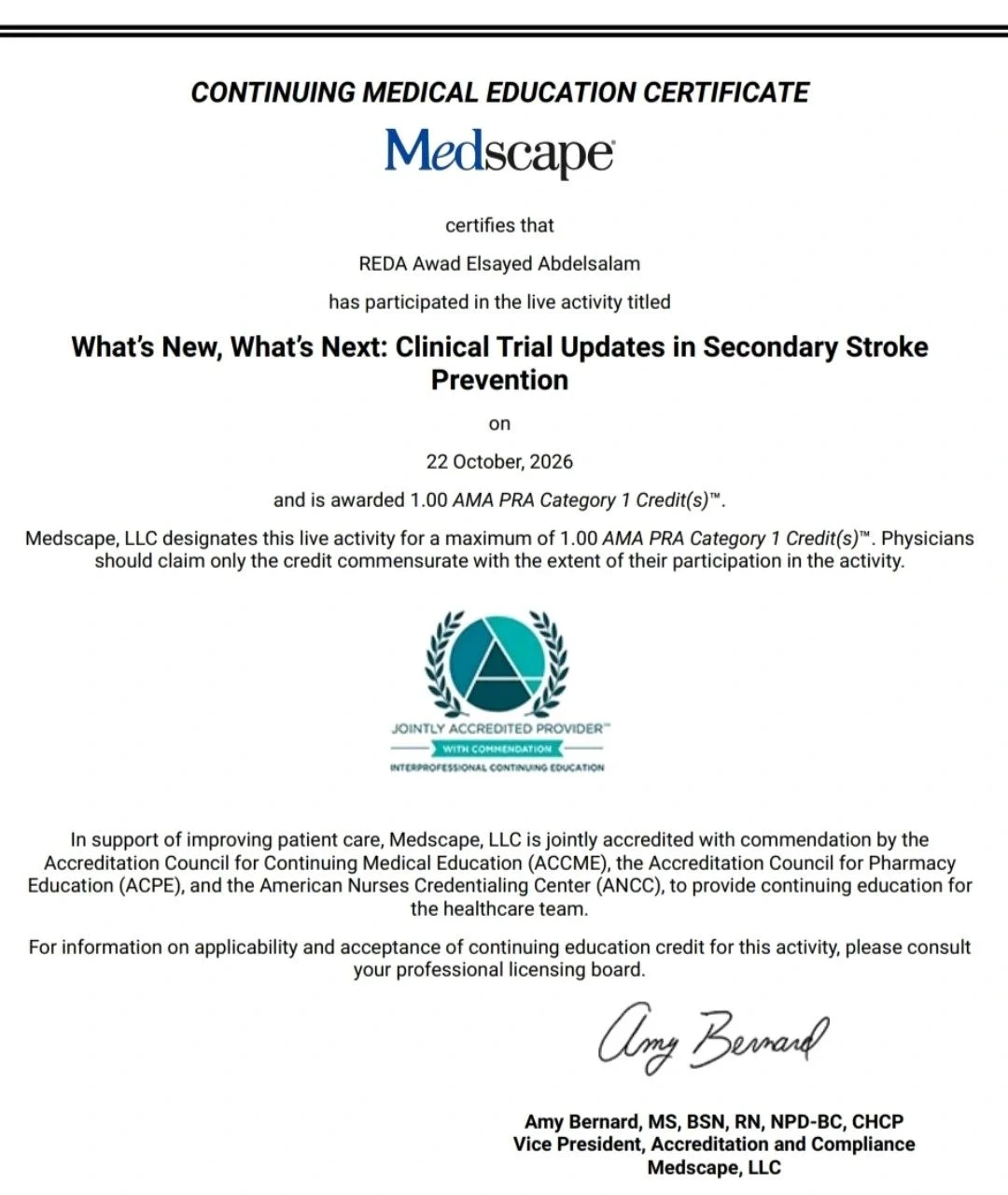
Stay updated with Hemostasis Today.
-
Oct 23, 2026, 07:17Nahush Chafekar: Anticoagulation Strategies in Haemodialysis Patients with AF
-
Oct 23, 2026, 07:15Jessica Garcia: Honored Among the Best Doctors of 2026
-
Oct 23, 2026, 06:43Tim Blair: Improving DVT Awareness, Early Diagnosis, and Access to Treatment
-
Oct 22, 2026, 18:04Basem Goueli: Blood Clots in the NFL
-
Oct 22, 2026, 17:57Syed Ahmed: Viral Triggers of Immune Thrombocytopenia and Thrombosis
-
Oct 22, 2026, 17:49Valerie Tutwiler: Bridging Engineering and Medicine to Advance Thrombosis Research
-
Oct 22, 2026, 17:41Jesus Ardila Novoa: How Patient Education Can Transform Hemophilia Care
-
Oct 22, 2026, 17:30Filipe Gonçalves: Advancing Bleeding Disorder Diagnosis Through Multidisciplinary Collaboration
-
Oct 22, 2026, 17:17Storage Pool Deficiency An Overview of a Rare Platelet Disorder – EHC