


Gene Therapy Offers New Possibilities for Patients with Thalassaemia in the UAE – Thalassaemia International Federation
Thalassaemia International Federation shared a post on LinkedIn:
“Gene Therapy In The UAE.
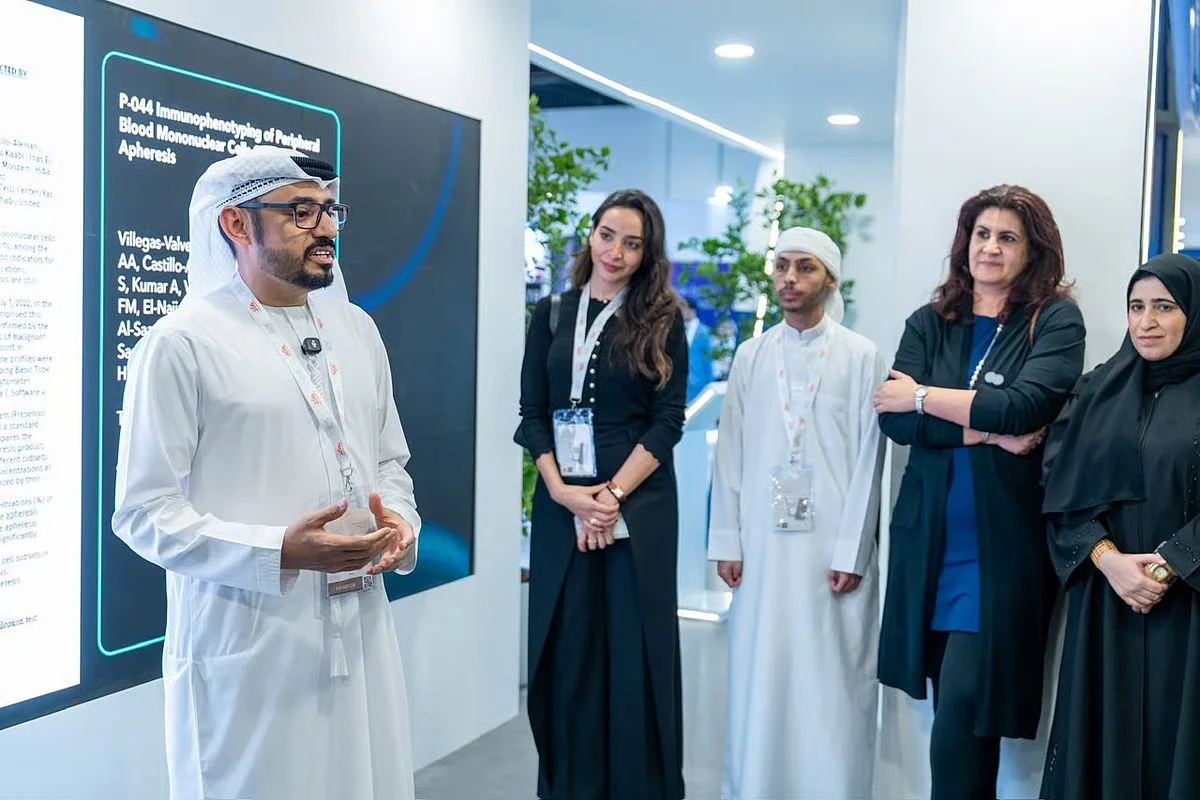
After more than four decades of living with thalassaemia, Fahad, 43, is reported to have achieved transfusion independence following gene therapy at Yas Clinic, in collaboration with the Abu Dhabi Stem Cells Center (ADSCC).
Speaking to Gulf News at the Abu Dhabi Future Health Summit 2026, he described a life shaped by transfusions every three weeks, medications and hospital visits.
Today, he reports improved energy and greater freedom to focus on his family and personal interests.
‘Knowing that my body could finally produce healthy levels of haemoglobin on its own was an extraordinary feeling,’ he said.
Fahad acknowledged the role of the Emirates Thalassaemia Society and Dubai Thalassaemia Centre in helping patients learn about emerging treatment options, as well as his family’s support throughout his journey.
He continues to receive medical follow-up.
His experience comes as the UAE makes progress in bringing advanced treatments into clinical practice.
In 2025, UAE regulatory authorities approved a gene-editing treatment for eligible patients with transfusion-dependent β-thalassaemia.
Abu Dhabi’s Department of Health also announced its introduction through ADSCC at Yas Clinic, expanding opportunities for patients to receive specialist treatment within the country.
Fahad’s story highlights the personal significance of these developments, and the importance of specialist expertise, patient information and continued care in translating medical advances into meaningful outcomes.
At the Thalassaemia International Federation (TIF), we welcome progress that expands treatment options and strengthens specialist care.
Making these advances accessible and affordable, while maintaining comprehensive care for all people living with thalassaemia, remains essential.
Read Fahad’s full story.”
Stay updated with Hemostasis Today.
-
Oct 27, 2026, 11:43Tareq Abadl: Hidden Interferences Behind Unexpected Laboratory Results
-
Oct 27, 2026, 11:42Cece Calhoun: ASH Promotes Clinical Research Training and Mentorship for Emerging Hematologists
-
Oct 27, 2026, 11:41Ifeanyichukwu Ifechidere: The Laboratory Challenges of Measuring Direct Factor Xa Inhibitors
-
Oct 27, 2026, 11:35Alan Nurden: rFVIIa Prophylaxis May Reduce Bleeding-Related Healthcare Burden in Glanzmann Thrombasthenia
-
Oct 27, 2026, 10:12Cesar Garrido: WFH Connects with Spanish Thrombosis and Haematology Societies
-
Oct 27, 2026, 10:01Chokri Ben Lamine: CAPS After Autologous SCT – Diagnostic Criteria and Key Mimics
-
Oct 27, 2026, 09:45Jean Terrier: COBRRA Trial – Comparing Bleeding Risks Between DOACs
-
Oct 27, 2026, 08:42Kathleen Freson: SLFN14 at the Crossroads of RNA Regulation, Platelet Biogenesis and Inherited Thrombocytopenia
-
Oct 27, 2026, 08:22Ashenafi Tazebew Amare: Transfusion medicine is no longer just about the blood bag.