

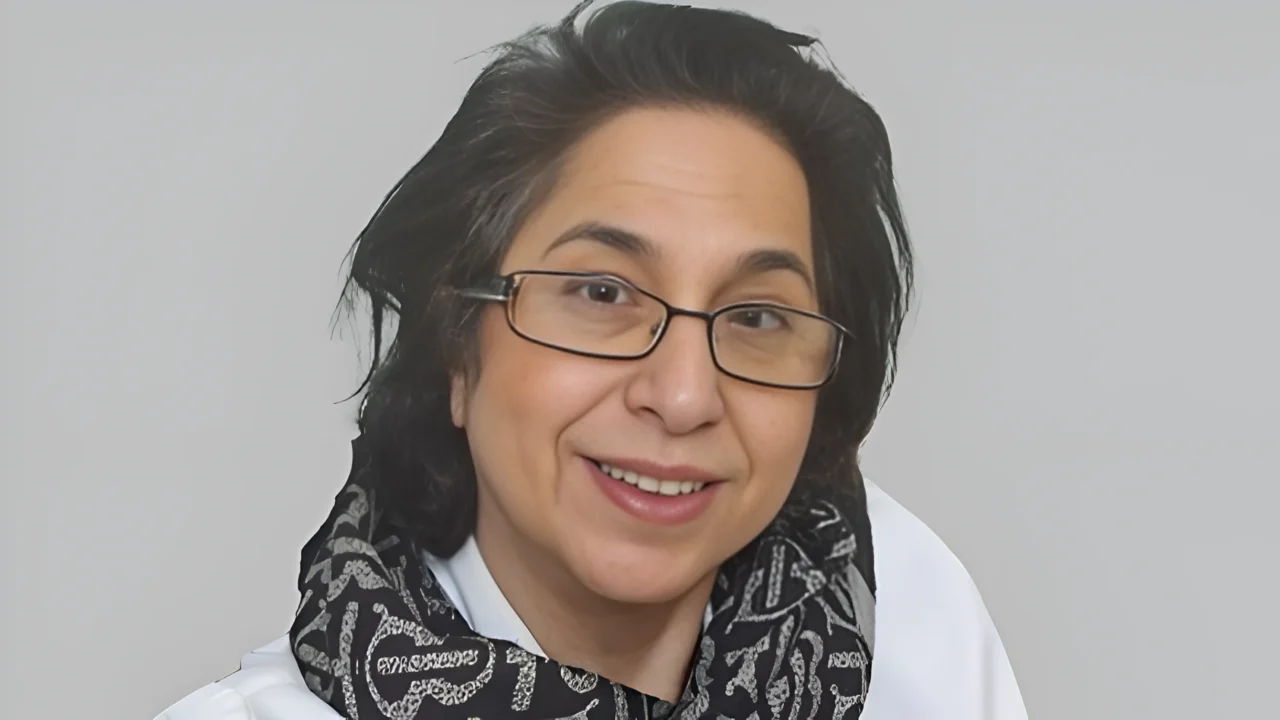
Vida Shafti: Can AI Help Us Predict Thrombosis before it Happens in Assisted Reproduction?
Vida Shafti, OB-GYN and Infertility Specialist at The OB/Gyn and Infertility center, shared a post on LinkedIn:
“Can AI help us predict thrombosis before it happens in assisted reproduction?
Venous thromboembolism is rare in medically assisted reproduction, but when it happens, it can be devastating.
Ovarian stimulation produces supraphysiologic estradiol levels.
Add OHSS with hemoconcentration, obesity, thrombophilia, advanced age, multiple pregnancy, or a prior VTE, and the risk profile changes quickly.
The risk extends well beyond the stimulation phase, with the first trimester of an IVF pregnancy being a particularly vulnerable window.
Today, thromboprophylaxis decisions rest largely on clinical judgment and a checklist of risk factors.
But risk factors don’t act in isolation, and that is where AI could help.
Machine learning models can integrate many variables at once:
- Age, BMI, personal and family history
- Thrombophilia results
- Estradiol trajectory and follicle count
- Early signs of OHSS and hemoconcentration
- Protocol type, trigger choice, and freeze-all strategy
The goal is a dynamic, individualized risk estimate that supports whether and when to start prophylaxis, rather than a one-size-fits-all rule.
But we must be honest about the challenges:
- Events are rare, so datasets are imbalanced and need large multicenter data
- Models need external validation before they touch practice
- Over-prediction means unnecessary LMWH, with its own bleeding risks and costs
- Explainability matters: clinicians need to know ‘why’ a patient is flagged
AI should support the reproductive endocrinologist and hematologist, not replace them.
The best outcome is a tool that is transparent, validated, and used within shared decision-making.
How are you currently deciding on thromboprophylaxis in your ART practice? ”
Stay updated with Hemostasis Today.
-
Nov 10, 2026, 16:28Can the VWF to ADAMTS-13 Ratio Predict Mortality in Sepsis-Induced Coagulopathy? – RPTH Journal
-
Nov 10, 2026, 16:28Ruth Willems: PhD Defence at Maastricht University on Thrombosis and Bleeding in HPB Disease
-
Nov 10, 2026, 16:09Edward Lee Carter: Factor XIa Inhibition Enters Clinical Practice
-
Nov 10, 2026, 16:08Edward C.C. Wong: Deriving Ferritin Cutoffs for Iron Deficiency Using RBC Parameters
-
Nov 10, 2026, 16:07Milad Abdalla: Decoding Hemoglobin Electrophoresis – A Practical Diagnostic Reference
-
Nov 10, 2026, 15:13Wolfgang Miesbach: Nonviral Gene Therapy for Haemophilia A Using Lipid Nanoparticles
-
Nov 10, 2026, 15:06Dahra Teles: First Speaking Experience at HEMO 2026 on First-Line Multiple Myeloma Treatment
-
Nov 10, 2026, 14:55Yazan Abou-Ismail: First FDA-Approved Factor XIa Inhibitor for Stroke Prevention
-
Nov 10, 2026, 14:49Ifeanyichukwu Ifechidere: The Role of Coagulation in Anaesthesia and Surgery