

Abdulaziz (Omar) Badran: Navigating the Clinical Complexity of Combined Red Cell Disorders
Abdulaziz (Omar) Badran, Hematology Supervisor at Almoosa Specialist Hospital, shared an interesting case on LinkedIn:
“Good evening to all.
Our case today considers rare even we have them from time to time in this area.
22 years male came to ER diagnosed in other hospital with sickle disease and he is blood transfusion dependent.
So he was admitted directly and had blood transfusion due to very low HGB 5.4 g/dL.
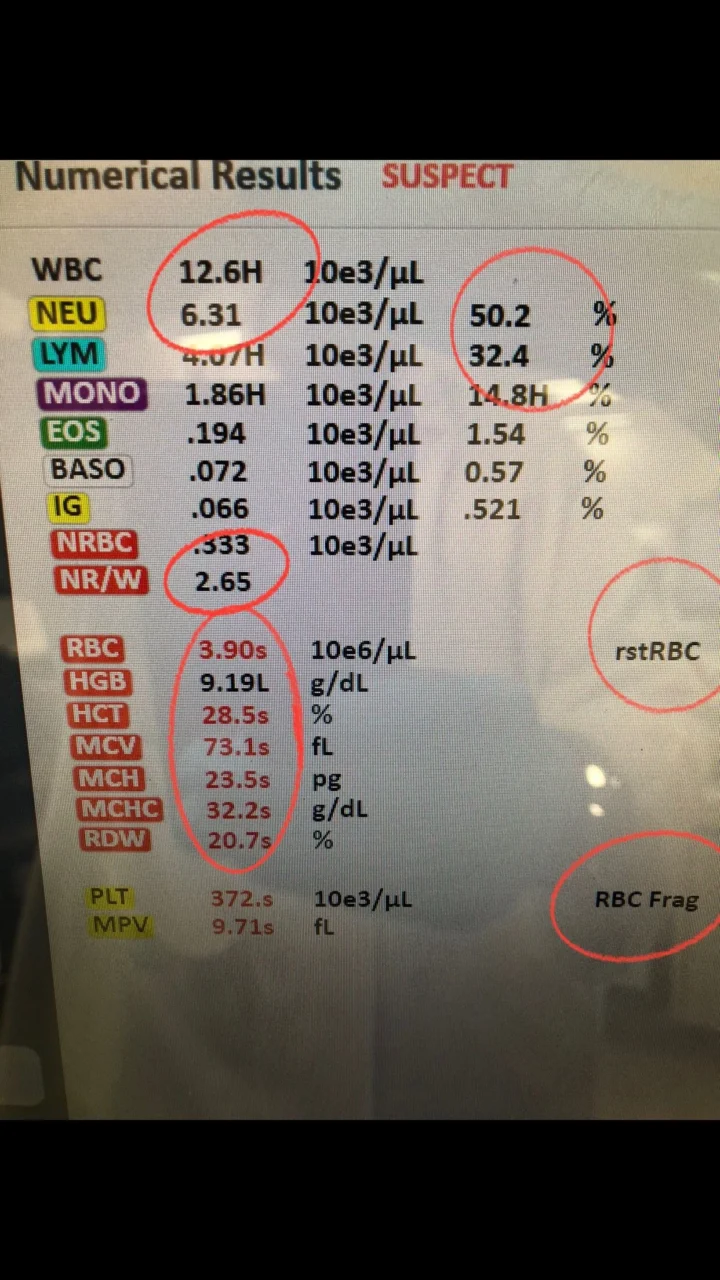
So directly they gave him blood and his HGB became 9.19 after double transfusion.
We can see in addition to mild microcytic hypochromic moderate anemia with high RDW.
High Retics 17.2 %. he also has mild Leukocytosis with Neutrophilia.
Also rstRBC flag which come usually with Schistocytes or sickle cells. and RBC fragments flag which is usually for Schistocytes or Spherocytes which can be interfere with platelets count.
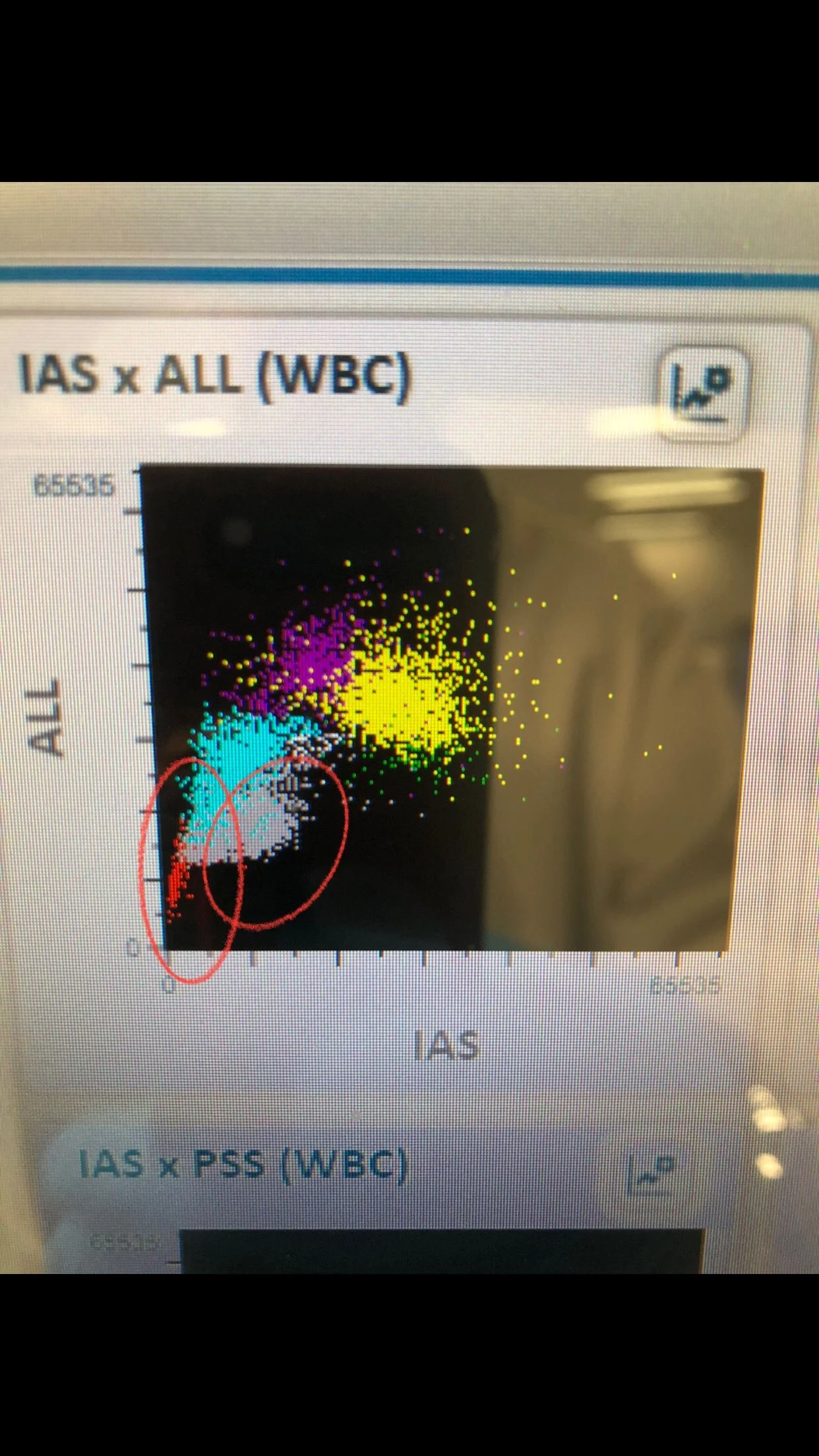
WBCs scatter shows majority of Neutrophils (yellow color), gray color scatter for Schistocytes or sickle cells (unknown remains cells not WBCs), and very few red color scatter for the few NRBCs present in the sample.
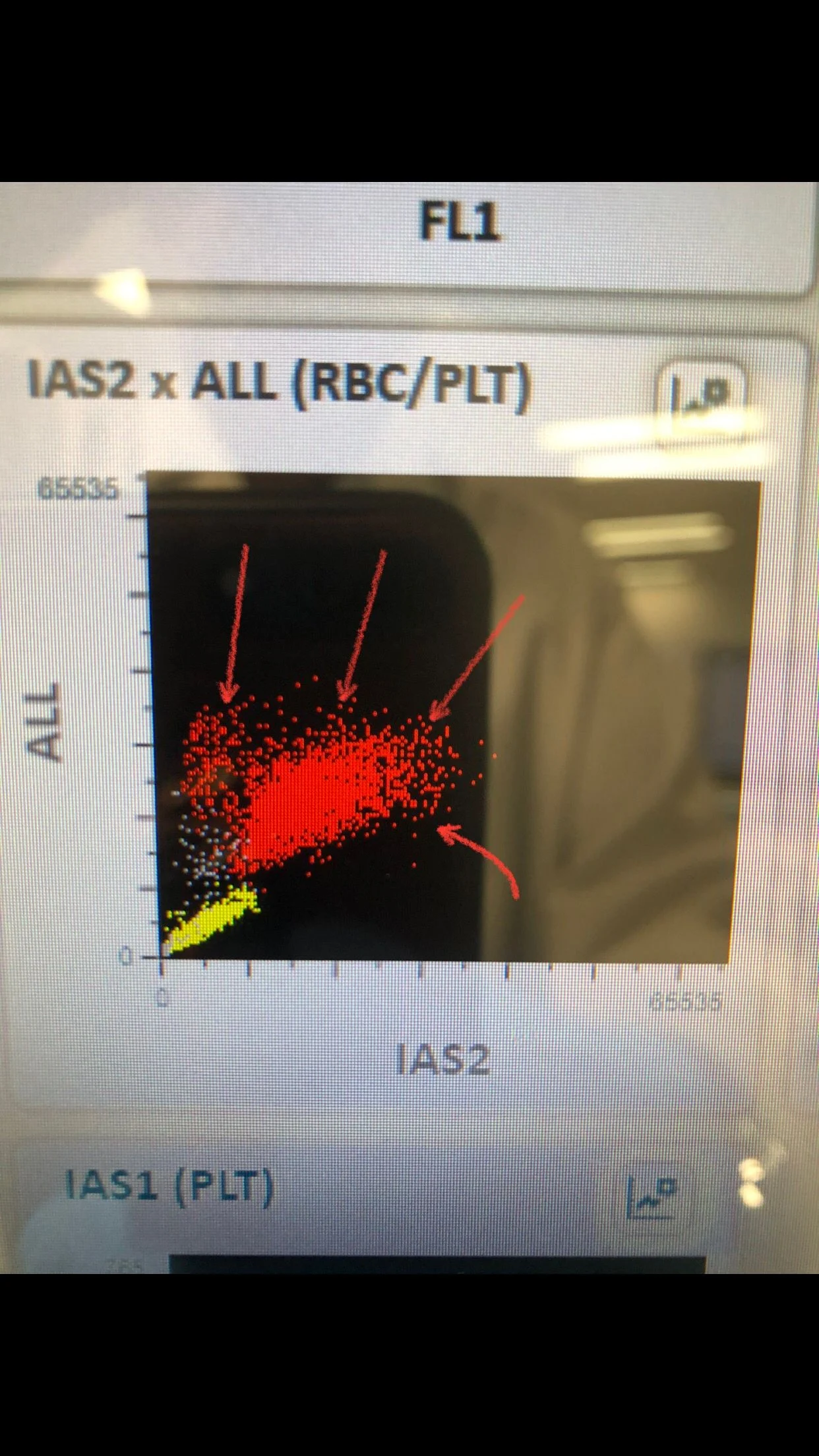
RBCs scatter shows 4 different populations and there is clear area between RBCs (red), and platelets (yellow) meaning the machine count them accurately and there is no interference between both.
The slide unfortunately was disaster.
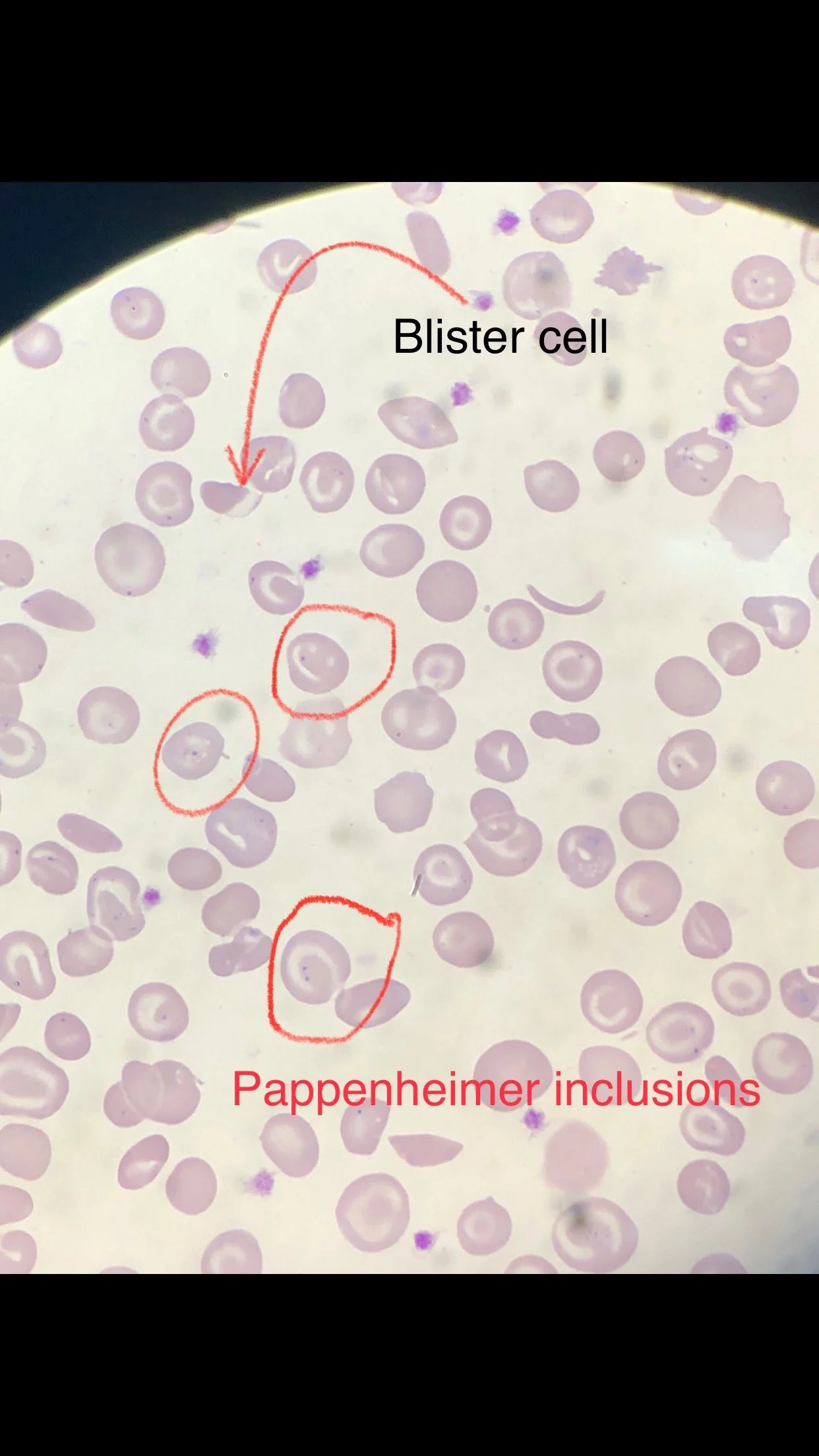
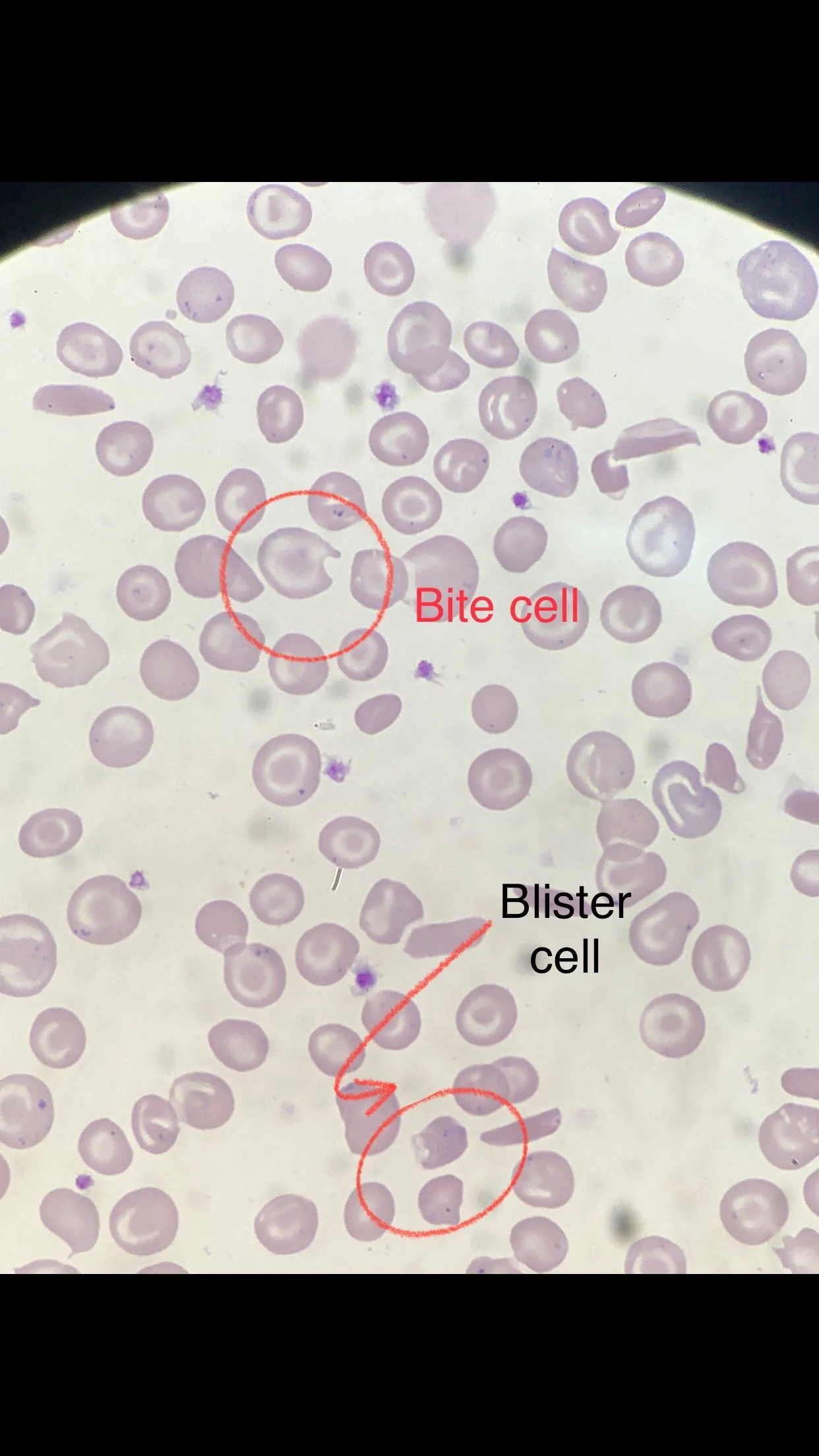
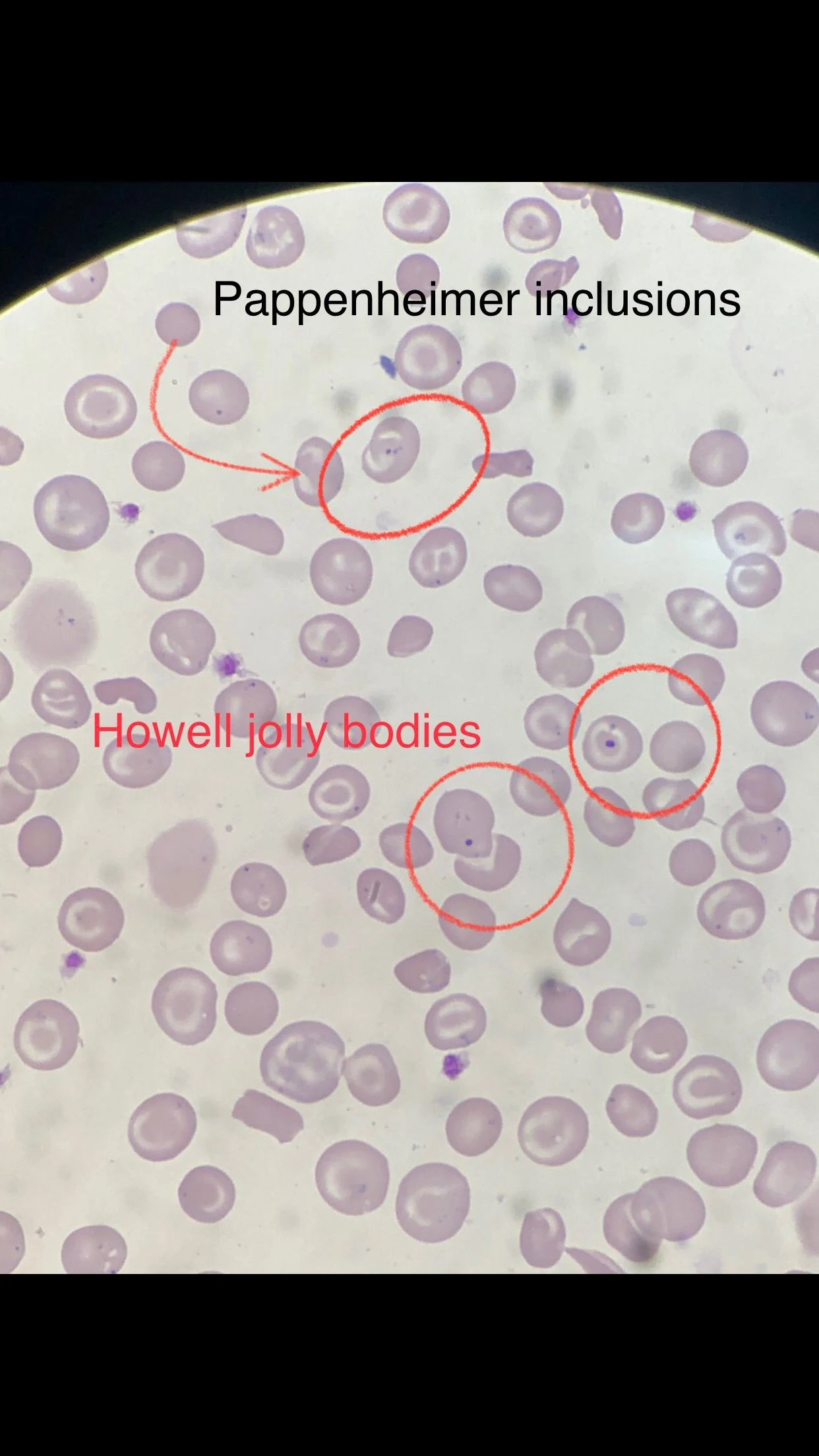
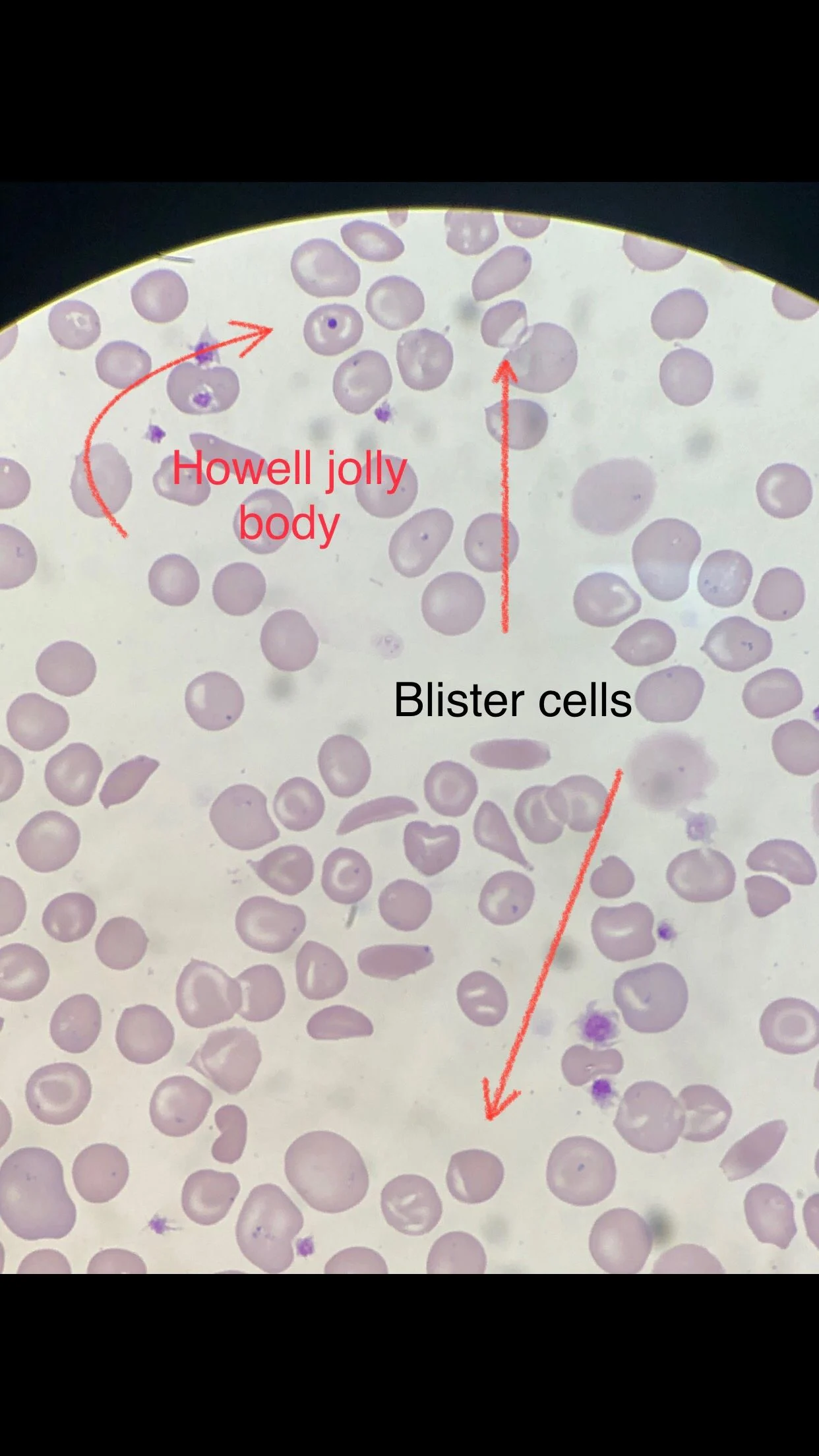
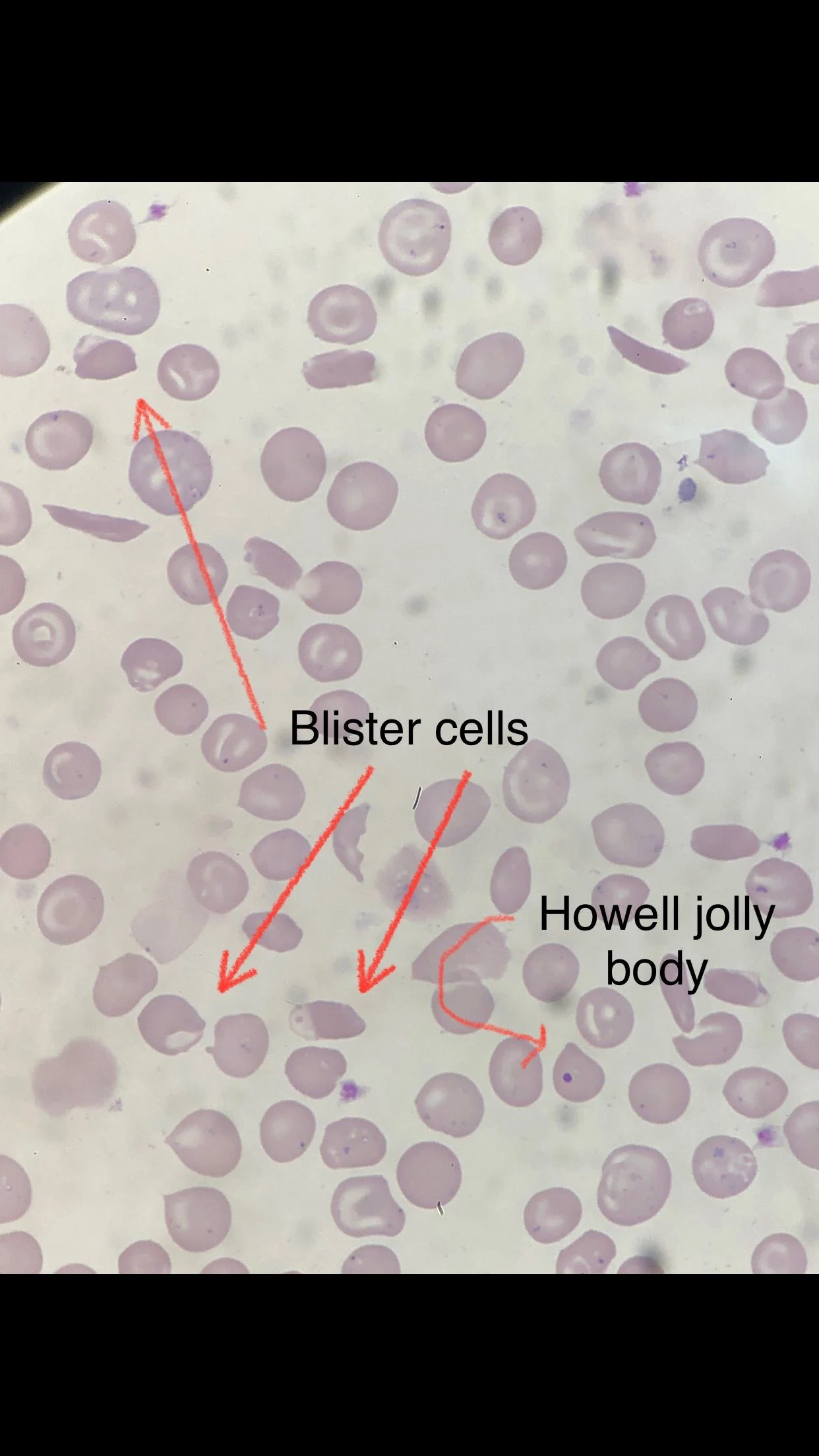
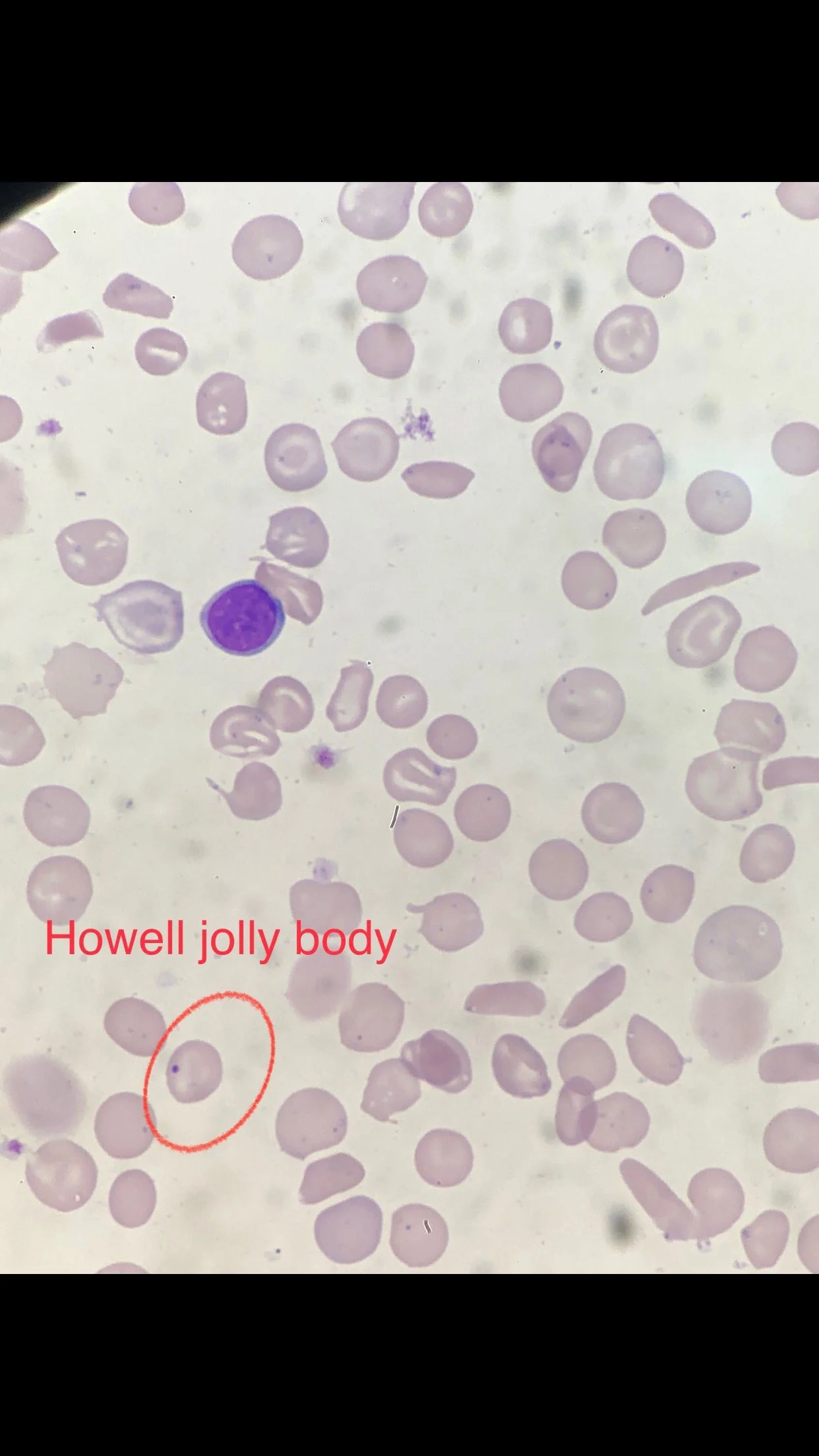
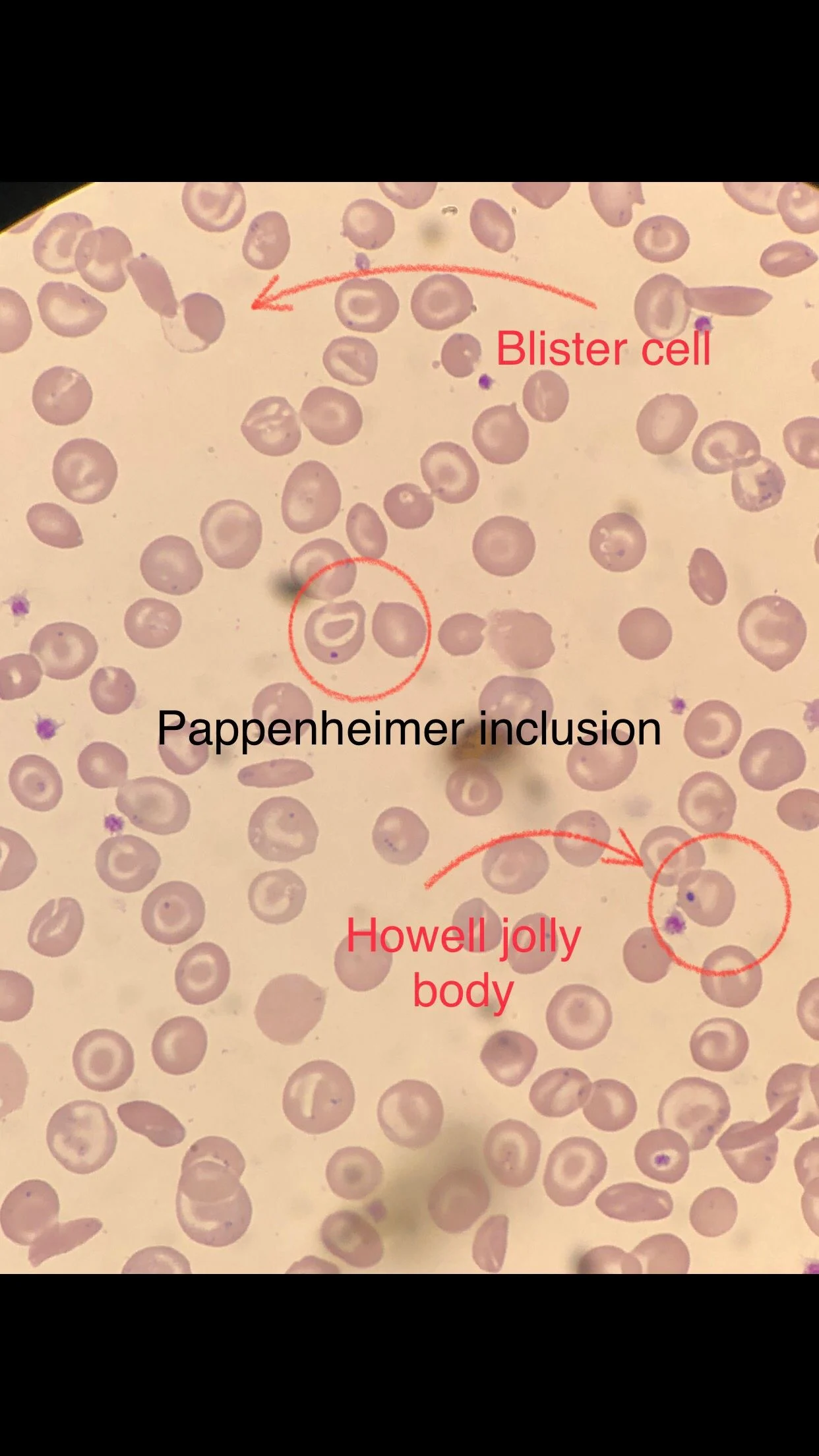
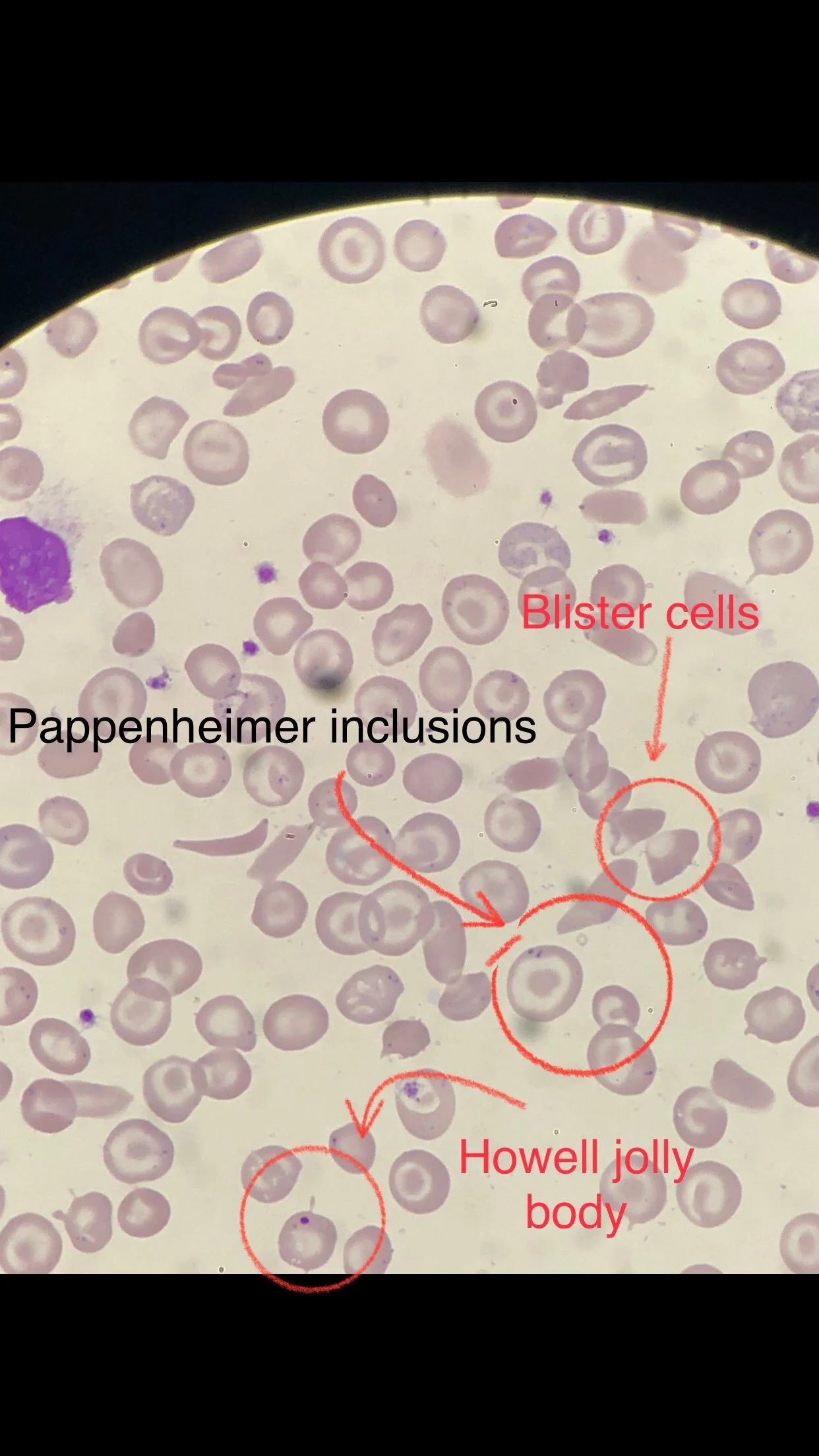
Many sickle cells. Target cells. Spherocytes. RBC fragments. Polychromasia. Pappenheimer inclusions. Howell jolly bodies. ovalocytes. but we also have bite cells and blister cells very clear!
So we did G6PD test and he was deficiency also.
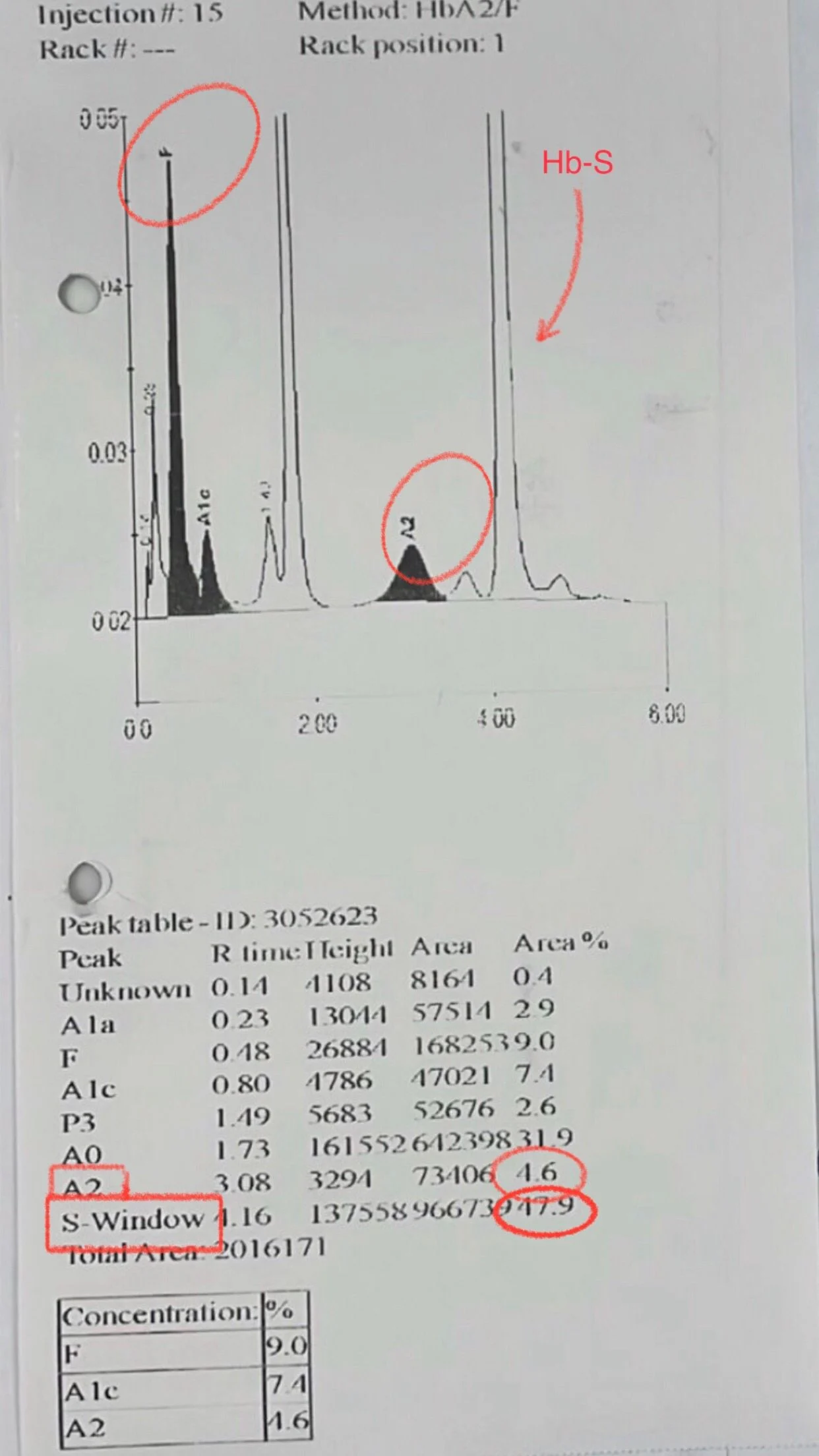
Hemoglobin electrophoresis done after that and we can see Hb-S after transfusion went down to 47.9 %.
But Hb-A2 was high 4.6 %. meaning he has beta thalassemia trait. so this poor young man has sickle cell disease. beta thalassemia trait (sickle beta Thal) and G6PD deficiency.
A young man with the combination of sickle cell disease (SCD), beta-thalassemia trait (𝛽 – thal trait), and G6PD deficiency presents a complex hematological scenario.
This combination involves two distinct inherited disorders causing hemolytic anemia – SCD and G6PD deficiency – plus a trait that modifies red blood cell (RBC) production.
The interaction of these conditions can influence the severity of the clinical course of SCD, potentially increasing the frequency of hemolytic crises.
The mild Leukocytosis with Neutrophilia might not be due to any infection.
Sickle beta thalassemia (HbS/β-thalassemia) can cause high white blood cell (WBC) counts and neutrophilia (elevated neutrophils) even in the absence of an active infection.
Now alhamduleallah he is in stable status and they explained to him his real case so he can take care for the complex status he has. he still young. wish the best and to be safe in his future and God bless you all.”
Stay updated with all scientific advances with Hemostasis Today.
-
Oct 19, 2026, 14:16Hyperfibrinolysis as an Underrecognized Cause of Bleeding
-
Oct 19, 2026, 13:36Shobhna Ladva: Aspen Pharma EME Raises Awareness of Blood Clot Risks During Hormonal Transitions
-
Oct 19, 2026, 13:11Giulia Furnari: Connecting With Global Hematology Experts at IACH 2026
-
Oct 19, 2026, 12:46Andrew Choong: Recognizing Thrombosis Before It Becomes Life-Threatening
-
Oct 19, 2026, 11:37Beth Faiman: APSHO Fellows Celebrated for Advancing Hematology and Oncology Practice
-
Oct 19, 2026, 11:26Emanuele Pacini: Myelodysplastic Syndromes Research Featured at JSH Annual Meeting in Kyoto
-
Oct 19, 2026, 10:57Jesmond Dalli: How Erythroblasts Shape Neutrophil Development and Function
-
Oct 19, 2026, 10:41Hisham Fahmi: SCD – Should Gene Editing Begin Before Organ Damage?
-
Oct 19, 2026, 10:33Pallavi Madhiraju: YARTEMLEA Faces Another European Rejection Despite FDA Approval