

Alejandro González Veliz: Why Secondary Prevention Matters After PCI
Alejandro González Veliz, Interventional Cardiologist at Institute of Cardiology and Cardiovascular Surgery, shared a post on LinkedIn:
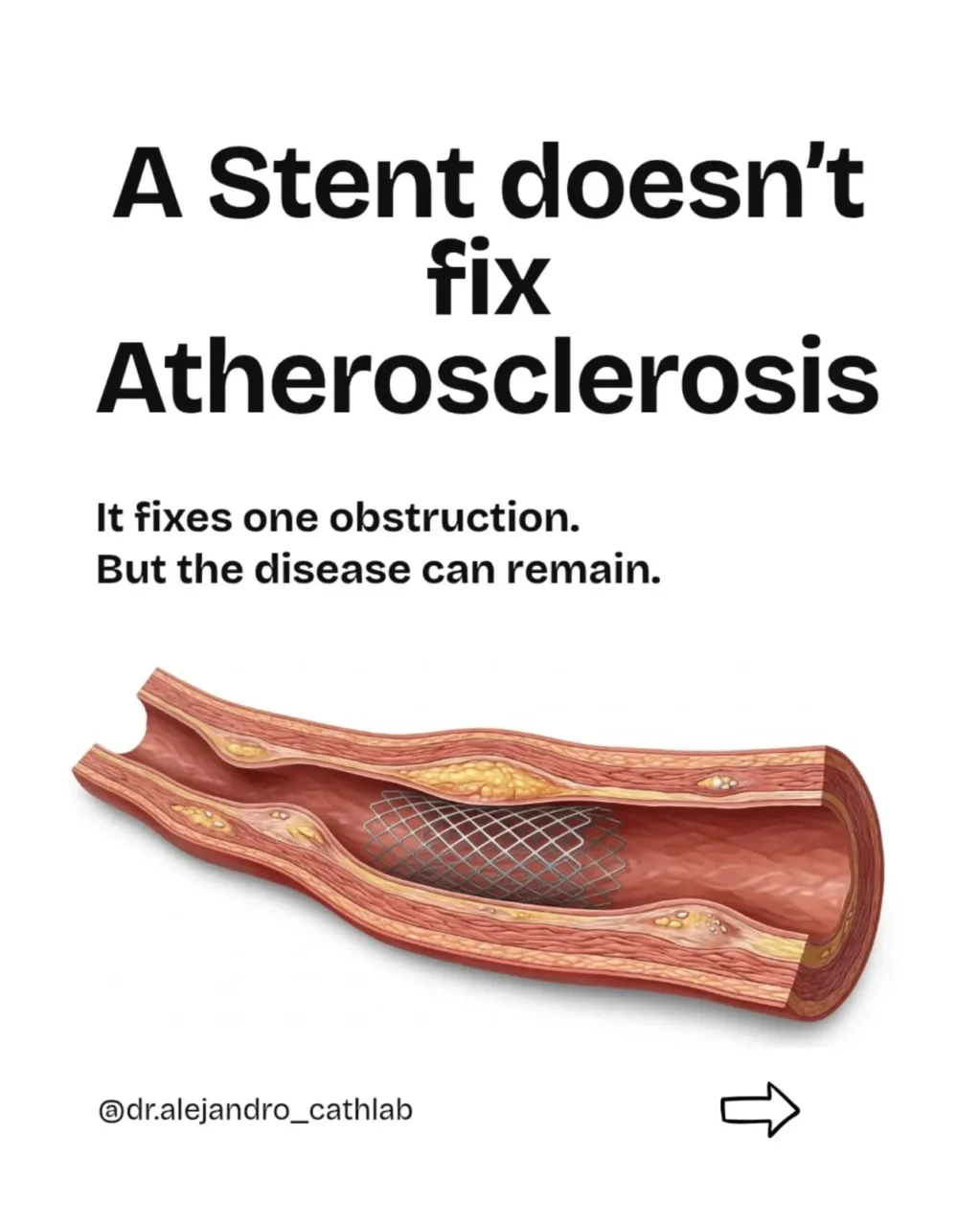
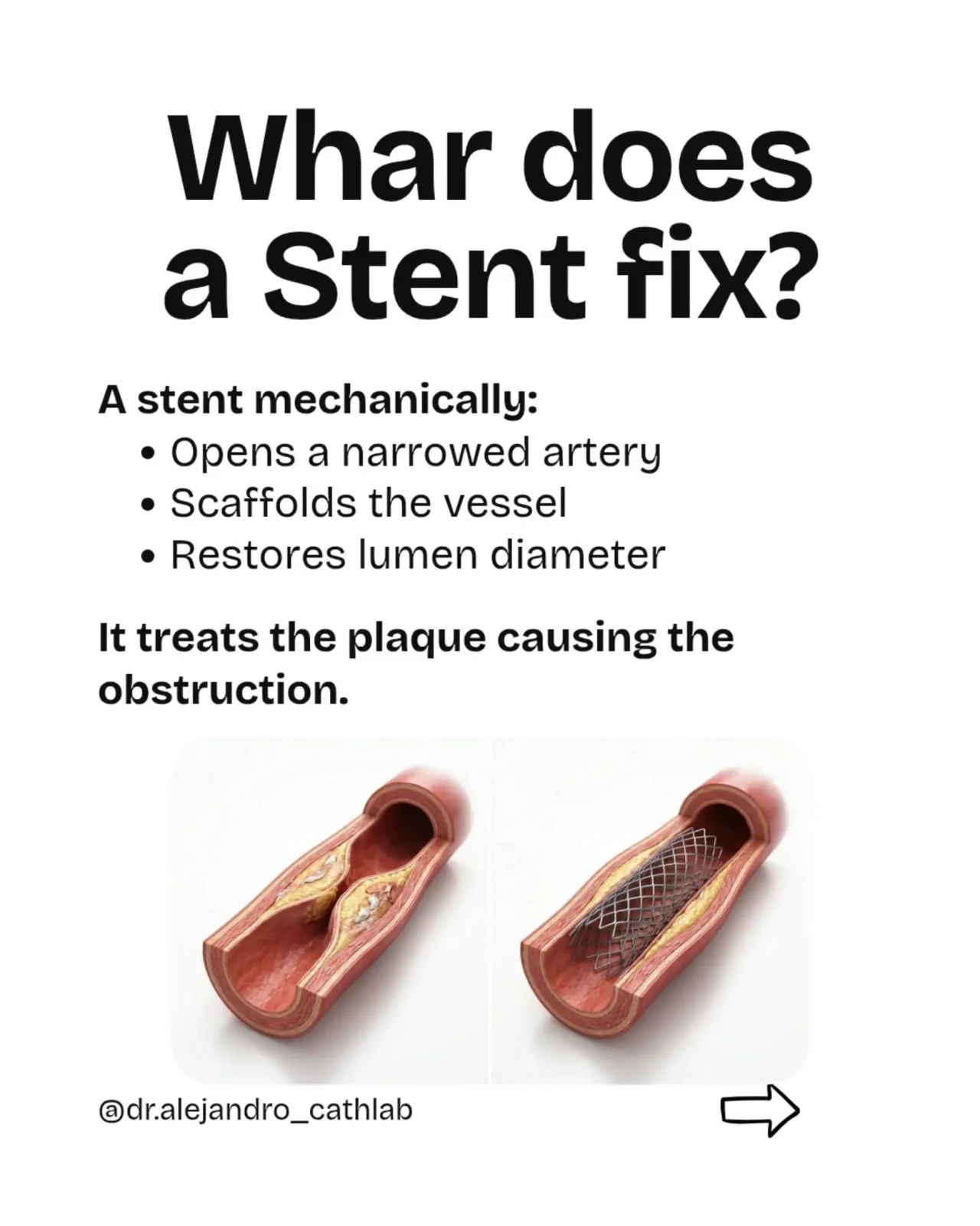
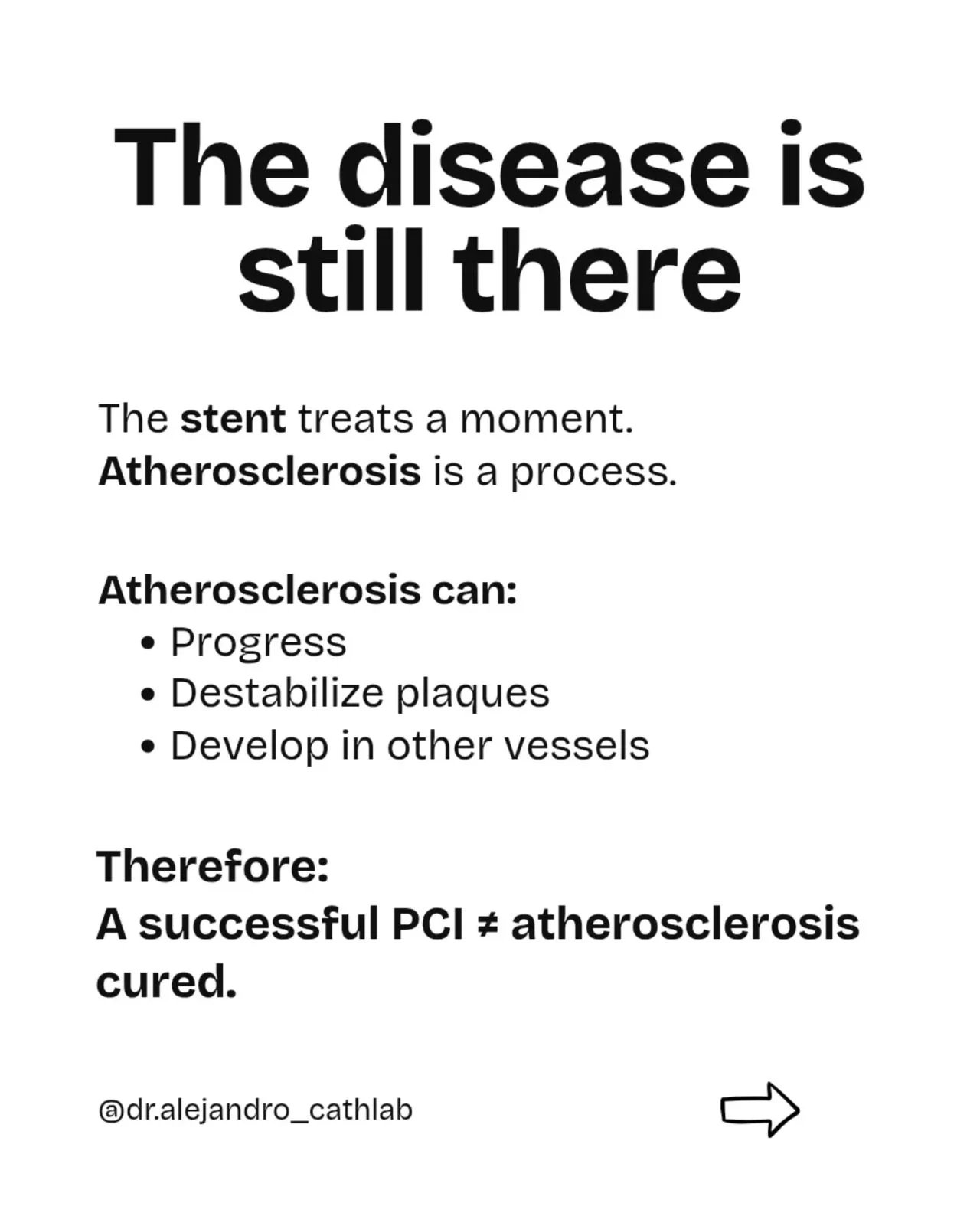
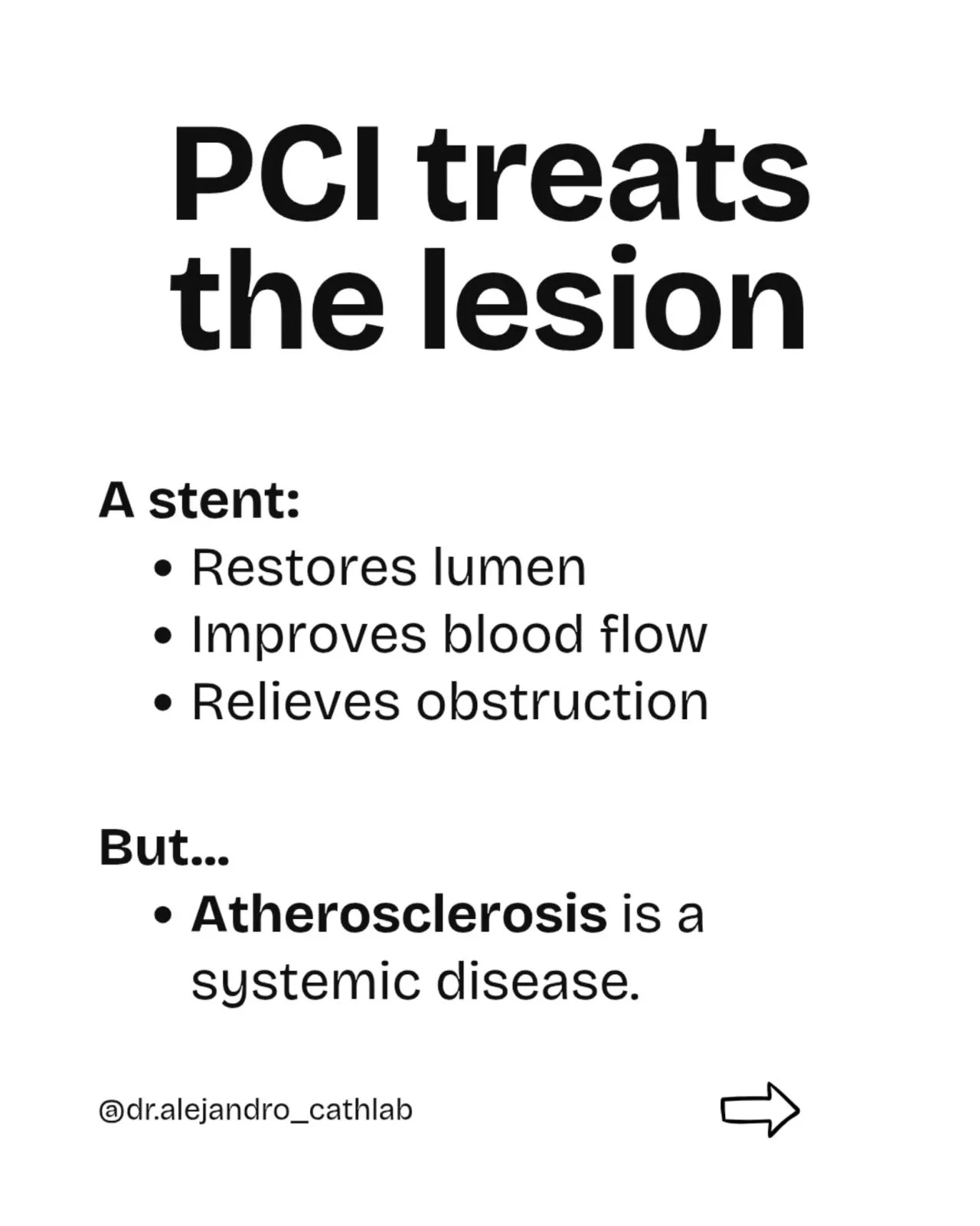
“A stent can open a blocked coronary artery.
But it does not cure atherosclerosis.
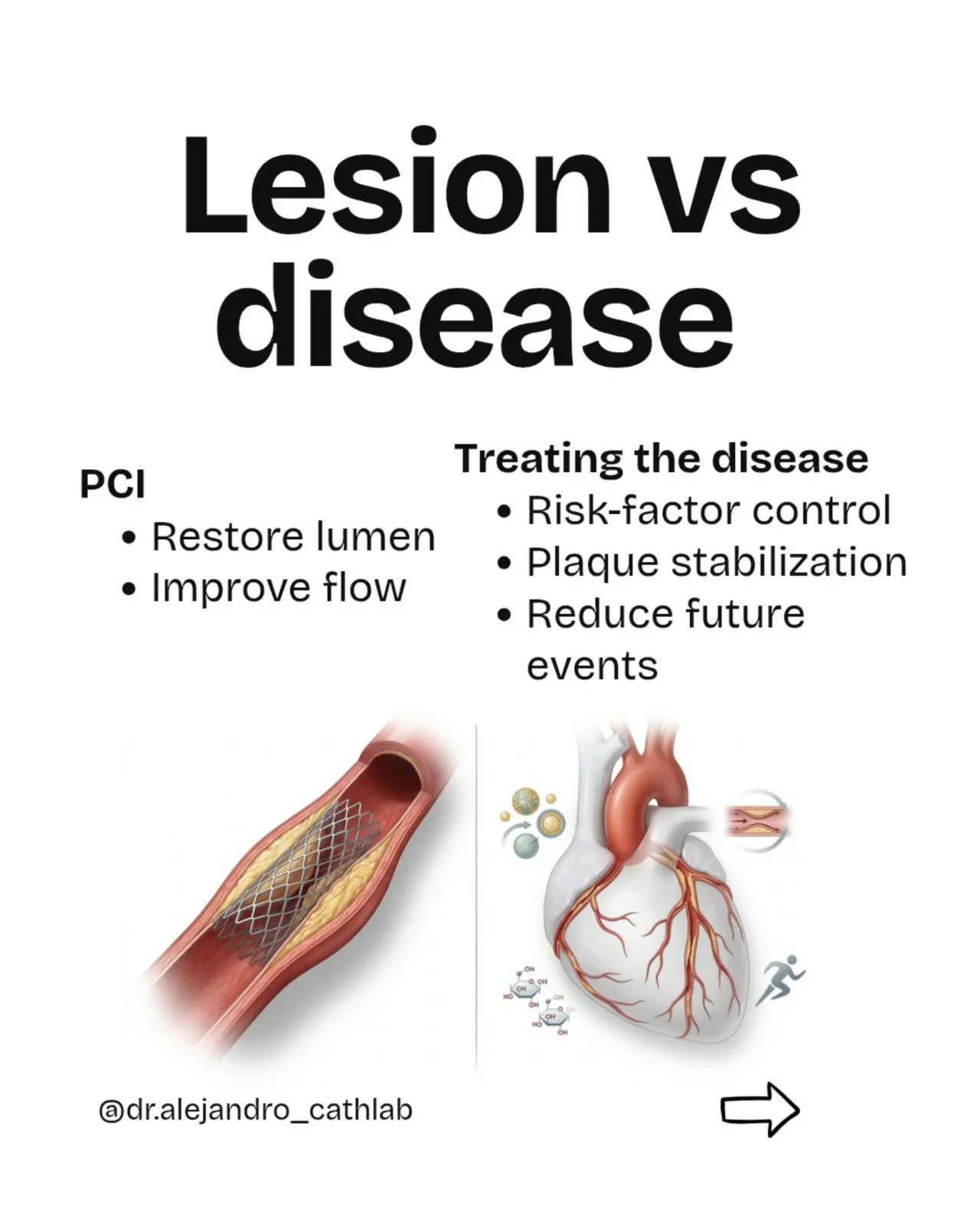
PCI is designed to treat a focal obstructive lesion — restoring lumen diameter and improving blood flow.
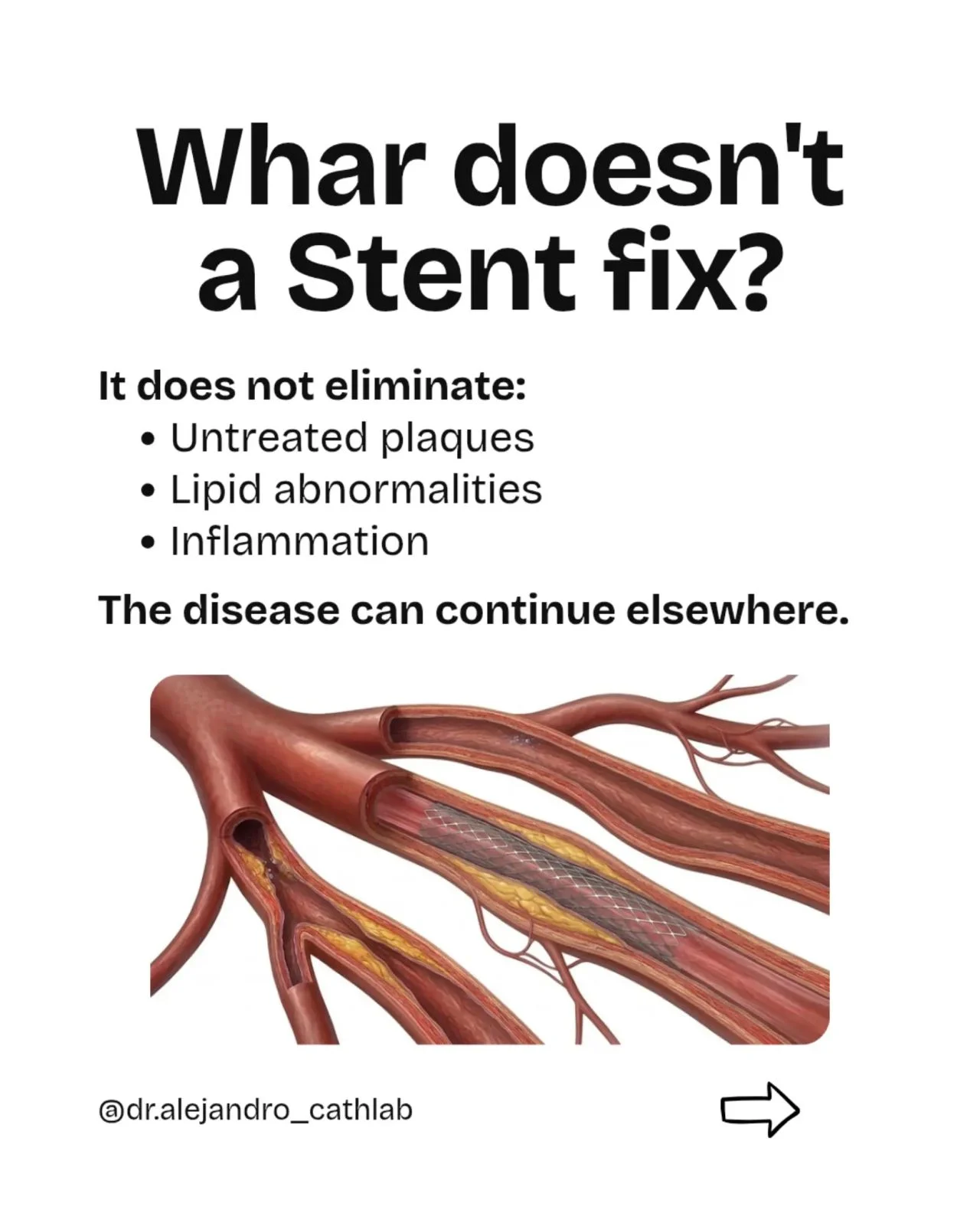
But the underlying atherosclerotic process can continue in the treated segment and, importantly, in other parts of the coronary tree.
That is why a successful PCI is only one part of the treatment.
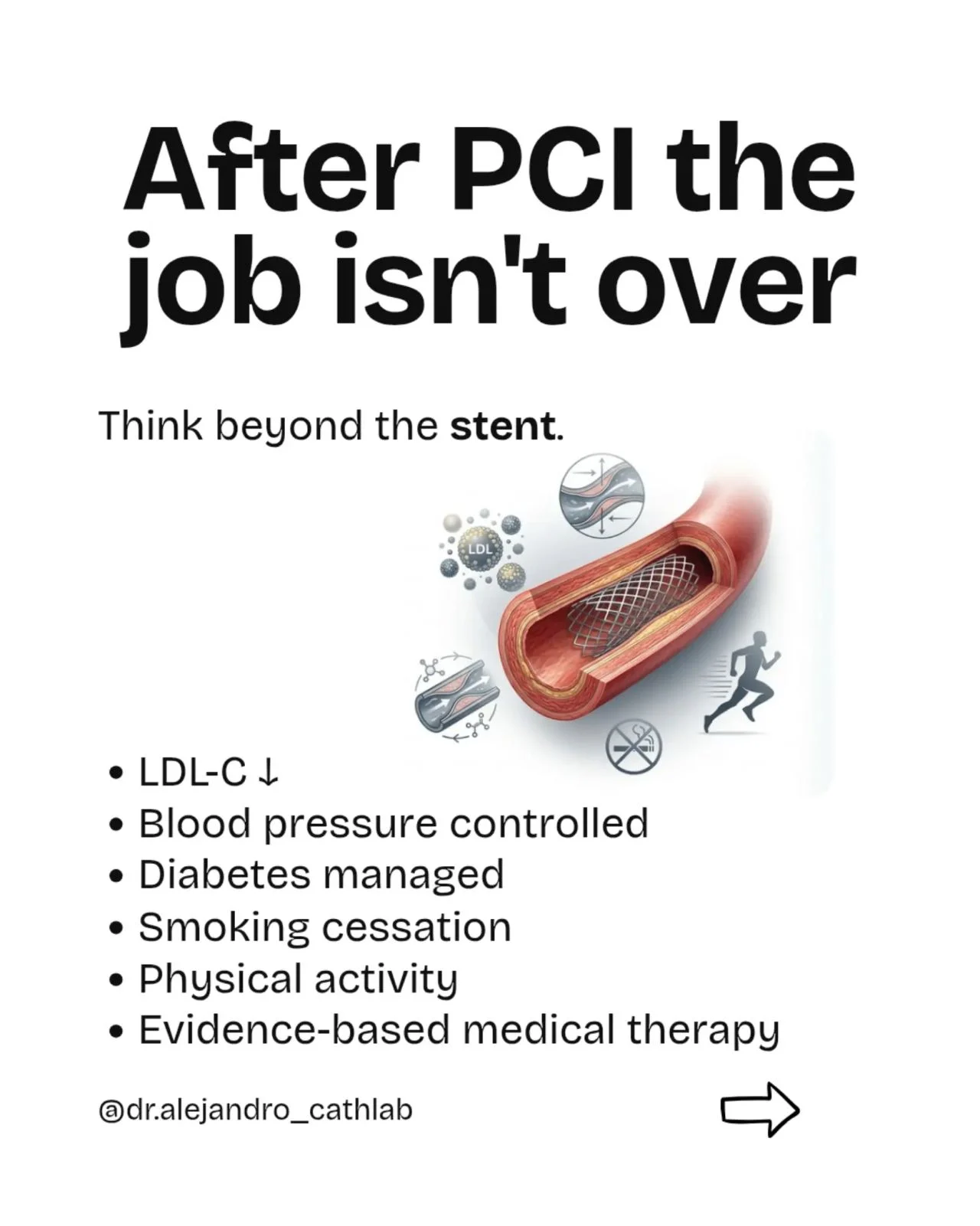
Long-term management remains essential:
- Intensive LDL-C lowering
- Blood pressure control
- Diabetes management
- Smoking cessation
- Regular physical activity
- Evidence-based medical therapy
- Long-term cardiovascular risk reduction
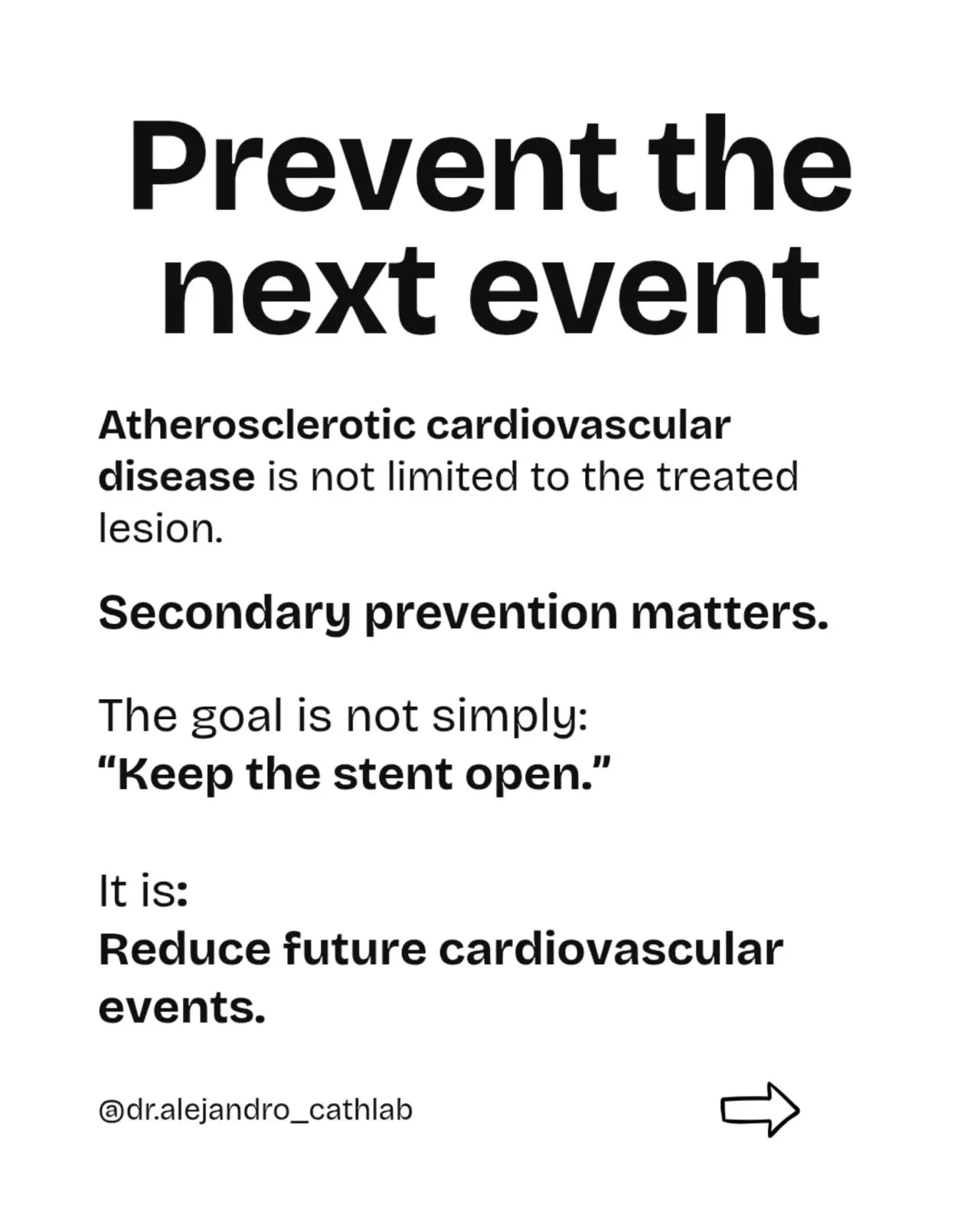
The goal after PCI is not simply to keep the stent open.
The goal is to prevent the next cardiovascular event.
Treat the lesion.
Treat the patient.
Treat the disease.”
Other posts featuring Alejandro González Veliz on Hemostasis Today.
-
Oct 16, 2026, 16:22Shannon Farmer: Driving Patient Blood Management Forward in Australia and New Zealand
-
Oct 16, 2026, 16:01Obi Light Ogbonnia: The Greatest Reward Is Changing Lives, Not Winning Awards
-
Oct 16, 2026, 15:18Carmine Liberatore: Limited Accuracy of VTE Risk Scores in Multiple Myeloma
-
Oct 16, 2026, 14:55Alex Borstein and the Bleeding Phenotype of Hemophilia A Carriers
-
Oct 16, 2026, 13:59Aya Akmal Amin: Antiphospholipid Syndrome Management and Risk Stratification
-
Oct 16, 2026, 13:10Emanuel Sueldo: CAHT 2026 Celebrates Scientific Progress and Team Achievements
-
Oct 16, 2026, 13:05Maha Othman: Queen’s Health Sciences Advances CAT Risk Models and Pediatric ISTH-BAT Cut-Offs
-
Oct 16, 2026, 13:03Thrombosis Awareness Must Lead to Timely Action – Roche
-
Oct 16, 2026, 12:49Wolfgang Miesbach: 5-Year CBDR Data Confirms Emicizumab Safety and Efficacy in Hemophilia A