


Alejandro González Veliz: Looking Beyond Coronary Anatomy to Understand Ischemia
Alejandro González Veliz, Interventional Cardiologist at Institute of Cardiology and Cardiovascular Surgery, shared a post on LinkedIn:
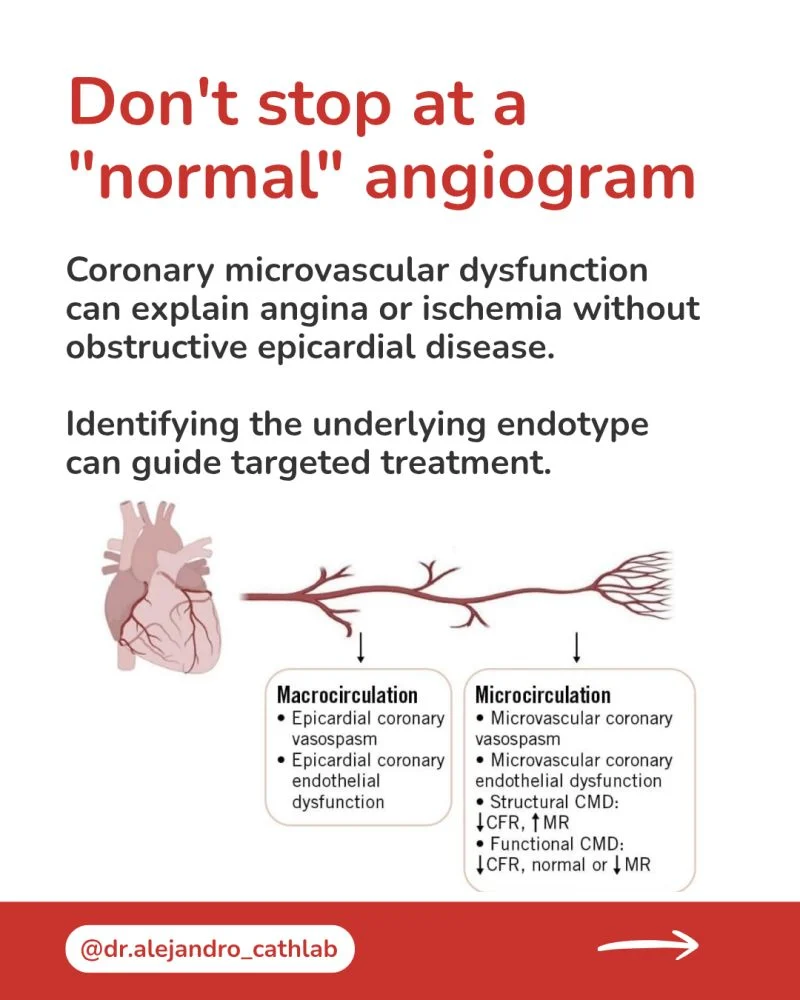
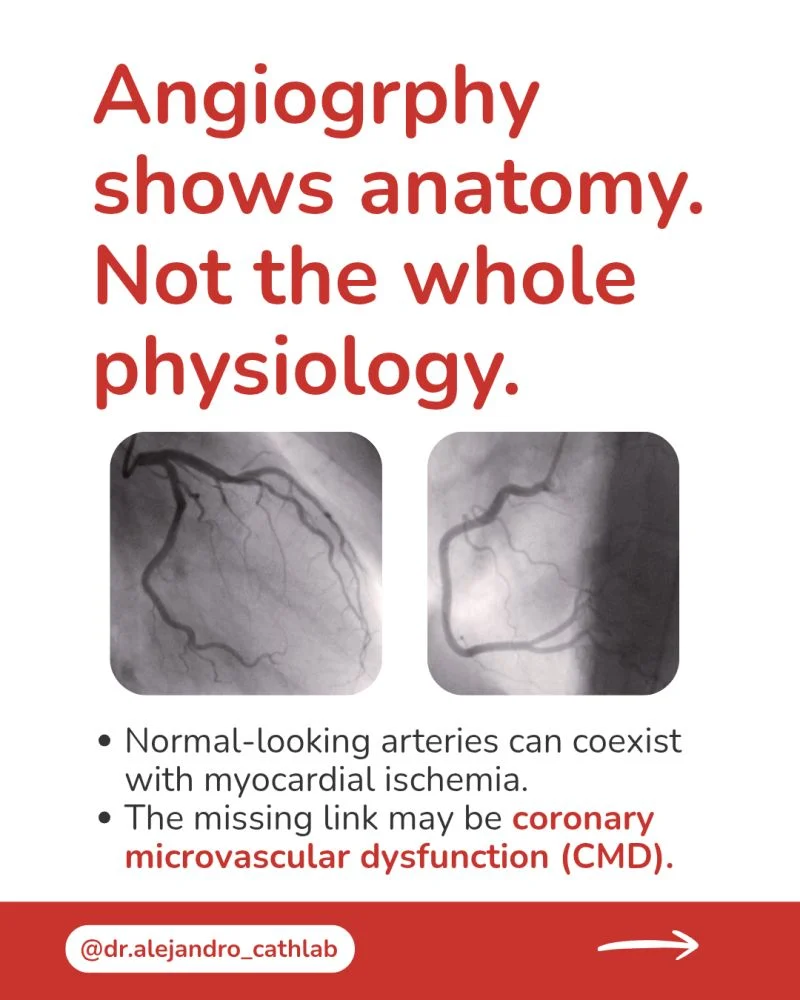
“Normal coronary angiography does not always mean normal coronary physiology.
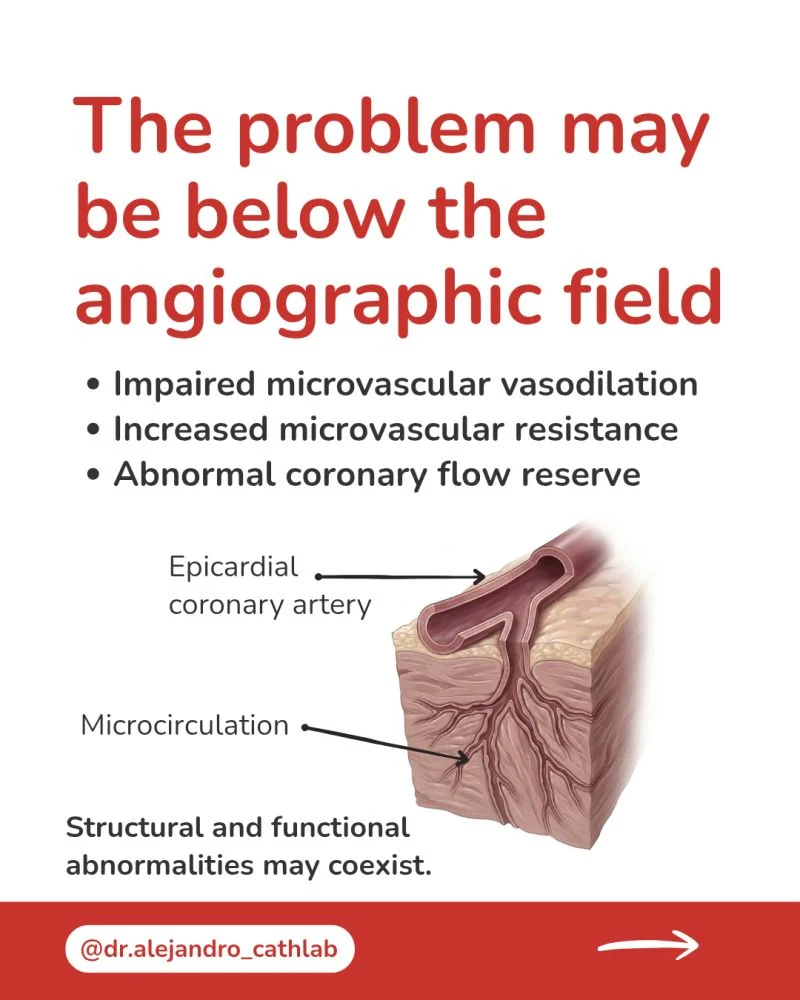
Patients may experience persistent angina, dyspnea, or evidence of myocardial ischemia despite the absence of significant obstructive coronary artery disease. One potential explanation is coronary microvascular dysfunction (CMD), an important mechanism within the spectrum of Ischaemia with Non-Obstructive Coronary Arteries (INOCA).
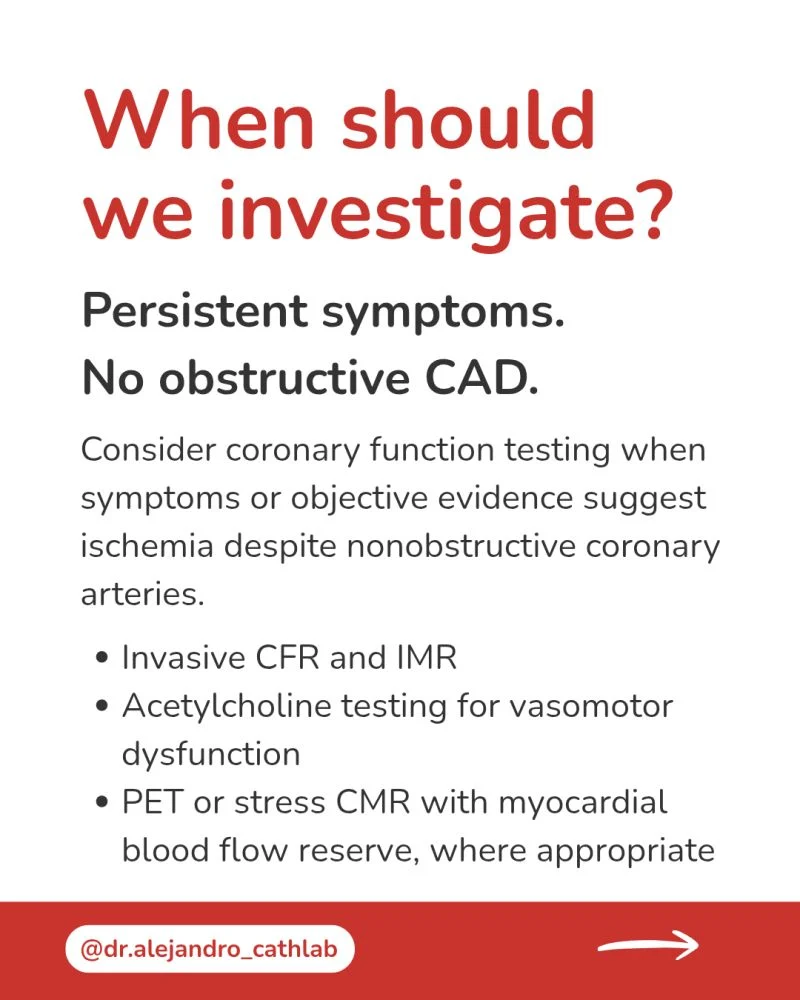
How can we investigate what angiography cannot reveal?
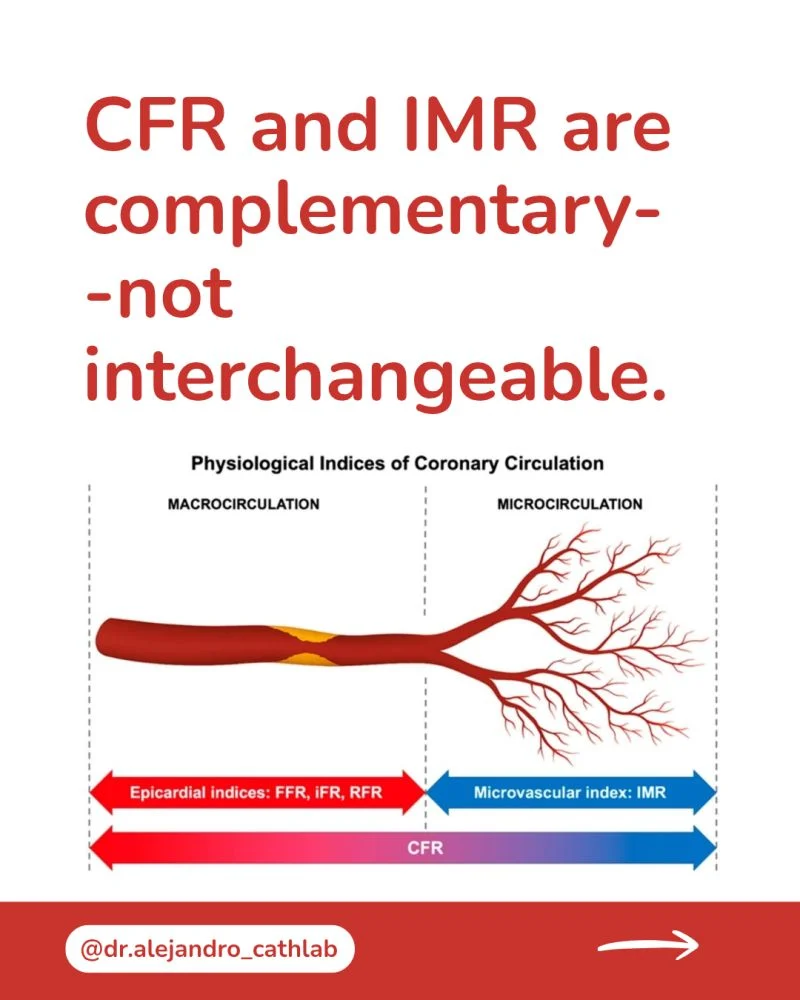
Two key physiological parameters help characterize coronary microvascular function:
- Index of Microcirculatory Resistance (IMR): Assesses coronary microvascular resistance during maximal hyperemia. With standard bolus thermodilution, an IMR greater than or equals to 25 units suggests increased microvascular resistance.
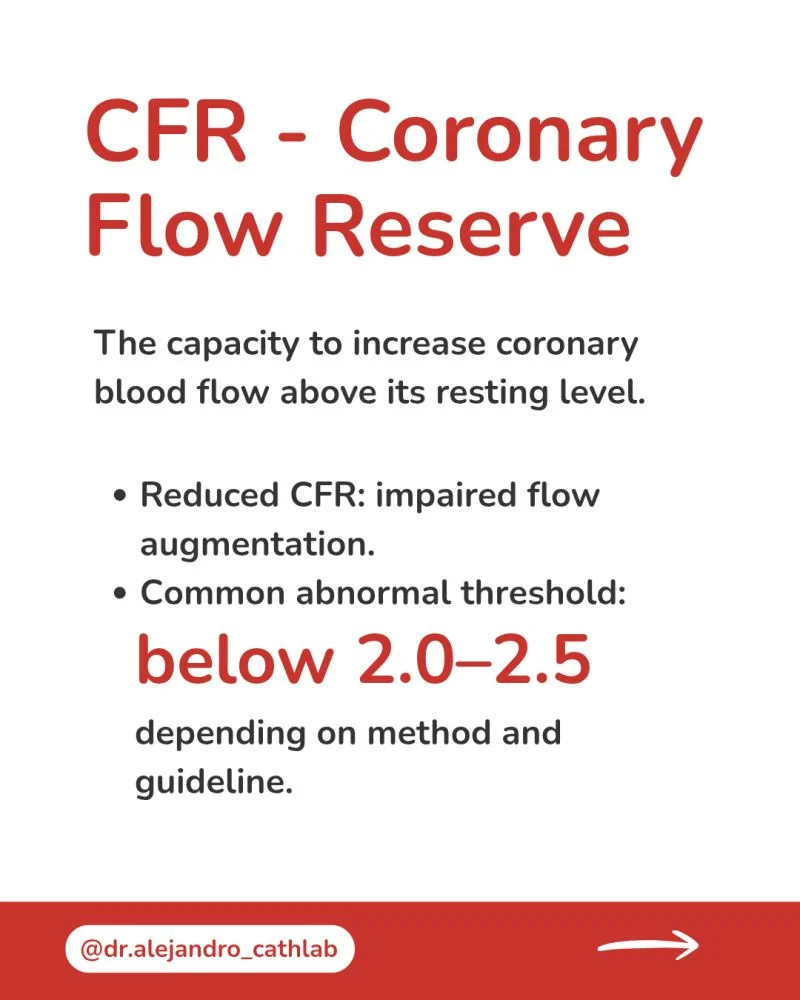
- Coronary Flow Reserve (CFR): Measures the capacity to augment coronary blood flow during hyperemia compared with resting flow. Reduced CFR may reflect impaired vasodilatory capacity, although it can also be influenced by elevated resting flow or epicardial coronary disease.
IMR and CFR provide complementary information. Neither should be interpreted in isolation, and acetylcholine testing may be necessary to identify epicardial or microvascular vasospasm.
The 2024 ESC Guidelines for chronic coronary syndromes emphasize the importance of evaluating patients with suspected ANOCA/INOCA. In appropriately selected patients with persistent symptoms despite non-obstructive coronary arteries, invasive coronary function testing can help identify the underlying endotype and guide individualized treatment.
The CorMicA trial demonstrated improvements in angina and quality of life with treatment guided by invasive coronary function testing, although it was not powered to establish a reduction in major cardiovascular events.
The take-home message: Angiography defines coronary anatomy, but it does not fully characterize coronary physiology. When symptoms persist despite the absence of significant epicardial obstruction, the diagnostic process should not necessarily end with a “normal” angiogram.
Clinical question: In patients with persistent angina and non-obstructive coronary arteries, do you routinely consider coronary function testing?”

Other posts featuring Alejandro González Veliz on Hemostasis Today.


-
Oct 16, 2026, 04:16Asmaa M. Gouda: Advancing Blood Bank Leadership at Alexandria University Hospitals
-
Oct 16, 2026, 03:52Saja Al-Zamili: Minimally Invasive Hematoma Evacuation in Intracerebral Hemorrhage
-
Oct 16, 2026, 03:13Bhumika Satija: Beyond the Diploma A Growing Passion for Blood Banking and Transfusion Medicine
-
Oct 16, 2026, 03:03Jamie Nash: Microfluidics in Transfusion Medicine Advancing Blood Component Quality Assessment
-
Oct 16, 2026, 02:53World Thrombosis Day 2026 Advancing Women’s Health Through Better Thrombosis Research and Care – World Thrombosis Day
-
Oct 16, 2026, 02:42Areej Wasi: Myocardial Infarction in Young Adults Advancing Cardiology Education and Medical Leadership
-
Oct 16, 2026, 02:33Mehak Trehan: ASH 2026 Myelofibrosis Guidelines 10 Practical Takeaways for Clinical Practice
-
Oct 15, 2026, 19:41Looking Beyond Platelet Counts to Quality of Life in ITP – American Society of Hematology
-
Oct 15, 2026, 19:32Markus Gregorio Barbosa: Hepatic VPS35 and Cholesterol Homeostasis