


Mehak Trehan: ASH 2026 Myelofibrosis Guidelines 10 Practical Takeaways for Clinical Practice
Mehak Trehan, Subject Matter Expert at DailyRounds, shared American Society of Hematology’s post on LinkedIn:
“ASH 2026 New Myelofibrosis Guidelines: 10 practical takeaways
What should change in our clinics?
- Go beyond JAK2 CALR MPL. Extended NGS at diagnosis can improve prognostication and guide treatment decisions.
- Risk is more than a score. Integrate clinical and molecular risk when planning treatment and transplant assessment.
- Symptomatic, lower risk MF? JAK inhibitors have a role. Lower risk doesnt mean symptoms should go untreated.
- Asymptomatic, higher risk MF? Dont initiate JAK inhibitors solely because of the risk category.
- Monitor what matters. Assess spleen size, symptom burden and cytopenias serially, NOT just CBC.
- Anemia needs its own strategy. Differentiate disease related from treatment related anemia and address reversible causes.
- Individualize JAK inhibitor therapy. Anemia, thrombocytopenia and symptom control should influence drug selection and treatment adjustments.
- Refer early for allo HCT. In higher risk MF, even a good JAK inhibitor response should not delay transplant consultation.
- JAK2 V617F positive MF: Consider low dose aspirin for primary thrombosis prevention, provided bleeding risk is acceptable. Not a blanket rule for all MF.
- Keep reassessing. Disease evolution, changing symptoms, cytopenias and molecular risk may alter the treatment plan.
Indian perspective
The challenge isnt just knowing the guidelines, its implementing them.
Extended NGS, timely transplant referrals& access to newer JAK inhibitors remain uneven and often cost dependent.
For us, the priorities are clear:Risk stratify early. Refer for transplant early. Individualize treatment according to both disease biology and affordability.
And importantly, most recommendations are conditional, not one size fits all.”
American Society of Hematology shared a post on LinkedIn:
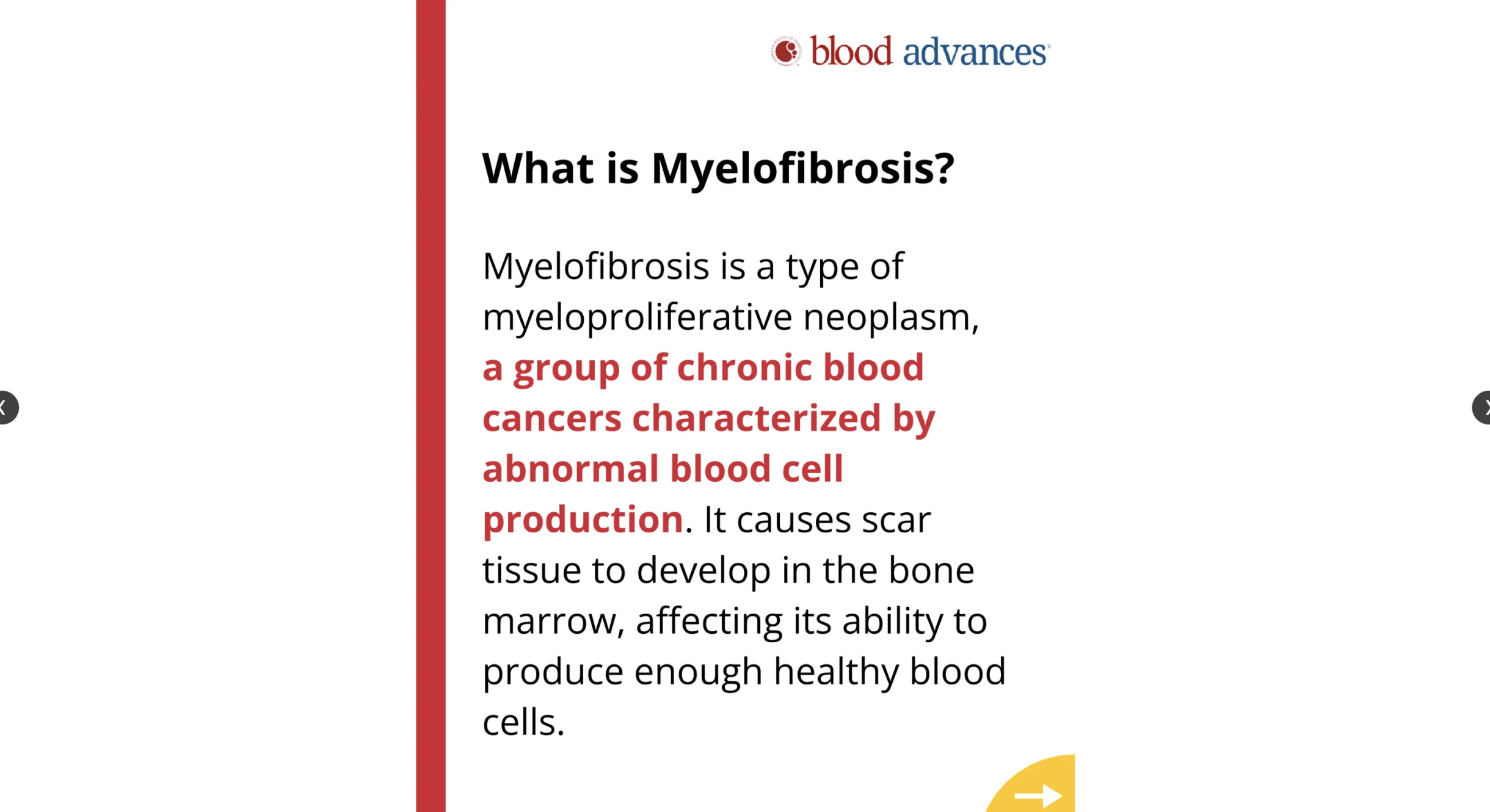
“ASH has published new evidence based guidelines to help address decision making gaps in the care of myelofibrosis.
The guidelines address routine questions from clinicians and patients while also identifying where stronger evidence is needed to continue improving outcomes for patients.
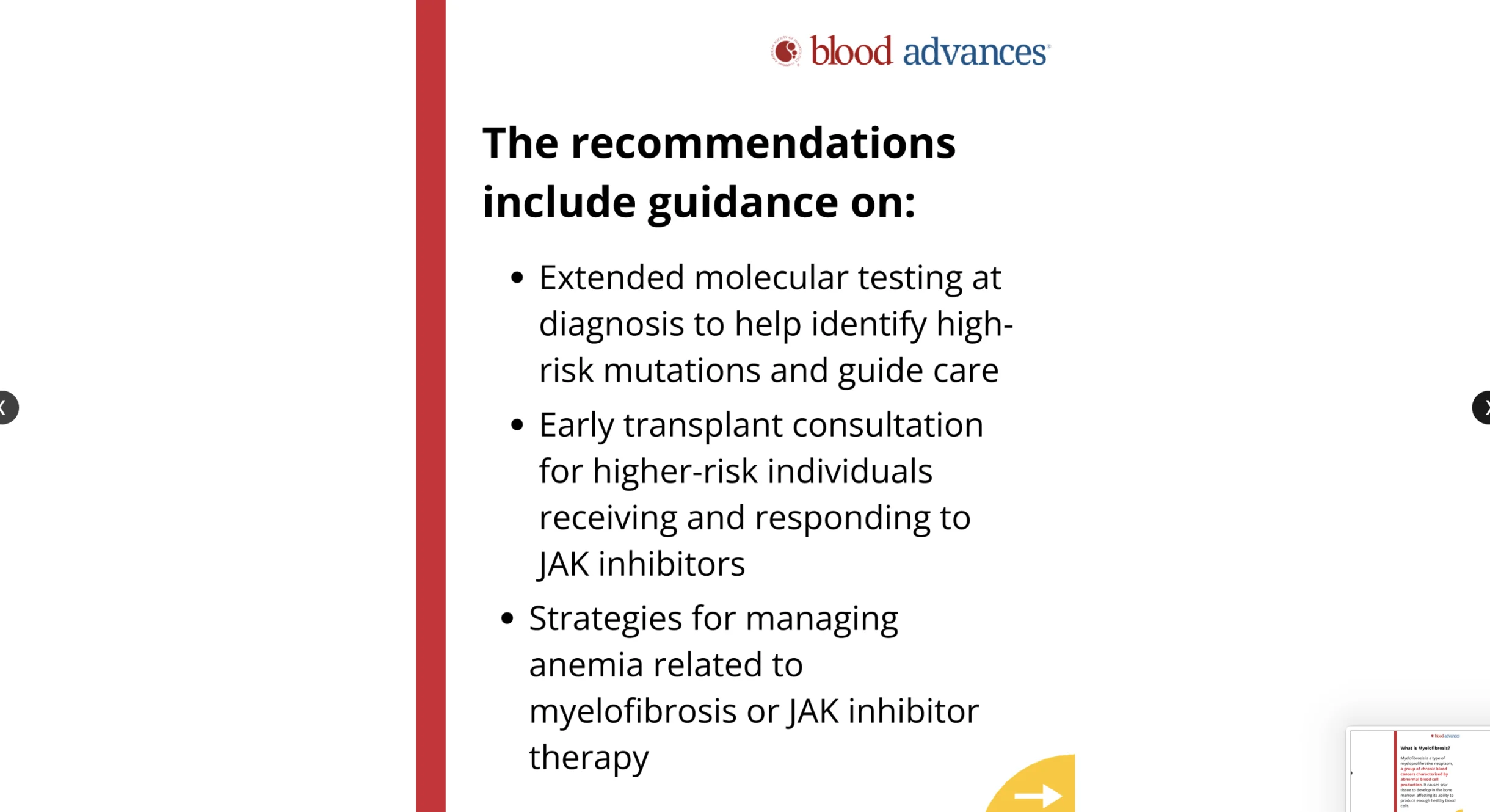
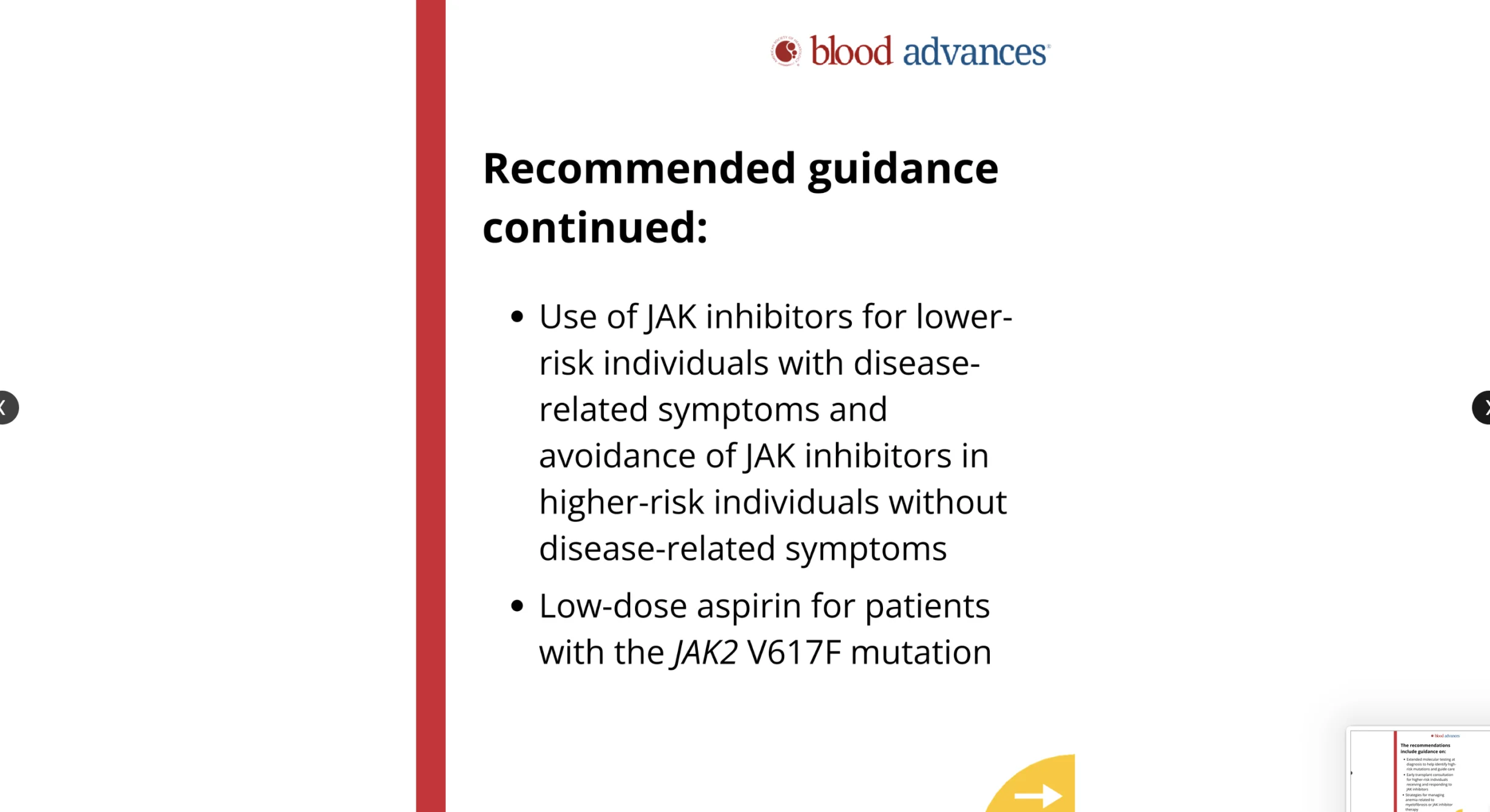
The 10 recommendations include guidance on:
- Expanded molecular testing
- Early transplant referral
- Appropriate use of JAK inhibitors
- Aspirin therapy in select patients.
The guidelines were published today in Blood Journals Portfolio
Learn more about the guidelines, including the development process and what patients need to know.”
Stay updated with Hemostasis Today.


-
Oct 15, 2026, 19:41Looking Beyond Platelet Counts to Quality of Life in ITP – American Society of Hematology
-
Oct 15, 2026, 19:32Markus Gregorio Barbosa: Hepatic VPS35 and Cholesterol Homeostasis
-
Oct 15, 2026, 19:18Emerging Novel Therapies for Hereditary Hemorrhagic Telangiectasia – The Lancet Haematology
-
Oct 15, 2026, 19:04Umberto Pensato: EVT Treatment Effects Across Perfusion Profiles in MeVO Stroke
-
Oct 15, 2026, 18:26Chanakya Nayudu: Presenting My Research at ISTH Congress 2026 in Paris
-
Oct 15, 2026, 18:09Maha Othman: Students Lead World Thrombosis Day 2026 Awareness Events
-
Oct 15, 2026, 17:52Jill de Mol։ Rapamycin Modulates Immune Responses in Aged Atherosclerosis
-
Oct 15, 2026, 17:41Victor Aboyans։ Think About Lipids in VTE
-
Oct 15, 2026, 17:08Babu Mia։ Targeting PPM1D to Eliminate Malignant Stem Cells in Myeloproliferative Neoplasms