

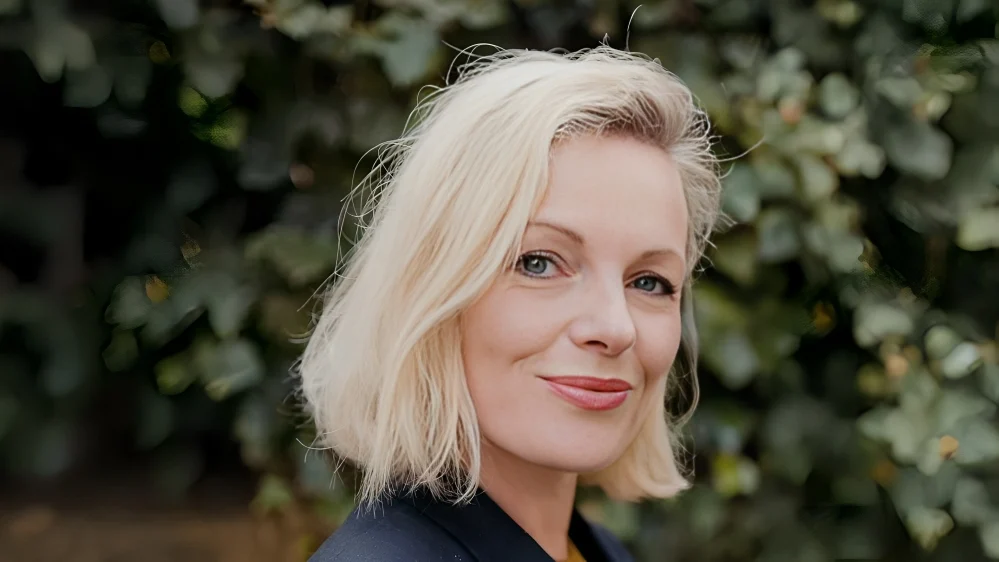
Alexandra Heumber Perry: Rare Diseases as a Measure of Equity and Multilateralism in Global Health
Alexandra Heumber Perry, Chief Executive Officer at Rare Diseases International, shared a post on LinkedIn:
”As the WHO Executive Board kicks off, global health governance once again finds itself at a crossroads. Decisions taken now will shape the future of global health architecture and determine whether we strengthen multilateralism or drift further toward fragmented, bilateral approaches.
This debate could not be more timely. Rare Disease Day month has just begun, and it coincides with an important milestone: one year ago, the World Health Organization Executive Board recommended the adoption of the first-ever WHO Resolution on Rare Diseases to the World Health Assembly.
That moment mattered – not only for the rare disease community, but for global health as a whole. It signaled that equity, inclusion, and solidarity still have a place at the heart of multilateral decision-making.
As we rethink global health architecture, a fundamental question remains: can we finally build systems that truly serve the most underserved? And can this moment of reform fulfil the core purpose of global health – to achieve equity, solidarity, and resilience across all populations?
Through ongoing conversations with colleagues and health leaders, I’ve been reflecting on this transition. Funding cuts, shifting priorities, and institutional reforms are forcing us to confront a deeper issue: what kind of health system are we rebuilding, and for whom?
Moving forward requires transversal approaches – breaking silos between diseases, sectors, and populations. Equity, data, and meaningful community engagement must underpin efforts to strengthen health systems. Integrated care pathways build resilience. Inclusive governance restores trust.
This is where rare diseases offer a powerful test – and a clear lesson. Rare diseases make inequities visible. They reveal gaps in data, access, financing, and governance. And they remind us that when systems are designed for those with the most complex needs, they become stronger for everyone.
Rare diseases have always been a precursor: if it works for people living with rare diseases, it works for everyone.
As global health governance is debated this week at the WHO Executive Board, rare diseases stand as a measure of our collective commitment to multilateralism, equity, and solidarity and a tangible way to turn global health transformation into reality.”

Stay updated with Hemostasis Today.
-
Sep 30, 2026, 13:41Huda Salah Eldin: The Challenge of Balancing Antithrombotic Therapy After PCI
-
Sep 30, 2026, 13:29Abdus Salam: What Can CT Venography Reveal About the Veins?
-
Sep 30, 2026, 13:03Amira Mohy: Diagnostic Flow Cytometry Panels for Hematological Malignancies
-
Sep 30, 2026, 12:52Paul Watton: Could Repetitive Head Impacts Leave a Molecular Memory?
-
Sep 30, 2026, 12:41The Journey to ISTH 2027 Starts in Vancouver
-
Sep 30, 2026, 11:36Basit Ali: A Closer Look at CT Venography
-
Sep 30, 2026, 11:16Christina Pohlman: Could aPL Levels Help Predict Stroke Recurrence?
-
Sep 30, 2026, 10:55Rana Al Hrout: Diagnostic Approach to Hypochromic Microcytic Anemia
-
Sep 30, 2026, 01:52Javed Anees: DADA2 – When a Young Stroke Is More Than a Stroke