

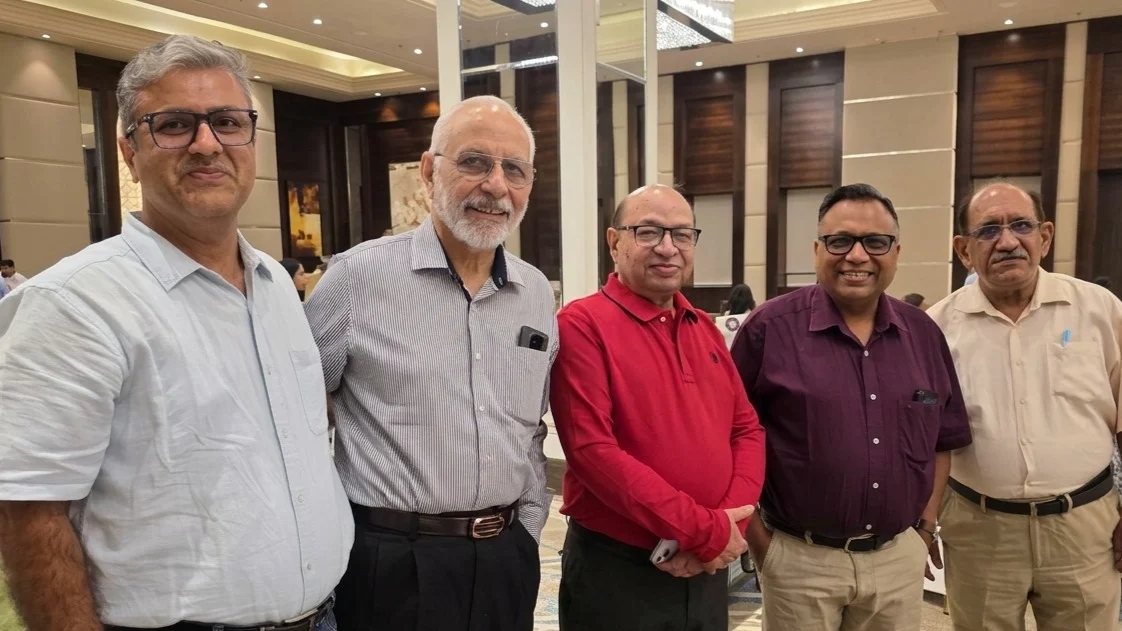
Amit Malhotra: The Expanding Role of Upadacitinib Across Autoimmune and Inflammatory Disorders
Amit Malhotra, Chairman of Headquarters Committee at IADVL, shared a post on LinkedIn:
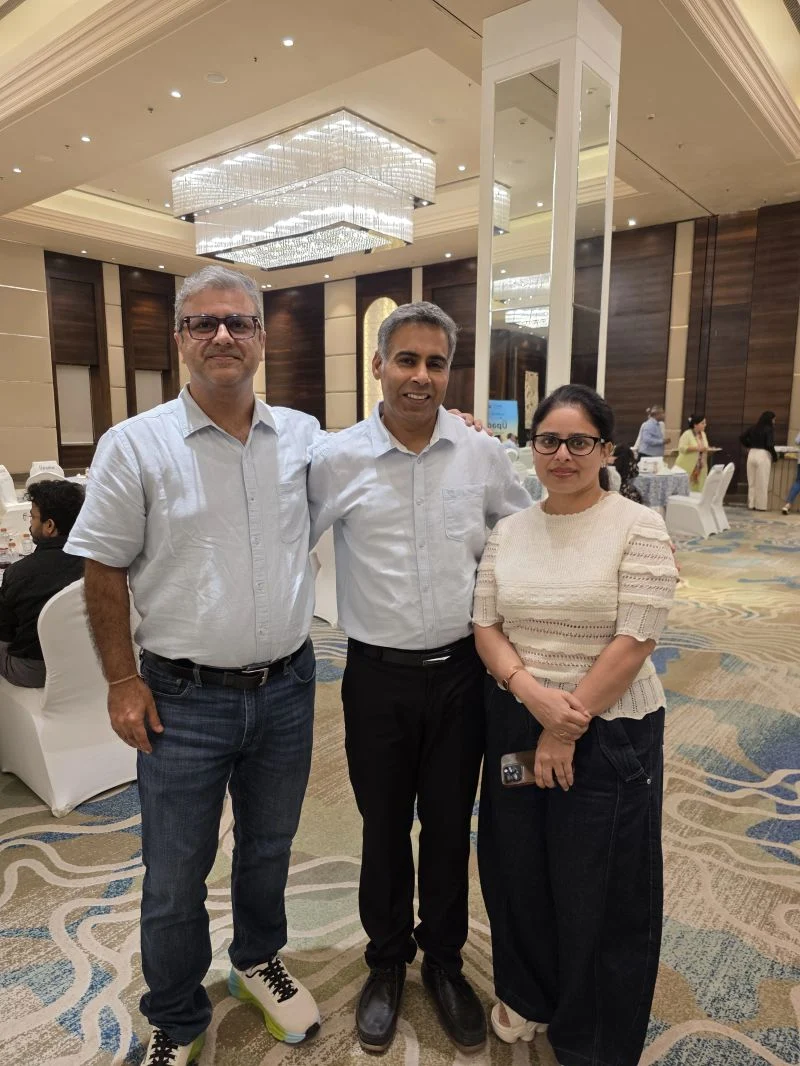
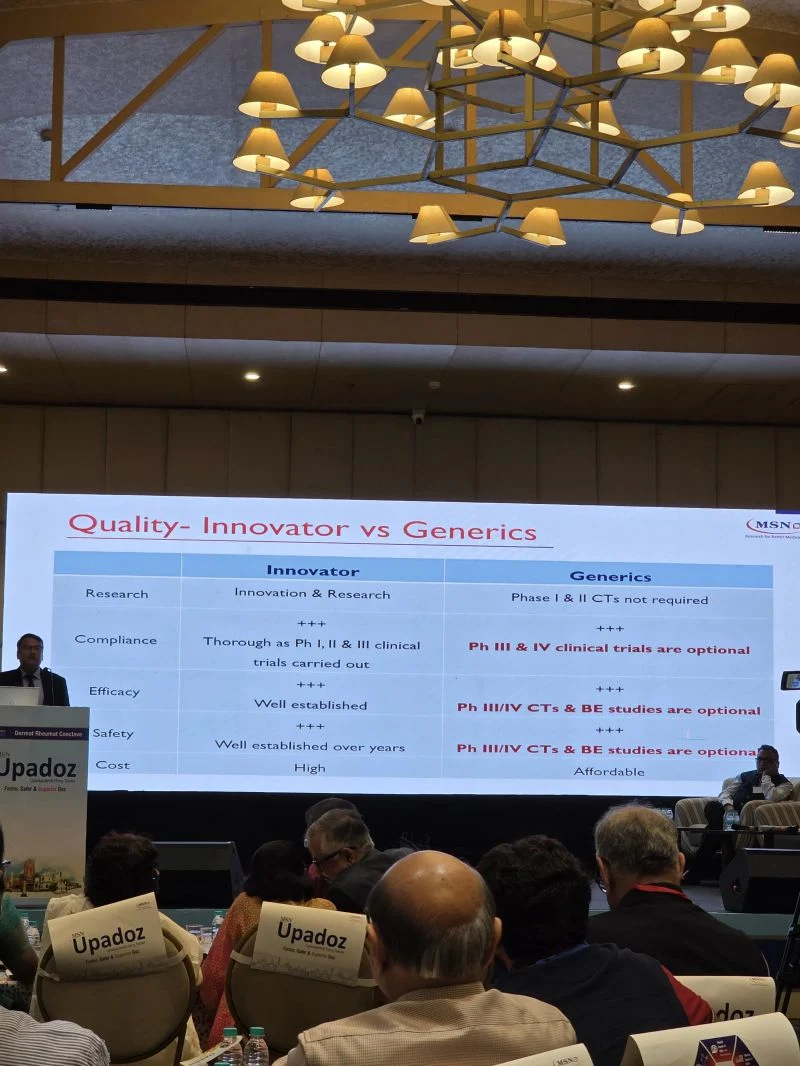
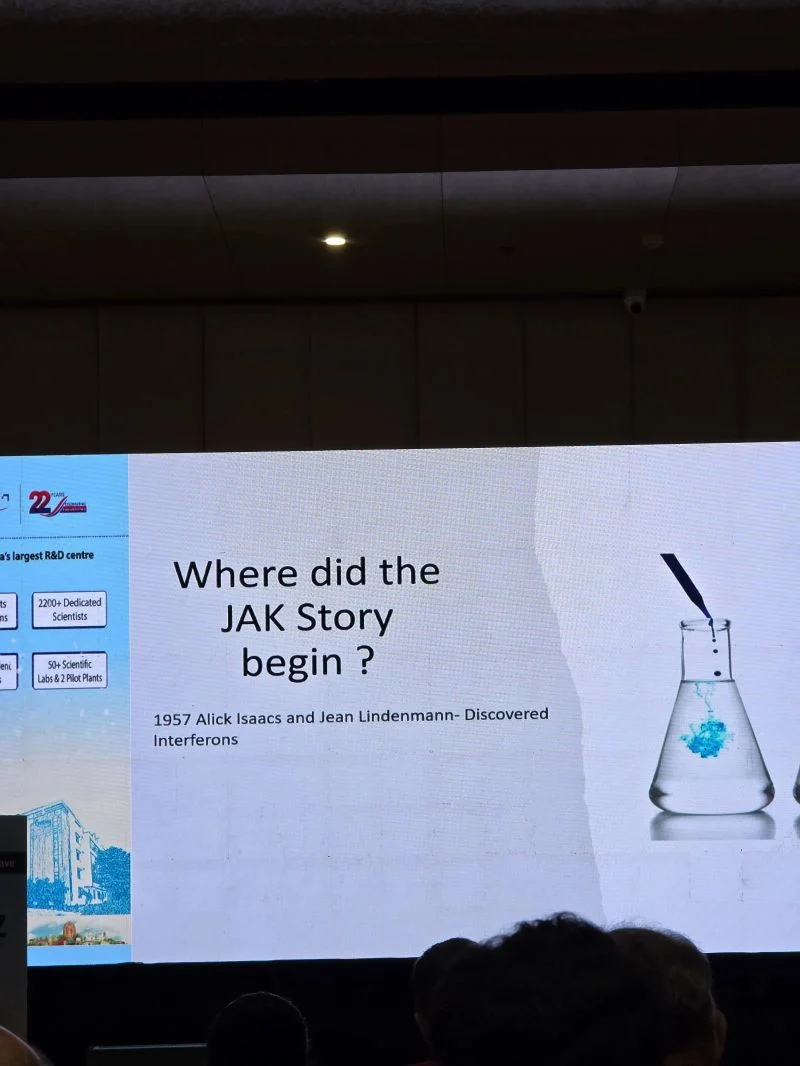
“Had the privilege of attending a highly informative CME on Upadacitinib at Dehradun.
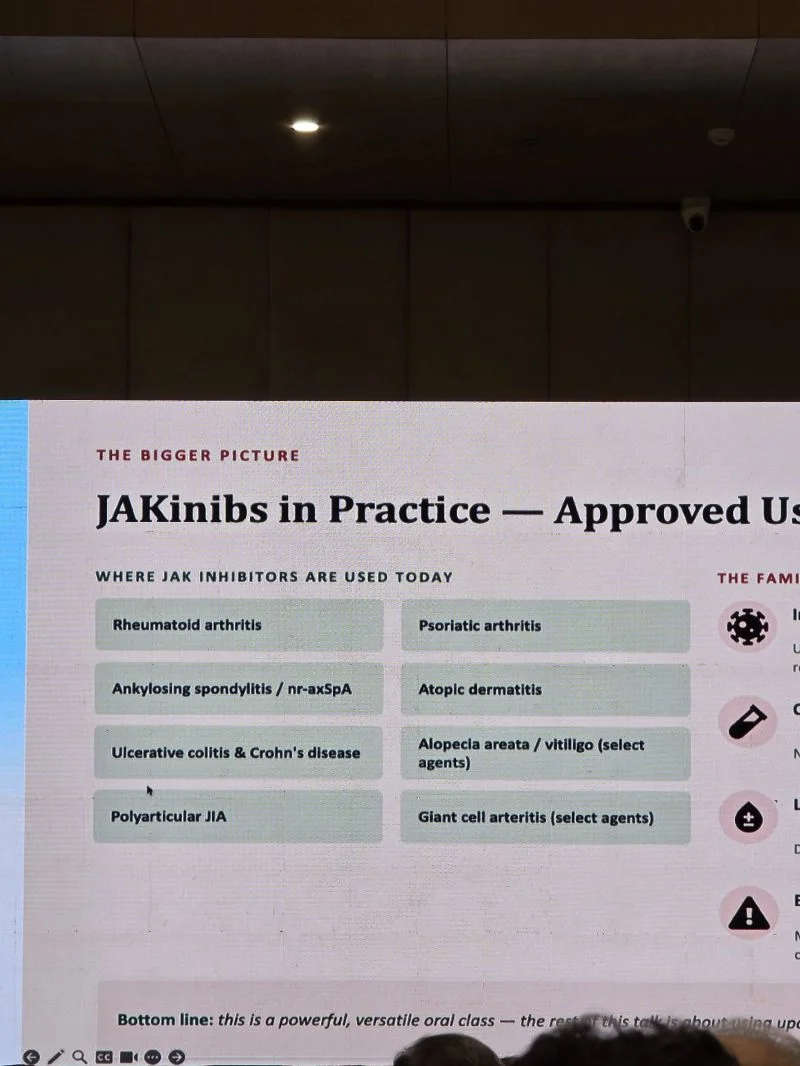
The scientific discussions highlighted how JAK-STAT inhibitors are transforming the management of several chronic inflammatory and autoimmune disorders.
Upadacitinib works by selectively inhibiting Janus Kinase (JAK) pathways, thereby blocking inflammatory signals transmitted through the JAK-STAT pathway.
This targeted mechanism helps reduce inflammation, itching, pain, and tissue damage while improving patient outcomes.
The molecule has demonstrated impressive efficacy in conditions such as Atopic Dermatitis, Alopecia Areata, Vitiligo, Psoriatic Arthritis, Rheumatoid Arthritis, Ankylosing Spondylitis, and Ulcerative Colitis.
With rapid onset of action and sustained disease control, JAK inhibitors represent a significant advancement in precision medicine.
Grateful to the organizers and faculty for an enriching academic experience and valuable clinical insights.
Caution: Do not self medicate.”
Stay updated with Hemostasis Today.

-
Sep 25, 2026, 12:14Garima Sharma: Community Clinical Linkages for Better Postpartum Cardiovascular Care
-
Sep 25, 2026, 10:49Shefina S: From Presenting to Hosting at TRANSCON 2026
-
Sep 25, 2026, 10:37Michelle Leona Cecil: Hemophilia Advocacy and the Power of Community
-
Sep 25, 2026, 10:13Michael Baria: Platelet Concentration and PRP Outcomes in Partial Rotator Cuff Tears
-
Sep 25, 2026, 09:49Haley Coleman: Volunteering to Support Hemophilia Awareness
-
Sep 25, 2026, 08:55Hitarth Mehta: BHMS Students Gain Practical Exposure to Haemophilia Diagnosis
-
Sep 25, 2026, 07:25Varun Capoor: How Therapeutic Apheresis and Transfusion Medicine Can Complement Clinical Management in SCD
-
Sep 25, 2026, 07:14Manshi Kesharwani: SAK-GQDs Modulate Thrombus Burden and Endothelial Function in Deep Vein Thrombosis
-
Sep 25, 2026, 06:20Farjah Hassan Algahtani: How Can We Better Identify Patients at Risk of Blood Clots after Metabolic and Bariatric Surgery?