

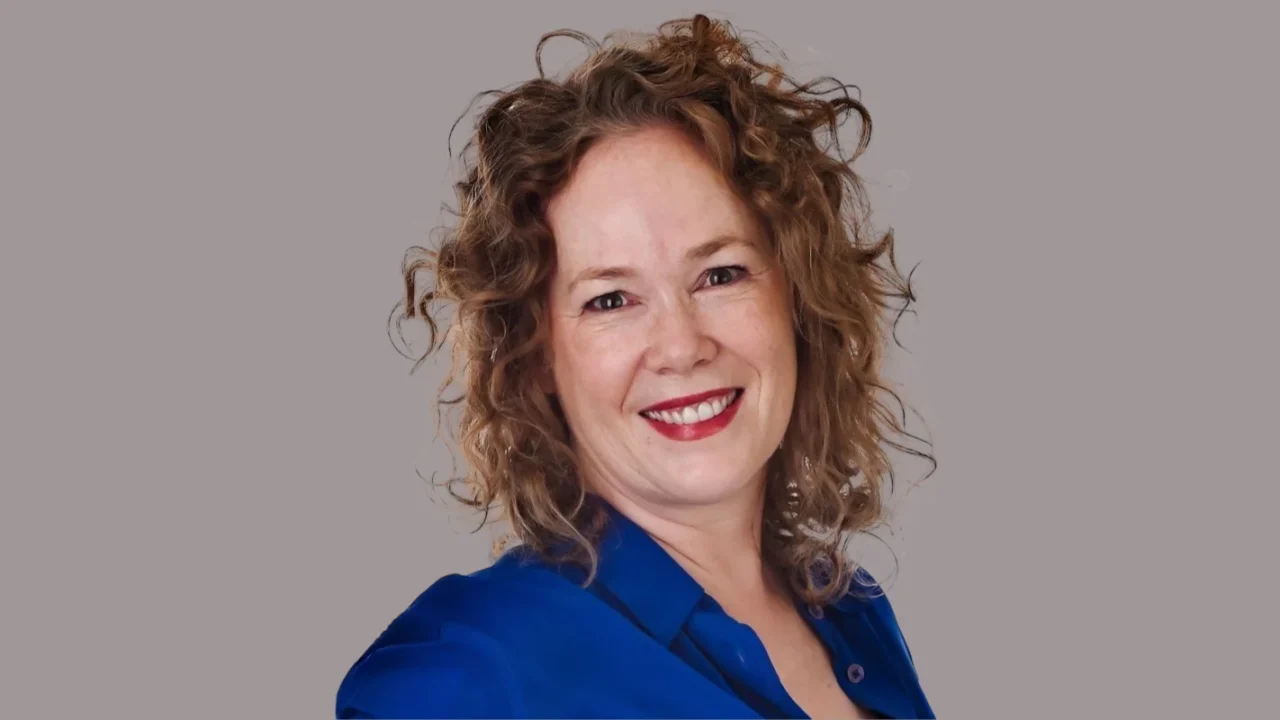
Diana Kerr: What Hundreds of Conversations with Stroke Survivors Have Taught Me
Diana Kerr, Digital communications and community management at Stroke Foundation, shared on LinkedIn:
”Over the past decade, I’ve had the privilege of interviewing hundreds of stroke survivors, carers and families.
While every story is unique, the same life lessons continue to shine through – acceptance, hope, connection, self-compassion and the power of movement.
These aren’t just lessons about stroke; they’re lessons about being human. I’m incredibly grateful to everyone who has trusted me with their story.
This article is a reflection on what the stroke community has taught me, and I hope some of these lessons resonate with you too.
Over the past decade, I’ve had the privilege of interviewing hundreds of stroke survivors, carers and family members.
Every interview is different, and very story is unique.
But after listening to so many people share some of the hardest moments of their lives, I’ve noticed the same themes emerging time and time again.
These aren’t just lessons about stroke; they’re lessons about being human.
1. Acceptance is hard- and necessary
One of the most common things I hear is that acceptance isn’t about giving up.
It’s about accepting the ‘is.’
The reality of today.
Not because it’s the life someone wanted, but because it’s the foundation for building what comes next.
Many survivors have told me that the moment they stopped fighting the reality of what had happened and started working with where they were was the moment recovery truly began.
One phrase has stayed with me:
The ‘is’ isn’t the same as the ‘will be.’ (thanks Ryan Ogden)
Today’s circumstances don’t define tomorrow’s possibilities; acceptance creates space for hope.
2. Hope is an ingredient in recovery and in life
I’ve lost count of how many people have spoken about hope.
Not unrealistic hope.
Not pretending everything is okay.
But believing that tomorrow can be a little better than today.
I’ve interviewed people who were told they would never walk again.
People who were told they would never work again, people who were told their recovery had plateaued, many of them proved those predictions wrong.
Not because recovery was easy, but because they kept showing up.
Hope doesn’t guarantee an outcome, but it gives us a reason to keep moving towards one.
3. Community makes the impossible feel possible
Stroke can be incredibly isolating.
Many people describe feeling like no one truly understands what they’re experiencing, then they meet someone who has walked a similar path, and everything changes.
One of the biggest lessons I’ve learned is that we’re wired for connection. Feeling seen, heard and understood gives us strength, especially during life’s hardest moments.
Again and again, people tell me that connection has been just as important as therapy.
Sometimes it’s a conversation, a support group or it’s simply hearing someone say,
‘Me too.’
Community reminds us that we’re not carrying life’s hardest moments alone, and that healing is often something we do better together.
4. Be kinder to yourself than you think you need to be
This lesson extends far beyond stroke.
Recovery doesn’t happen in a straight line, there are setbacks.
There are days when nothing seems to improve, and moments when the loudest critic isn’t anyone else – it’s us.
I’ve heard so many people say they learned to replace frustration with compassion.
To celebrate the smallest wins and stop measuring themselves against who they used to be.
Progress often starts the moment we stop demanding perfection from ourselves.
5. Movement matters
Many people talk about the importance of moving your body.
Not necessarily running marathons, not setting records – just moving.
Walking.
Stretching.
Swimming.
Gardening.
Whatever movement looks like for that individual.
Time and time again, people describe ‘movement as medicine’ (thanks Emma Gee) not only for their bodies, but for their minds.
It builds confidence, creates routine, supports mental wellbeing, and reminds us that meaningful progress often starts with one small step.
What the stroke community has taught me
When I started interviewing people impacted by stroke, I thought I was collecting stories to share with the community on social media.
What I didn’t expect was how many of those stories would help shape me.
They’ve changed how I think about resilience.
About kindness, purpose, and what really matters.
The stroke community has taught me that recovery isn’t just about getting back to who you were.
Sometimes it’s about discovering who you’re becoming, and perhaps that’s a lesson all of us can carry with us, whether we’ve experienced a stroke or not.
I owe a great deal to the stroke community.
There are far too many of you to name individually, but if we’ve shared your story, had a conversation or crossed paths along the way, thank you.
You know who you are.”
Stay updated with Hemostasis Today.
-
Sep 30, 2026, 22:28Recent Mechanical Risk Factors and Young-Onset Cryptogenic Ischemic Stroke – American Heart Association International
-
Sep 30, 2026, 22:22Expert Consensus on Inferior Vena Cava Thrombosis – Thrombosis and Haemostasis Journal
-
Sep 30, 2026, 22:21Markus Abeln: How Platelets and Complement Shape Placental Blood Flow
-
Sep 30, 2026, 22:19Fatma Al Arbawi: Studying Blood Clot Mechanics to Understand Aspirin Resistance and Thrombosis
-
Sep 30, 2026, 22:17Sudhir Kumar: Stroke is a Medical Emergency – and Every Minute Matters
-
Sep 30, 2026, 22:15Luisa Medeiros Visentini: Our Research on Cognitive Impairment After CVT Cited in the International Journal of Stroke
-
Sep 30, 2026, 21:50Jagat Narula: Connecting Cardiovascular Health and Sickle Cell Disease on World Heart Day 2026
-
Sep 30, 2026, 21:38John Kastelein: Exploring the Biology of Cardiovascular Disease at BioCentury Grand Rounds Europe
-
Sep 30, 2026, 21:36Mark Murphy: Irish Heart Foundation Meets With Senator Teresa Costello on World Heart Day