

Dmytro Samofalov: FDA-Approved Freeze-Dried Plasma in Modern Warfare
Dmytro Samofalov, Head of Healthcare Services at Ministry of Defence of Ukraine, shared a post on LinkedIn:
“FDA has finally approved freeze-dried plasma (FDP) — the first lyophilized plasma product to receive full regulatory approval in the United States.
Until now, similar products, including those used by the French military, had been available only under an Investigational New Drug (IND) pathway rather than full FDA approval. From my own experience, those products were supplied in glass bottles, which significantly limited their use in austere operational environments.
Why does this matter?
Freeze-dried plasma addresses one of the biggest challenges in prehospital trauma care: logistics.
requires no freezing or thawing;
can be stored for up to 12 months at 2–25°C;
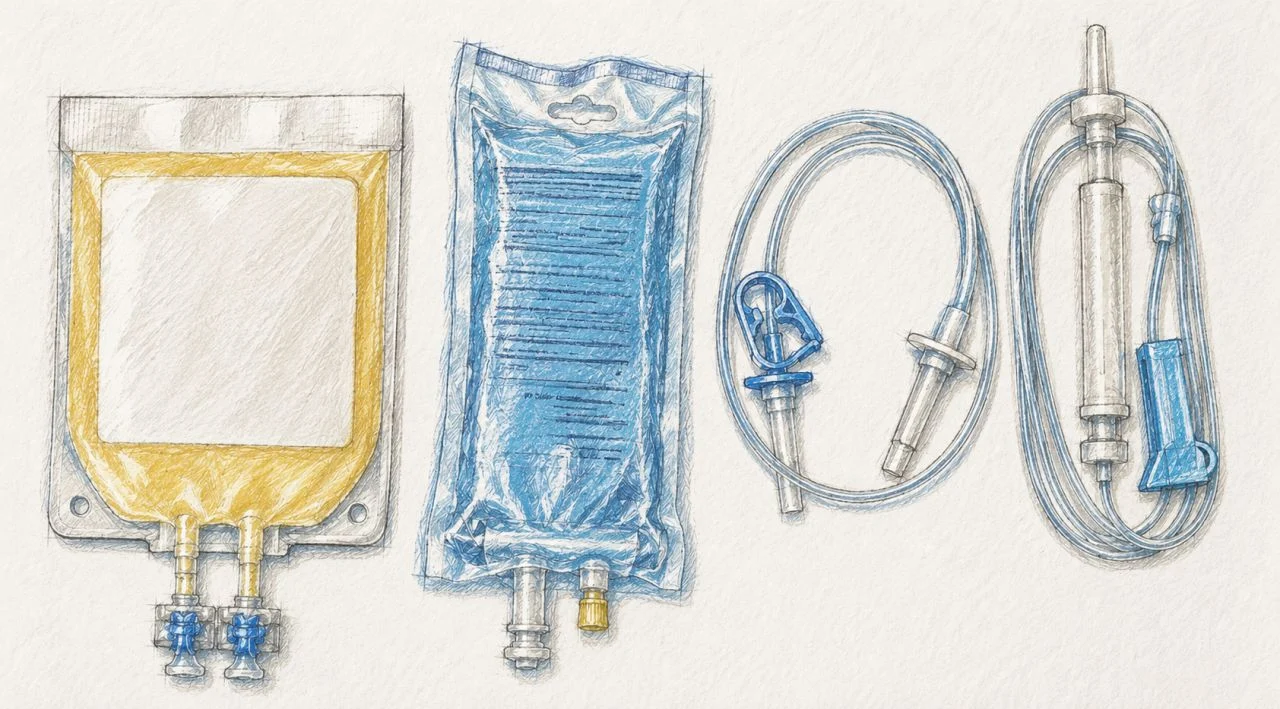
comes in a durable plastic bag instead of a glass bottle;
can be reconstituted in less than 2.5 minutes;
can be administered intravenously (IV) or intraosseously (IO);
is better suited for transport in demanding environments, including drone delivery.
Of course, freeze-dried plasma is not a replacement for whole blood or balanced component therapy. It contains neither red blood cells nor platelets, and current TCCC guidelines continue to prioritize these options whenever they are available.
However, modern warfare rarely provides ideal conditions. When whole blood cannot reach the casualty early enough, freeze-dried plasma offers an opportunity to initiate hemostatic resuscitation much sooner.
Its greatest value lies in overcoming logistical barriers.
For Ukraine, this is not simply another medical product—it is an opportunity to expand the capabilities of combat medics and Role 1 facilities operating in highly constrained environments.
That is why we are currently engaging with manufacturers to explore the procurement of freeze-dried plasma specifically in plastic bags, suitable for deployment in combat medic backpacks and forward medical units.
In modern military medicine, success depends not only on developing better technologies but also on integrating them rapidly into the medical support system.
Turning innovation into operational capability is what ultimately saves lives.”
Stay updated with Hemostasis Today.
-
Sep 21, 2026, 04:06Allison Lewin: How Gender Shapes the Way We Receive Medical Care
-
Sep 21, 2026, 03:49Jessica Lee: Walking Together for a Stronger Bleeding Disorders Community
-
Sep 21, 2026, 03:36Syed Asif Ali Shah: From Pakistan to Australia – A Clinical Haematology Milestone
-
Sep 21, 2026, 03:22Katie Baca-Motes: Estradiol Fluctuations May Help Explain Menstrual Migraine
-
Sep 21, 2026, 03:00Family History Can Reveal Hidden Risk of Aortic Dissection – The Marfan Foundation
-
Sep 21, 2026, 02:47Transitioning from Paediatric to Adult Haemophilia Care – Haemophilia Foundation Australia
-
Sep 21, 2026, 02:29Diana Castro Paupério: A New Era for Patient Blood Management
-
Sep 21, 2026, 00:29Iheanyichukwu Ike: Childhood Anaemia in Nigeria Through an Analysis of the 2018 NDHS
-
Sep 21, 2026, 00:27Nicole De Vita: The Global Burden of Iron Deficiency and Anemia in Women at SABM