


Ella Lawson: Could Erythritol Harm the Brain’s Blood Vessels?
Ella Lawson, Manager of Logistics Operations at Stryker, shared a post on LinkedIn:
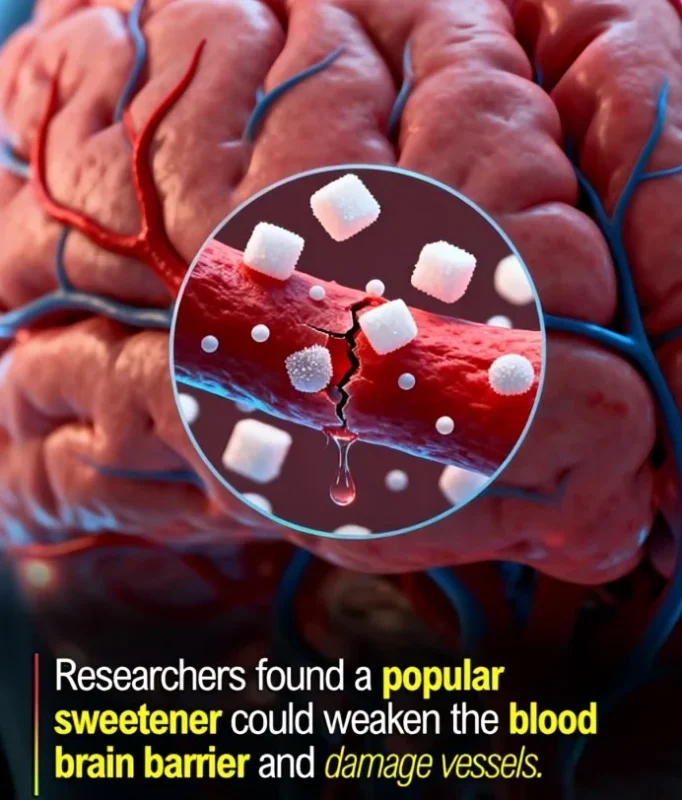
”A new lab study suggests that the sugar substitute Erythritol – commonly used in so-called ‘sugar-free’ or low-calorie foods – may harm the blood-brain barrier and the tiny blood vessels in the brain.
Researchers exposed human brain microvascular endothelial cells (the cells lining the brain’s smallest blood vessels) to amounts of erythritol similar to those found in a single sweetened beverage. They discovered the exposed cells produced significantly more reactive oxygen species (a sign of oxidative stress), generated less nitric oxide (a molecule that allows blood vessels to relax), produced more endothelin-1 (which constricts vessels), and showed reduced release of a key clot-dissolving enzyme. All of these changes are well-known contributors to impaired blood flow, vessel damage, and stroke risk.
While these findings are concerning, it’s important to keep in mind that the study was conducted in lab-grown cells and did not involve living humans. That means it shows a possible mechanism for harm, but does not prove that consuming erythritol at normal dietary levels will definitely cause brain vessel disease or stroke.
Researchers say more human studies are needed. In the meantime, people – especially those with risk factors for vascular or brain diseases—may want to limit the amount of erythritol they consume and consider naturally-derived alternatives like stevia or monk fruit, while focusing on whole-food approaches rather than relying on sugar substitutes.”
Stay updated with Hemostasis Today.
-
Oct 9, 2026, 16:23David Boone: Distinguishing Stroke Prevention from Rhythm Control in Atrial Fibrillation
-
Oct 9, 2026, 15:27Mohamed Hegazi: Geostatistical Modelling Maps Global β-Thalassaemia Carrier Prevalence
-
Oct 9, 2026, 15:15Maha Othman: Uncovering the Consensus on TXA in TBI – Call for Collaboration on a Landmark Umbrella Review
-
Oct 9, 2026, 15:07Daniel D. Han: How Inhalation Product Exposure Impairs Cardiac and Platelet Recovery After MI
-
Oct 9, 2026, 14:58William Toole: How Ultrasound-Guided PRP Therapy Relieves Joint and Tendon Pain
-
Oct 9, 2026, 14:50Shayan Mohammadmoradi: In Corpus Christi for the 20th Midwest Platelet Conference
-
Oct 9, 2026, 14:37Tariq Tramboo: High Platelet Concentrate for Osteoarthritis Knee – Recent Meta-Analyses
-
Oct 9, 2026, 14:26Yousma Khan: Hematology Series – Beyond RBCs, WBCs and Platelets
-
Oct 9, 2026, 14:13Jesus Ardila Novoa: Why the WHO’s Historic Essential Medicines List Decision Is Just the Beginning