


Inside 2026 Highlights of ASH in the Mediterranean, Middle East, and North Africa with Dr. Heghine Khachatryan
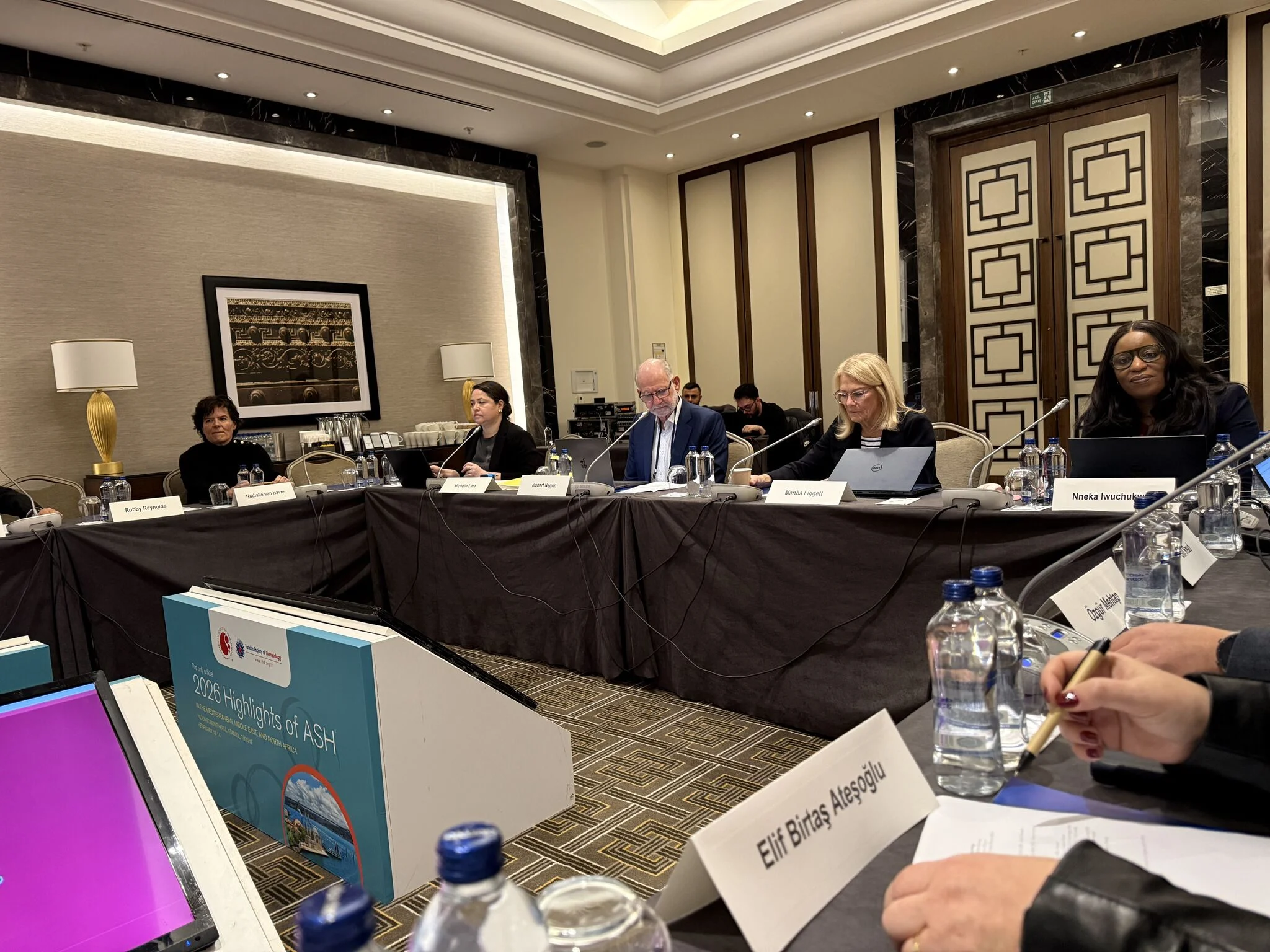
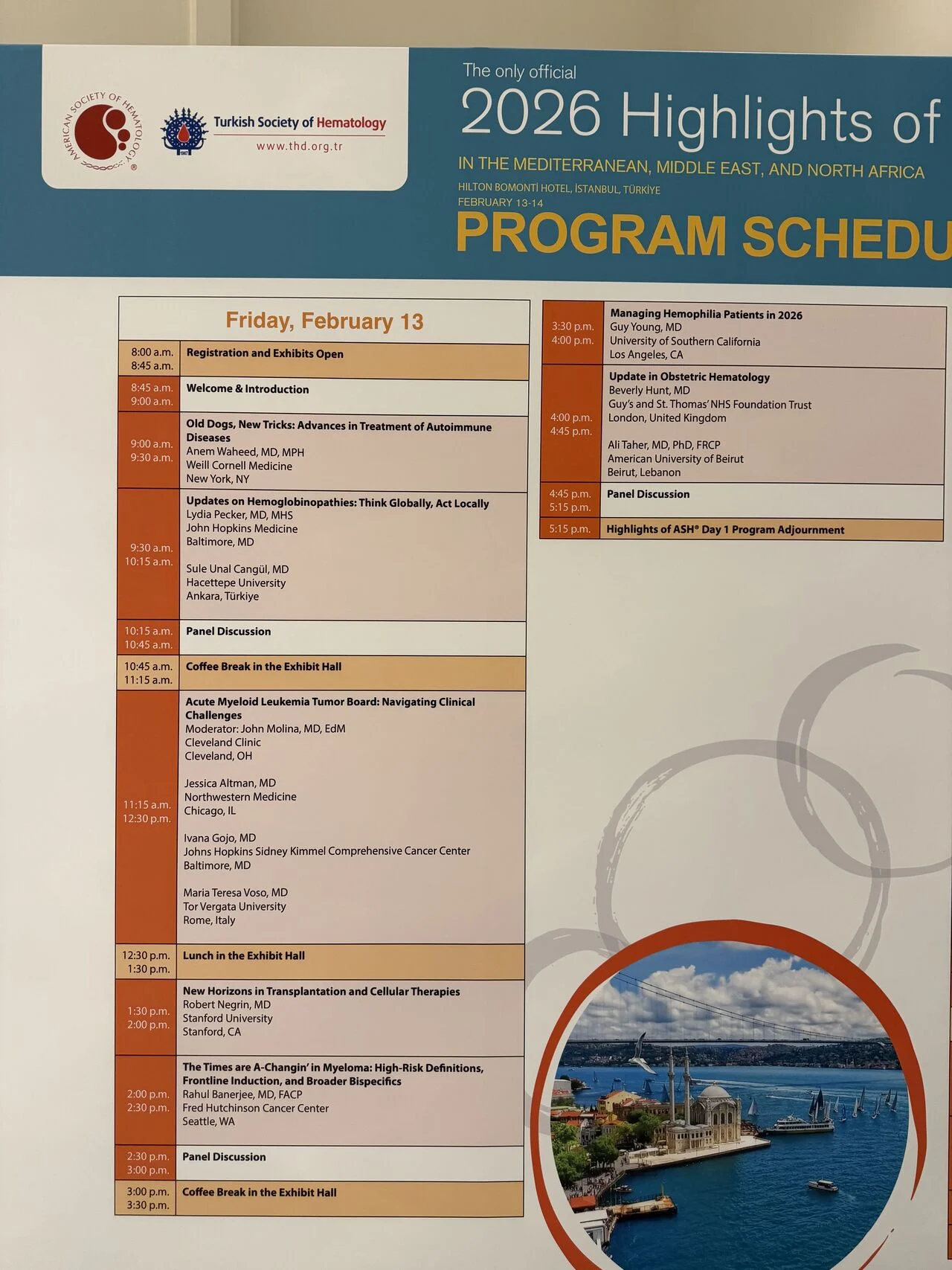
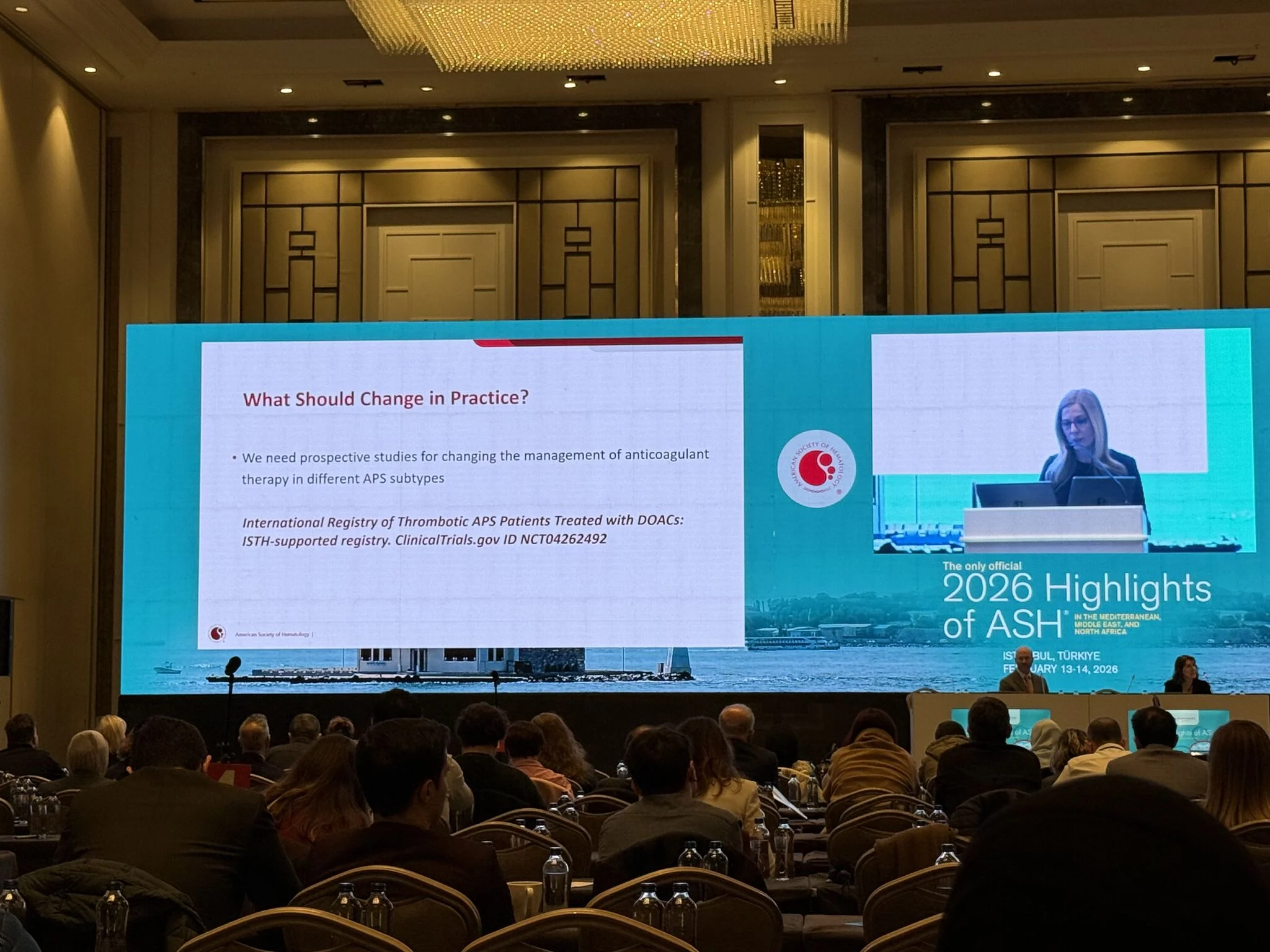
The 2026 Highlights of ASH in the Mediterranean, Middle East, and North Africa was successfully held on February 13–14, 2026, in Istanbul, Türkiye. Organized by the American Society of Hematology in collaboration with the Turkish Society of Hematology, the two-day meeting brought together leading experts and regional clinicians to review key scientific and clinical advances presented at the latest ASH Annual Meeting.
The program featured expert-led sessions covering malignant and non-malignant hematologic disorders, offering practical insights tailored to the needs of healthcare professionals across the Mediterranean, Middle East, and North Africa region.
Heghine Khachatryan, Editor-in-Chief of Hemostasis Today, Head of Hemophilia and Thrombosis Center at Yeolyan Hematology and Oncology Center, shared some highlights from 2026 Highlights of ASH.
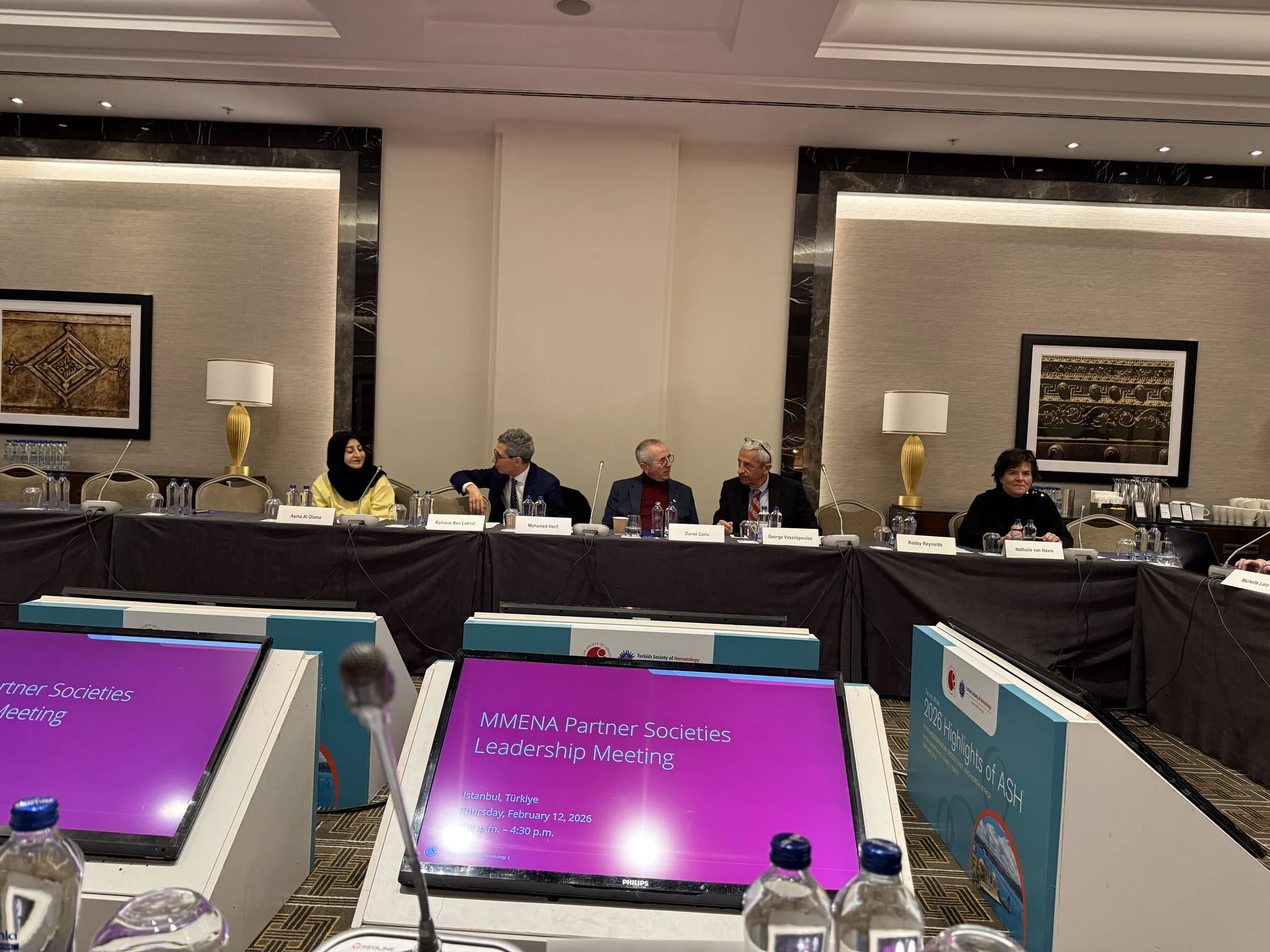
“Today, I had the privilege of participating in the ASH MMENA Partner Societies Leadership Meeting.
I was deeply impressed by the discussions on the current hematology landscape across multiple countries. Listening to colleagues share both their challenges and their progress highlighted how diverse — yet interconnected — our healthcare realities truly are.
Importantly, the meeting created meaningful opportunities to strengthen collaboration and to support the training of young hematologists within clinical and research frameworks. Investing in the next generation is not optional — it is essential for sustainable advancement in our field.
I am grateful for the new professional connections, the constructive dialogue, and the shared commitment to improving hematology care across our region.
Looking forward to continued collaboration.”

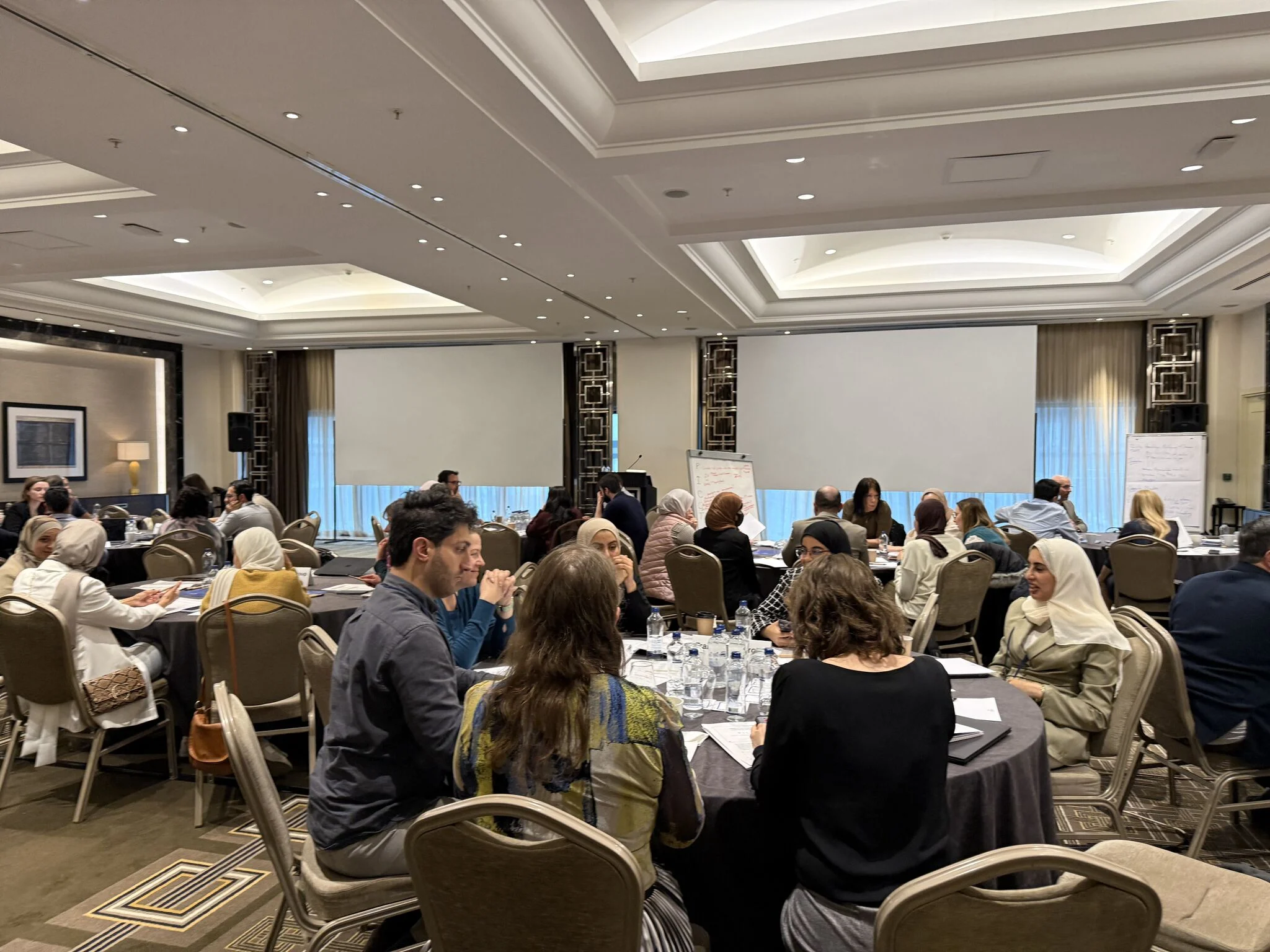
“Today’s sessions at the ASH Highlights in the Mediterranean, Middle East, and North Africa meeting provided an intellectually stimulating and highly collaborative academic environment.
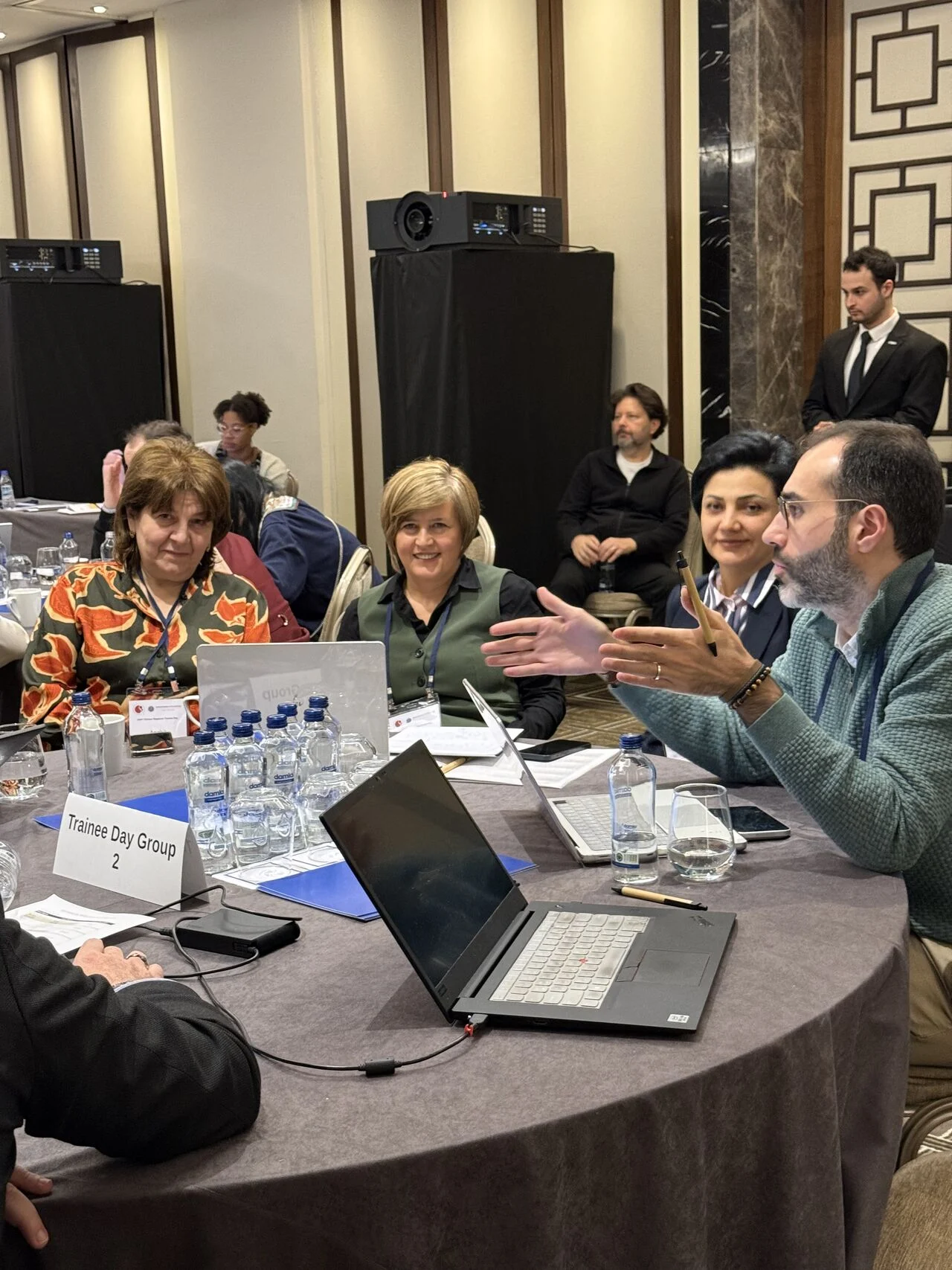
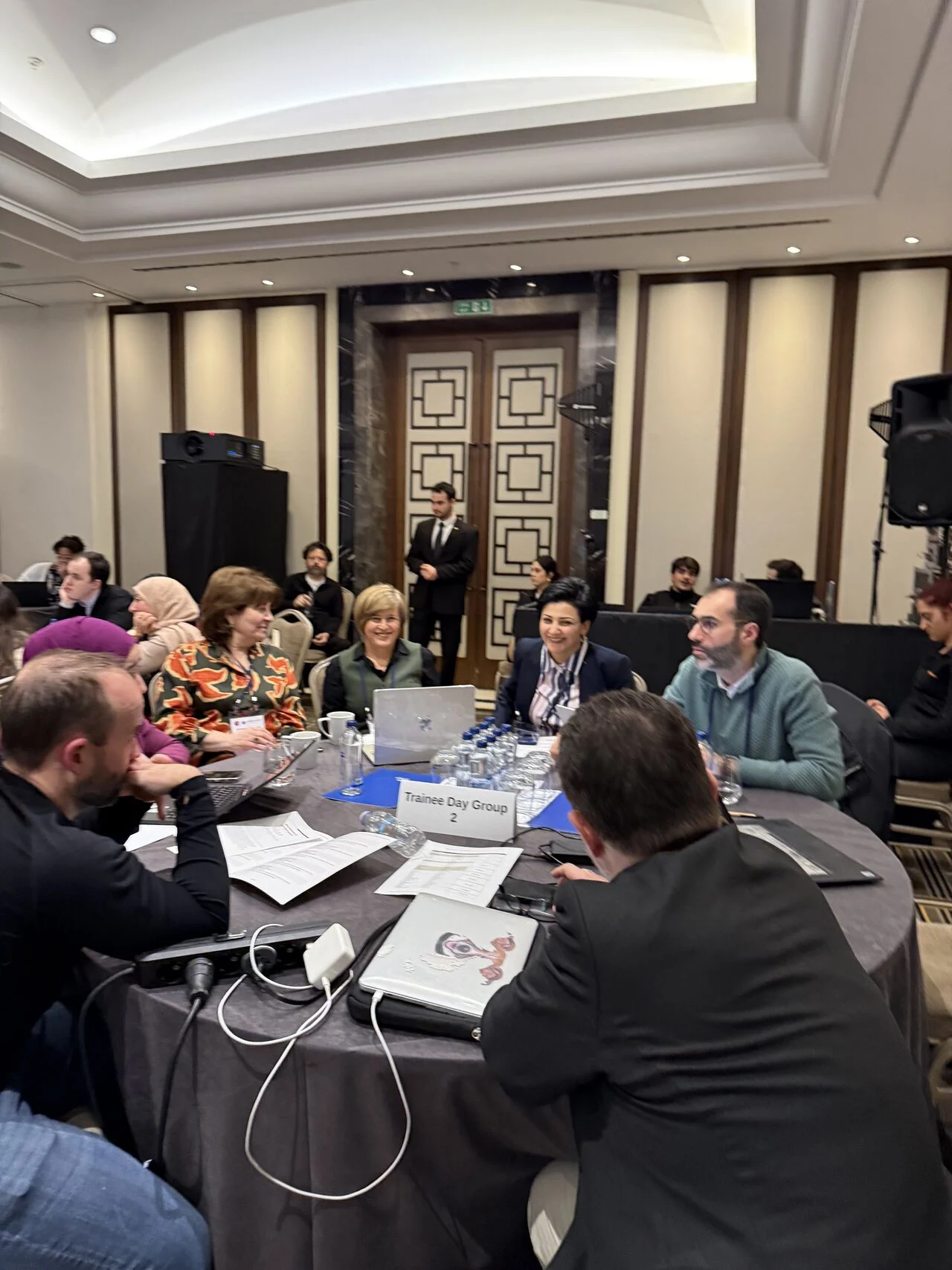
The Trainee Day discussions were particularly impactful. Engaging in structured, case-based dialogue with colleagues from diverse healthcare systems reinforced the importance of critical appraisal, multidisciplinary reasoning, and evidence-based decision-making in hematology. The exchange of perspectives across regions highlighted both shared clinical challenges and context-specific barriers, especially in thrombosis, hemoglobinopathies, and hematologic malignancies.
What stood out most was the depth of discussion around:
- Translating emerging data into real-world clinical algorithms
- Risk stratification and individualized therapeutic strategies
- Bridging resource variability while maintaining guideline-directed care
- The evolving role of precision medicine and targeted therapies
These academic forums are more than updates — they are platforms for building professional networks, strengthening regional collaboration, and empowering the next generation of hematologists.
Grateful for the opportunity to represent Armenia and to contribute to these meaningful scientific exchanges.”
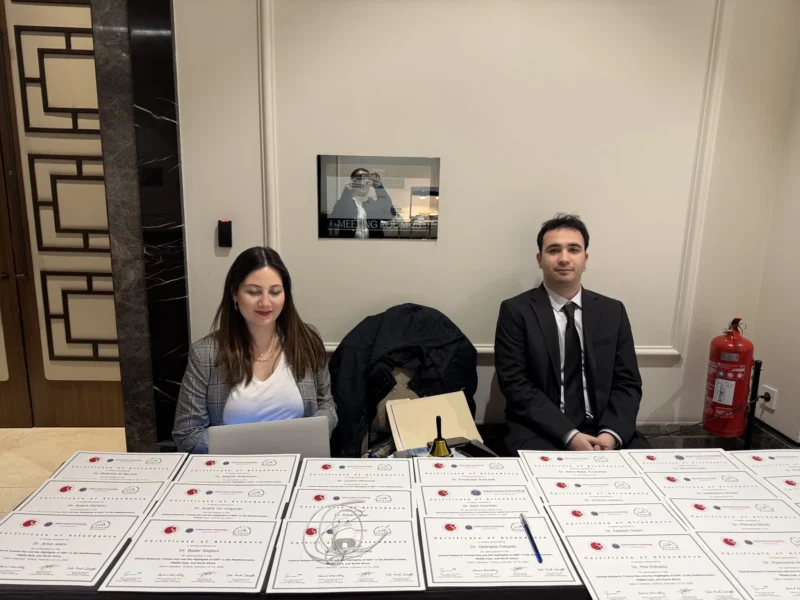
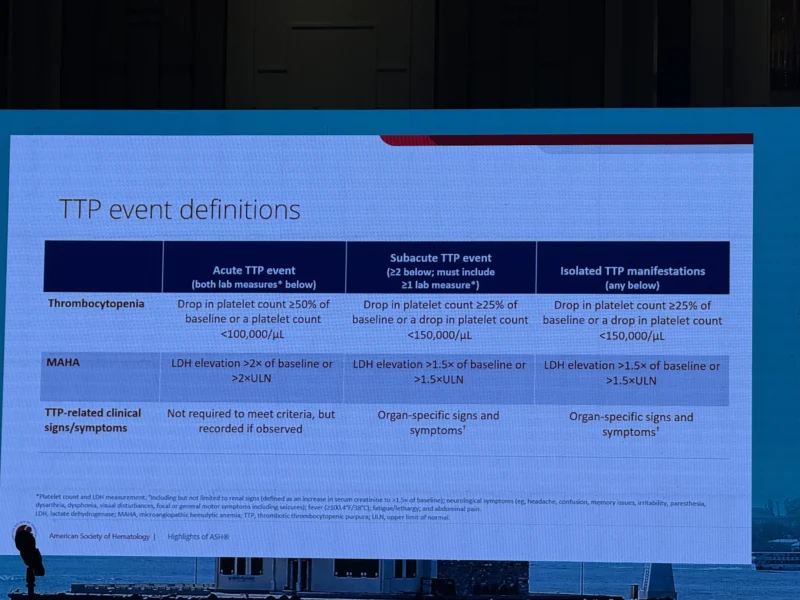
“ASH Highlights 2026 – Advances in Thrombotic Thrombocytopenic Purpura (TTP)
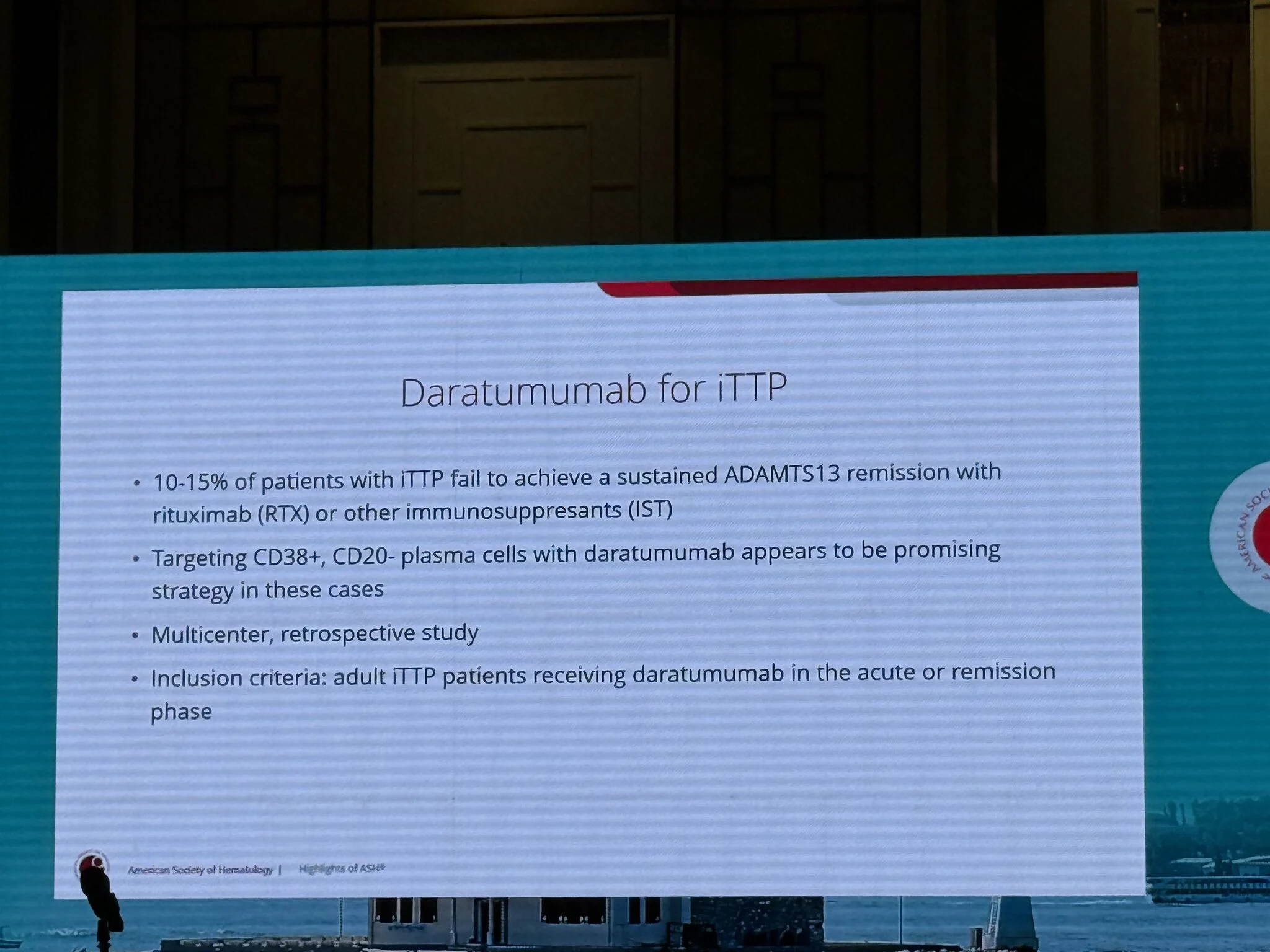
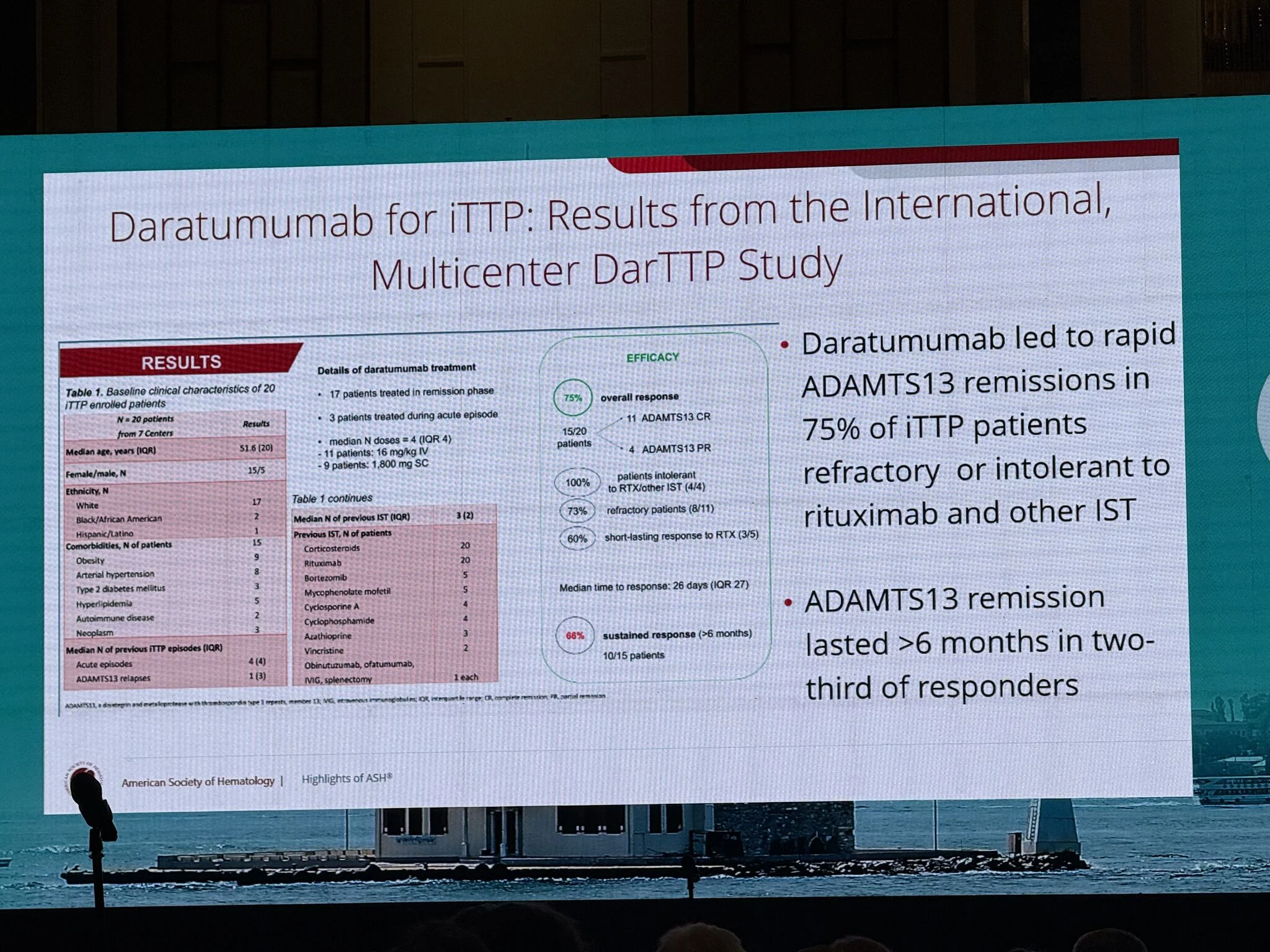
One of the most impactful sessions today focused on emerging therapeutic strategies in immune TTP (iTTP) and congenital TTP (cTTP), particularly CD38-targeted therapy and recombinant ADAMTS13 replacement.
Daratumumab in Immune TTP (iTTP)
Data from the international, multicenter DarTTP study demonstrated:
- Rapid ADAMTS13 remission in 75% of patients with iTTP who were refractory or intolerant to rituximab and other immunosuppressive therapies
- Sustained remission (>6 months) in approximately two-thirds of responders
- Targeting CD38+ plasma cells offers a promising strategy in cases where B-cell depletion alone is insufficient
These findings represent an important advancement in the management of refractory iTTP and provide renewed hope for patients at high risk of relapse.
Congenital TTP (cTTP)
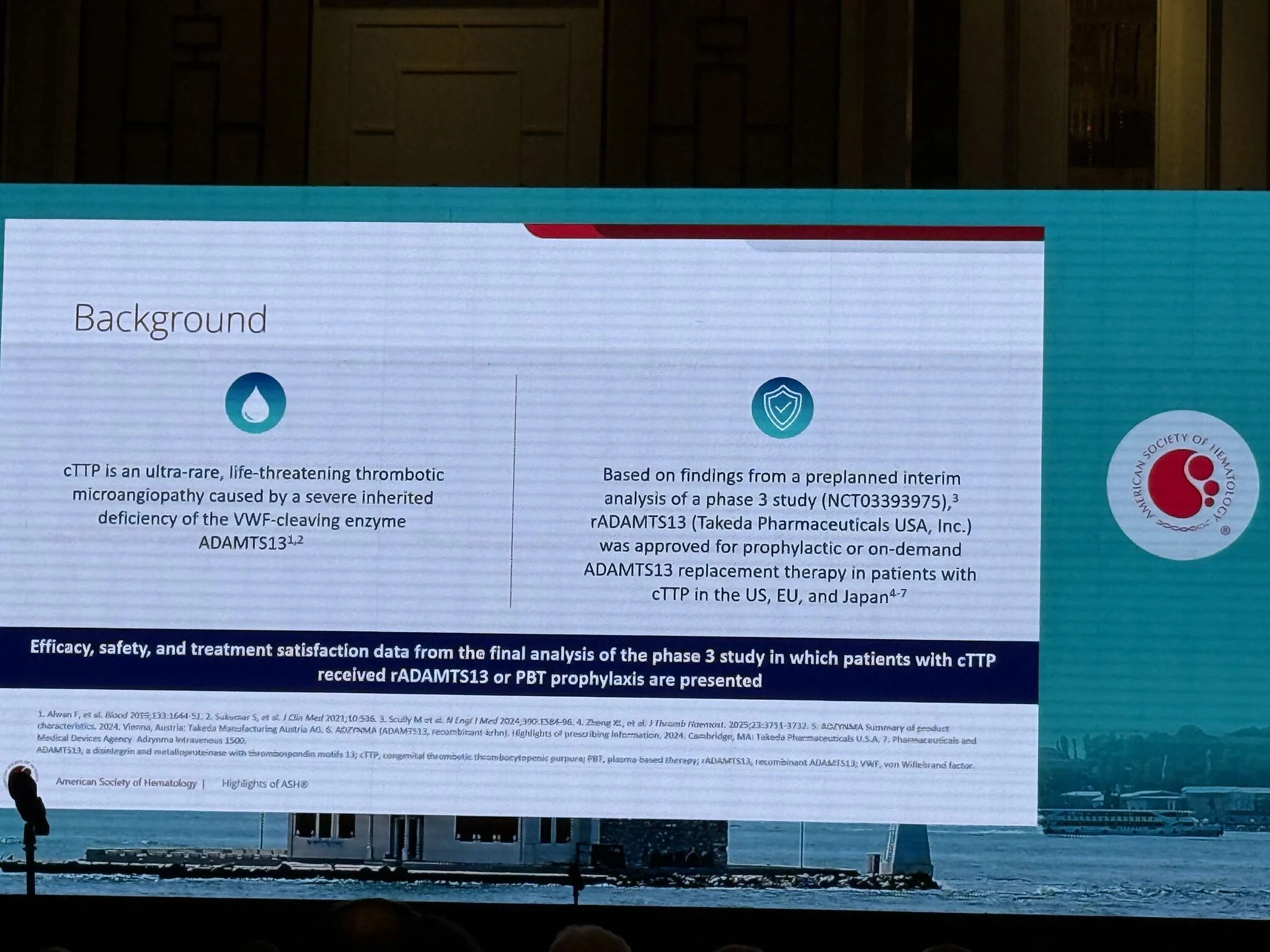
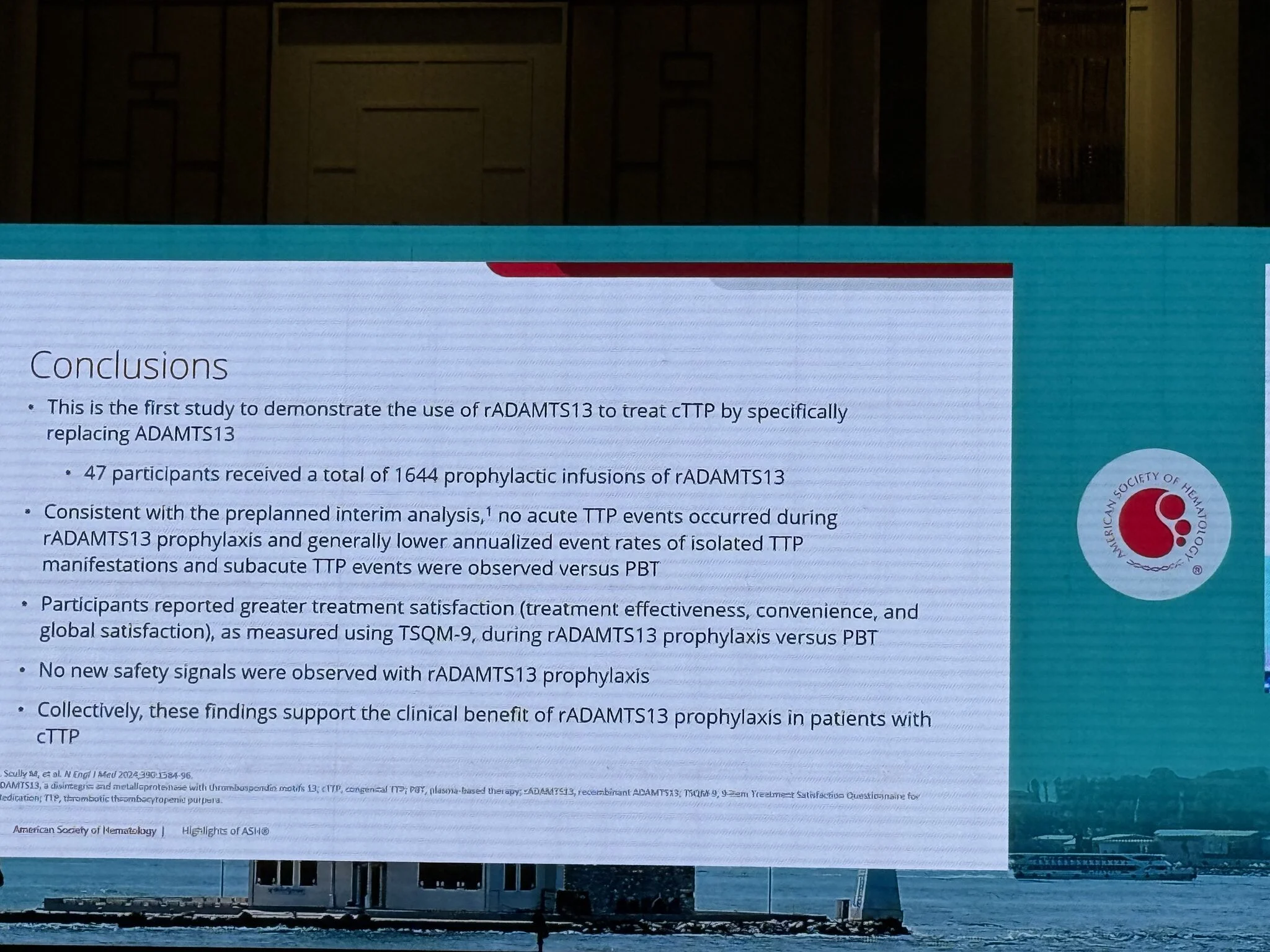
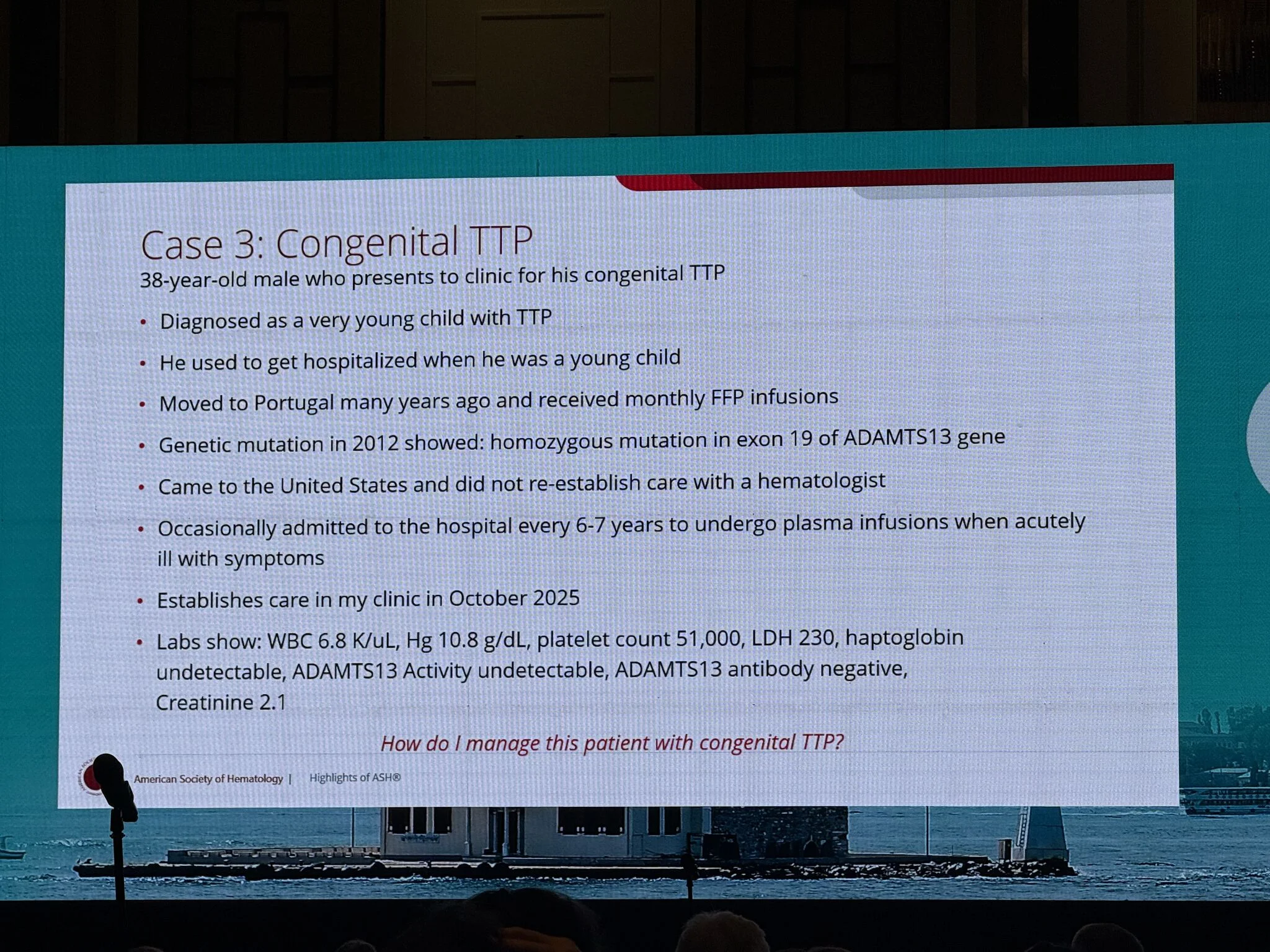
The session also highlighted a clinical case discussion and phase 3 data on recombinant ADAMTS13 (rADAMTS13) replacement therapy:
- Demonstrated favorable efficacy and safety profile
- Approved in the US, EU, and Japan for both prophylactic and on-demand use
- Represents a paradigm shift in long-term cTTP management, reducing dependence on plasma infusions
This lecture clearly underscored that TTP treatment is entering a new era of mechanism-based and targeted therapy.
Integrating these advances into national practice remains crucial, particularly with regard to laboratory capacity, ADAMTS13 monitoring, and access to innovative therapeutics in our region.”
“ASH Highlights – Day 3 | Dual Antithrombotic Therapy in Acute VTE
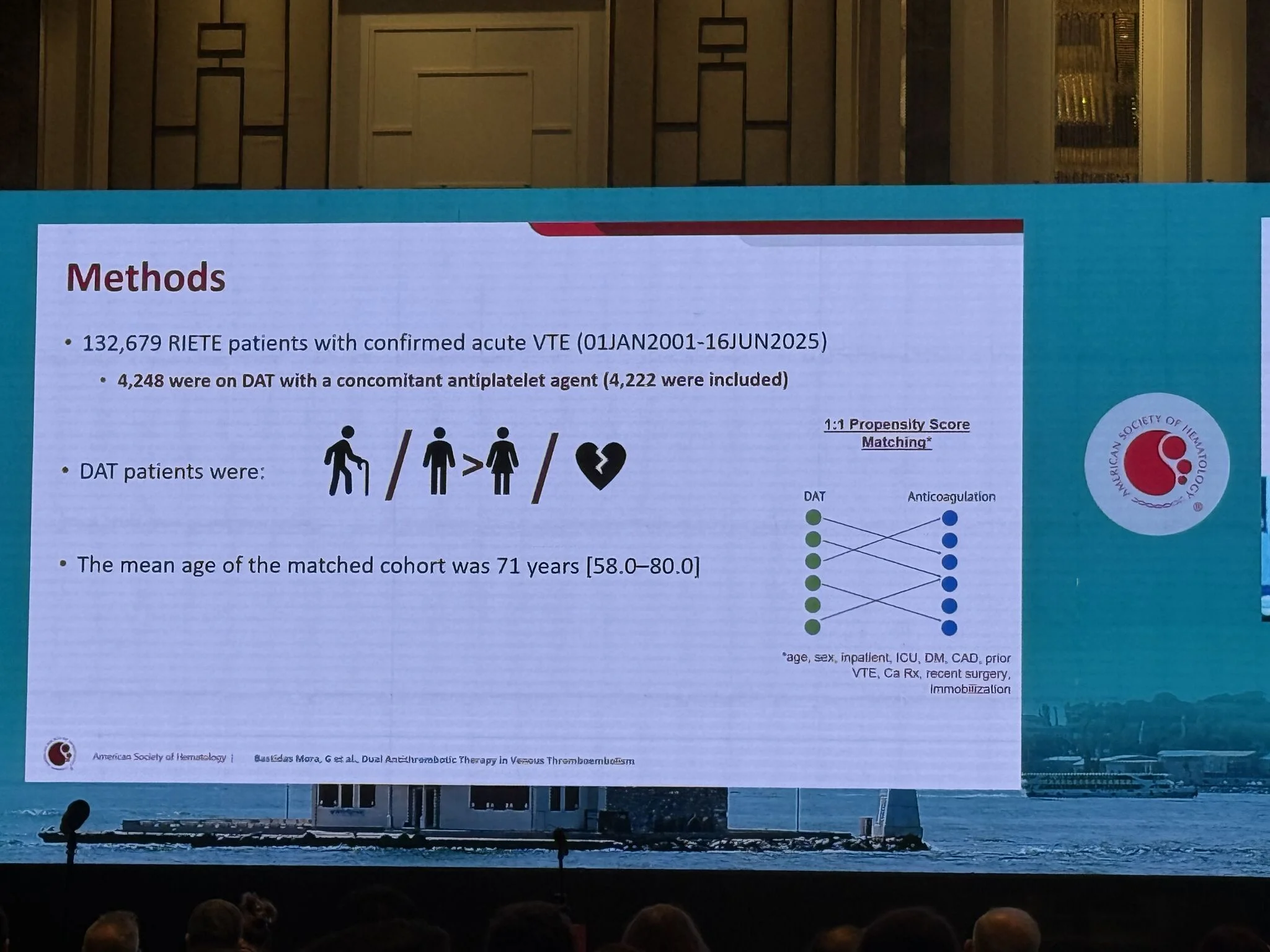
One of the most thought-provoking sessions of the third day focused on the role of dual antithrombotic therapy (DAT) in patients with acute venous thromboembolism (VTE), based on large RIETE registry data and propensity-matched analysis.
Study population:
- 132,679 patients with confirmed acute VTE (2001–2025)
- 4,248 received dual therapy with concomitant antiplatelet treatment
- Mean age of the matched cohort: 71 years
Key Findings
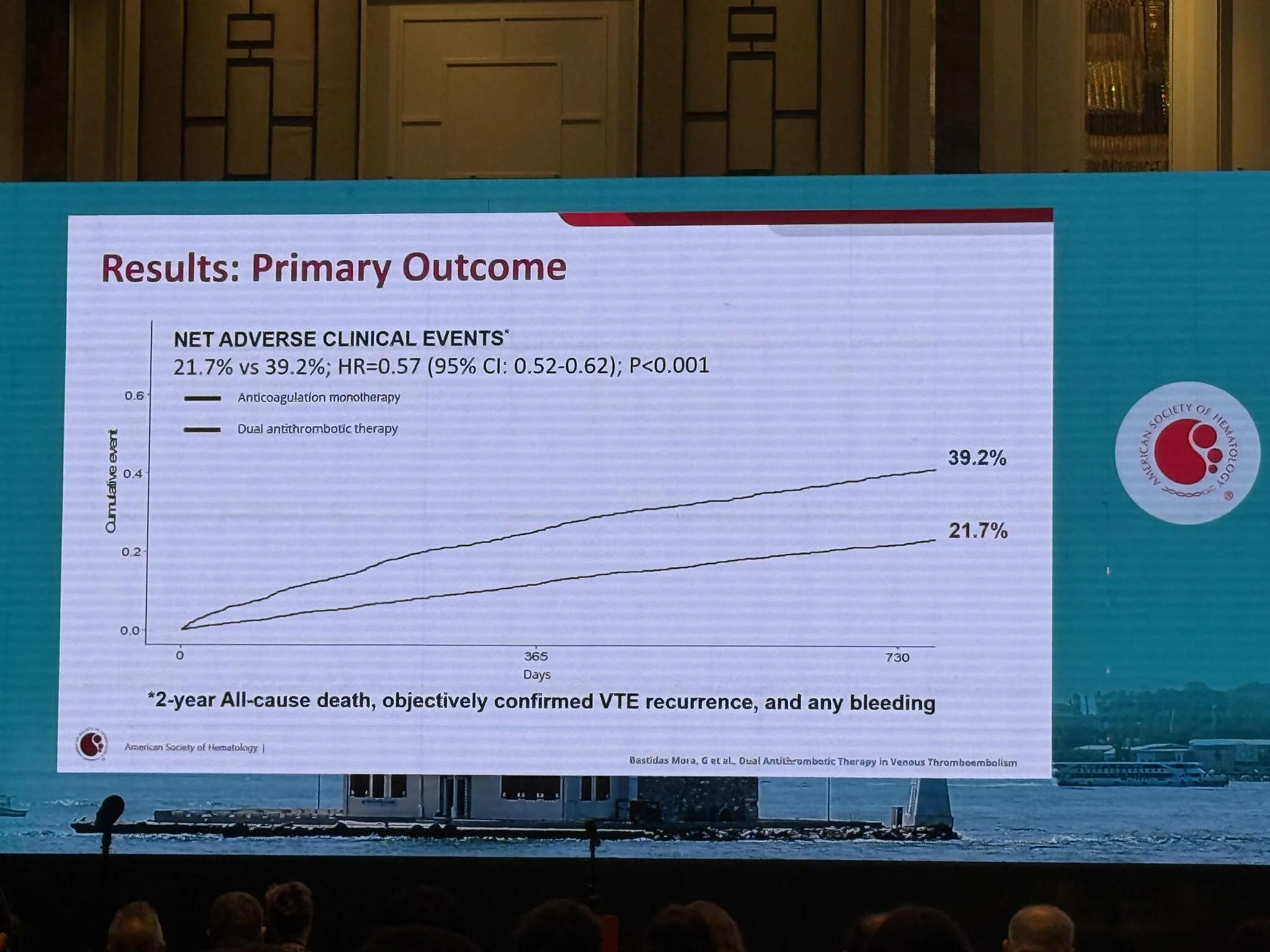
Primary Outcomes (2-year follow-up):
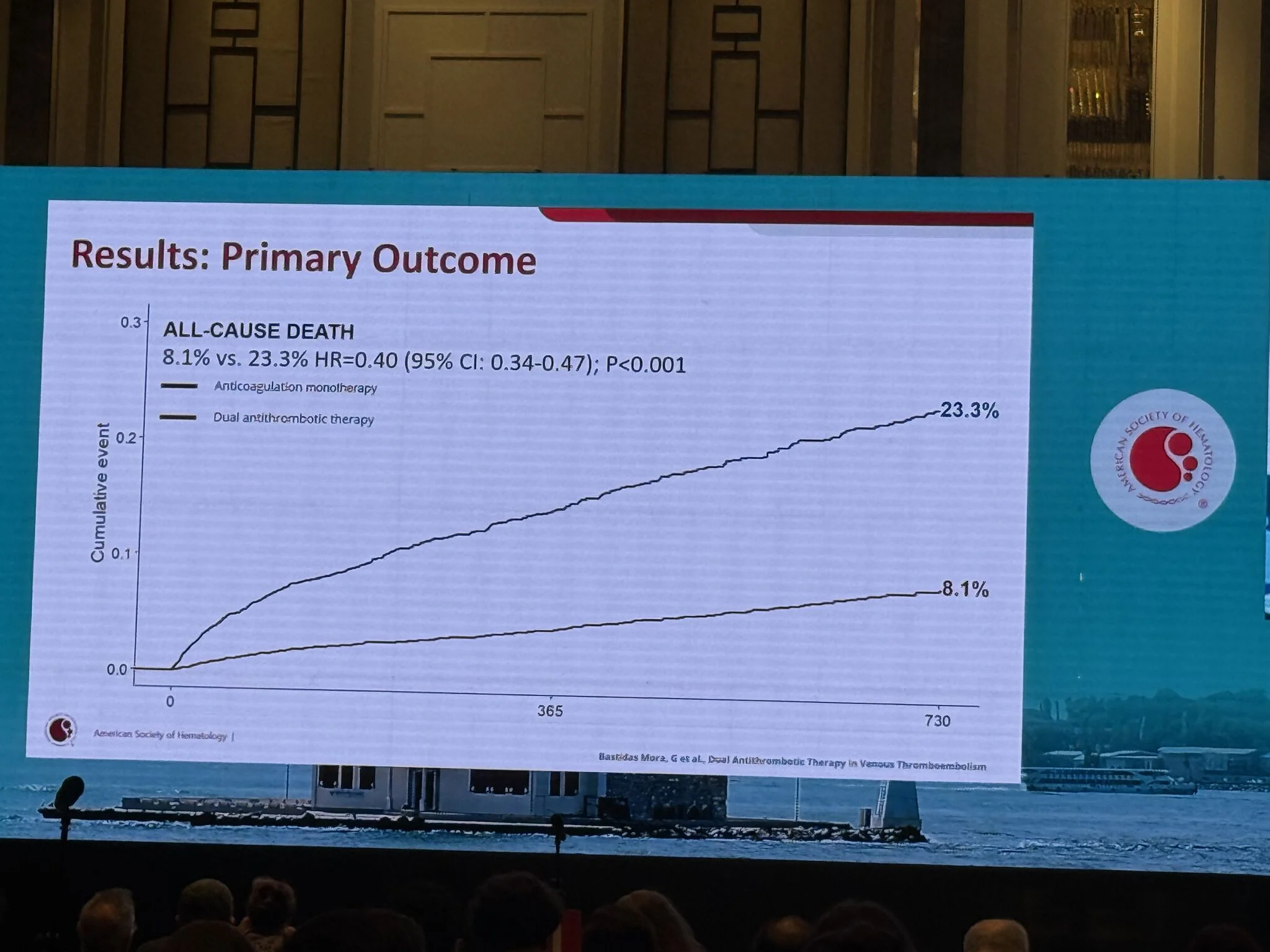
- All-cause mortality: 8.1% vs. 23.3%
HR 0.40 (95% CI 0.34–0.47), P<0.001 - Net adverse clinical events (NACE): 21.7% vs. 39.2%
HR 0.57 (95% CI 0.52–0.62), P<0.001
These results suggest a substantial reduction in mortality and overall adverse events among patients receiving DAT compared with anticoagulation alone.
Secondary Outcomes:
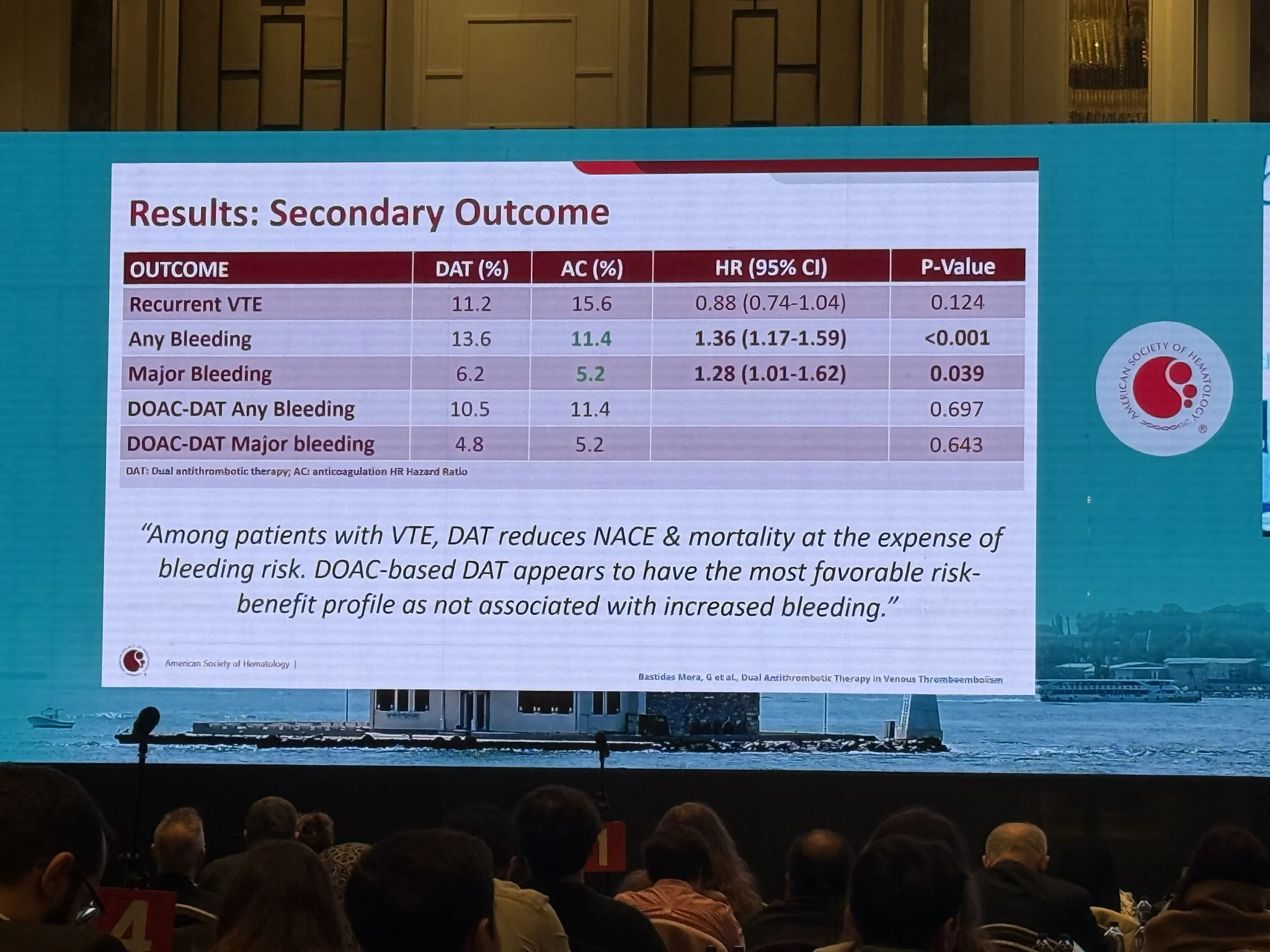
- Recurrent VTE: no statistically significant difference
- Increased bleeding risk observed with DAT
(Any bleeding HR 1.36; Major bleeding HR 1.28)
Importantly, DOAC-based dual therapy appeared to demonstrate a more favorable risk–benefit profile, without a significant increase in bleeding compared with anticoagulation monotherapy.
Mechanistic Insights
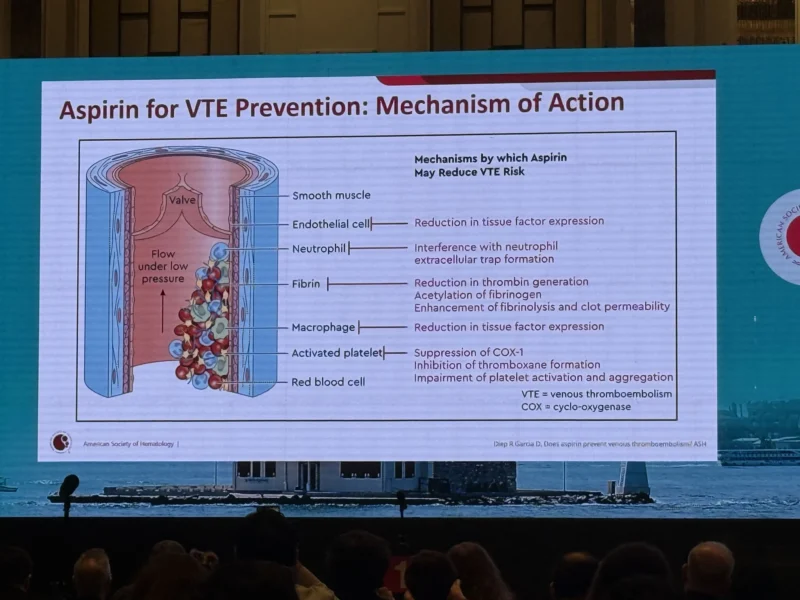
The session also revisited aspirin’s role in VTE prevention, highlighting pleiotropic mechanisms beyond platelet COX-1 inhibition, including:
- Modulation of tissue factor expression
- Effects on thrombin generation
- Interference with neutrophil extracellular trap formation
- Enhancement of fibrinolysis
Clinical Reflection
This analysis challenges us to reconsider how we individualize therapy in older, high-risk VTE populations—particularly those with concomitant cardiovascular disease requiring antiplatelet therapy.
Balancing thrombotic protection against hemorrhagic risk remains central to precision hemostasis.
Grateful to be part of these stimulating scientific discussions that continue to refine our understanding of thrombosis management.”
“ASH Highlights 2026 | Racial and Ethnic Disparities in the Diagnosis of VTE in Pregnancy
One of the most compelling sessions explored racial and ethnic disparities in the diagnosis and healthcare utilization patterns of venous thromboembolism (VTE) during pregnancy.
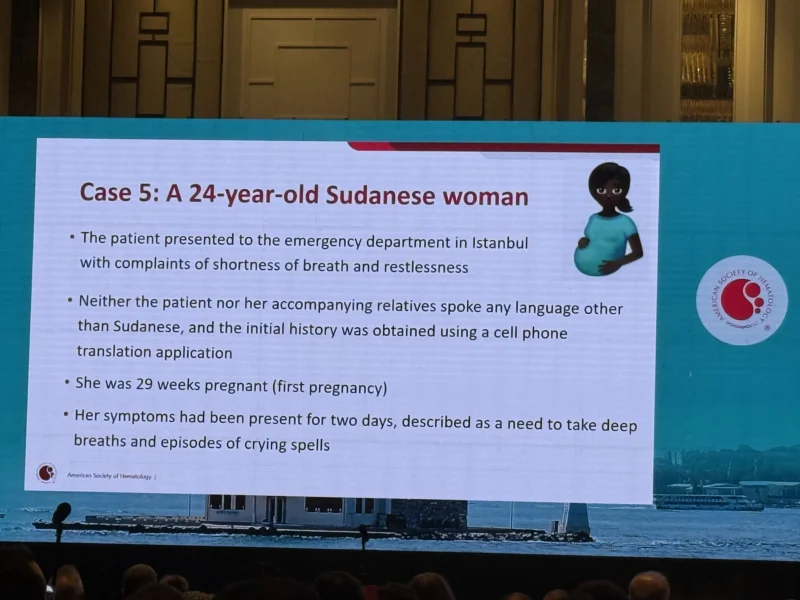
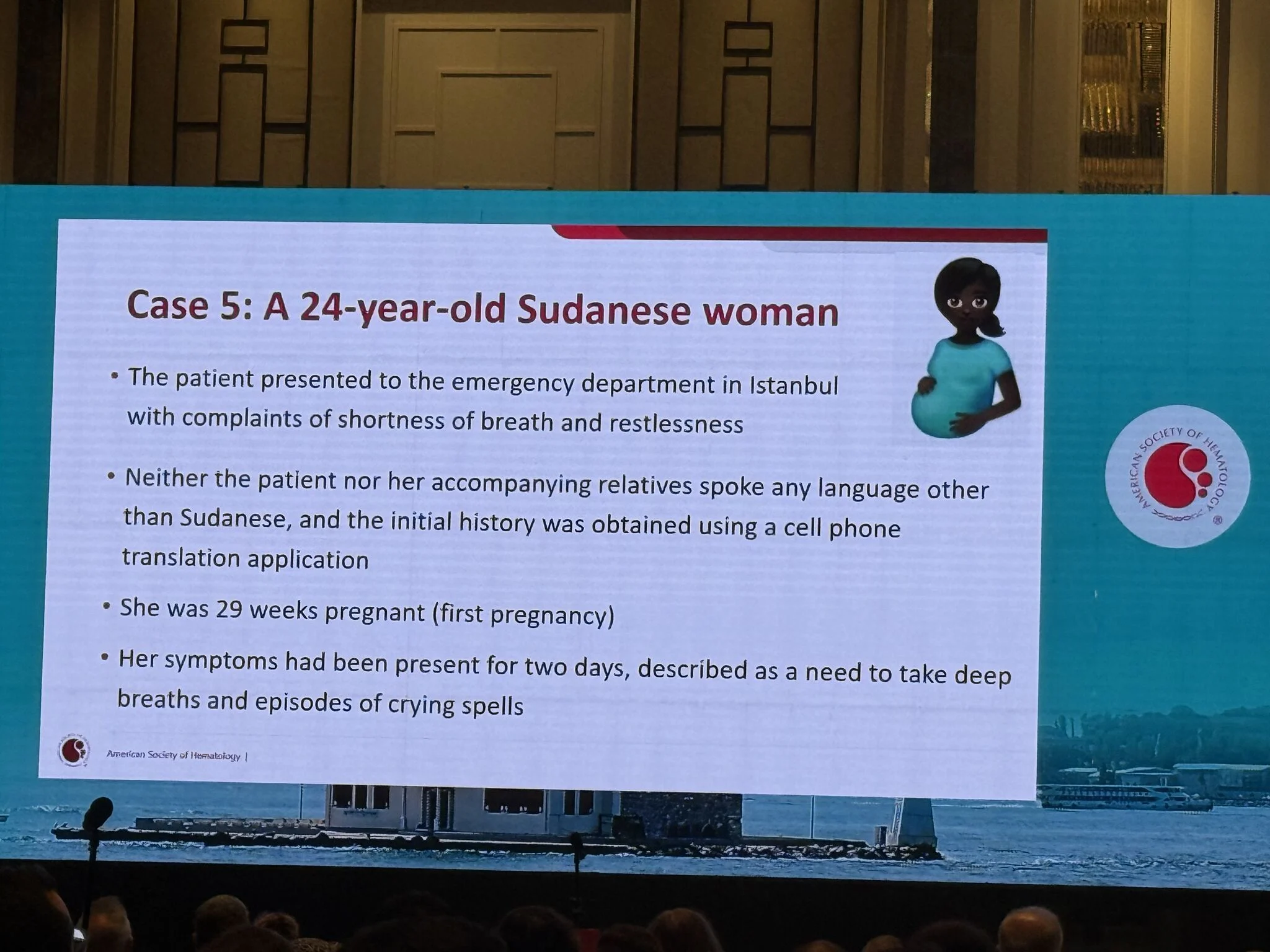
The presentation began with a clinical vignette: a 24-year-old pregnant Sudanese woman presenting with dyspnea and restlessness. Beyond the clinical suspicion of VTE, the case highlighted critical real-world barriers—language limitations, communication gaps, and potential diagnostic delay.
Study Overview
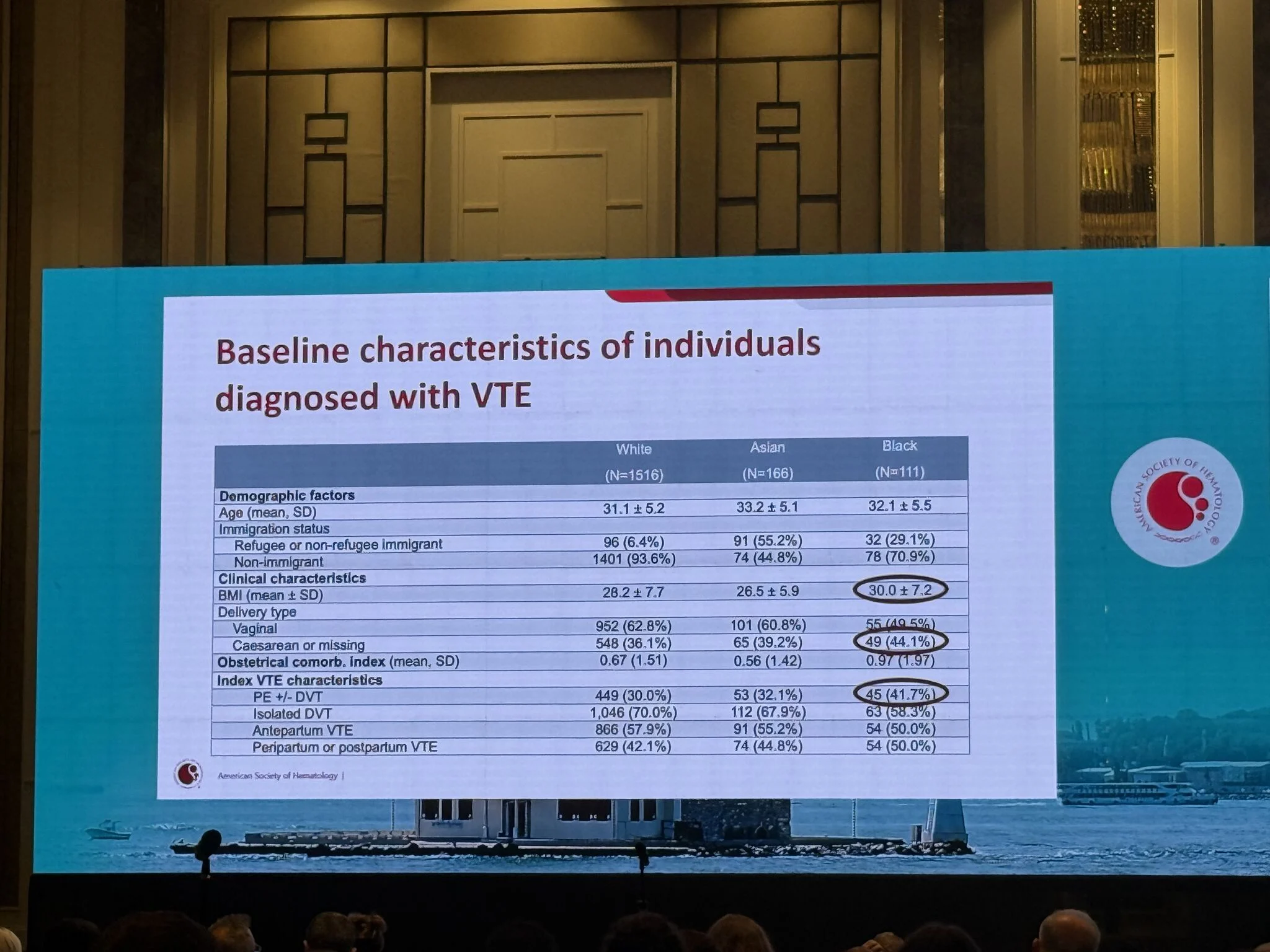
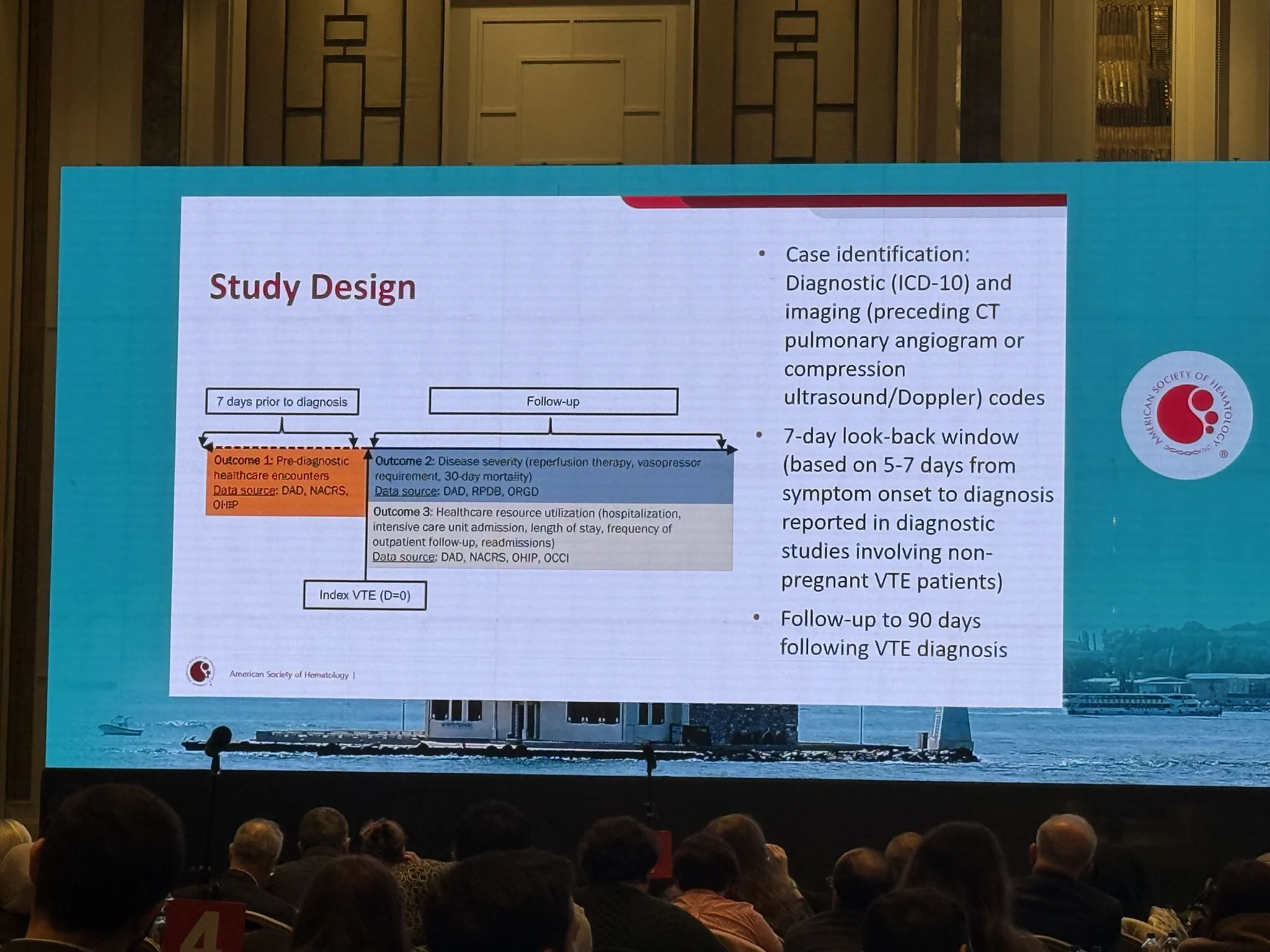
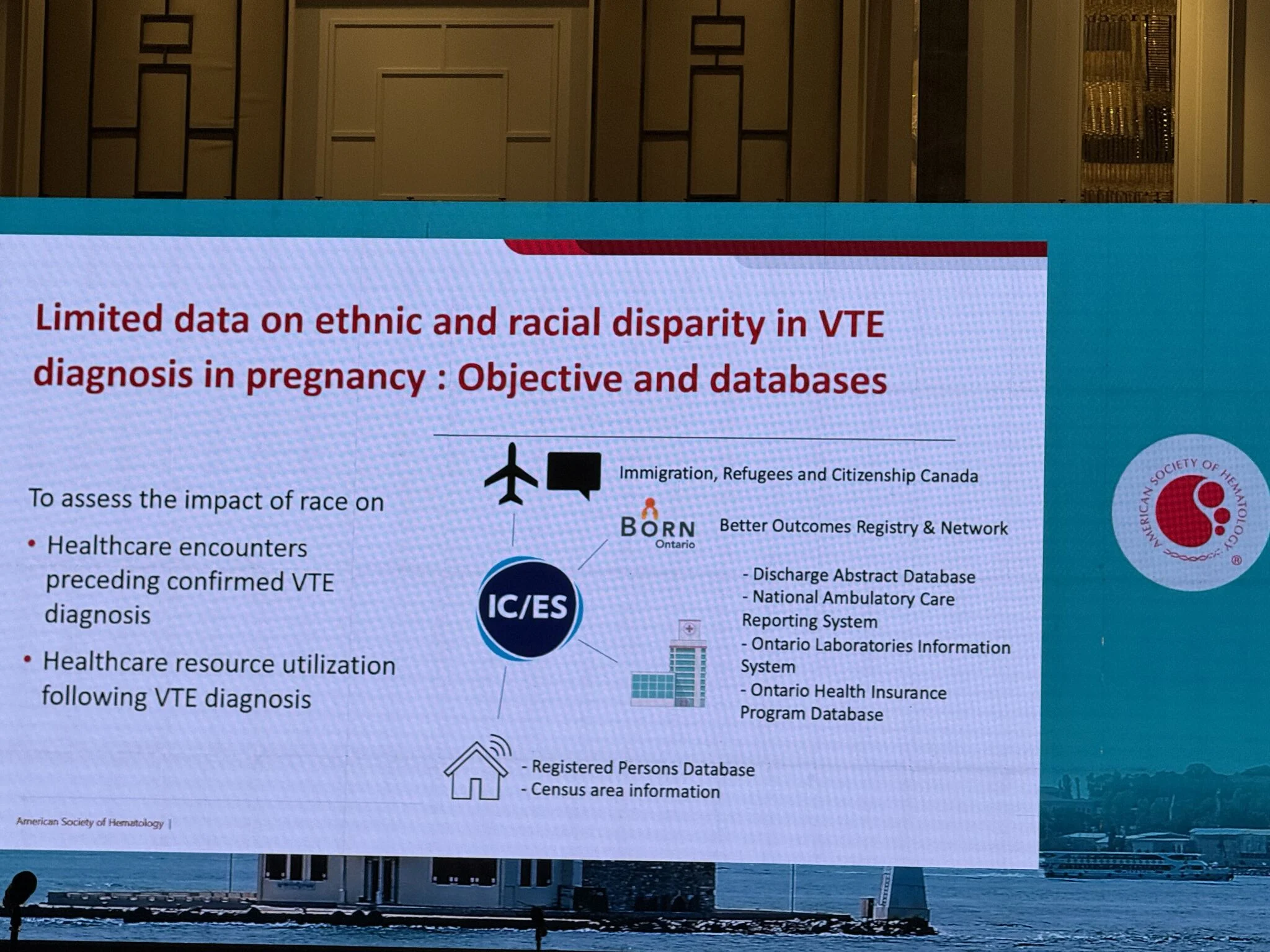
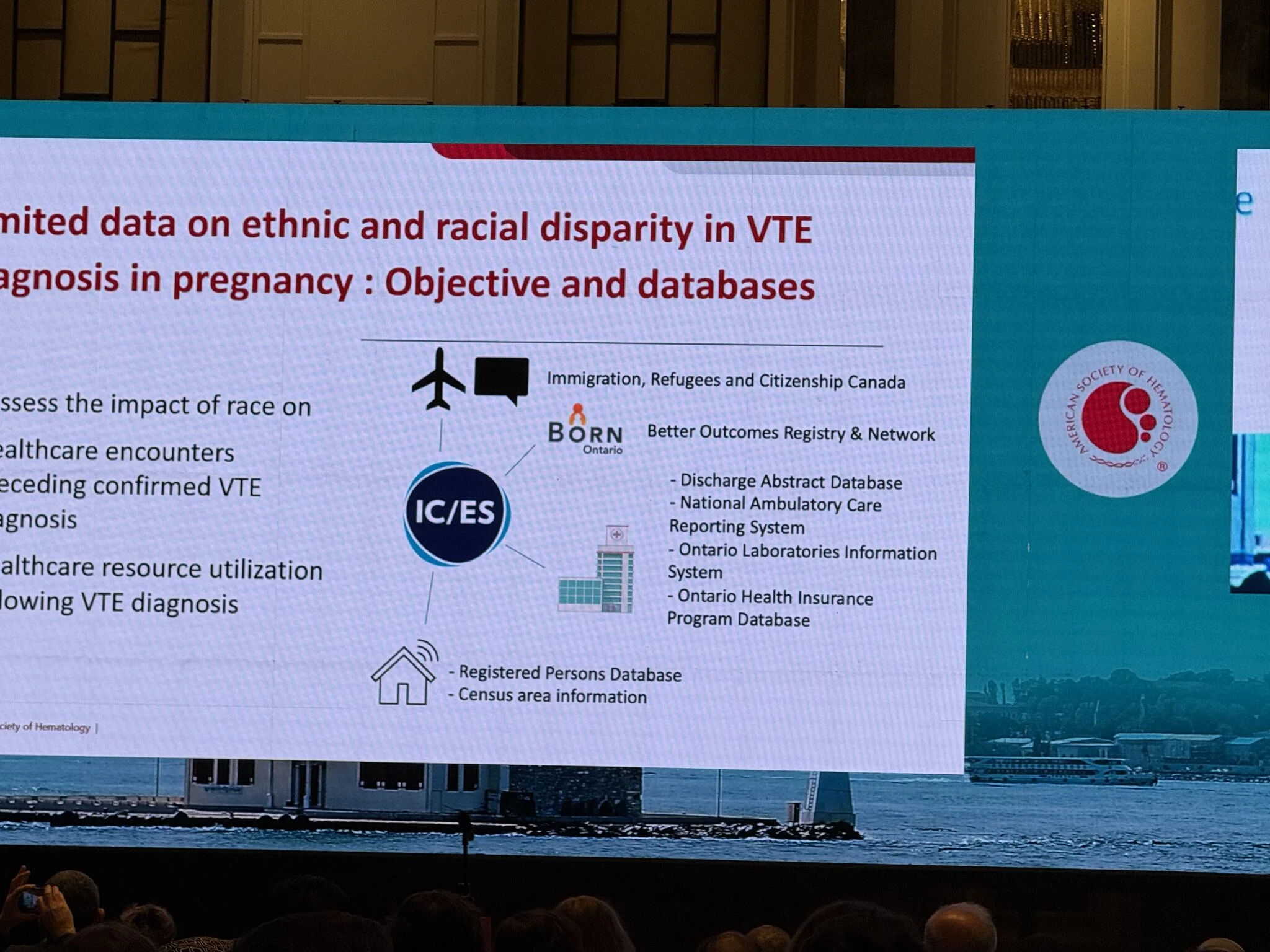
Using large population-based administrative and clinical databases (ICES, BORN Ontario, Immigration and Citizenship registries, laboratory and hospital datasets), investigators examined:
- Healthcare encounters preceding confirmed VTE diagnosis
- Resource utilization following VTE diagnosis
- Racial and ethnic differences in diagnostic patterns
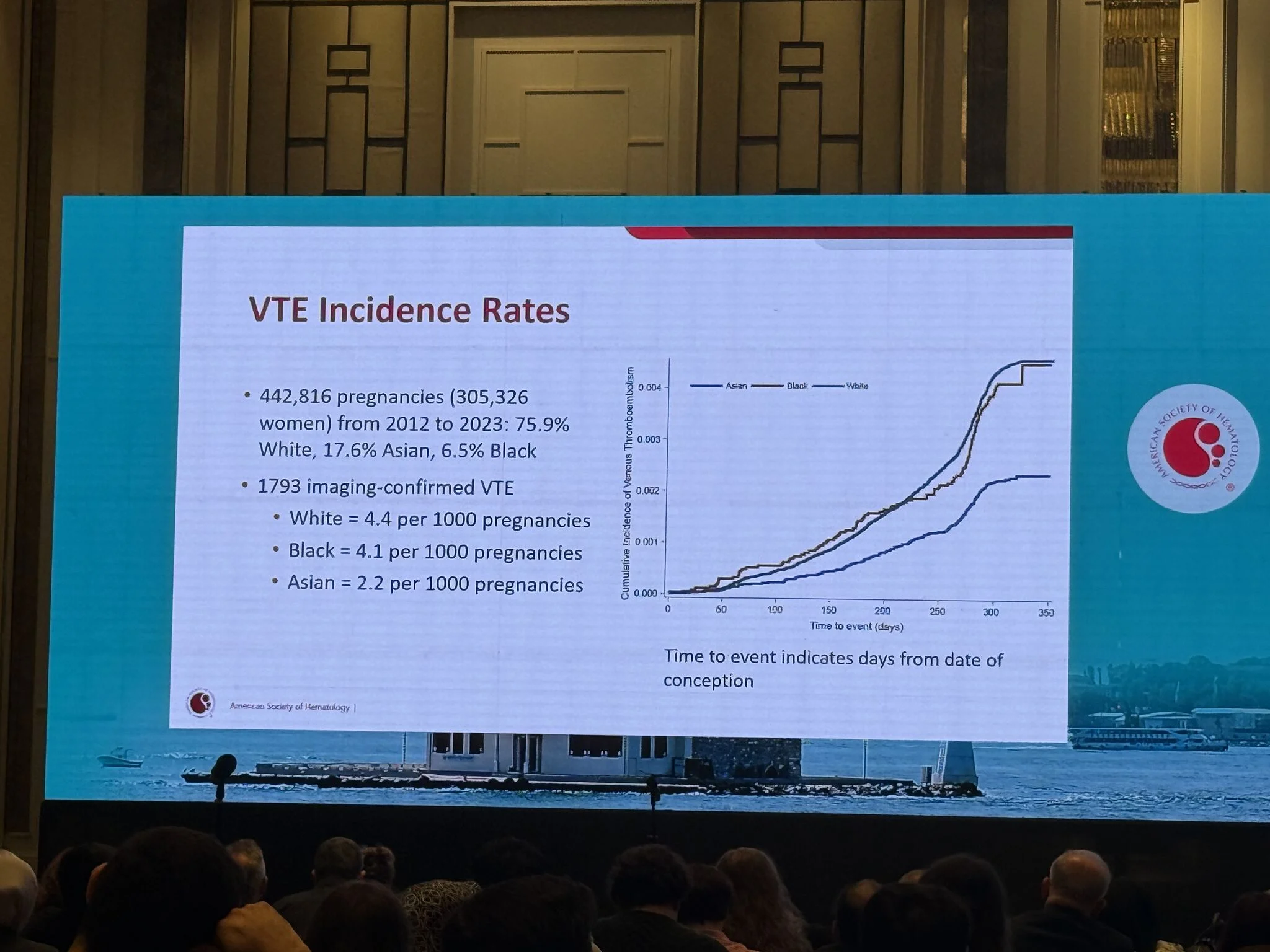
The cohort included 442,816 pregnancies (2012–2023) with 1,793 imaging-confirmed VTE events.
Key Findings
VTE incidence per 1000 pregnancies:
- White: 4.4
- Black: 4.1
- Asian: 2.2
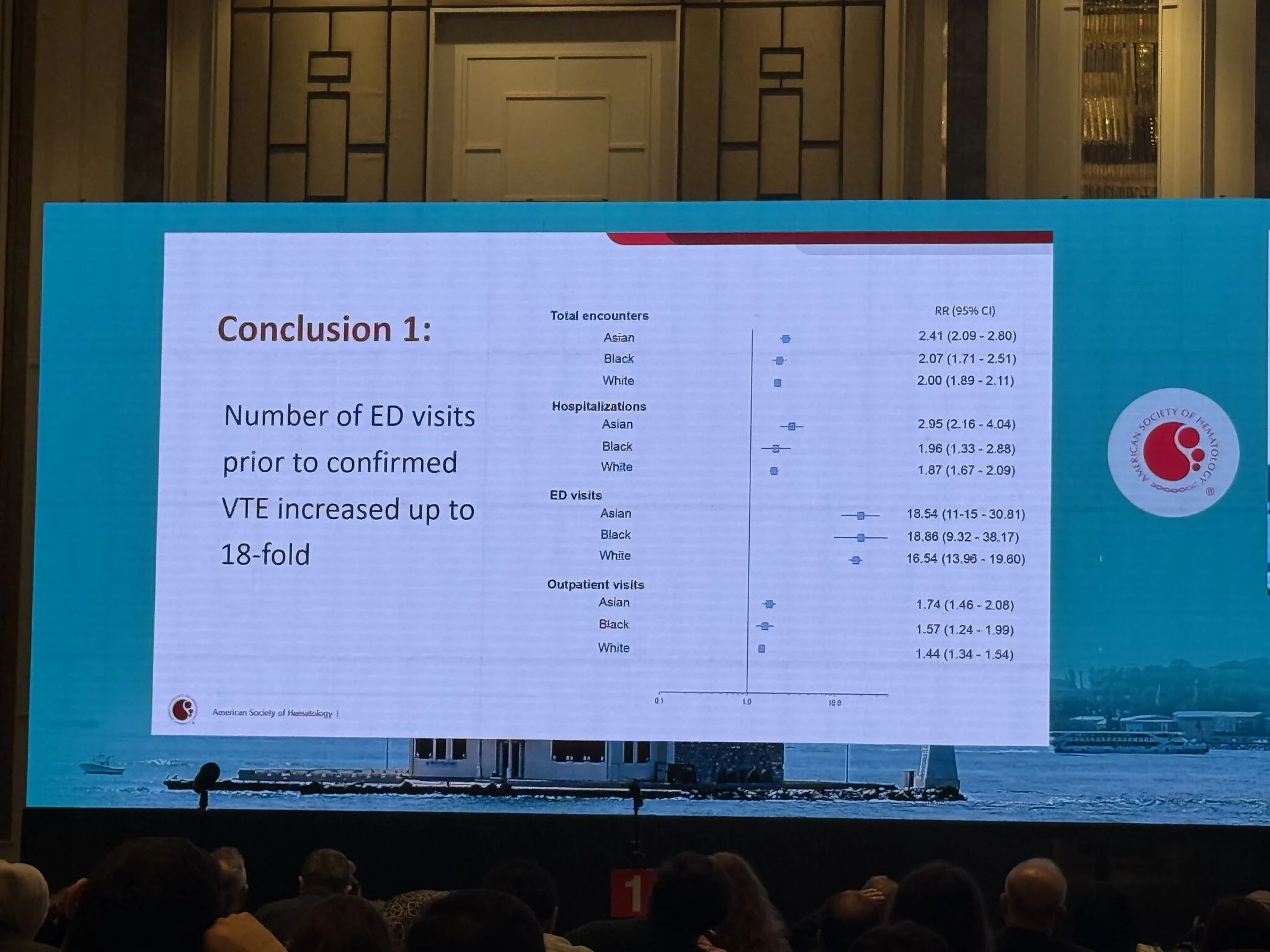
Prior to confirmed VTE, emergency department visits increased dramatically—up to 18-fold higher in some groups—suggesting missed opportunities for earlier diagnosis.
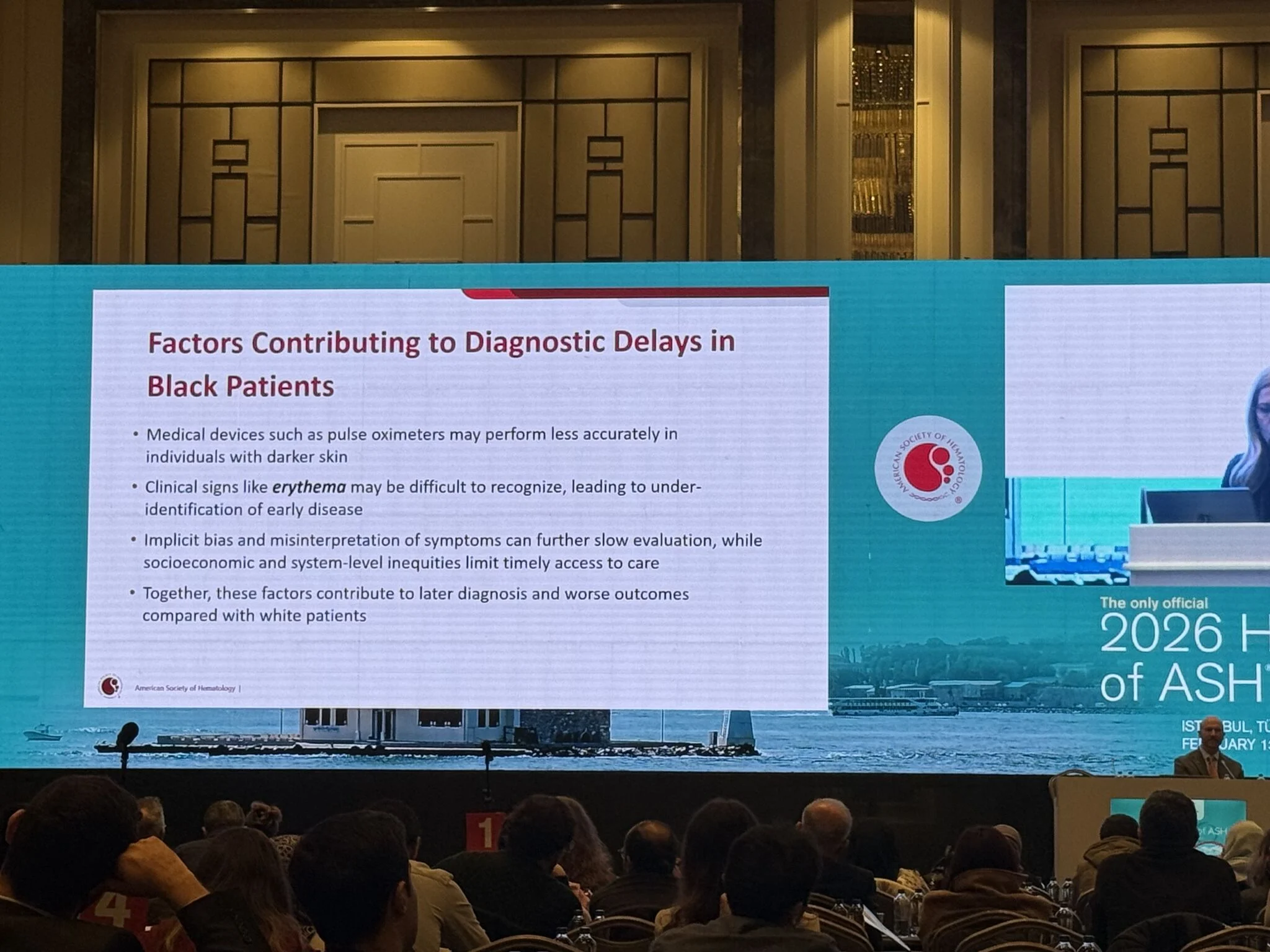
Black patients were more likely to experience diagnostic delays influenced by:
- Reduced pulse oximeter accuracy in darker skin tones
- Under-recognition of clinical signs such as erythema
- Implicit bias and systemic inequities
- Communication barriers
Practice Implications
The session emphasized that:
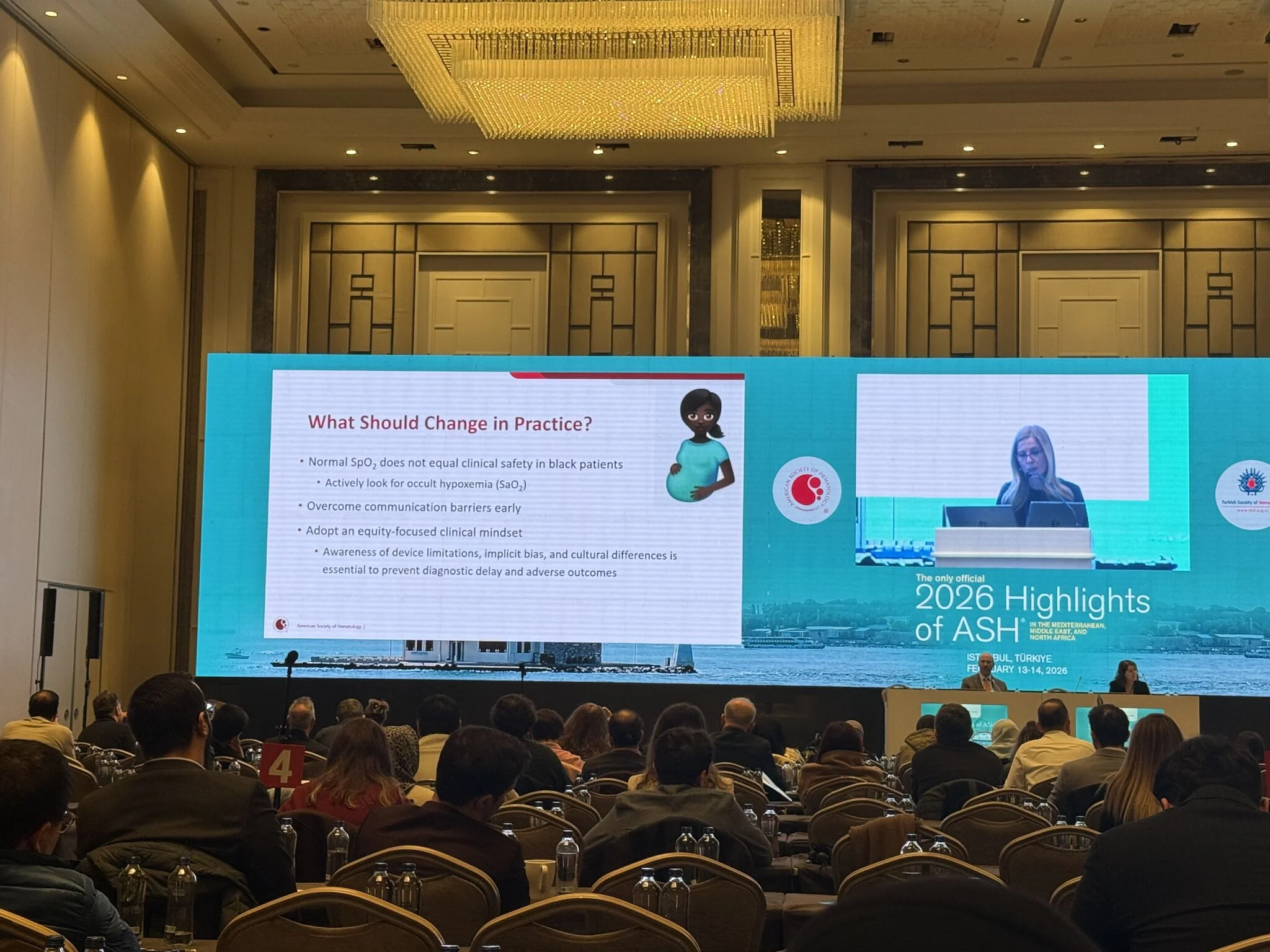
- A ‘normal’ SpO₂ does not guarantee safety in patients with darker skin tones—occult hypoxemia must be considered.
- Equity-focused clinical reasoning is essential.
- Awareness of device limitations, implicit bias, and cultural barriers is necessary to prevent delayed diagnosis and adverse outcomes.
Clinical Reflection
This presentation was a powerful reminder that precision medicine must include equity.
Improving VTE outcomes in pregnancy requires not only diagnostic algorithms but also structural awareness and system-level change.
Scientific excellence must go hand in hand with health equity.”
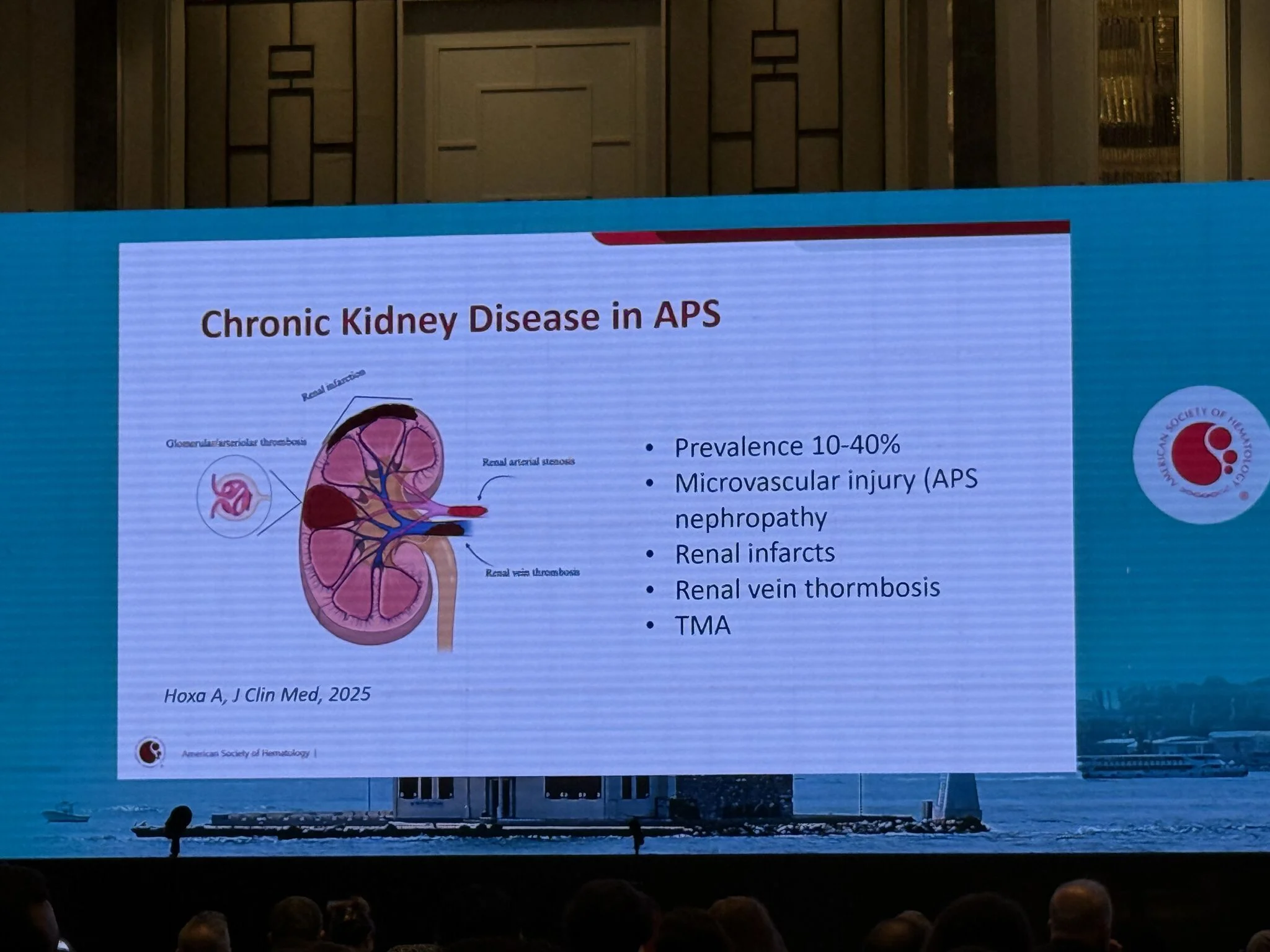
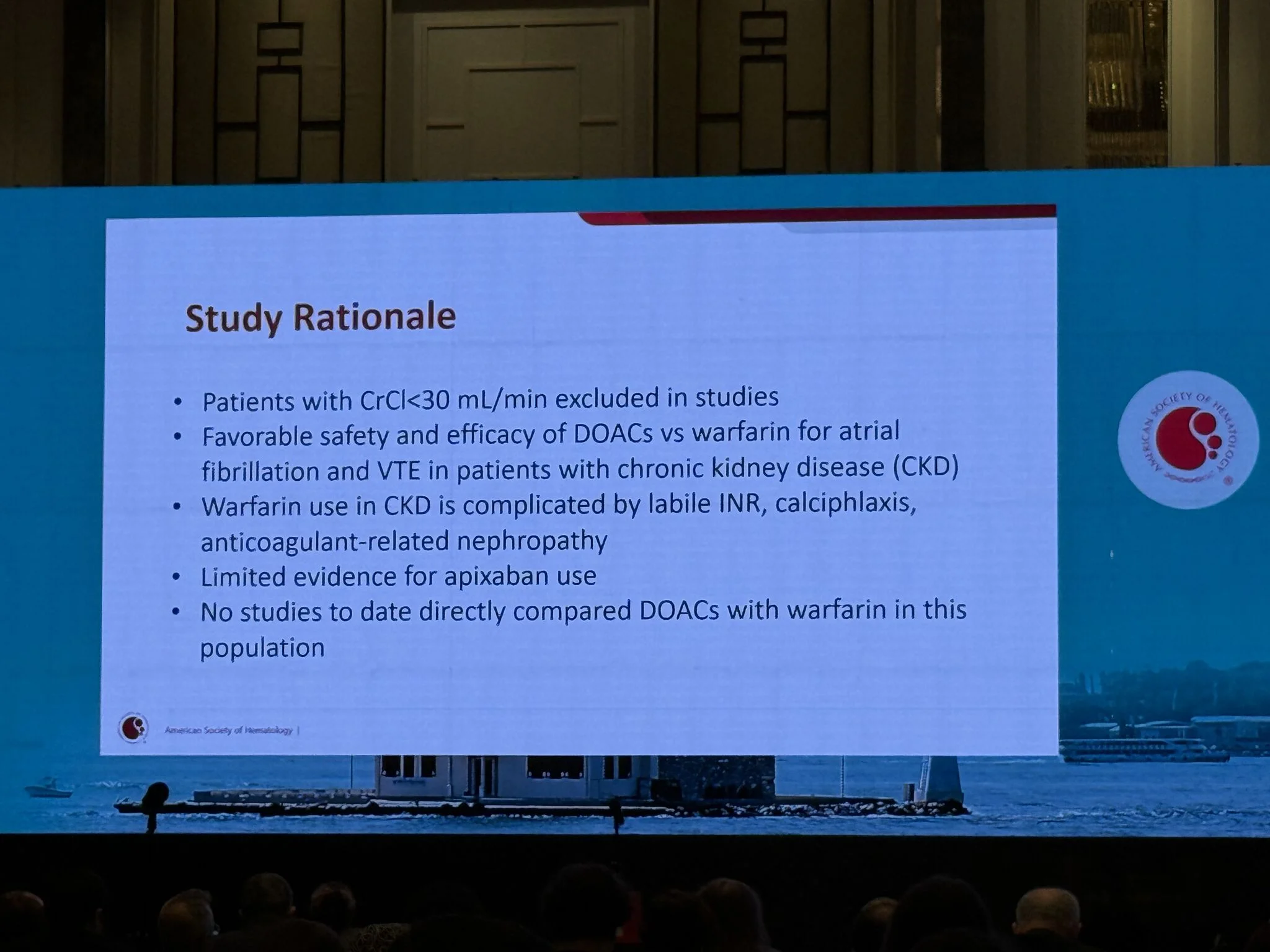
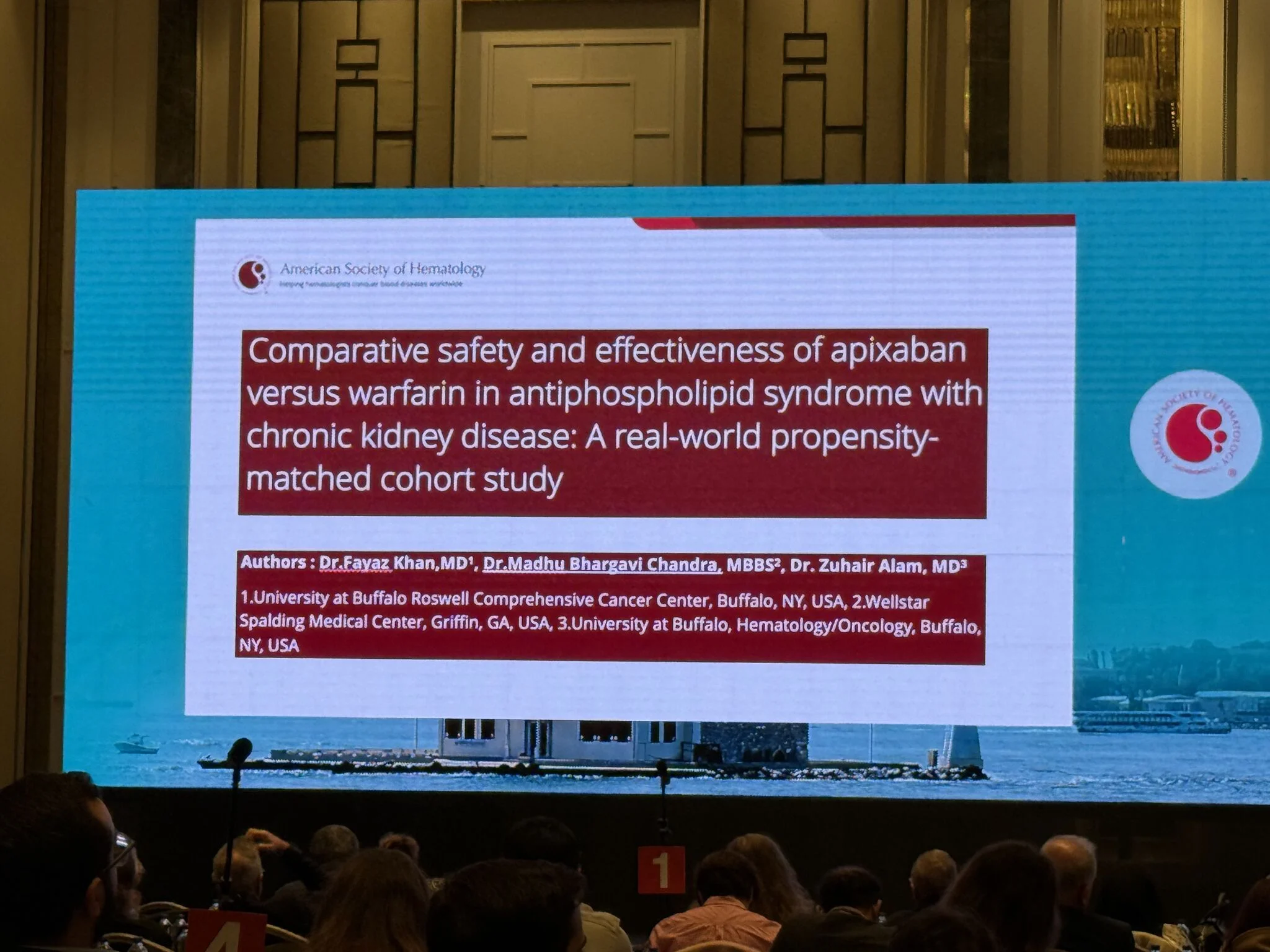
One of the most clinically thought-provoking sessions addressed anticoagulation strategies in patients with thrombotic APS complicated by chronic kidney disease — a population in whom therapeutic decision-making is particularly challenging.
Clinical Case
A 36-year-old woman with APS:
- History of three early pregnancy losses
- Persistent isolated aCL IgG positivity
- Subsequent right tibial vein thrombosis
- Serum creatinine: 3.5 mg/dL (CKD stage 3–5 range)
- Marked INR instability on warfarin (1.1–10)
- Inability to maintain therapeutic anticoagulation
This raised the critical question:
Can a patient with thrombotic APS and CKD be safely switched to a DOAC?
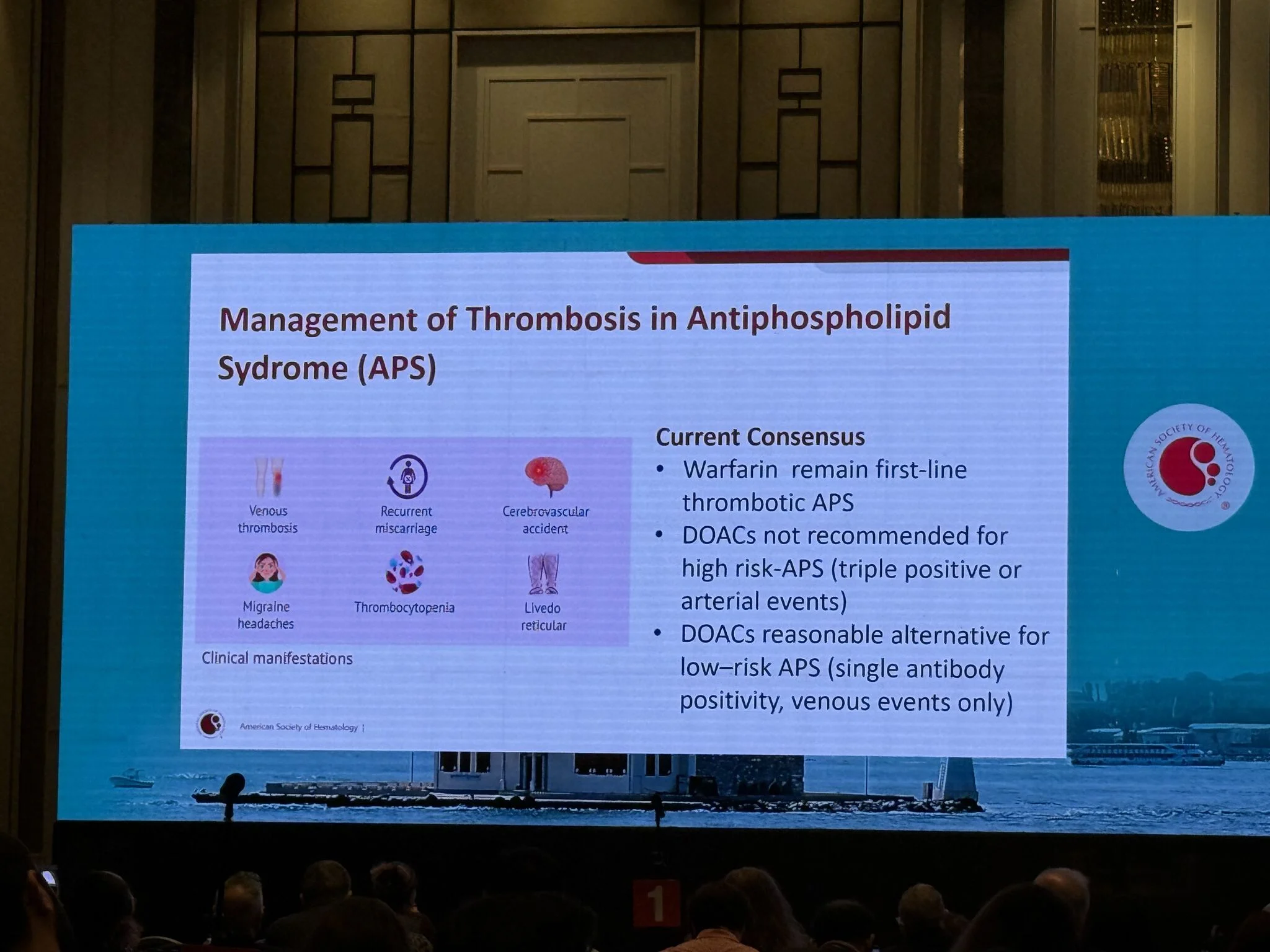
Current Consensus in Thrombotic APS
- Warfarin remains first-line therapy for thrombotic APS.
- DOACs are not recommended in high-risk APS (triple positivity or arterial events).
- DOACs may be considered in selected low-risk APS patients (single antibody positivity, venous events only).
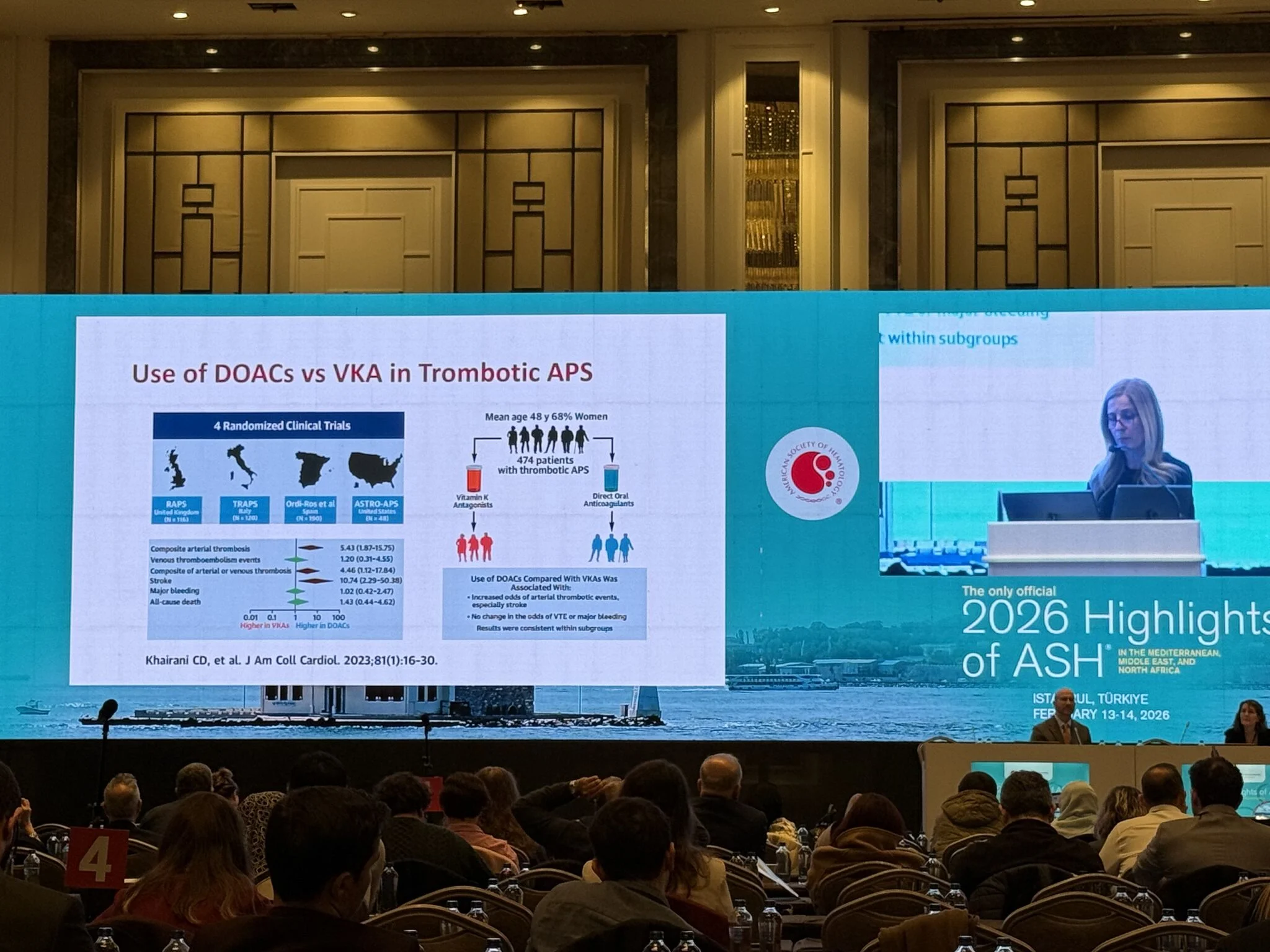
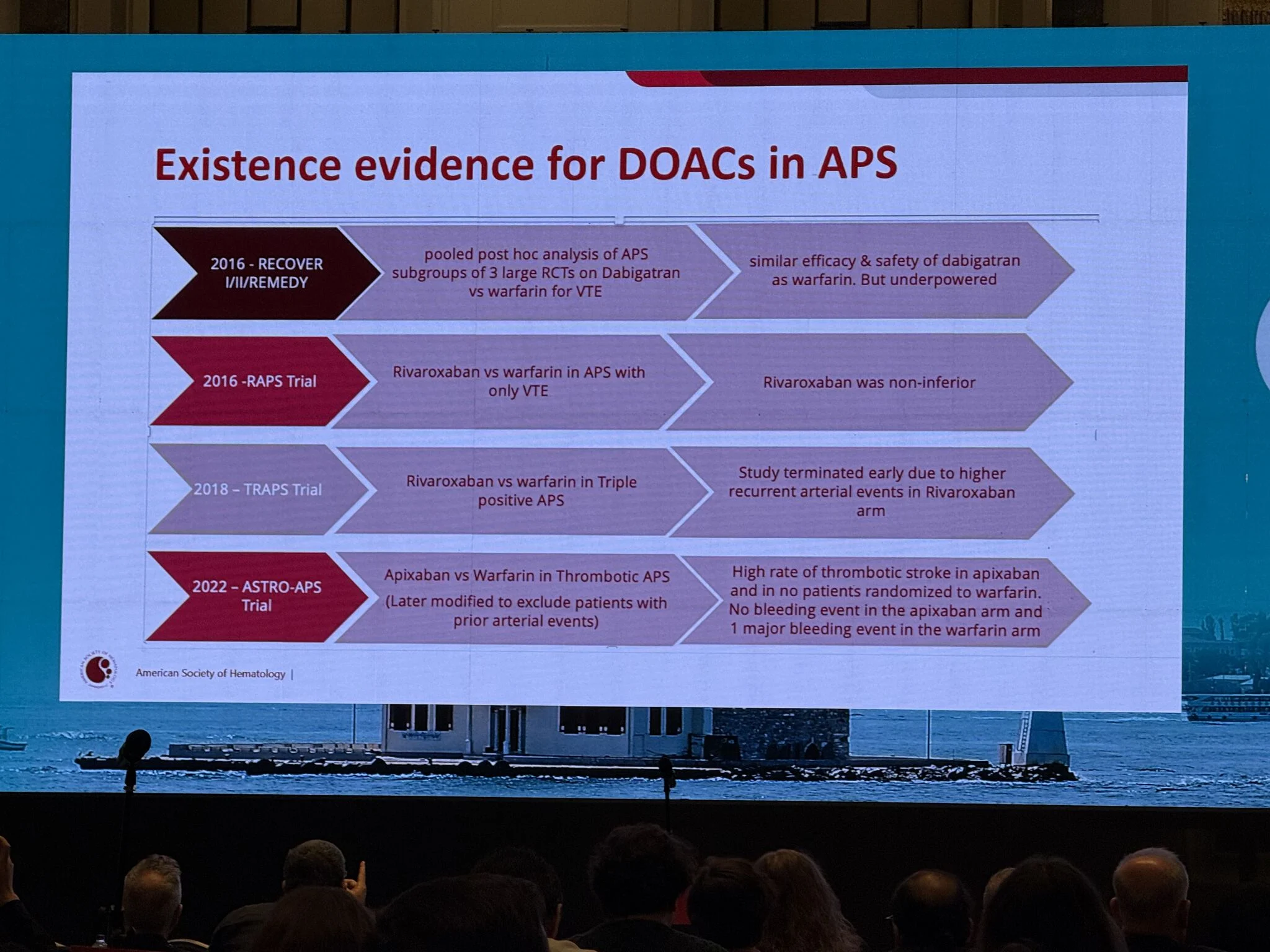
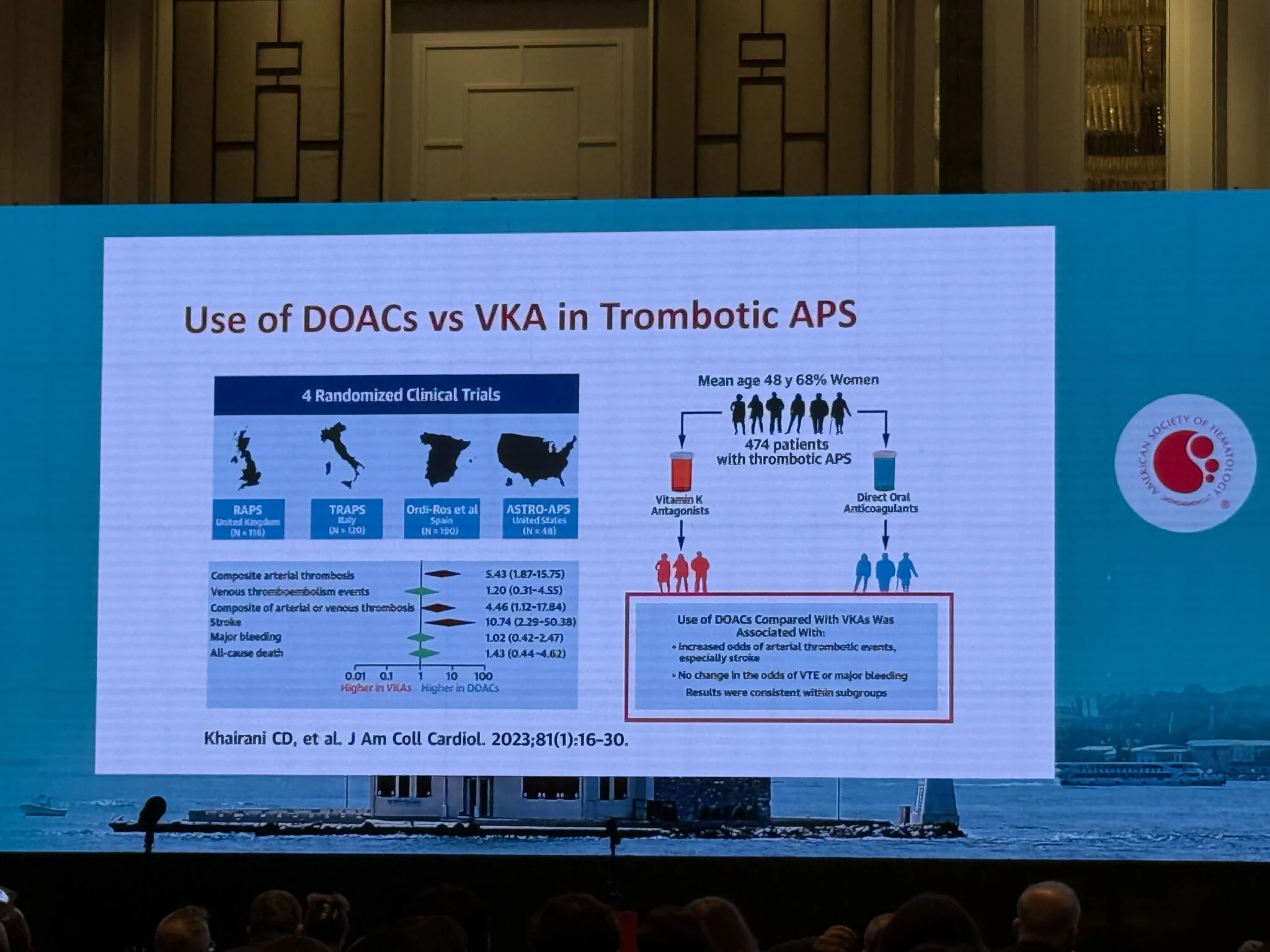
Prior randomized trials have shaped this caution:
- RAPS (2016): Rivaroxaban non-inferior in VTE-only APS.
- TRAPS (2018): Increased recurrent arterial events with rivaroxaban in triple-positive APS.
- ASTRO-APS (2022): Higher thrombotic stroke rates in the apixaban arm.
Collectively, these studies discouraged DOAC use in high-risk APS.
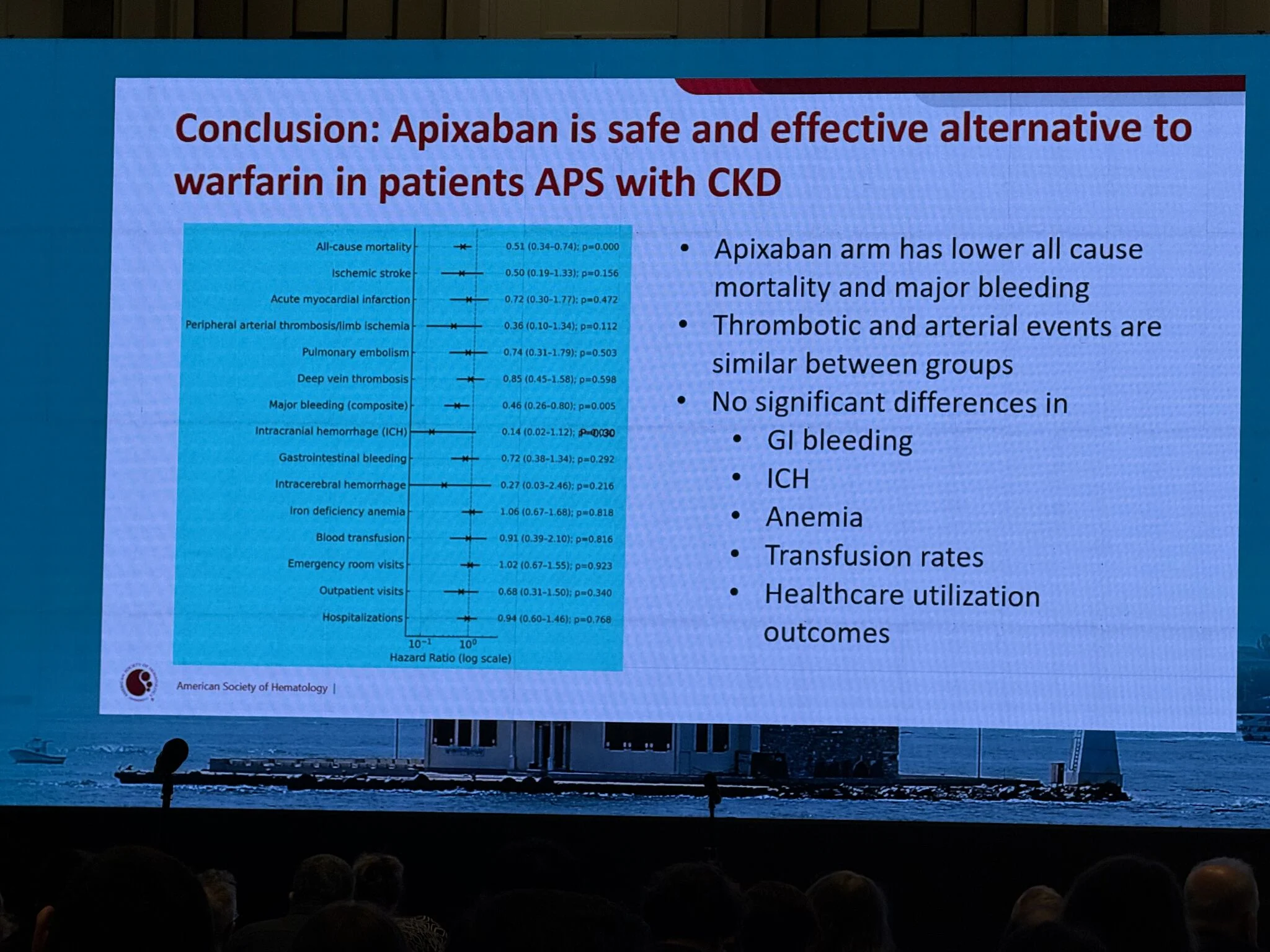
New Real-World Evidence: APS with CKD
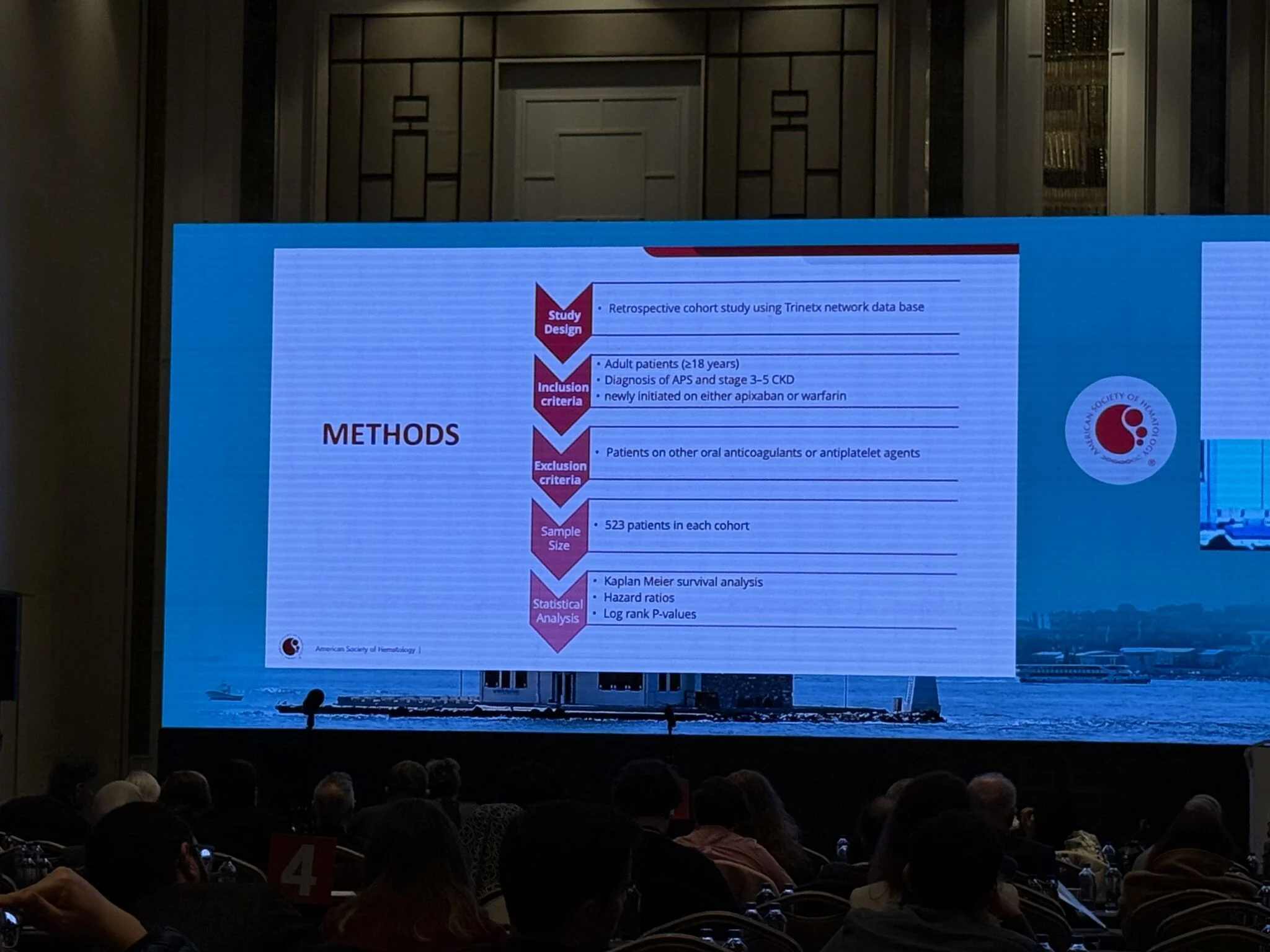
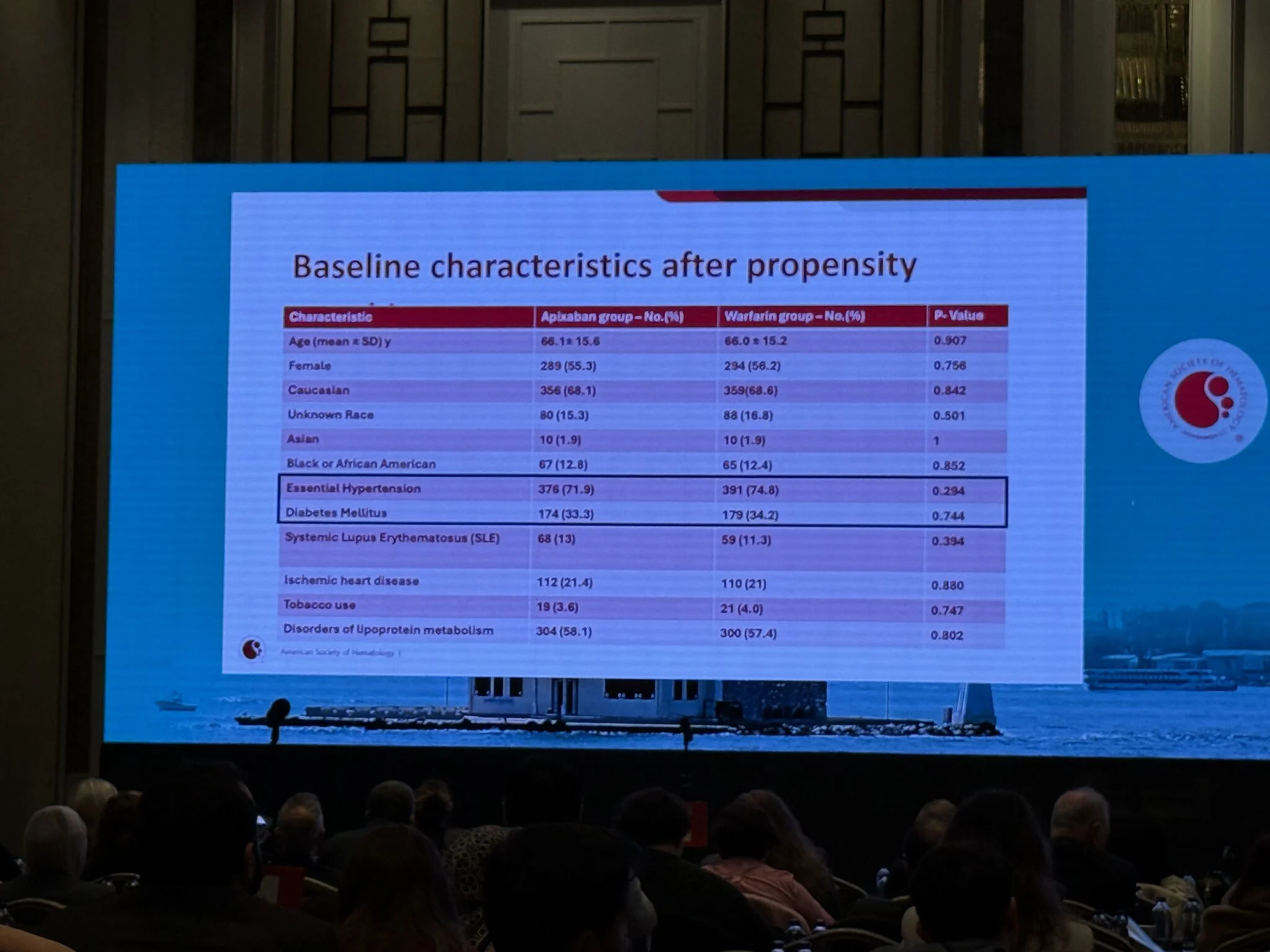
- A retrospective propensity-matched cohort study (TriNetX database) evaluated:
- Adult patients with APS and stage 3–5 CKD
- Newly initiated on apixaban vs warfarin
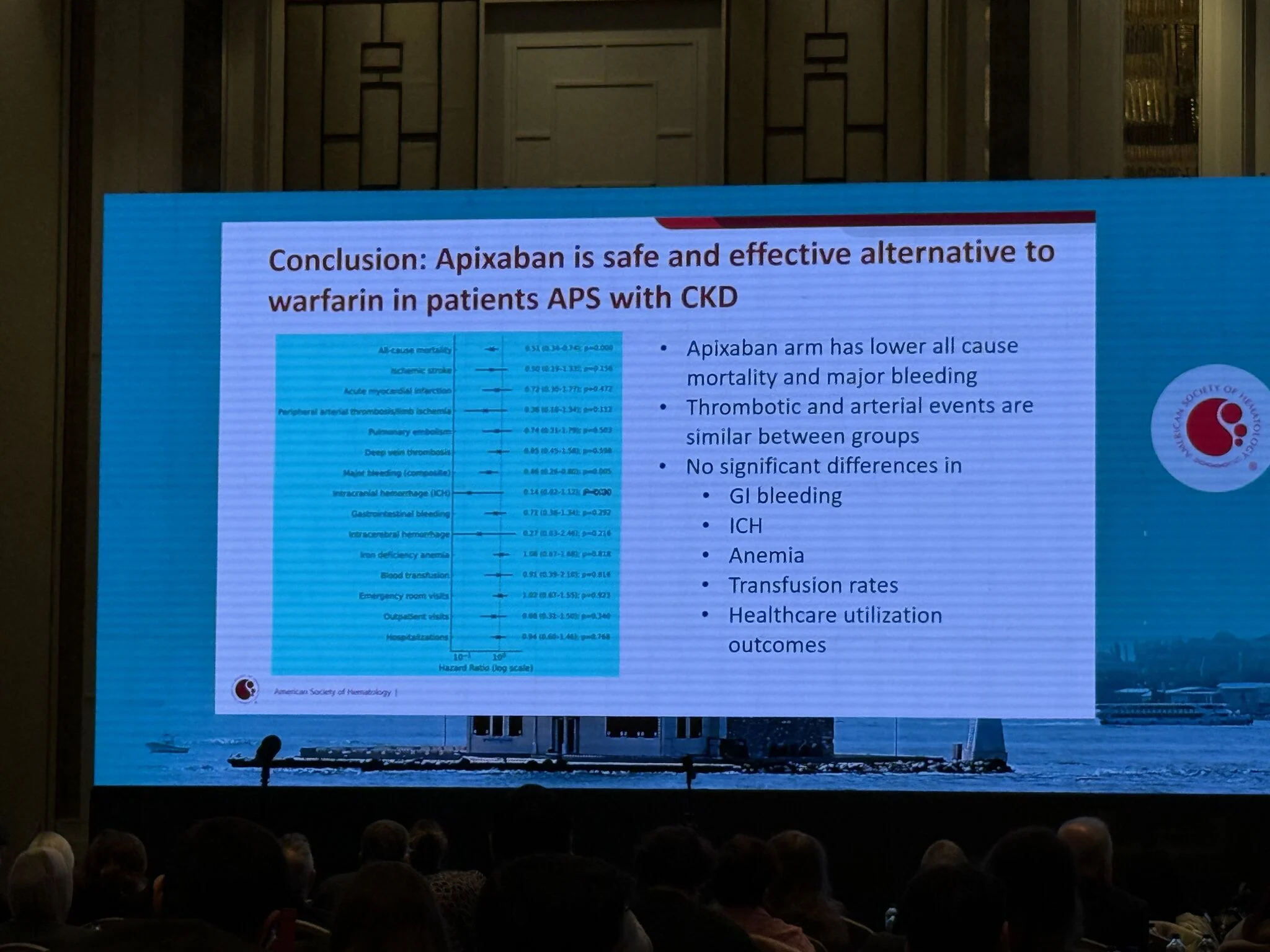
- 523 patients in each cohort
Key Findings:
- Lower all-cause mortality in the apixaban arm
- Reduced major bleeding
- Comparable rates of thrombotic and arterial events
- No significant differences in:
- Gastrointestinal bleeding
- Intracranial hemorrhage
- Anemia
- Transfusion requirements
- Healthcare utilization outcomes
Conclusion
In this real-world cohort, apixaban appeared to be a safe and effective alternative to warfarin in selected patients with APS and CKD.
Clinical Reflection
While warfarin remains the standard of care in high-risk APS, these findings suggest that in carefully selected patients — particularly those with CKD and unstable INR control — apixaban may represent a reasonable therapeutic option.
Management of APS is not uniform; it requires individualized risk stratification, careful evaluation of antibody profile, thrombotic phenotype, renal function, and bleeding risk.
This session highlighted the evolving complexity of anticoagulation in APS — where evidence, clinical judgment, and patient-specific factors must intersect.”
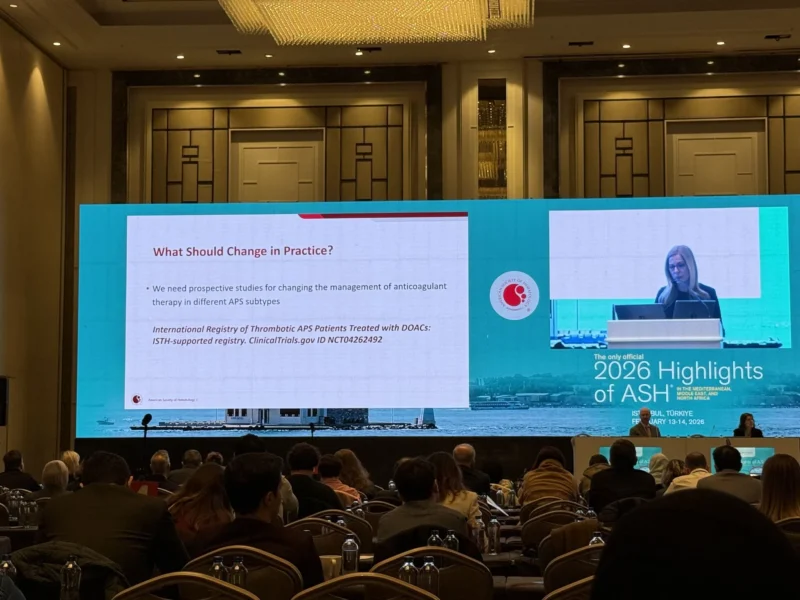
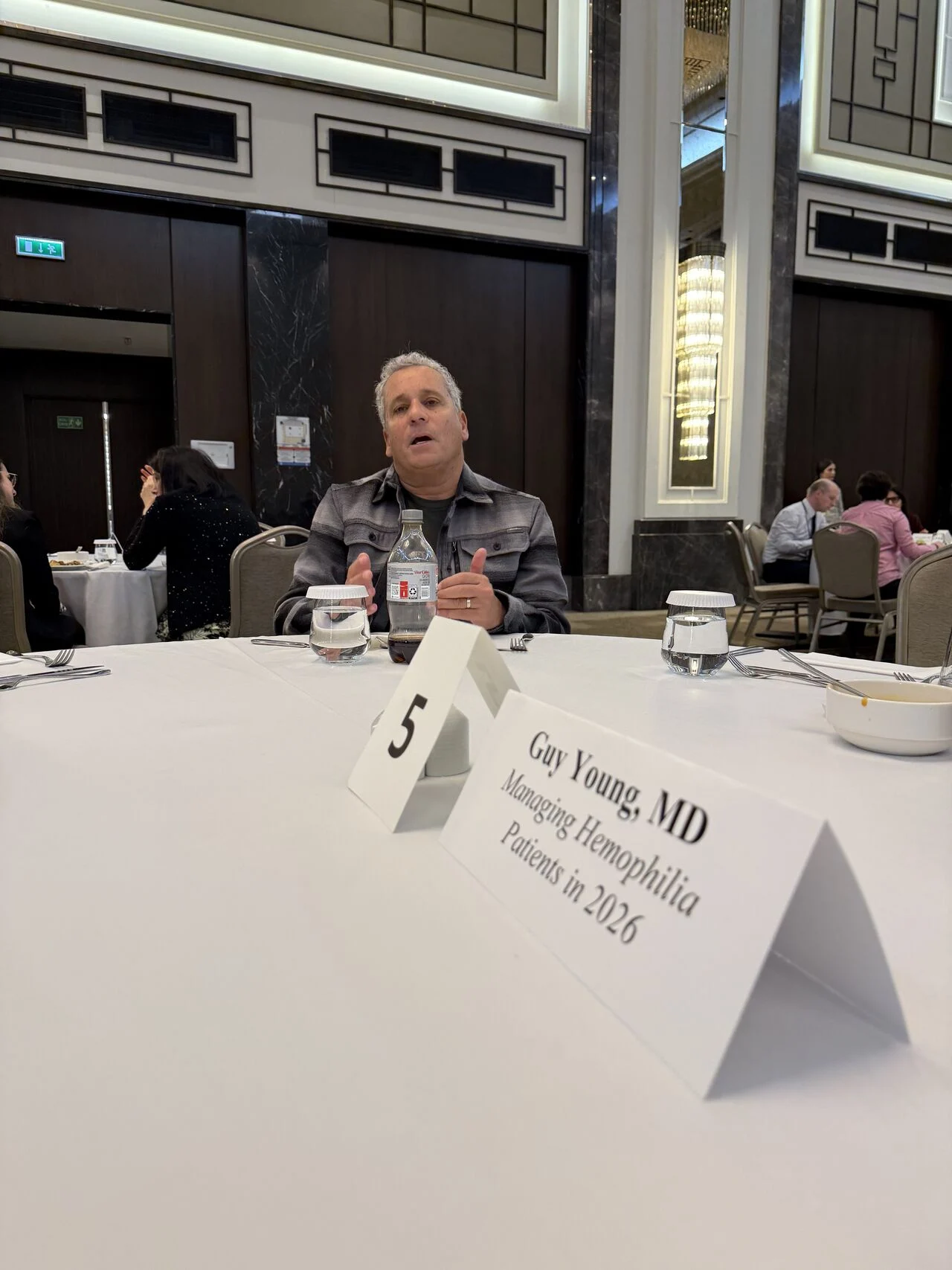
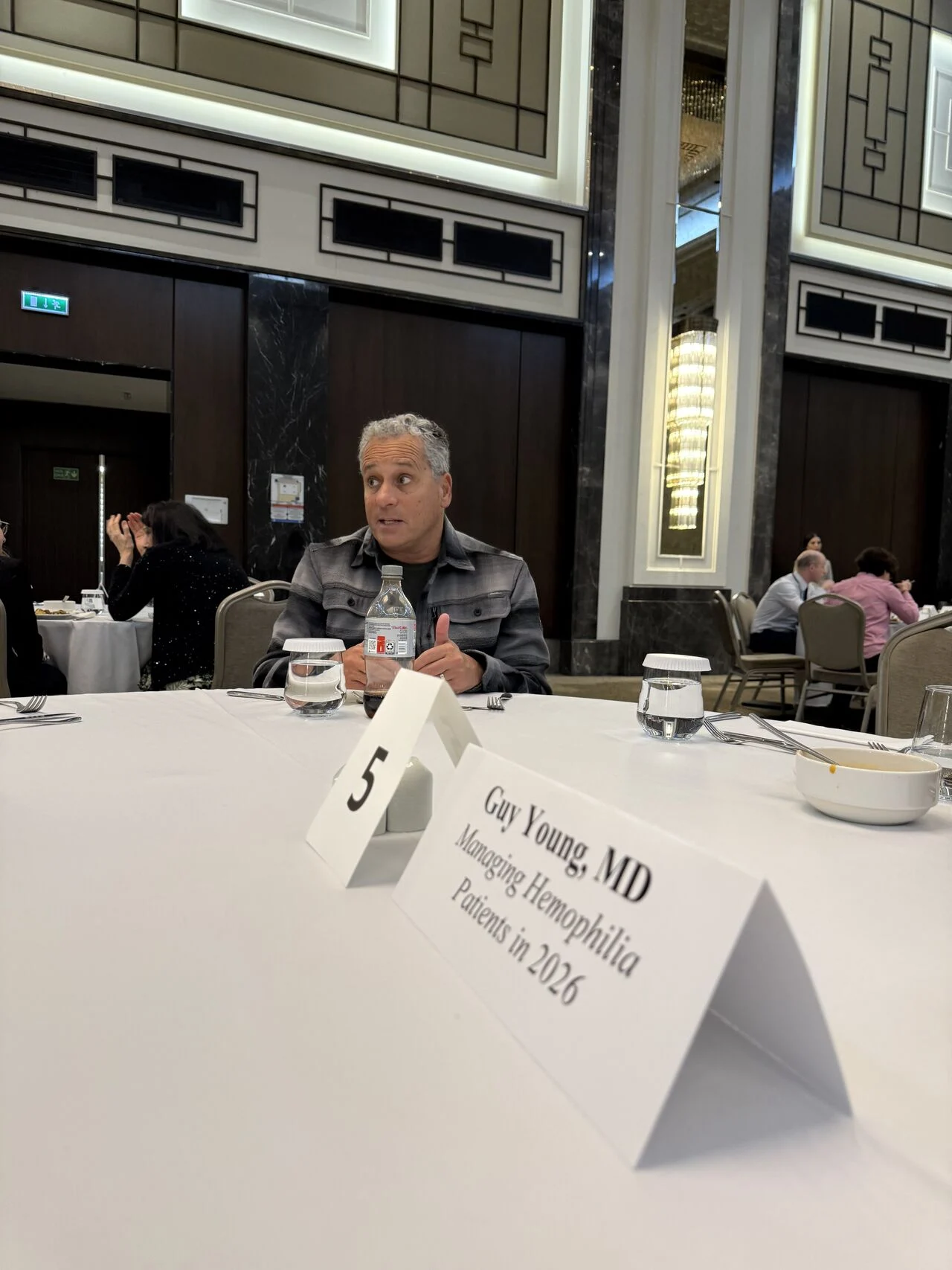
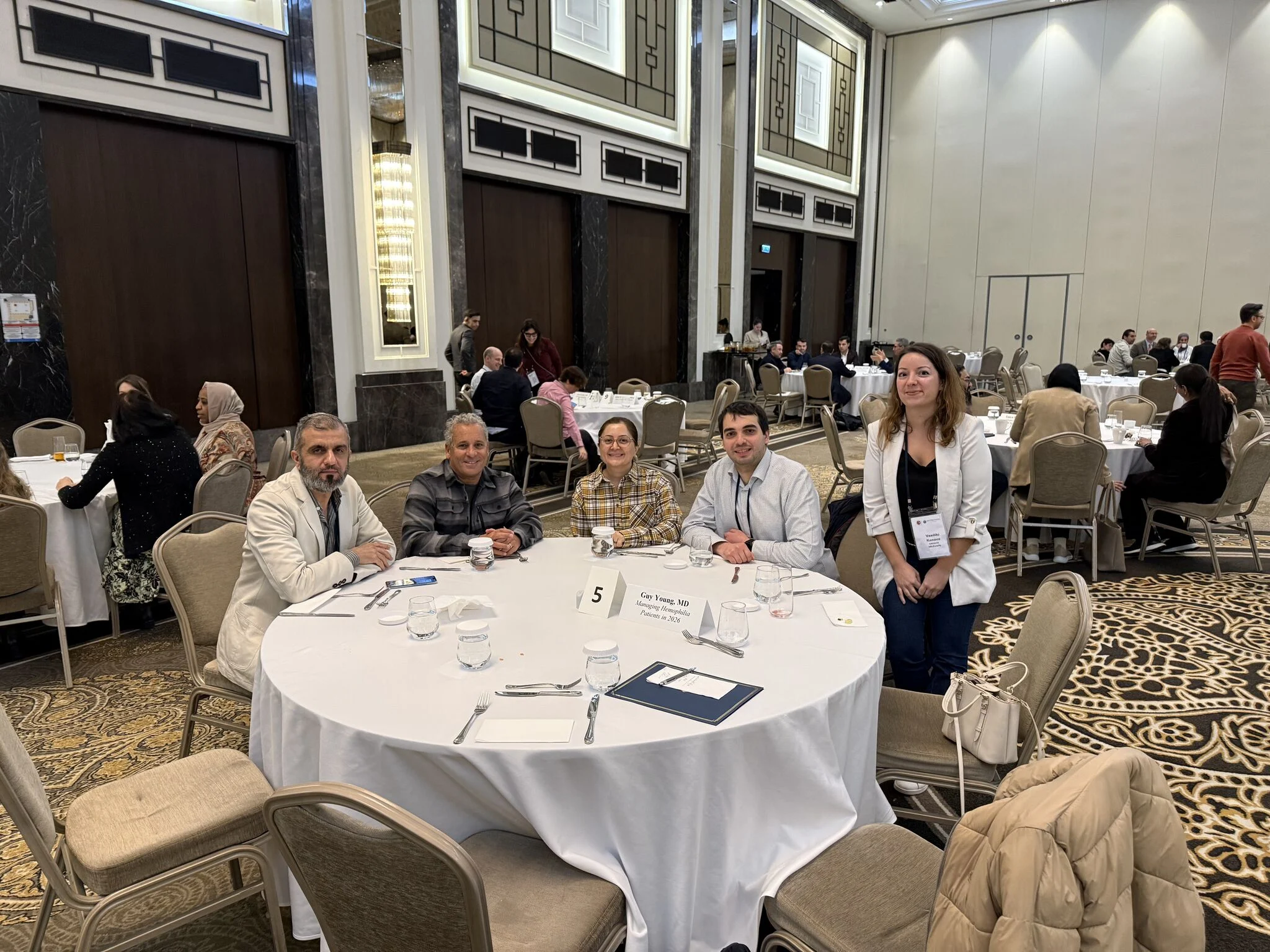
“It was a great honor to meet and engage in an in-depth discussion with Dr. Guy Young on the evolving landscape of hemophilia management.
Our conversation focused on the complex clinical challenges we increasingly encounter in 2026 — particularly patients presenting with overlapping bleeding and thrombotic risks. We discussed the management of hemophilia patients who develop inhibitors, the role of immunosuppressive strategies such as corticosteroids and rituximab, and the delicate balance required when thrombotic complications arise in parallel.
A particularly thought-provoking part of our discussion centered on cases where bleeding disorders coexist with prothrombotic conditions, including antiphospholipid syndrome. We reflected on how inhibitor-related hemophilia may resolve over time with appropriate immune modulation, whereas antiphospholipid antibodies often persist long-term, fundamentally influencing therapeutic decision-making.
We also exchanged perspectives on emerging treatment approaches, risk stratification, and the importance of individualized care strategies in complex hematologic scenarios.
Such conversations are invaluable for advancing clinical practice, strengthening international collaboration, and ultimately improving outcomes for patients with hemophilia and other bleeding disorders.
Grateful for the opportunity to learn from global leaders in our field and to represent Armenia in these important scientific dialogues.”
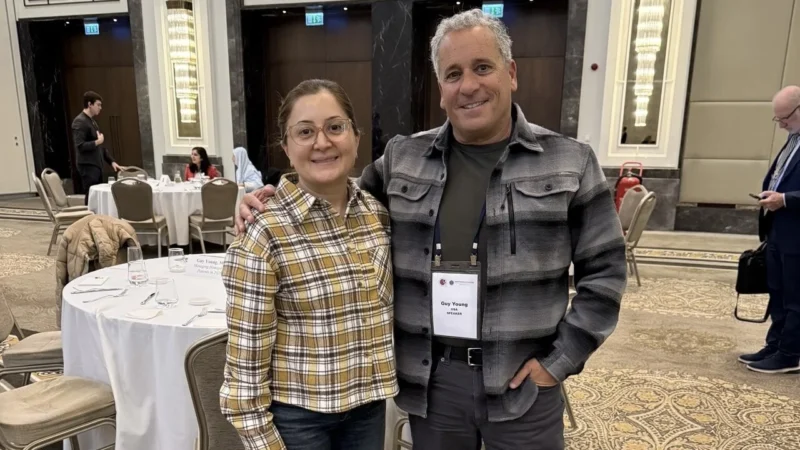
“Azacitidine plus venetoclax continues to shape the modern treatment paradigm of Acute Myeloid Leukemia (AML), particularly in patients ineligible for intensive induction chemotherapy.
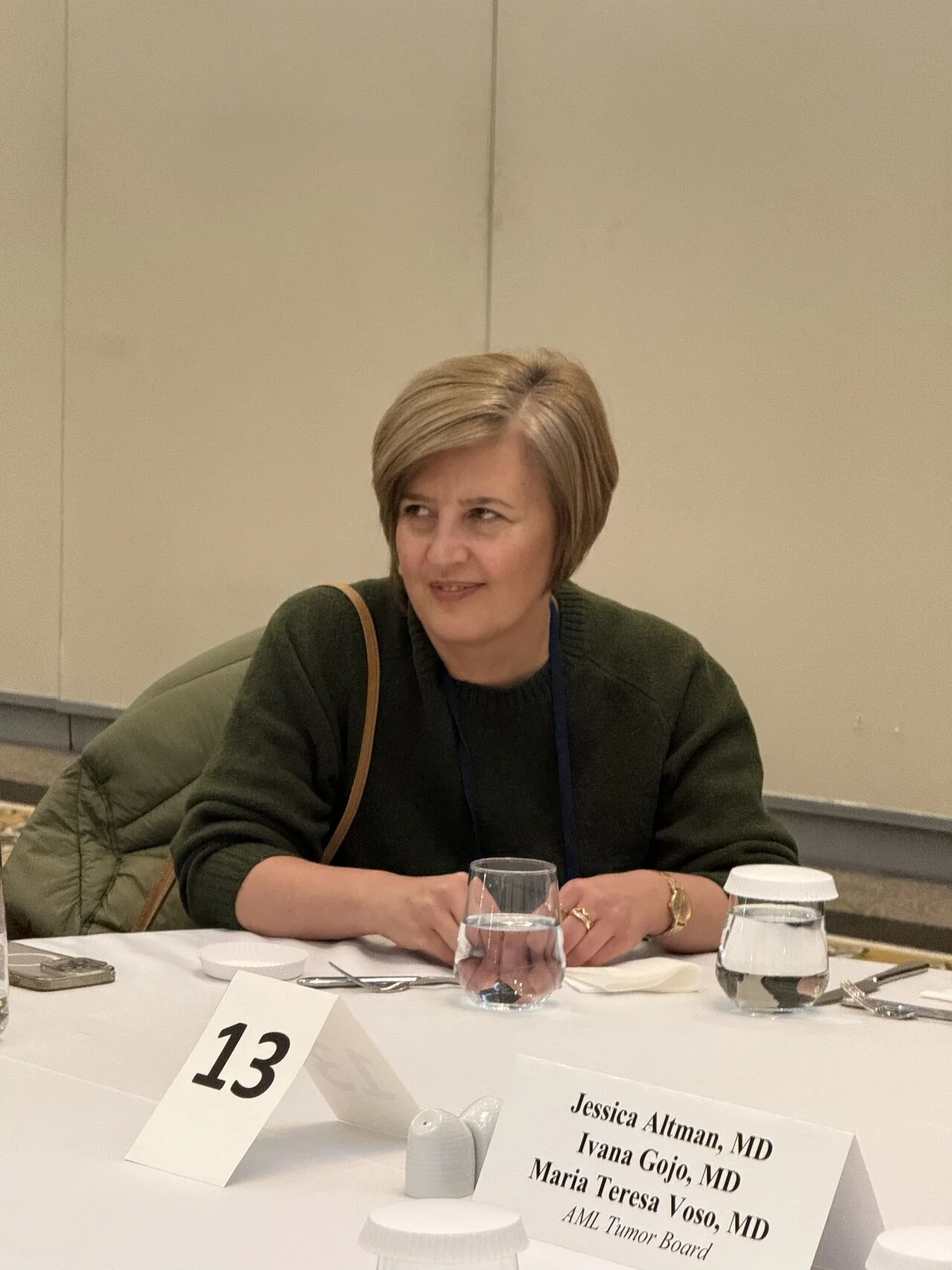
Within the framework of the ASH meeting, we had the opportunity to participate in a high-level expert roundtable discussion dedicated to real-world experience with the AZA–VEN combination. The discussion focused on optimizing therapeutic sequencing, managing prolonged cytopenias, infection risk mitigation, molecular profiling, and measurable residual disease (MRD)–guided strategies.
A special honor was the opportunity to meet Professor Maria Teresa Voso and engage in dialogue with leading experts shaping the field of AML.
I am also pleased to highlight that Dr. Astghik Voskanyan actively participated in this expert meeting, contributing to the discussion and representing Armenian hematology in this important international scientific exchange.
Such expert forums are essential for translating evidence into practice and strengthening global collaboration in hematologic oncology.”

More posts featuring Heghine Khachatryan.





-
Oct 16, 2026, 18:12Adil Nawaz: Extended Dual Antiplatelet Therapy After Coronary Stenting
-
Oct 16, 2026, 17:50Elad Asher։ STORM-PE Shows Functional Benefits of Thrombectomy
-
Oct 16, 2026, 17:32Shruthi Narayan: STORM-PE and STRIKE-PE Studies Advance Understanding of Recovery After Pulmonary Embolism
-
Oct 16, 2026, 17:22Wolfgang Miesbach։ What a Near-Perfect FISH Score Fails to See
-
Oct 16, 2026, 17:06Troels Wienecke: Connecting Myeloproliferative Disease and Ischemic Stroke
-
Oct 16, 2026, 17:03Only 5 Days Left to Submit Your Research for EAHAD 2027
-
Oct 16, 2026, 16:48Abdul Rahman: Reticulocyte Count and Bone Marrow Activity
-
Oct 16, 2026, 16:44DOAC Adherence in Stroke Patients With Atrial Fibrillation – International Journal of Stroke
-
Oct 16, 2026, 16:22Shannon Farmer: Driving Patient Blood Management Forward in Australia and New Zealand